Addition Practice Numbers up to 100 Worksheets for Ages 6-8
4 filtered results
-
From - To
Enhance your child's math skills with our engaging Addition Practice Worksheets for numbers up to 100, designed specifically for ages 6-8. These interactive and colorful worksheets provide an exciting way for young learners to master addition concepts, building a solid foundation in mathematics. Each worksheet offers a variety of problem types, from simple sums to more challenging addition exercises, ensuring a well-rounded practice experience. With clear instructions and fun illustrations, young students will boost their confidence and enjoyment in learning math. Perfect for both home and classroom use, these printable addition worksheets make learning math fun and effective!
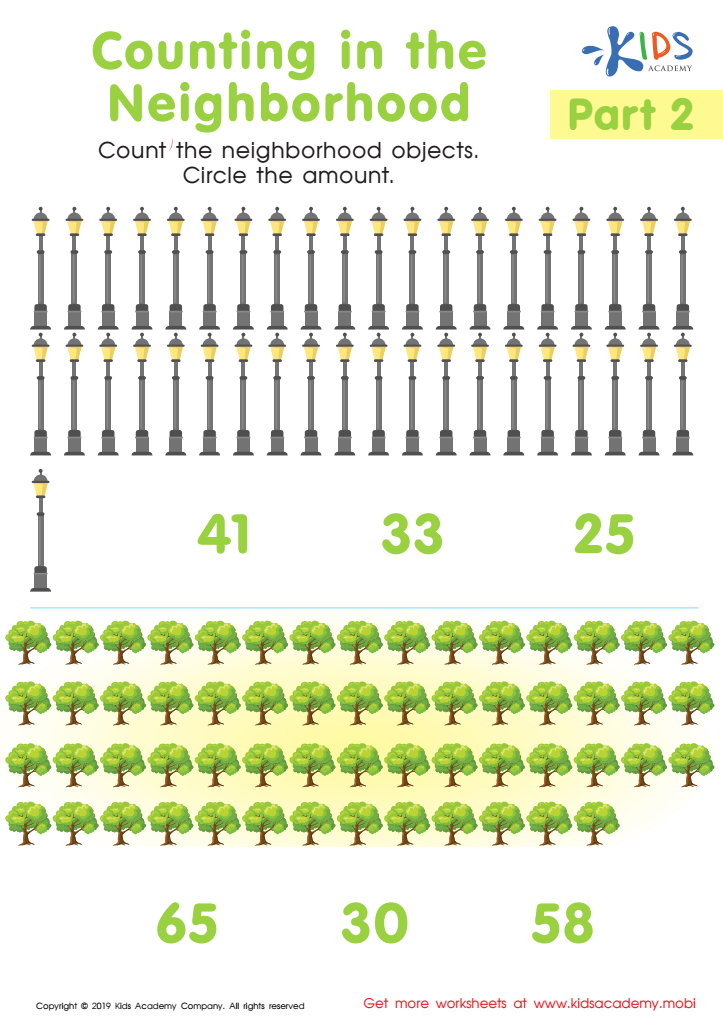
Counting In The Neighborhood Part 2 Worksheet
 Assign to My Students
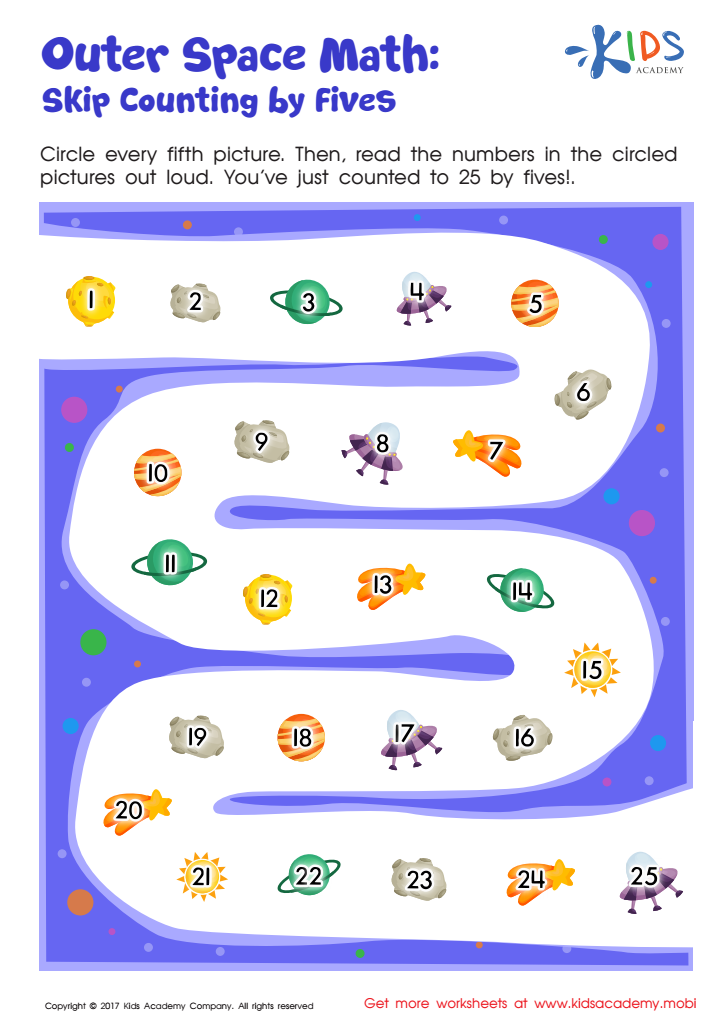
Skip Counting by 5s: Outer Space Math Printable
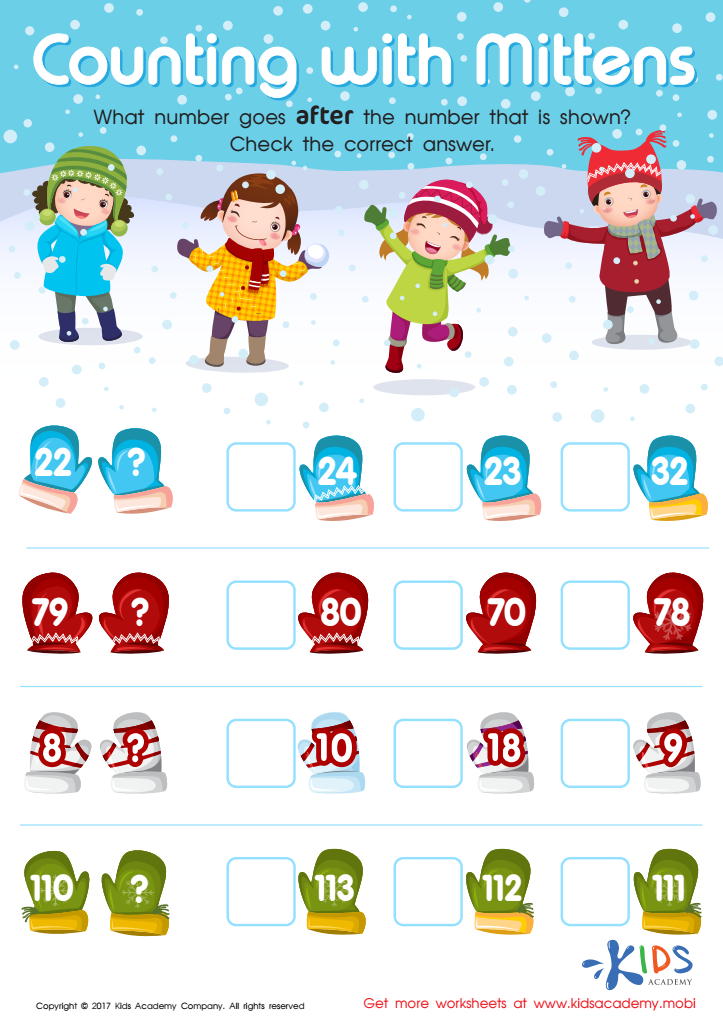
Counting with Mittens Worksheet
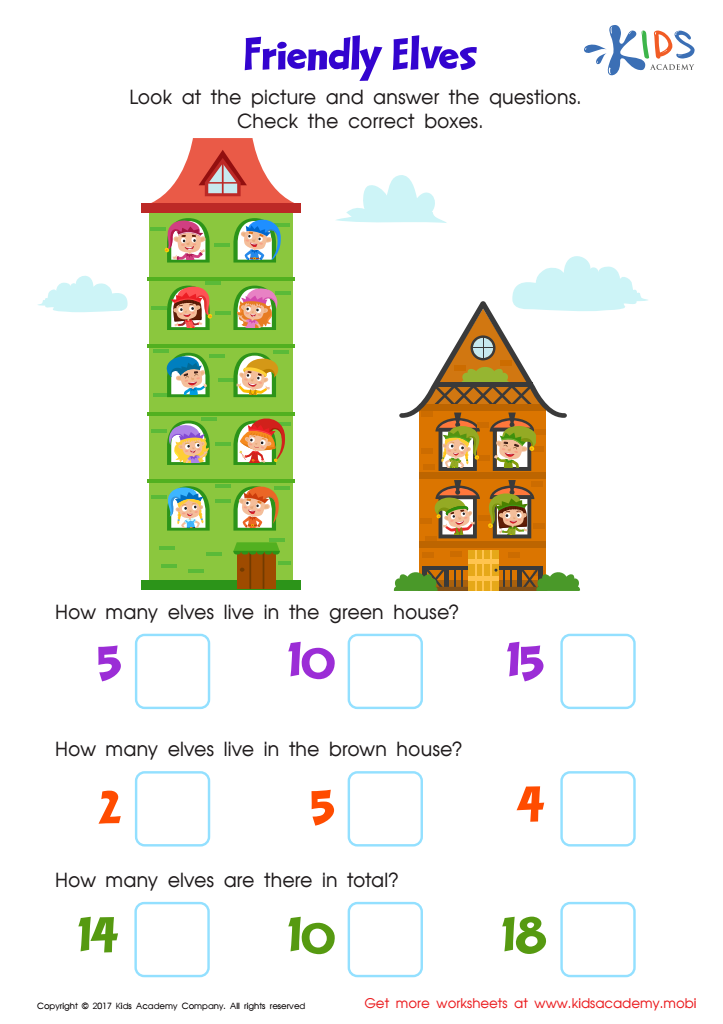
Place Value: Friendly Elves Worksheet


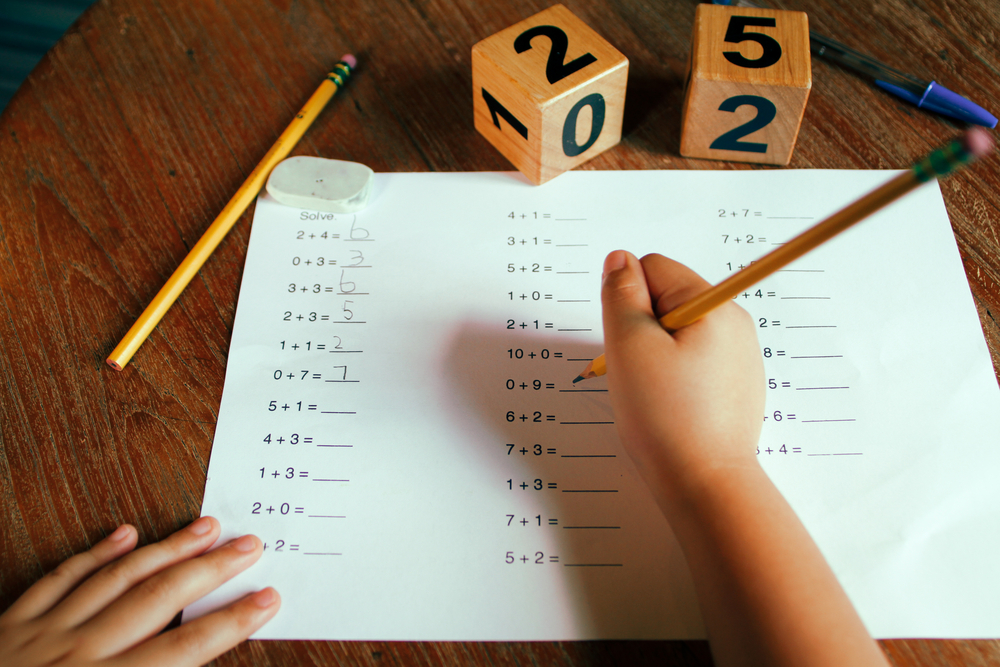




%20(1).jpg)
Addition practice for numbers up to 100 is crucial for children aged 6-8 as it lays the foundation for their mathematical development. During these early years, students are not only learning to add but are also building essential critical thinking and problem-solving skills. Mastering addition helps boost their confidence, enabling them to approach more complex concepts with a positive mindset.
Furthermore, strong addition skills are vital for everyday life. From managing money to understanding time, addition plays a key role in various scenarios children will face as they grow. Parents and teachers have the responsibility to equip students with these fundamental skills, ensuring they can navigate daily tasks independently and competently.
Additionally, practicing addition nurtures cognitive abilities, as children learn to recognize patterns and number relationships, fostering a deeper understanding of mathematics. Engaging children through fun activities and games enhances retention and adds an element of enjoyment to learning. Ultimately, emphasizing addition practice prepares young learners for future academic success and inspires a love for math that can benefit them throughout their educational journey and beyond. By prioritizing this foundational skill, parents and teachers can help cultivate a robust numerical fluency that will serve children well into adulthood.