Filters

11 filtered results

Clear all filters
Favorites
With answer key
Interactive

11 filtered results

Difficulty Level

Grade


Introduce your 6-8-year-olds to the exciting world of numbers with our Counting Practice Building Vocabulary Worksheets! Each engaging worksheet is designed to improve both counting skills and vocabulary development, blending mathematics with reading for a comprehensive learning experience. Through fun activities and vibrant illustrations, children practice counting, build numerical fluency, and enhance their vocabulary. Perfect for early learners, these worksheets facilitate independent learning while keeping your child interested and motivated. Help your child master essential skills and gain confidence with our expertly crafted resources. Explore our collection today to set the foundation for lifelong learning.

Check out this FREE Trial Lesson on Building Vocabulary for age 6-8!

Context Clues

Favorites
With answer key
Interactive
  • 6-8
  • Counting practice
  • Building Vocabulary
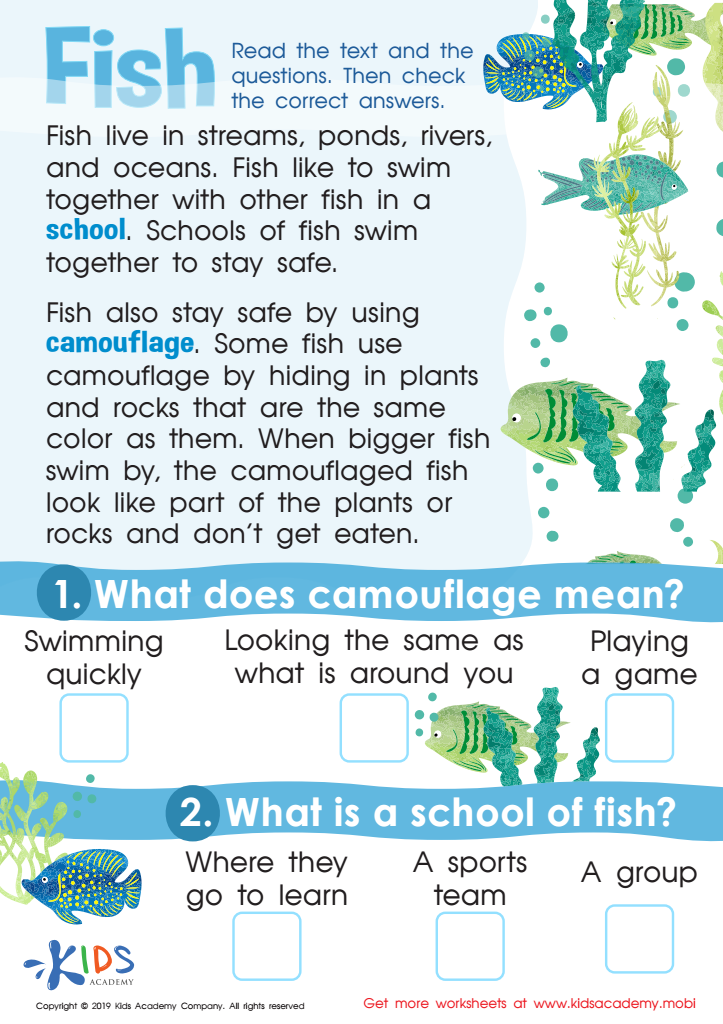
Fish Worksheet
Fish Worksheet

Fish Worksheet

Kids love learning about the creatures that live in water! This free PDF worksheet covers fish, teaching kids larger vocabulary and contextual reading comprehension. Questions prompt them to choose the right answer from multiple choices, just like in a classroom. It's a fun way to boost their reading skills and comprehension without them even realizing it!
Fish Worksheet
Worksheet
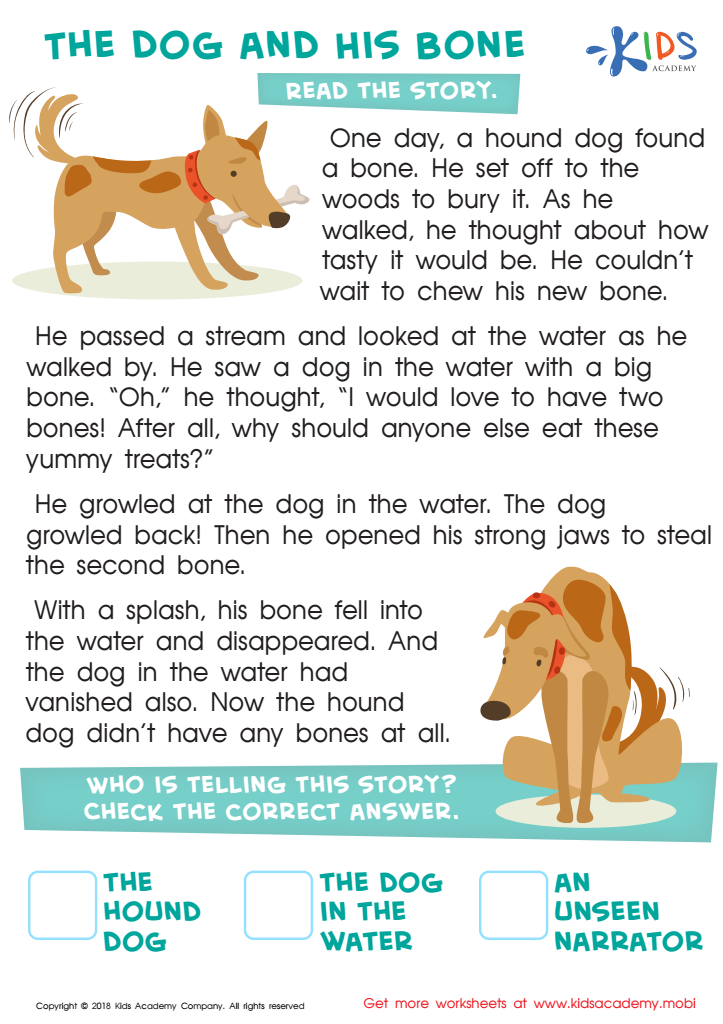
The Dog and His Bone Worksheet

The Dog and His Bone Worksheet

Read the story of The Dog and His Bone to your kids, making sure they take in the details. Ask them the questions in this worksheet and help them check the answers. Encourage them to think carefully.
The Dog and His Bone Worksheet
Worksheet
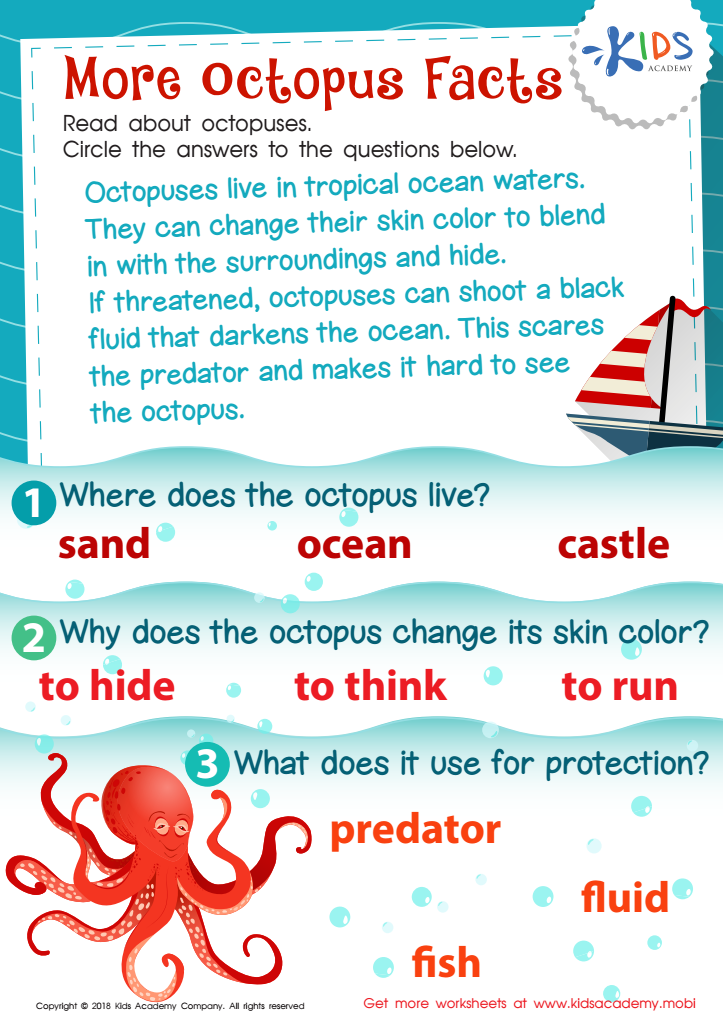
More Octopus Facts Worksheet

More Octopus Facts Worksheet

This worksheet will help your kids learn about the Octopus. Read the text carefully and have kids read with you. Now, ask them questions based on it and help them answer them by circling the right choices. Teaching your kids facts about animals will help them in the long run.
More Octopus Facts Worksheet
Worksheet
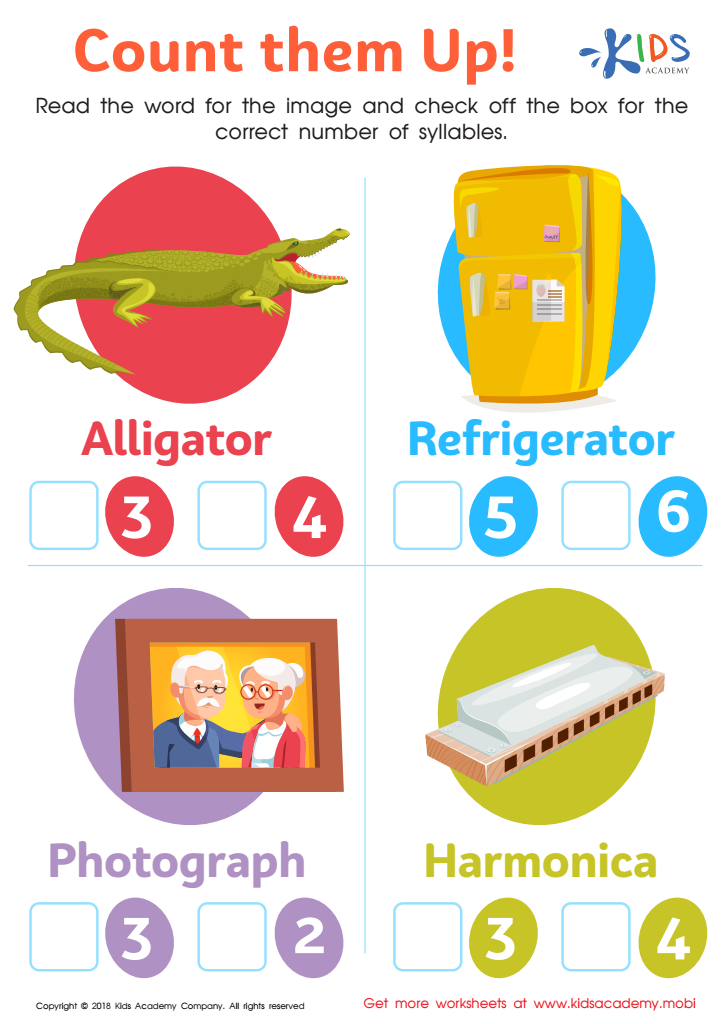
Count Them Up Worksheet
Count Them Up Worksheet
This worksheet has four colorful pictures. Ask your students to identify and name each image, then count the syllables in the word. Make them repeat the word after you, and check off the box with the correct number of syllables. Mastering the art of counting goes beyond numbers. Get your students counting syllables with this activity!
Count Them Up Worksheet
Worksheet
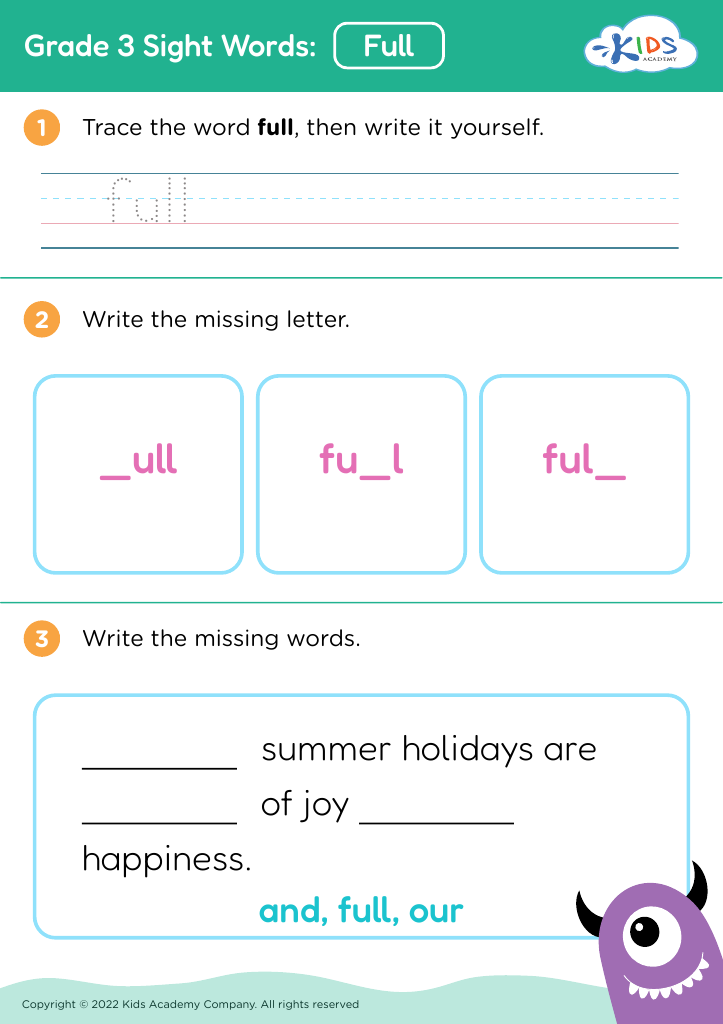
Grade 3 Sight Words: Full

Grade 3 Sight Words: Full

Grade 3 Sight Words: Full
Worksheet
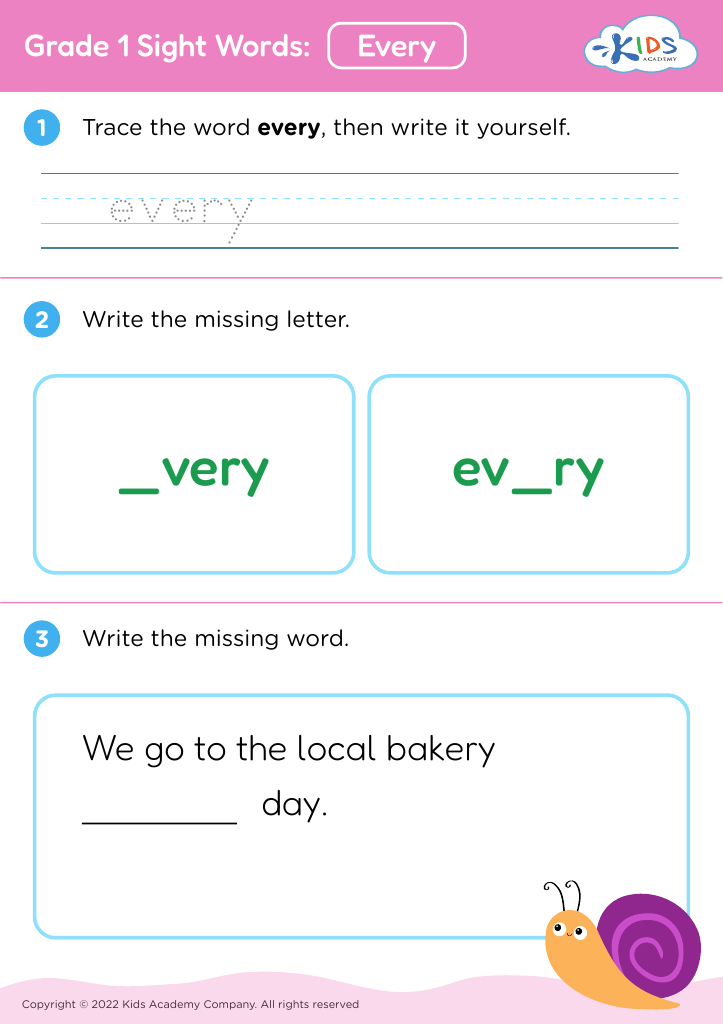
Grade 1 Sight Words: Every

Grade 1 Sight Words: Every

Grade 1 Sight Words: Every
Worksheet
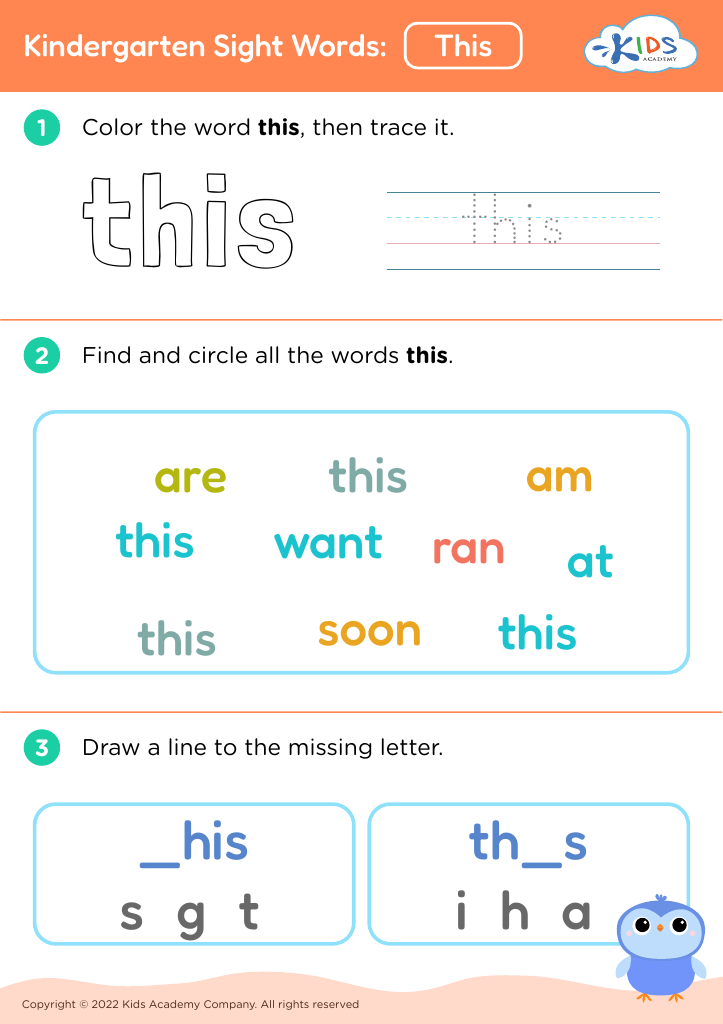
Kindergarten Sight Words: This

Kindergarten Sight Words: This

Kindergarten Sight Words: This
Worksheet
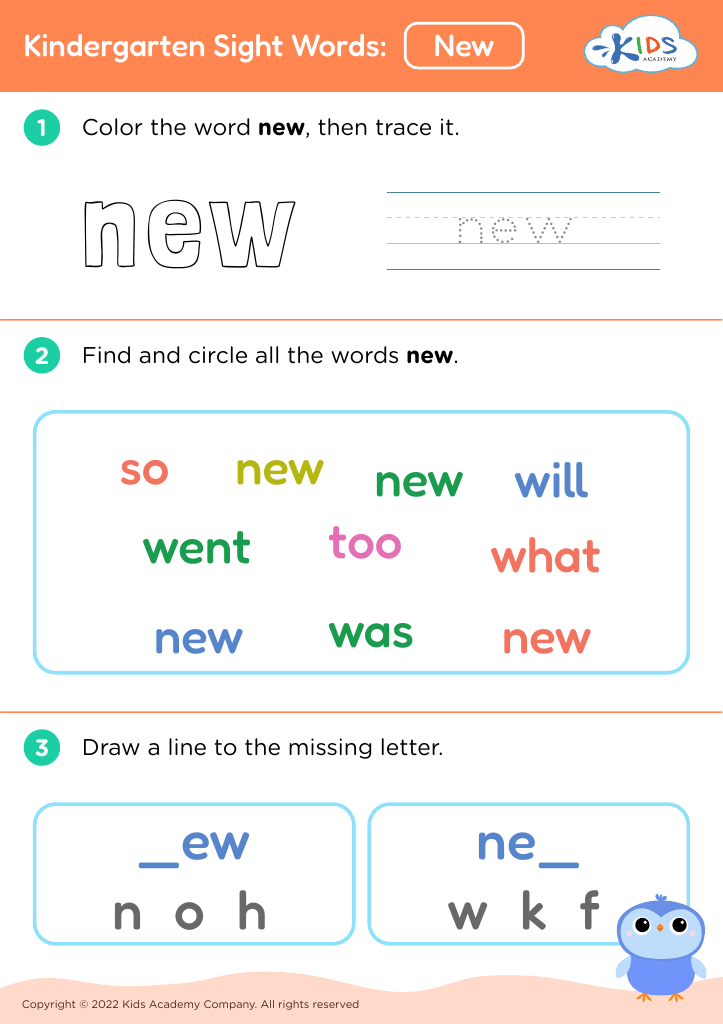
Kindergarten Sight Words: New

Kindergarten Sight Words: New

Kindergarten Sight Words: New
Worksheet
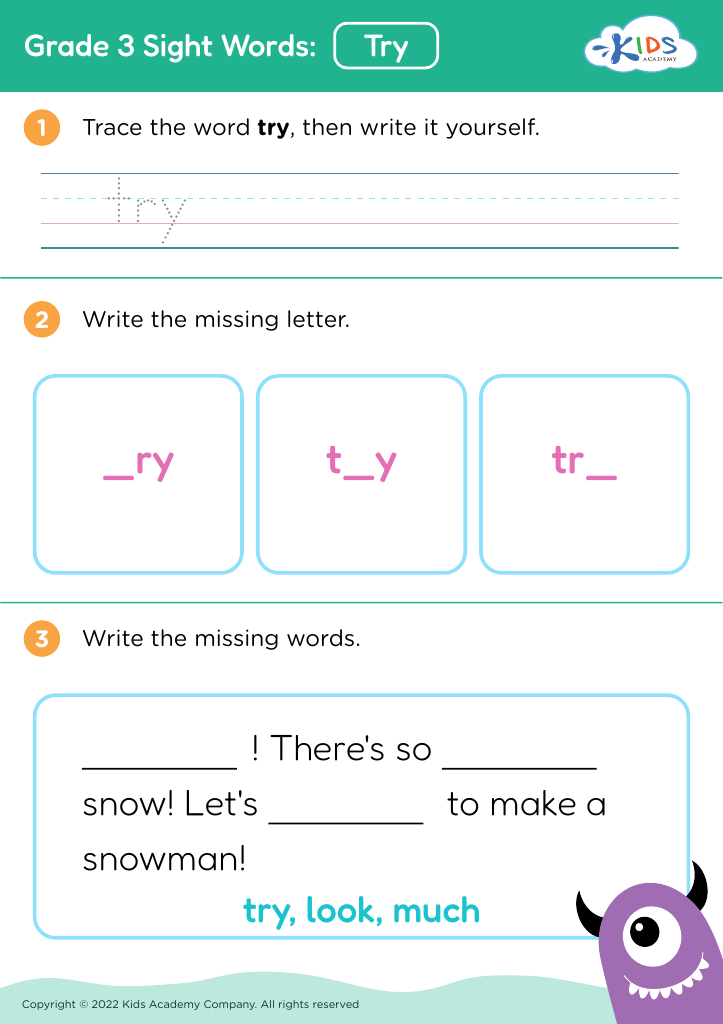
Grade 3 Sight Words: Try

Grade 3 Sight Words: Try

Grade 3 Sight Words: Try
Worksheet
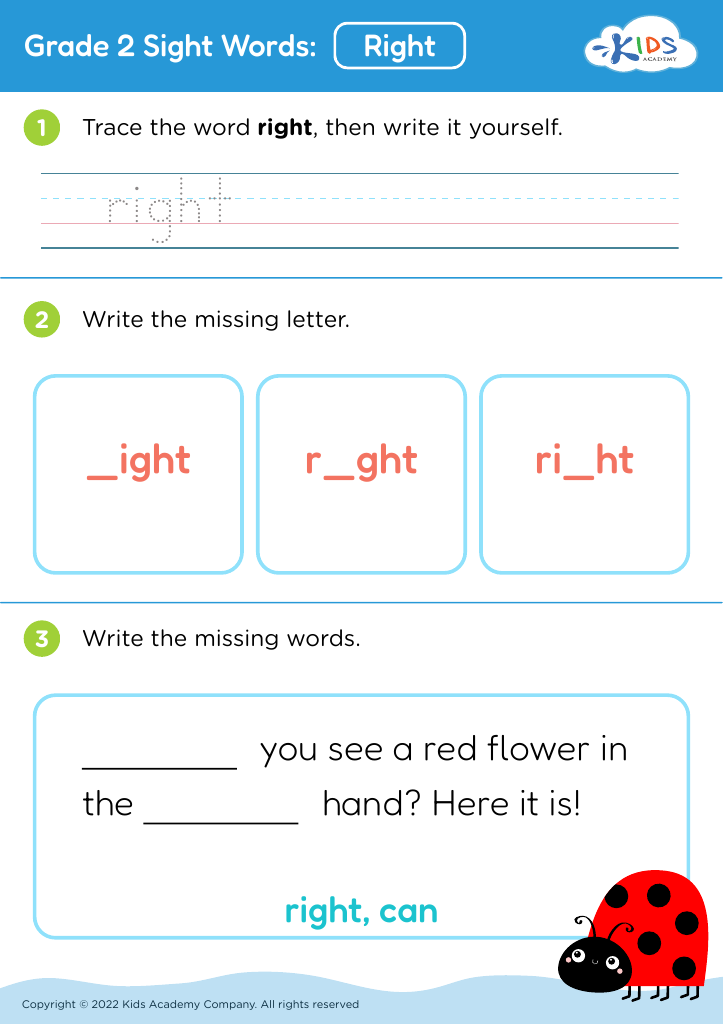
Grade 2 Sight Words: Right

Grade 2 Sight Words: Right

Grade 2 Sight Words: Right
Worksheet
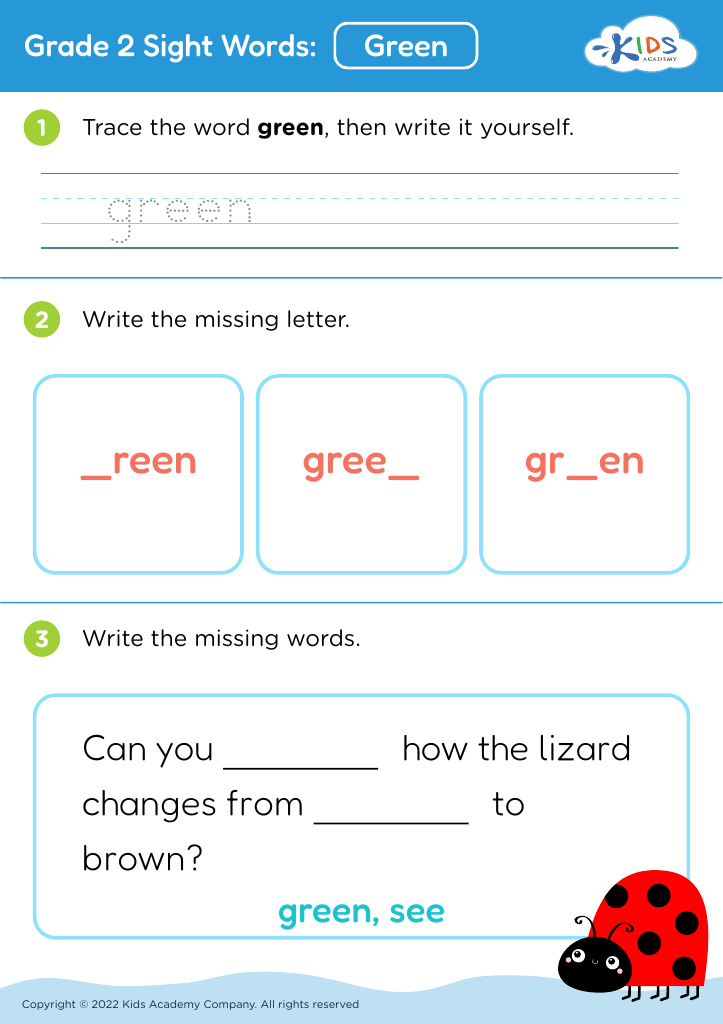
Grade 2 Sight Words: Green

Grade 2 Sight Words: Green

Grade 2 Sight Words: Green
Worksheet


Counting practice and vocabulary building are foundational skills for children aged 6-8, and parents or teachers play a pivotal role in nurturing these abilities.

At this age, children are developing their mathematical and linguistic skills, which are essential for their future academic success. Counting practice not only helps children understand basic arithmetic but also enhances their problem-solving and critical-thinking abilities. These skills are crucial for reasoning and are applicable in everyday activities such as measuring ingredients for a recipe or determining time intervals.

Building vocabulary, on the other hand, equips children with the essential language tools they need for effective communication. A robust vocabulary enables children to express their thoughts, emotions, and ideas clearly and confidently. It also enhances their reading comprehension, making it easier for them to follow stories, understand instructions, and grasp new concepts across various subjects.

Engaging children in counting games, reading sessions, and interactive activities makes learning enjoyable and keeps them motivated. It also fosters a positive attitude toward education and sets a strong foundation for lifelong learning.

By prioritizing counting practice and vocabulary building, parents and teachers can ensure that children develop the necessary skills for academic excellence and successful communication in their lives.