Critical thinking skills Building Vocabulary Worksheets for Ages 6-8
7 filtered results
-
From - To
Unleash the power of critical thinking and vocabulary growth with our specially designed worksheets for children aged 6-8. At Kids Academy, we offer printable worksheets that engage young minds through fun and challenging activities. Our materials help children enhance their vocabulary while fostering crucial critical thinking skills. Your child will be delighted by interactive exercises that encourage analysis, reasoning, and smart decision-making. These worksheets serve as an excellent resource for home or classroom use, providing an impactful support system to boost your child's literacy and cognitive abilities. Invest in your child's future with Kids Academy's comprehensive and enriching educational resources.
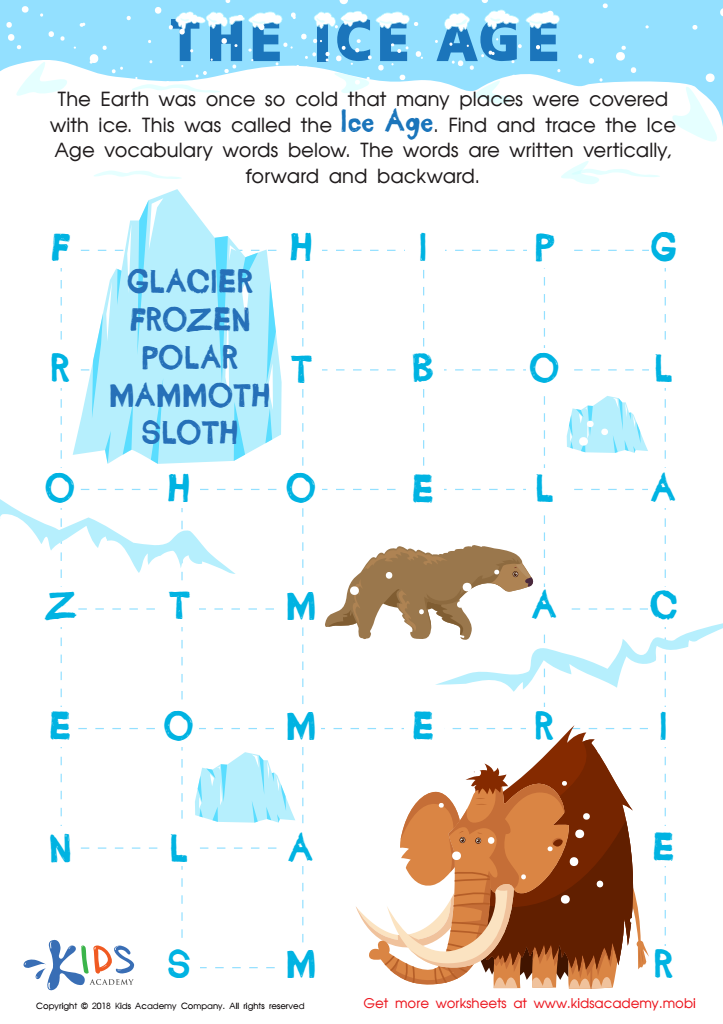
The Ice Age Worksheet
 Assign to My Students











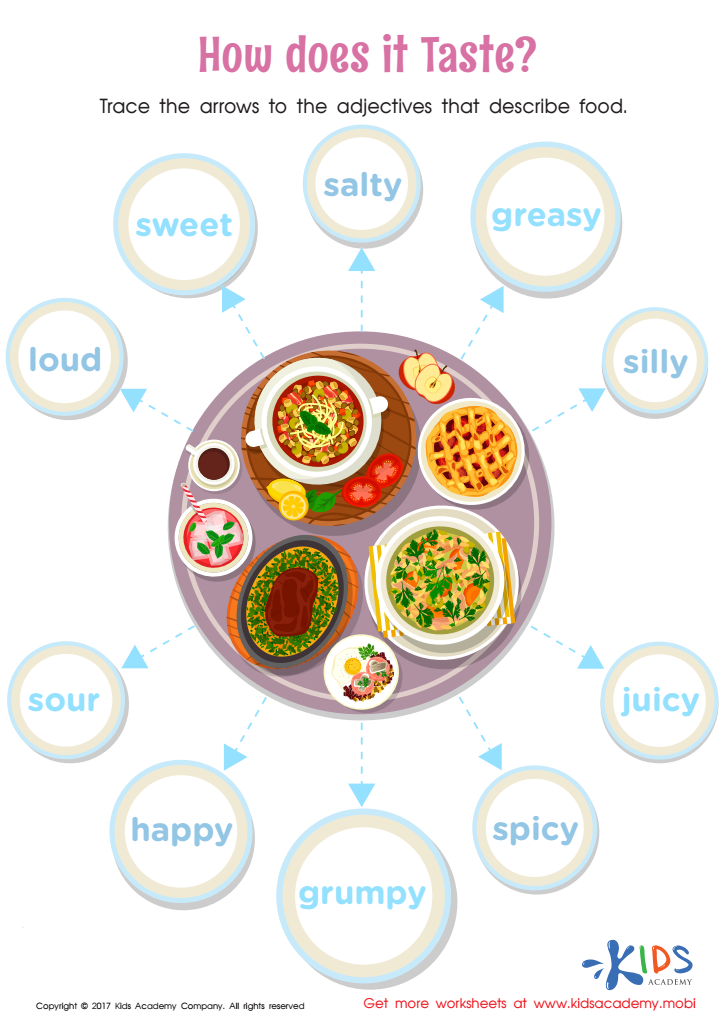
Food Adjectives Worksheet
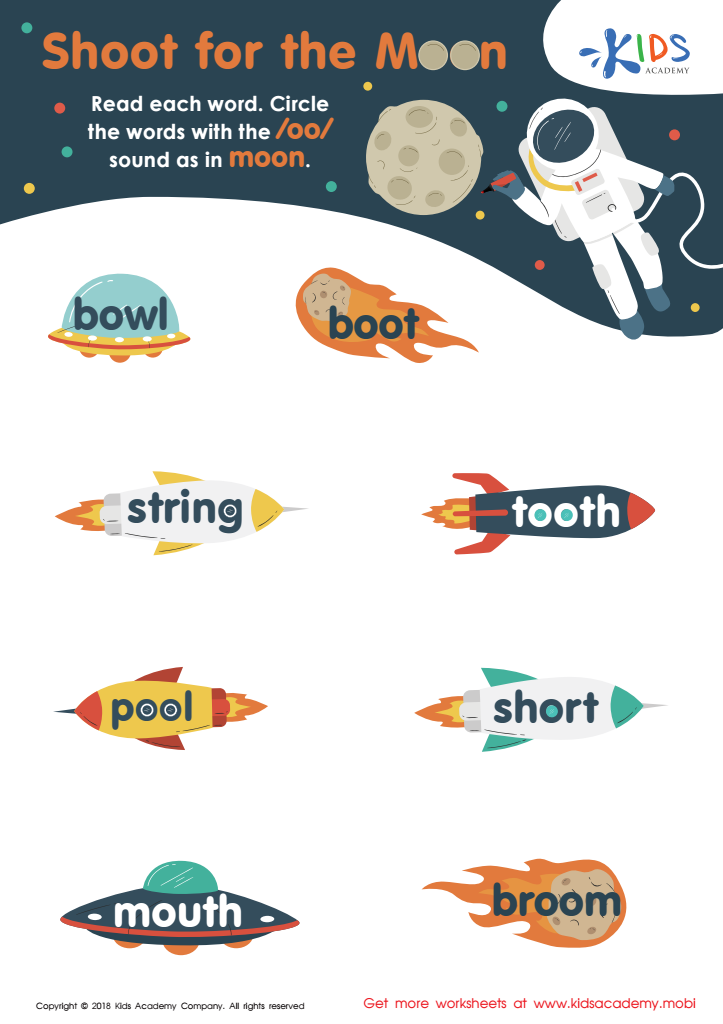
Reading: Shoot for the Moon Worksheet
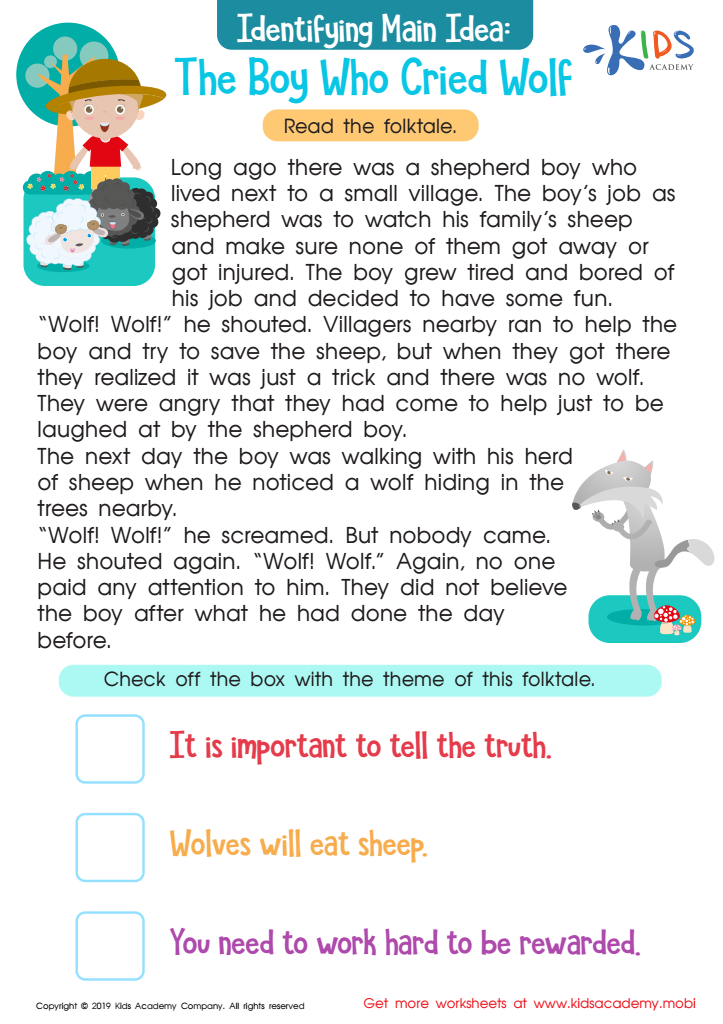
The Boy Who Cried Wolf Part 2 Worksheet
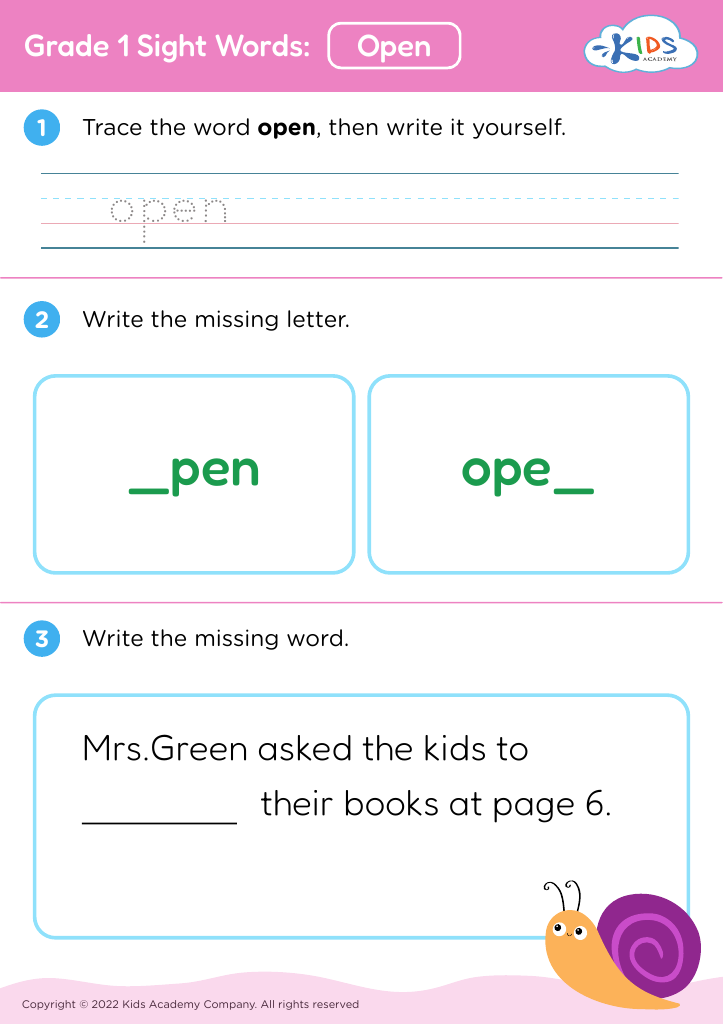
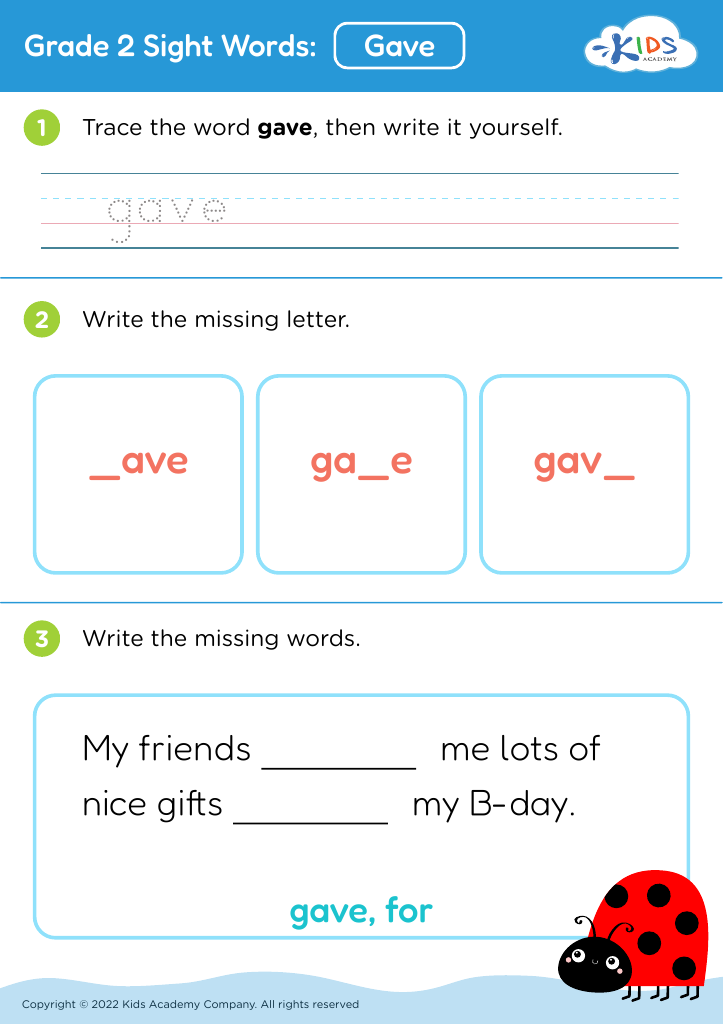
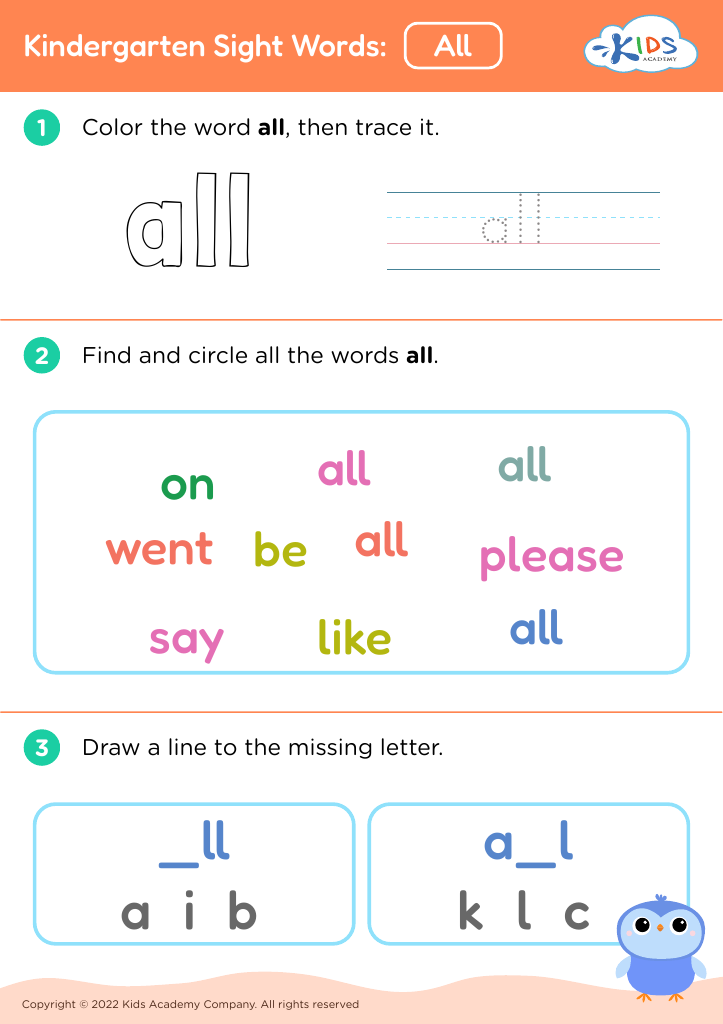








Critical thinking and vocabulary development are essential cognitive skills for children aged 6-8, offering significant long-term benefits. The early elementary years are a pivotal period for cognitive growth, where young minds are curious and highly adaptable.
Building critical thinking skills in this age group fosters an ability to analyze information, solve problems, and make informed decisions. It equips children with the tools to approach new challenges with confidence and curiosity, enhancing their learning opportunities across all subjects. Children who develop these skills early are more likely to excel academically and adapt to various learning situations, giving them a competitive edge in school and beyond.
Simultaneously, a strong vocabulary is the cornerstone of effective communication and literacy. Children who can express themselves clearly are more likely to excel in reading comprehension and overall literacy, which are fundamental for academic success. A broad vocabulary also boosts children’s ability to understand and engage with the world around them, facilitating richer interpersonal interactions and a stronger grasp of complex ideas.
Parents and teachers play a crucial role in nurturing these skills through engaging activities, discussions, and reading. By focusing on critical thinking and vocabulary development, they help children build a robust foundation for future learning, setting them on a path to become articulate, thoughtful, and well-rounded individuals.








