Identifying shapes Building Vocabulary Worksheets for Ages 6-8
8 filtered results
-
From - To
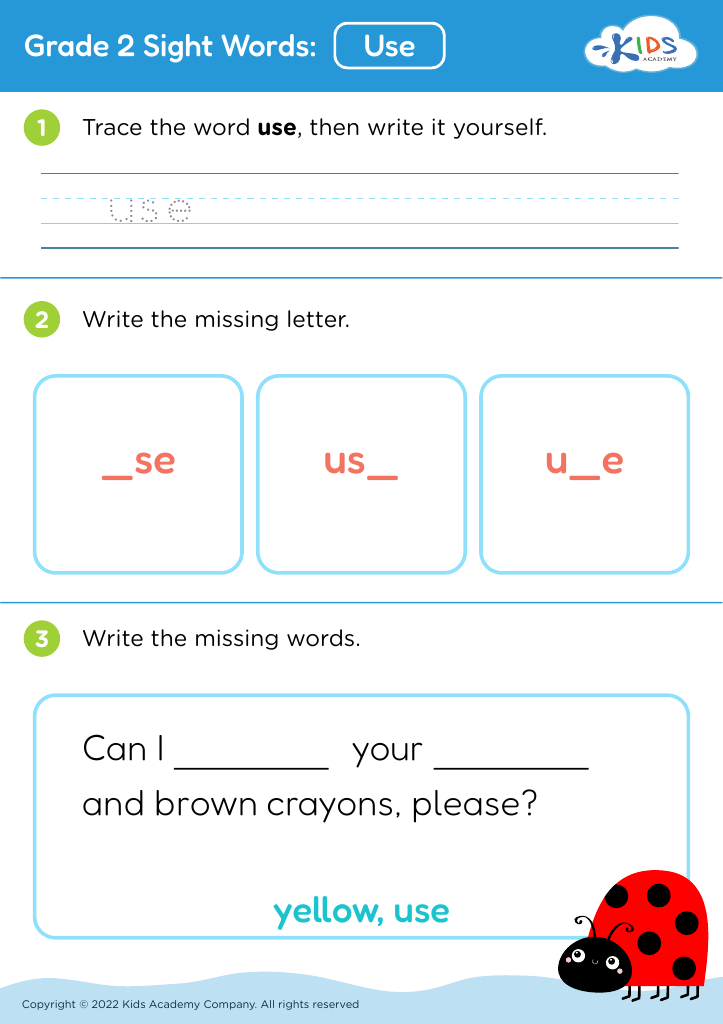
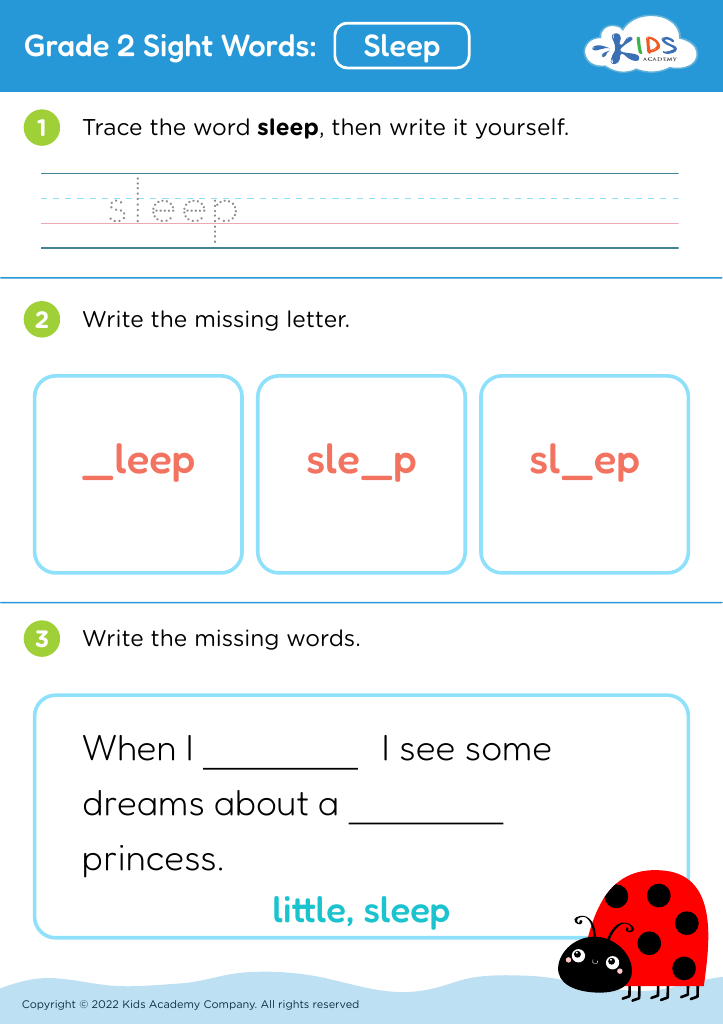
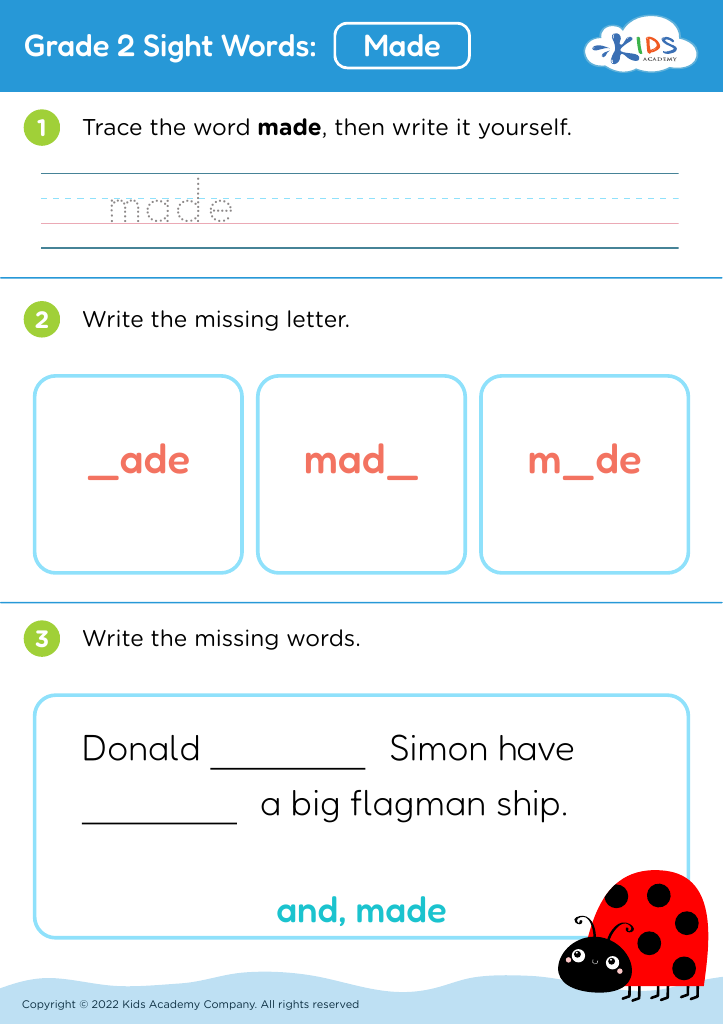
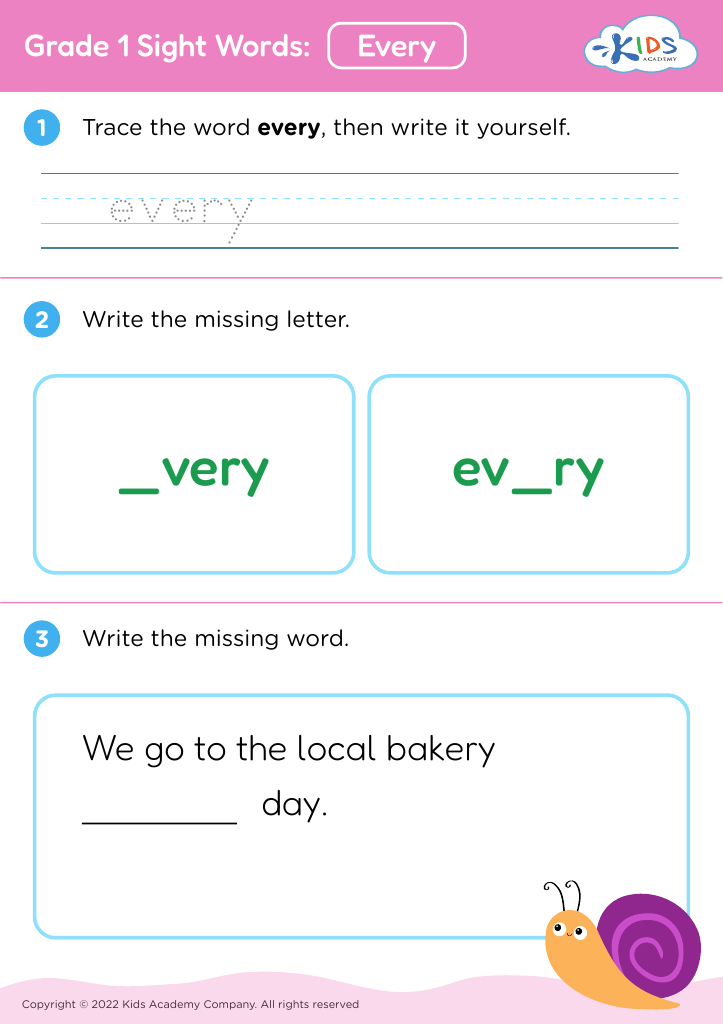
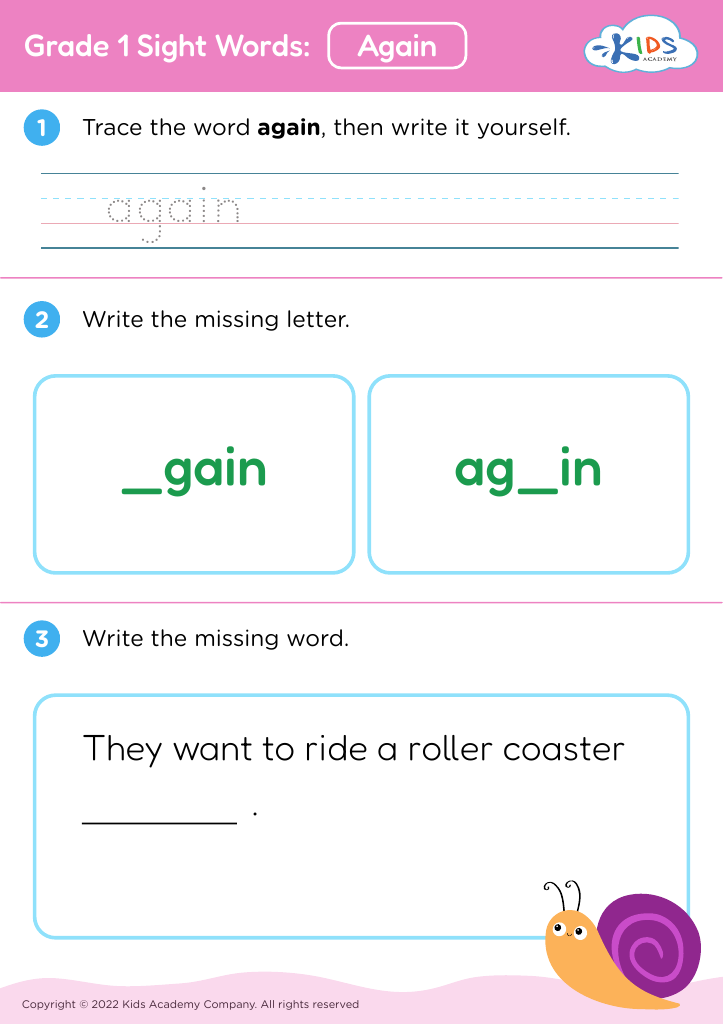
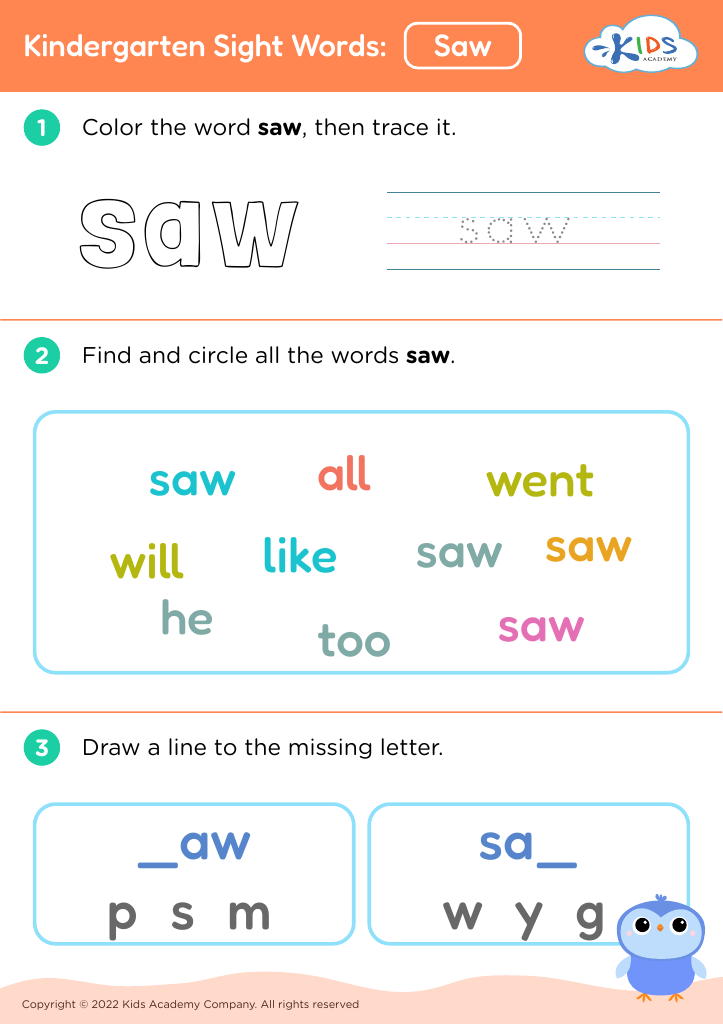
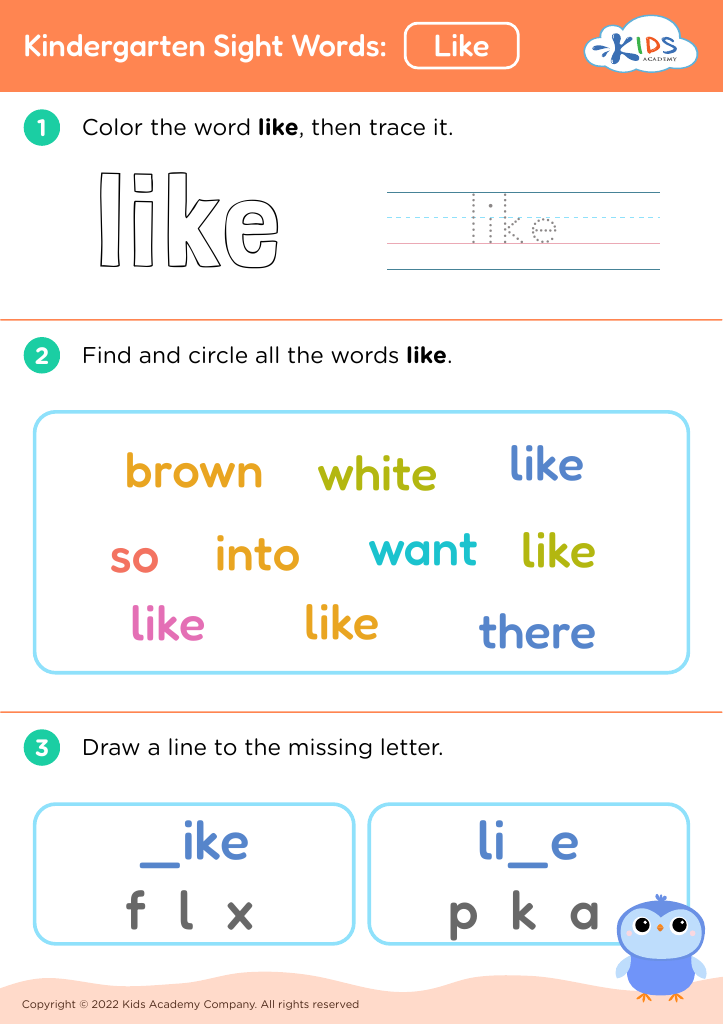
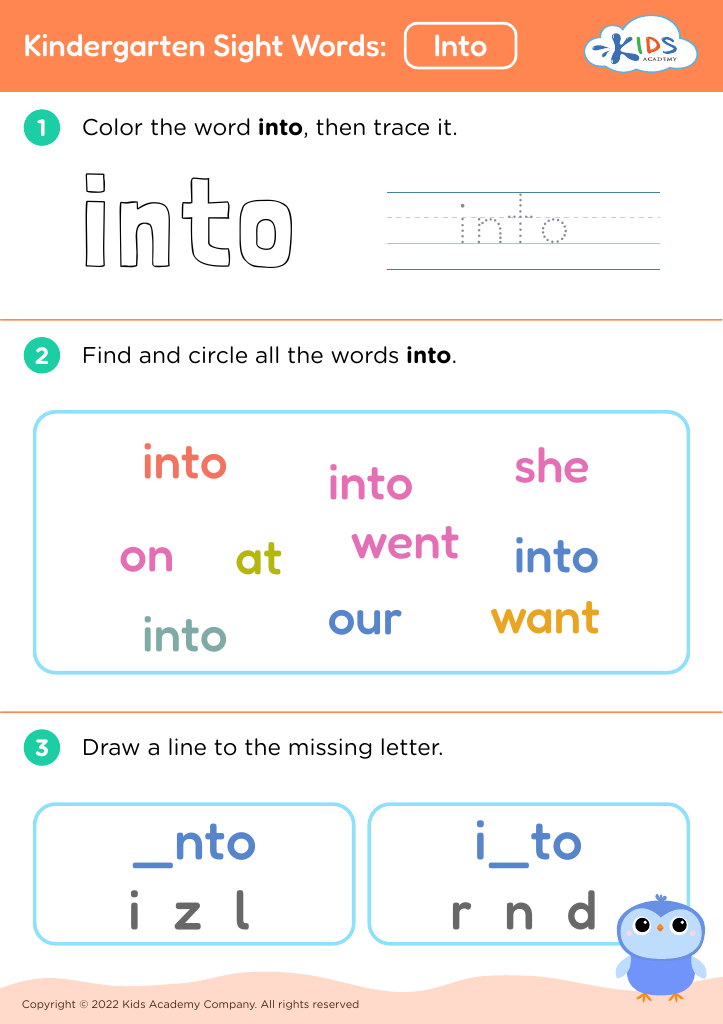
Our "Identifying Shapes Building Vocabulary Worksheets for Ages 6-8" combine fun and learning to enhance your child's shape recognition and vocabulary skills. Ideal for early grade students, these printable worksheets feature engaging activities like tracing, matching, and naming various shapes. Children will develop essential reading and writing skills while becoming confident in identifying circles, squares, triangles, and more. Each worksheet is expertly designed to strengthen fine motor skills and foster a love for learning through play. Perfect for parents and teachers, these resources support classroom lessons or at-home practice. Unlock the world of shapes and words today!
















.jpg)


Identifying shapes and building vocabulary are fundamental skills for children aged 6-8, and it's crucial for both parents and teachers to prioritize their development. Recognizing shapes helps children understand and organize visual information, which is essential for developing early math skills such as geometry and spatial reasoning. This not only lays a foundation for more advanced math concepts but also enhances problem-solving and critical thinking abilities.
Building vocabulary enriches language development, enabling children to express themselves clearly and understand more complex instructions. A robust vocabulary improves reading comprehension and writing skills, which are vital across all subjects. When children can identify shapes and articulate their characteristics, they link visual concepts with descriptive language, fostering better cross-curricular learning.
Moreover, these skills boost confidence and classroom participation. For parents, engaging with children in activities around shapes and vocabulary strengthens the parent-child bond while promoting a supportive learning environment at home. For teachers, these skills help create a foundation for effective teaching, ensuring that children are better prepared for future educational challenges. Prioritizing these skills not only supports academic success but also encourages curiosity and a lifelong love of learning.








