Improve vocabulary Building Vocabulary Worksheets for Ages 6-8
5 filtered results
-
From - To
Welcome to our "Improve Vocabulary Building Worksheets" for children ages 6-8! Designed specifically for young learners, these engaging worksheets foster essential language skills and encourage a love for reading. Our interactive activities help expand vocabulary, improve comprehension, and enhance critical thinking. From word matching to fill-in-the-blanks and creative writing exercises, these worksheets provide a fun and educational way for kids to explore new words. Each resource is aligned with early literacy standards, ensuring your child develops a strong foundation for academic success. Dive into our collection today and equip your child with the tools they need to thrive in their language journey!
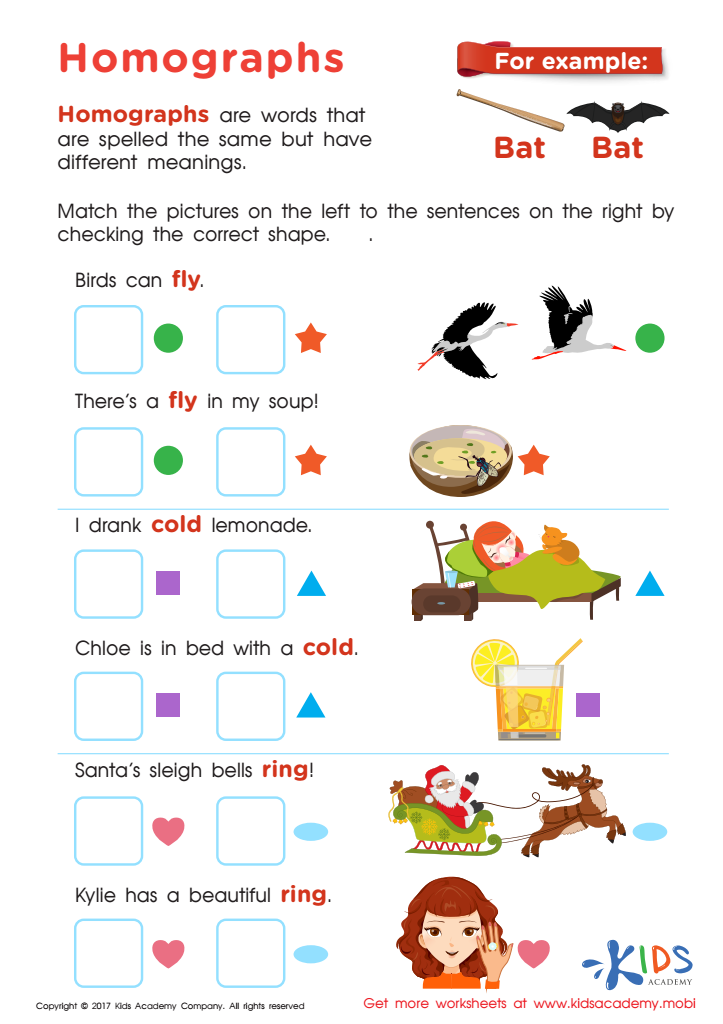
Homographs Free Printable Worksheet
 Assign to My Students











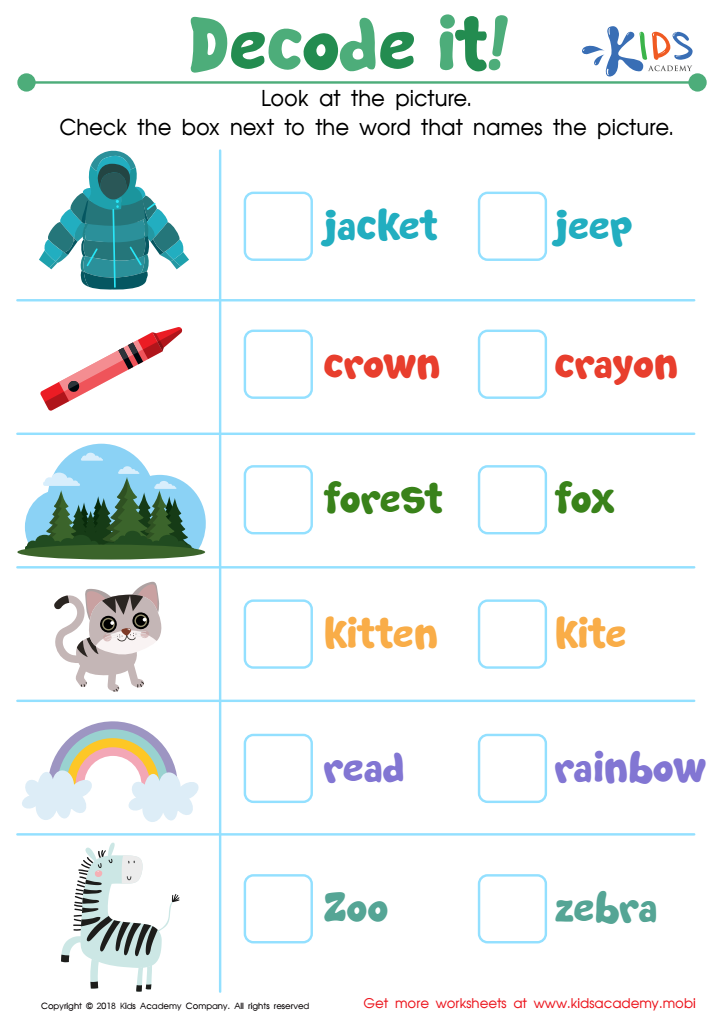
Reading: Decode It Worksheet
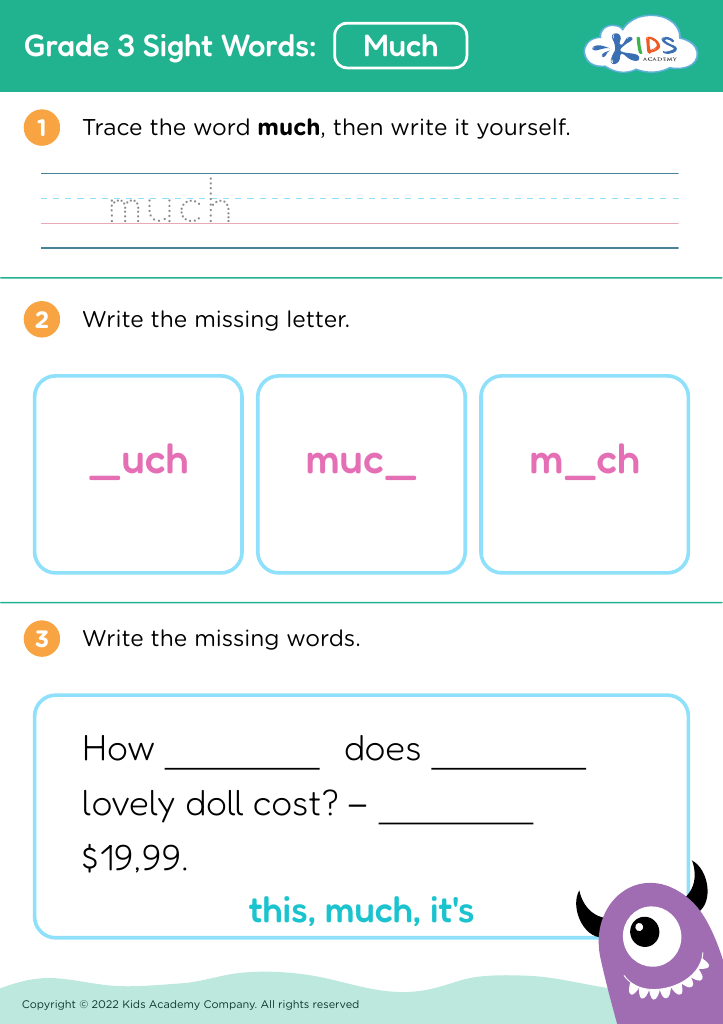
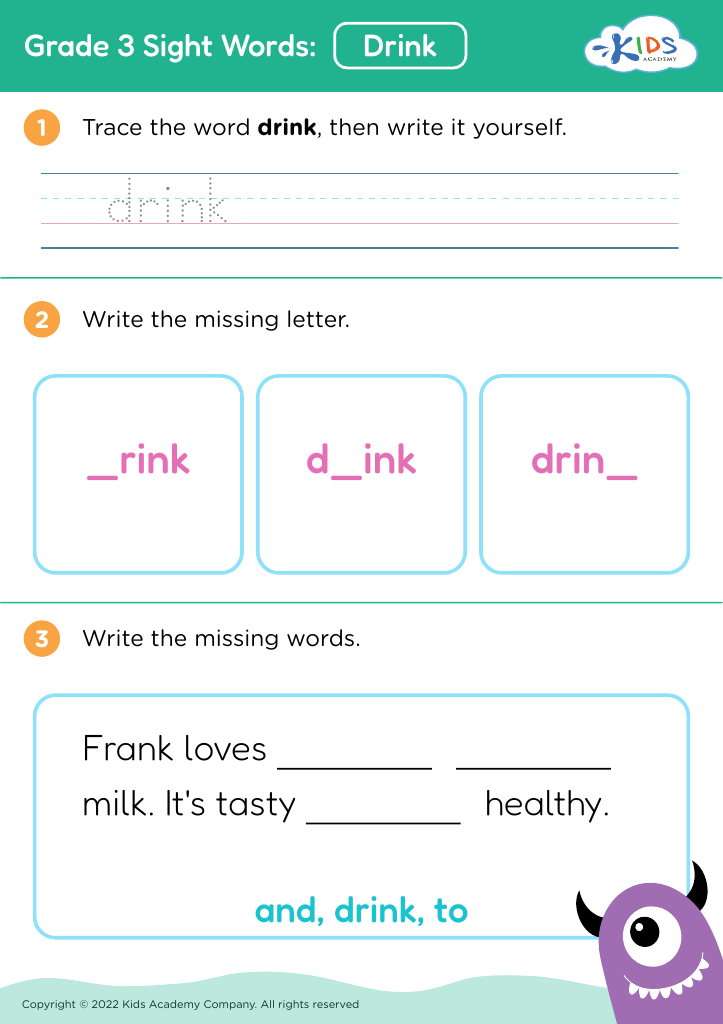
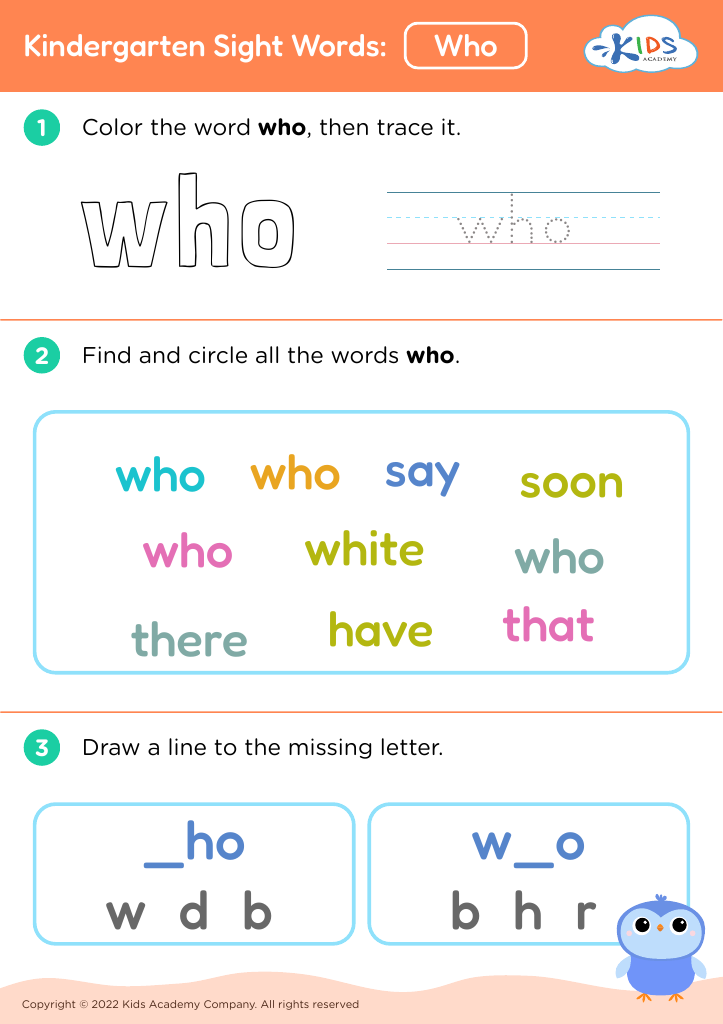






.jpg)

Developing vocabulary in children aged 6-8 is crucial for their overall academic success and personal growth. During these formative years, children's language skills are rapidly evolving, and a rich vocabulary helps them communicate effectively, express their thoughts, and engage in meaningful conversations. A strong vocabulary foundation is directly linked to stronger reading comprehension; as children better understand words, they'll find it easier to infer meanings and grasp complex concepts when reading.
Furthermore, vocabulary contributes to their academic performance across all subjects. Children with a broader vocabulary can articulate their thoughts clearly in writing, participate confidently in discussions, and absorb new information more readily. This skill not only encompasses learning in literacy but also enhances their abilities in subjects like science and social studies.
Parents and teachers play a vital role in guiding and fostering vocabulary development through interactive reading, storytelling, and engaging conversations. Providing varied experiences, such as trips to museums or cultural events, can also expose children to new words in context. Ultimately, nurturing a rich vocabulary opens doors for lifelong learning, effective communication, and self-expression, equipping children with essential skills they will leverage in their educational journeys and beyond.








