
Problem Solving Building Vocabulary Worksheets for Ages 6-8
3 filtered results
Difficulty Level
Grade
Age
-
From - To
Subject
Activity
Standards
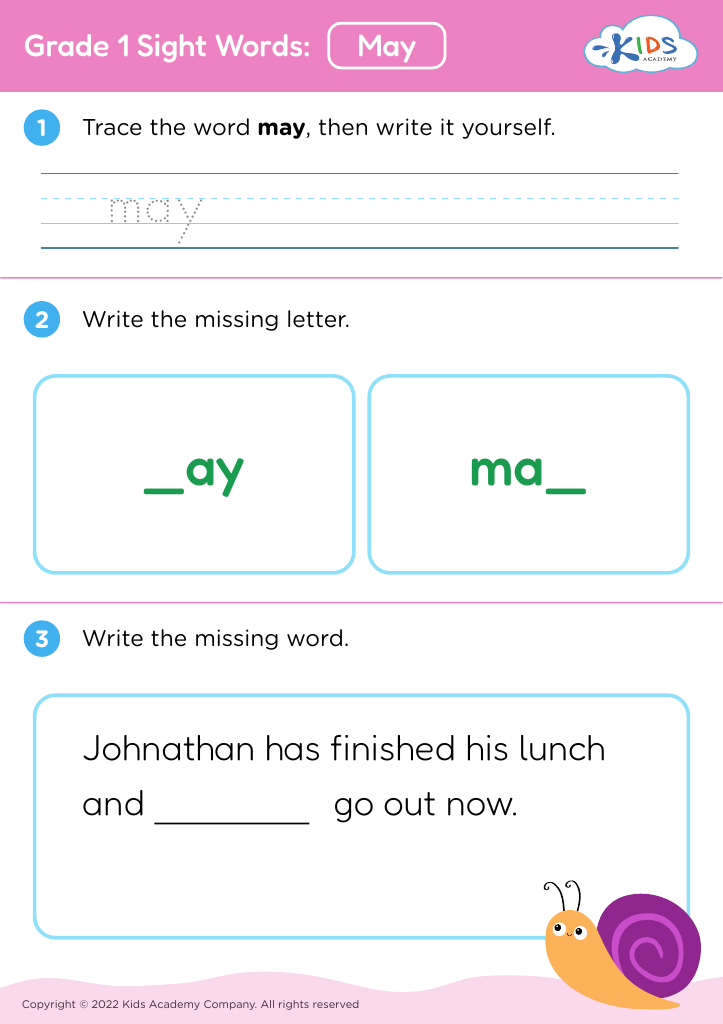
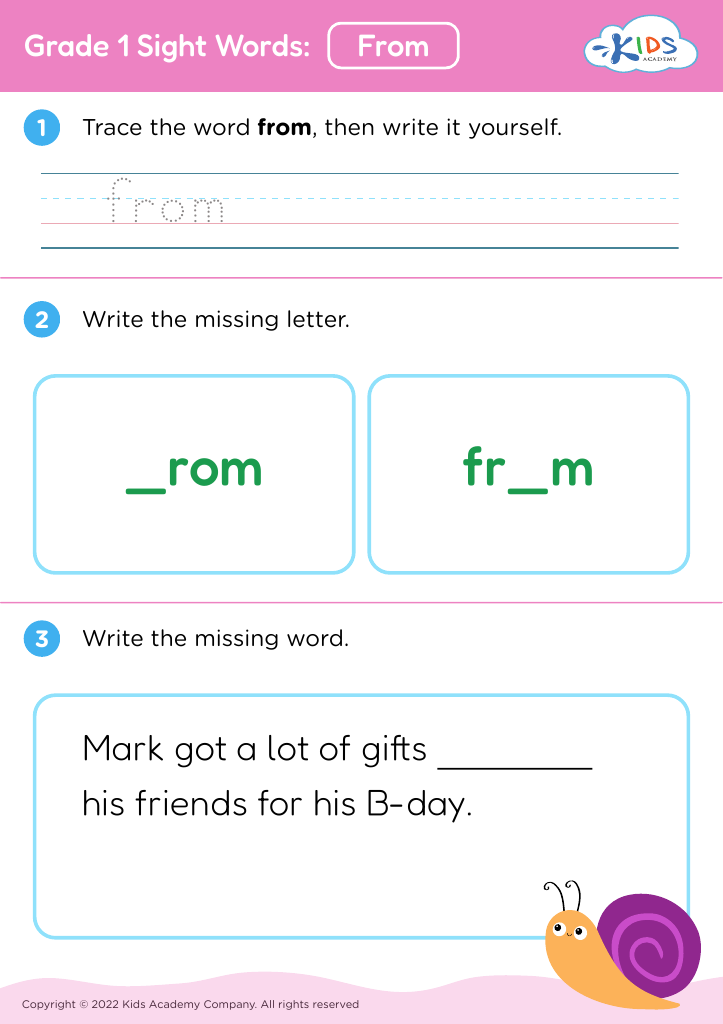
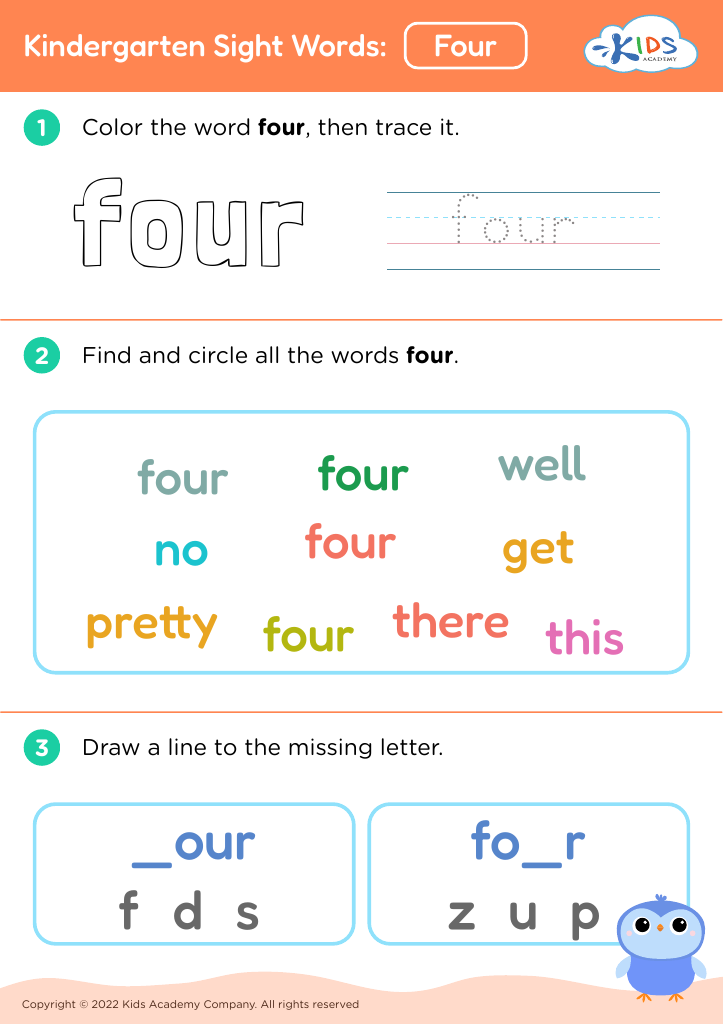
Enhance your child’s linguistic and analytical skills with our Problem Solving Building Vocabulary Worksheets for Ages 6-8. Designed to integrate vocabulary learning with problem-solving activities, these worksheets from Kids Academy help young learners develop critical thinking and language proficiency simultaneously. Engaging exercises encourage students to decipher word meanings in context, fostering comprehension and retention. Perfectly tailored for early grade students, these printables support classroom lessons or homeschooling programs, making learning both fun and effective. Empower your child to master new vocabulary while enhancing their cognitive abilities with this educational resource. Explore more and start building a strong foundation today!
Favorites
With answer key
Interactive











Join Kids Academy for Free
Who is primarily going to use this learning content?




.jpg)
.jpg)


When children are between the ages of 6-8, they are at a crucial developmental stage where language and cognitive skills are rapidly expanding. Introducing problem-solving vocabulary during these early years is essential as it equips children with the tools they need to articulate and navigate challenges effectively. When parents and teachers focus on building this specific vocabulary, they enable children to identify problems, ask thoughtful questions, and express potential solutions clearly.
Problem-solving terminology like "predict," "analyze," "consequence," "solution," and "evaluate," helps children understand and process complex ideas. This comprehension fosters critical thinking and cognitive flexibility. For instance, by understanding the word "predict," a child can better engage with scientific exploration, while "solution" can make mathematics and everyday interactions more comprehensible.
Moreover, having a robust problem-solving vocabulary boosts a child's self-confidence and social skills. When children can effectively communicate their thoughts and ideas, they are more likely to participate in classroom discussions and collaborate with peers. It also helps them navigate social conflicts calmly and constructively.
Therefore, focusing on expanding problem-solving vocabulary is not merely about academic success; it fundamentally shapes cognitive development and helps children grow into effective communicators and thoughtful, proactive individuals. The combined effort from both parents and teachers can make a significant difference in a child’s overall growth and future success.








