Problem-Solving Skills Building Vocabulary Worksheets for Ages 6-8 - Page 2
33 filtered results
-
From - To
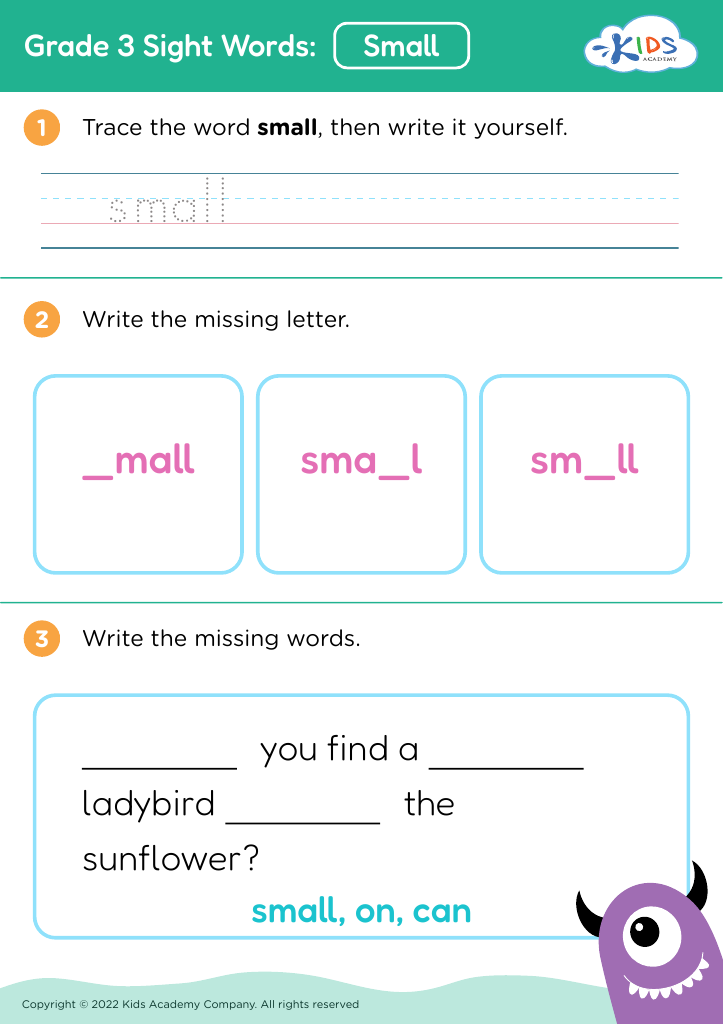











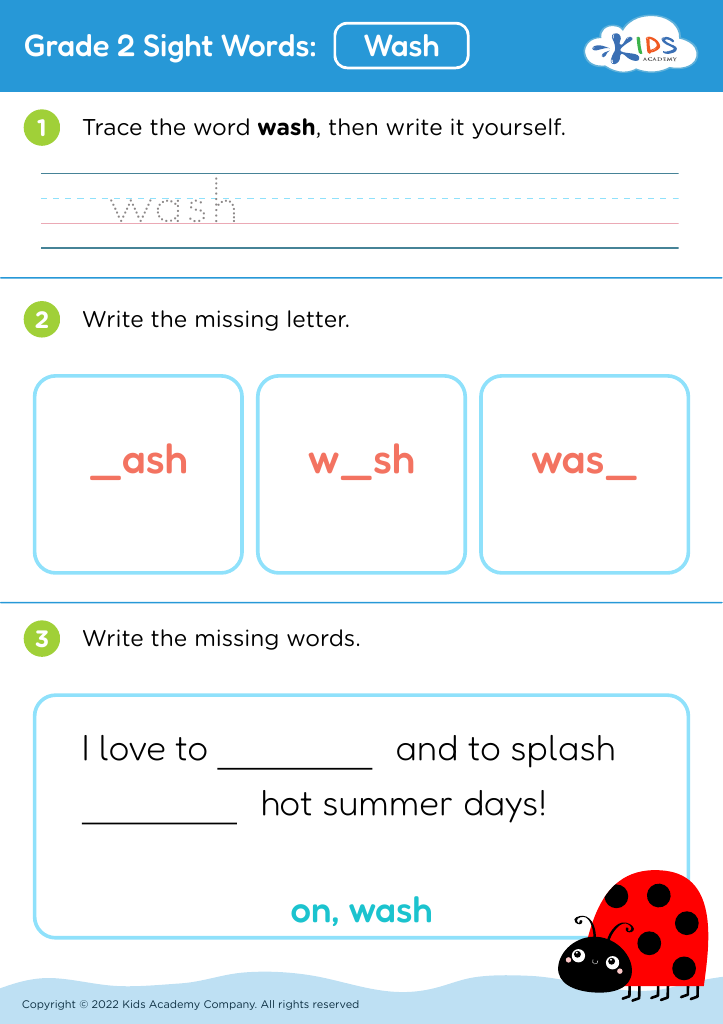
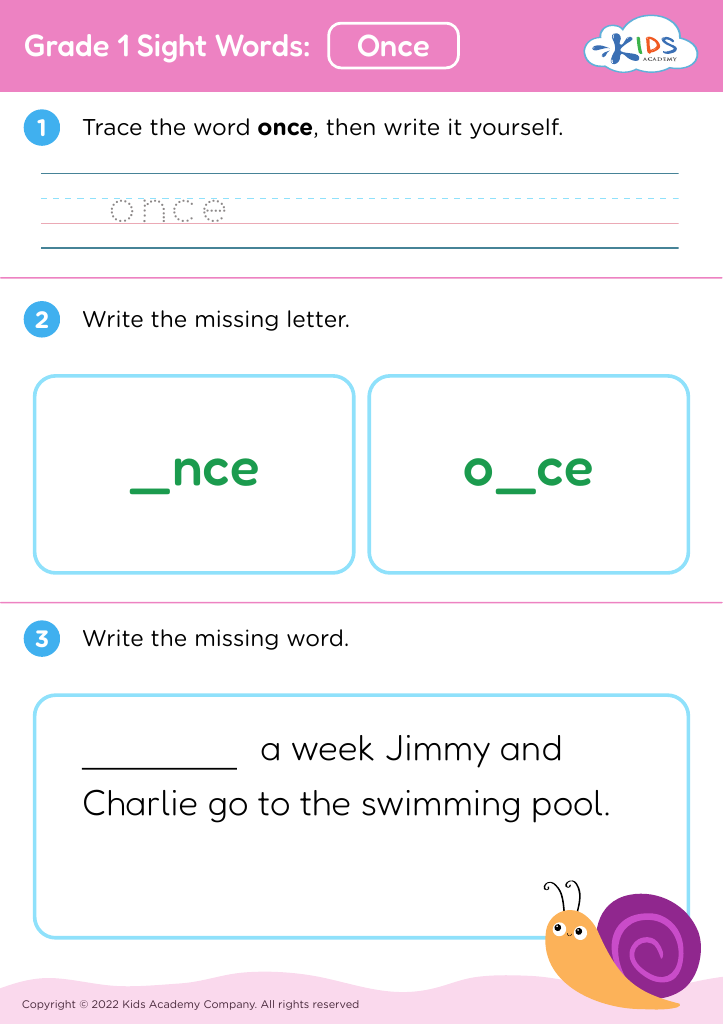
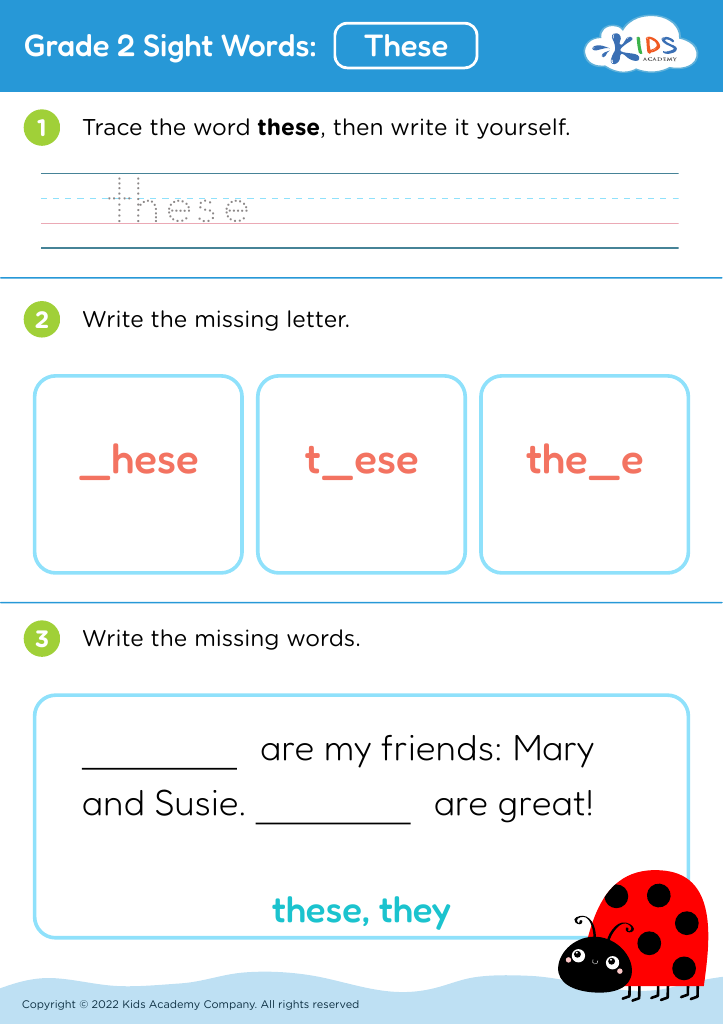
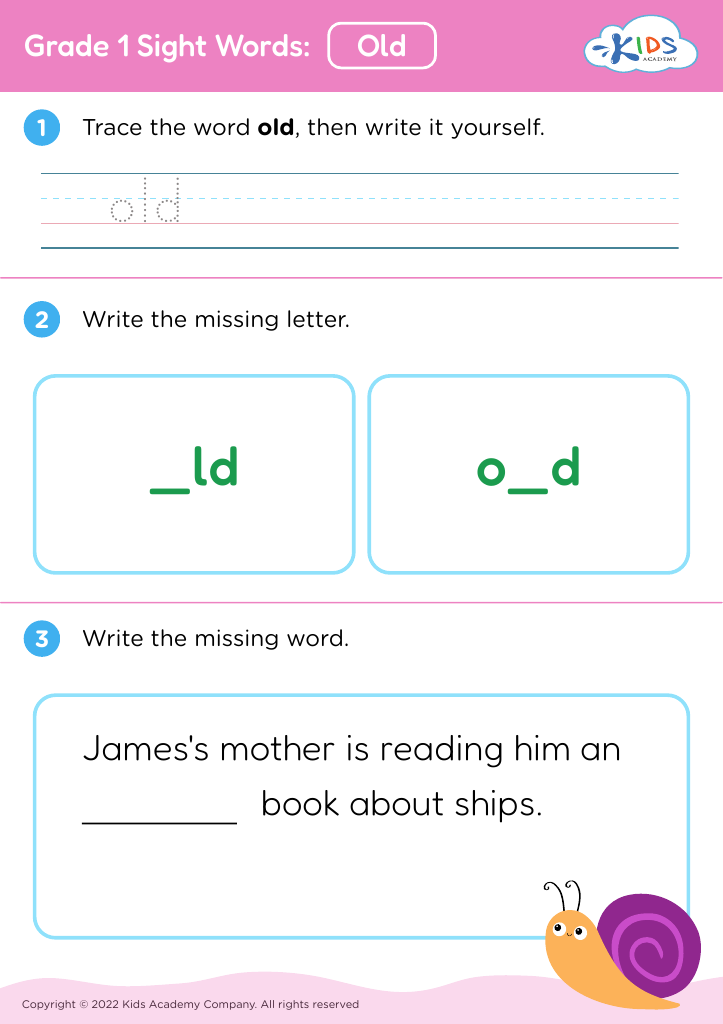
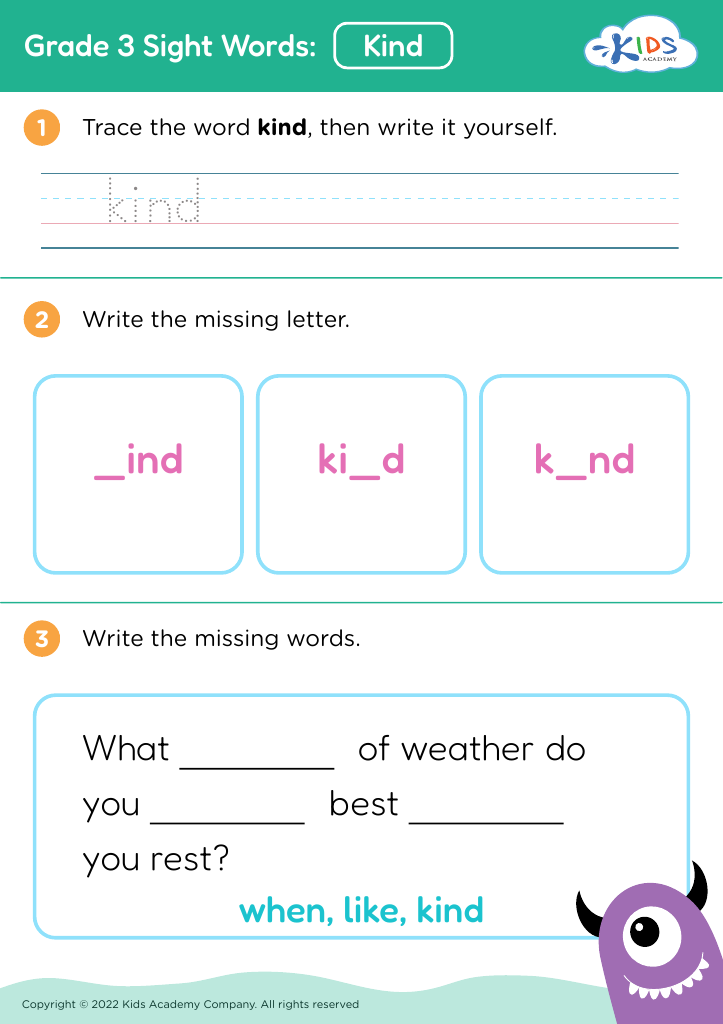
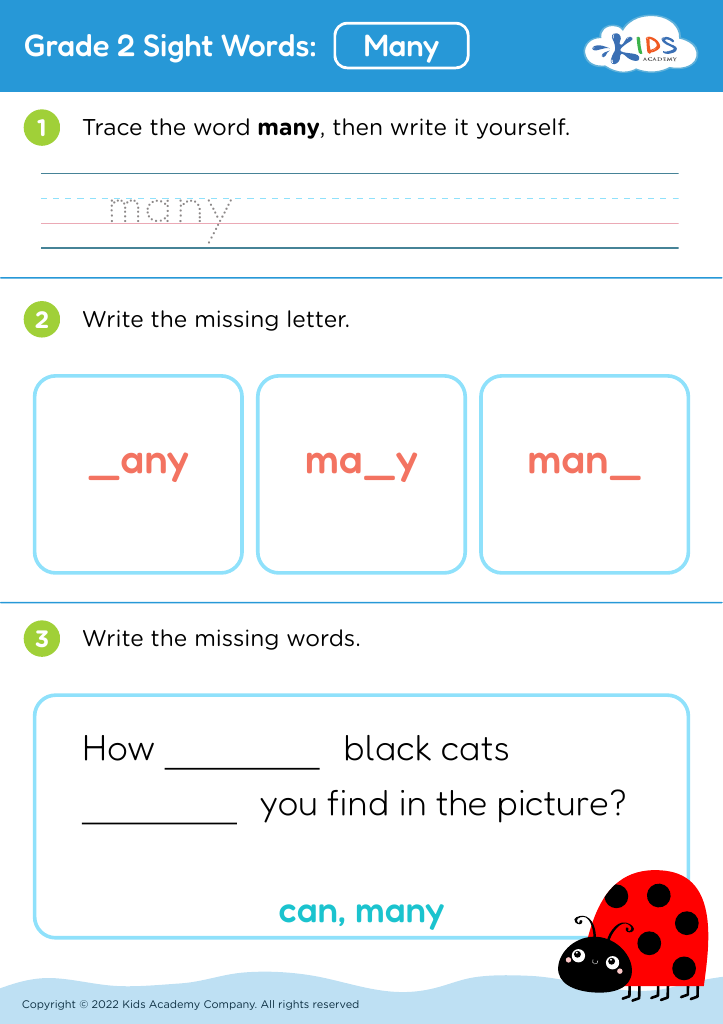
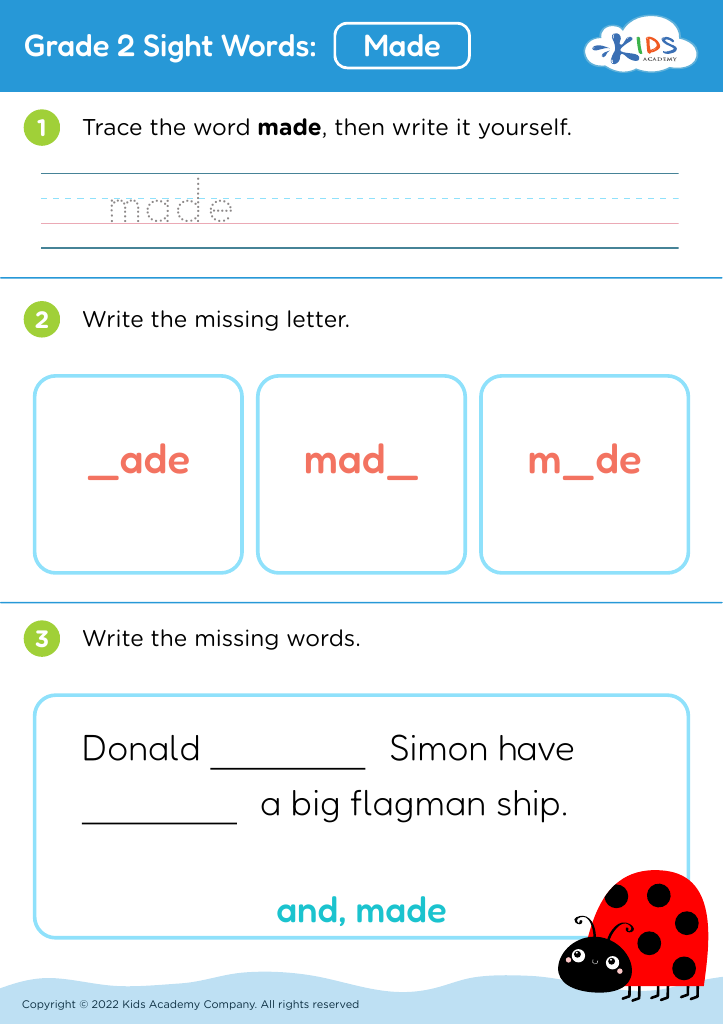
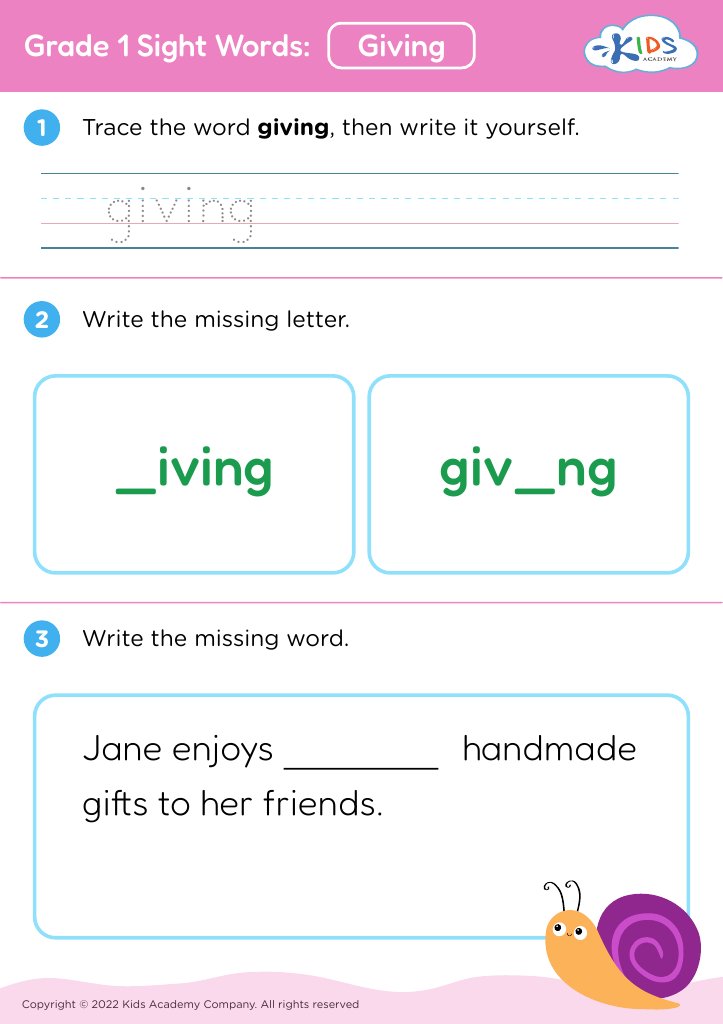








Parents and teachers should prioritize building problem-solving skills and vocabulary for children aged 6-8, as these foundational skills are essential for lifelong learning and development. During these early years, children begin to develop critical thinking abilities, and effective communication is vital for expressing their ideas, questions, and emotions.
Problem-solving skills empower children to tackle challenges independently, fostering confidence and resilience. By nurturing these skills, children learn to think creatively and approach problems methodically. This not only supports their academic growth but also equips them with essential life skills for future encounters.
Moreover, a strong vocabulary enhances comprehension and expression, enabling children to articulate their thoughts clearly. When children can express themselves well, they are more likely to engage in meaningful conversations and collaborate effectively with peers. Reading and discussing diverse topics expands their understanding of the world, enriching their learning experiences.
By focusing on these areas, parents and teachers can help children cultivate a growth mindset, setting the stage for academic success and interpersonal relationships. Ultimately, fostering problem-solving skills and vocabulary in young learners is an investment in their ability to navigate challenges and thrive in an increasingly complex world.








