Reading practice Building Vocabulary Worksheets for Ages 6-8
3 filtered results
-
From - To
Enhance your child's reading skills with our engaging "Reading Practice: Building Vocabulary Worksheets" designed specifically for ages 6-8. These interactive worksheets facilitate vocabulary development through fun and educational activities that make learning enjoyable. Each worksheet focuses on crucial reading concepts and comprehension strategies, aiming to expand your child's word bank and improve overall literacy. Perfect for home or classroom use, our resources promote independent learning and encourage a love for reading. Foster your child's curiosity and mastery of language with our high-quality materials. Start your journey towards confident reading and enriched vocabulary today! Explore our worksheets to unlock your child's full potential.
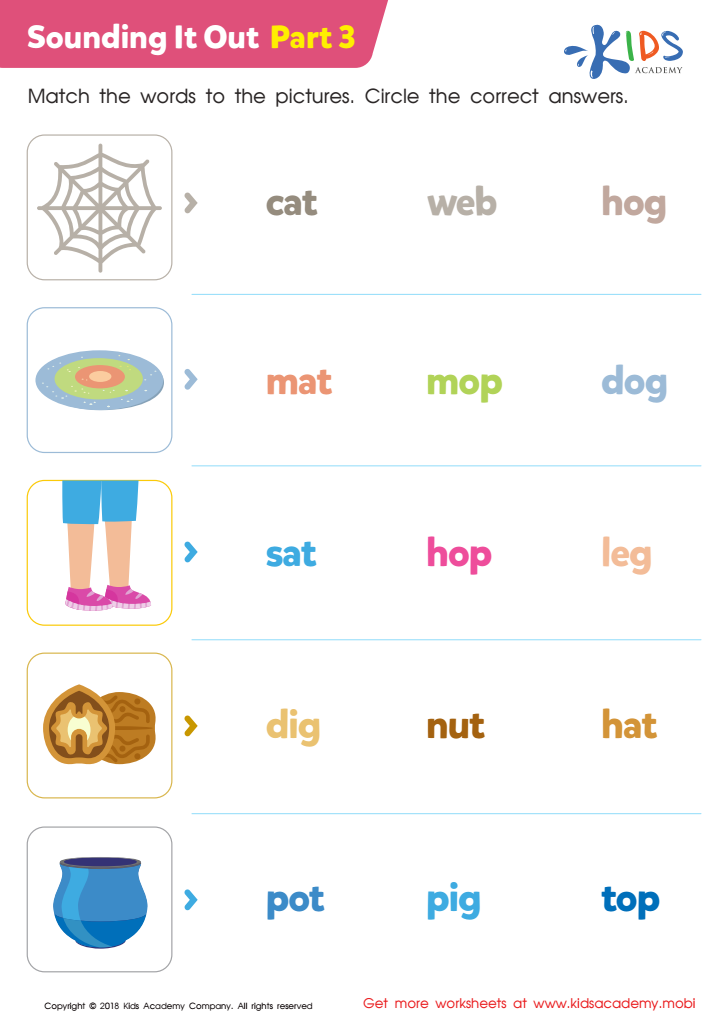
Sounding it Out: Part 3 Worksheet











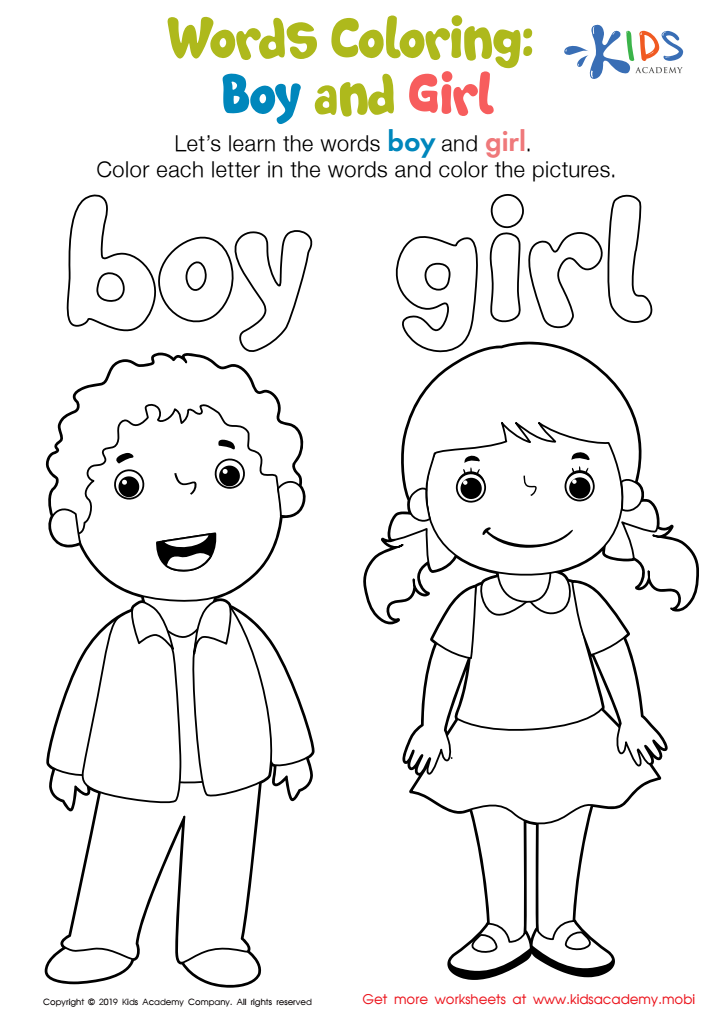
Boy and Girl Words Coloring Worksheet
 Assign to My Students
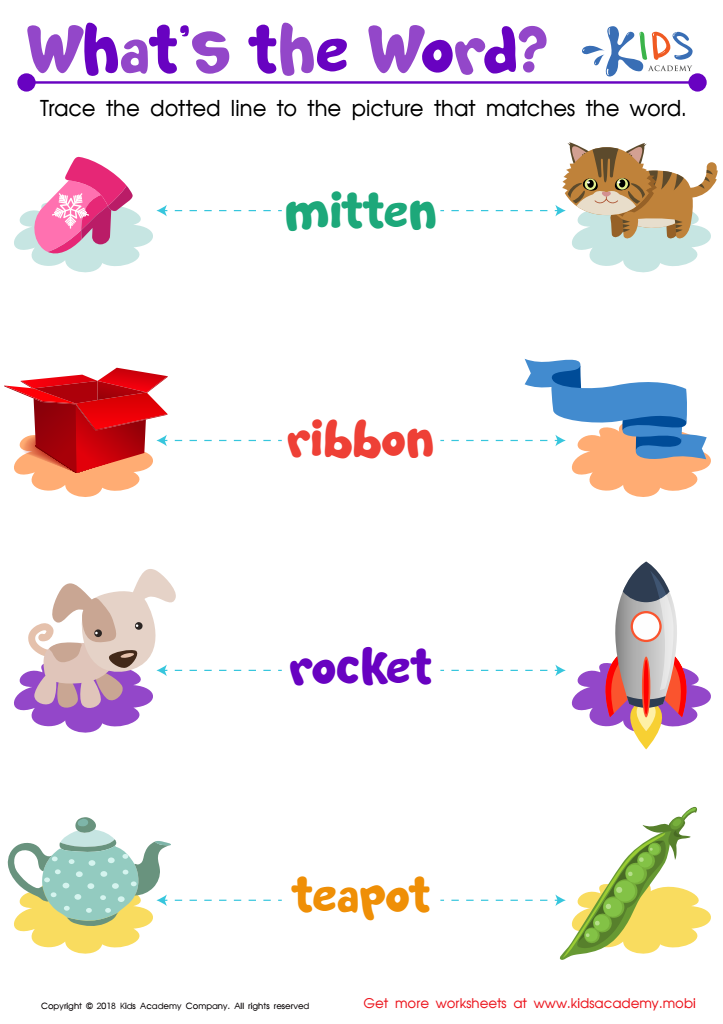
Reading: What's Word Worksheet



.jpg)




Parents and teachers should prioritize reading practice and vocabulary building for children aged 6-8 because these skills are foundational for overall academic success and lifelong learning. At this age, children begin to encounter more complex texts and ideas, and a robust vocabulary enhances their comprehension skills. When children engage in regular reading practice, they develop better fluency, which promotes enjoyment and confidence in reading.
Building vocabulary is crucial, as it enables children to express themselves more clearly and understand detailed information better. A rich vocabulary not only aids comprehension in reading but also enhances writing and verbal communication skills. When children learn new words, they gain the tools needed to interpret their environment and connect new ideas to their existing knowledge.
Furthermore, reading exposes children to diverse perspectives, cultures, and experiences, fostering empathy and critical thinking. Engaging in discussions about texts can enhance analytical skills and encourage creative thinking. By investing time in reading practice and vocabulary development, parents and teachers play an essential role in shaping children’s intellectual growth, emotional development, and future academic success. Overall, fostering a love for reading and language at this formative age builds a strong foundation for children’s educational journeys.








