Understanding context Reading Fiction Worksheets for Ages 6-8
5 filtered results
-
From - To
Unlock the world of stories with our "Understanding Context Reading Fiction Worksheets" designed for ages 6-8. These engaging activities help young readers grasp the deeper meaning of texts by exploring setting, characters, and plot development. Through a variety of exercises, children will learn to infer meaning, predict outcomes, and connect events within a story. Perfect for both classroom and home use, these worksheets enhance critical thinking and comprehension skills, making reading an exciting adventure. Build a solid foundation for your child's reading journey with our meticulously crafted worksheets, promoting a love for literature from an early age.
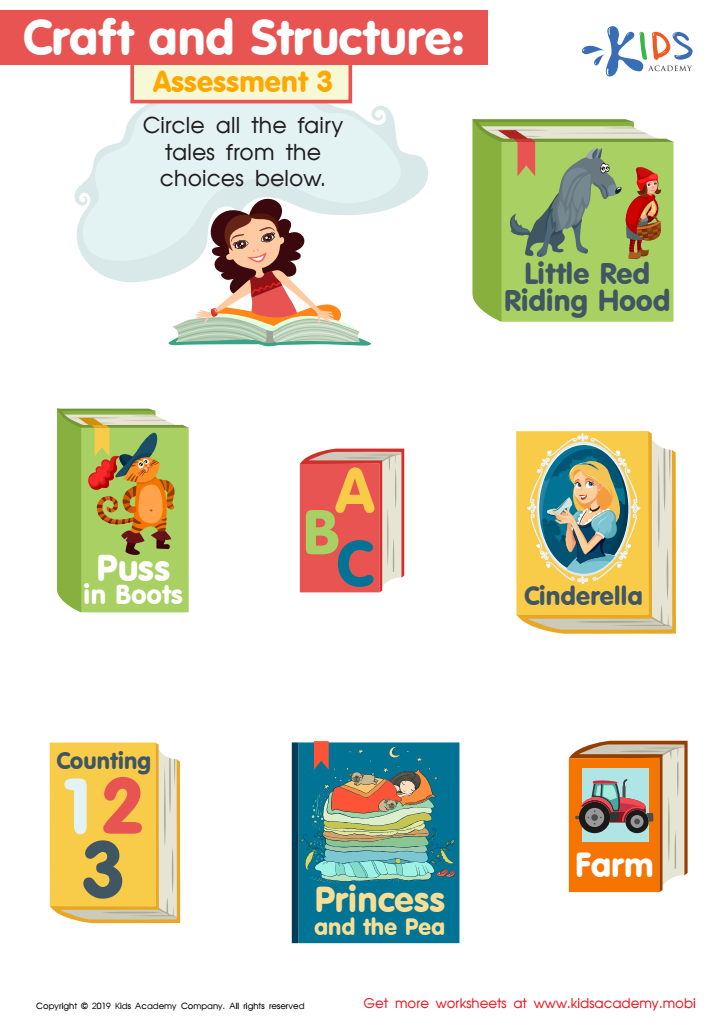
Craft and Structure: Assessment 3 Worksheet
 Assign to My Students
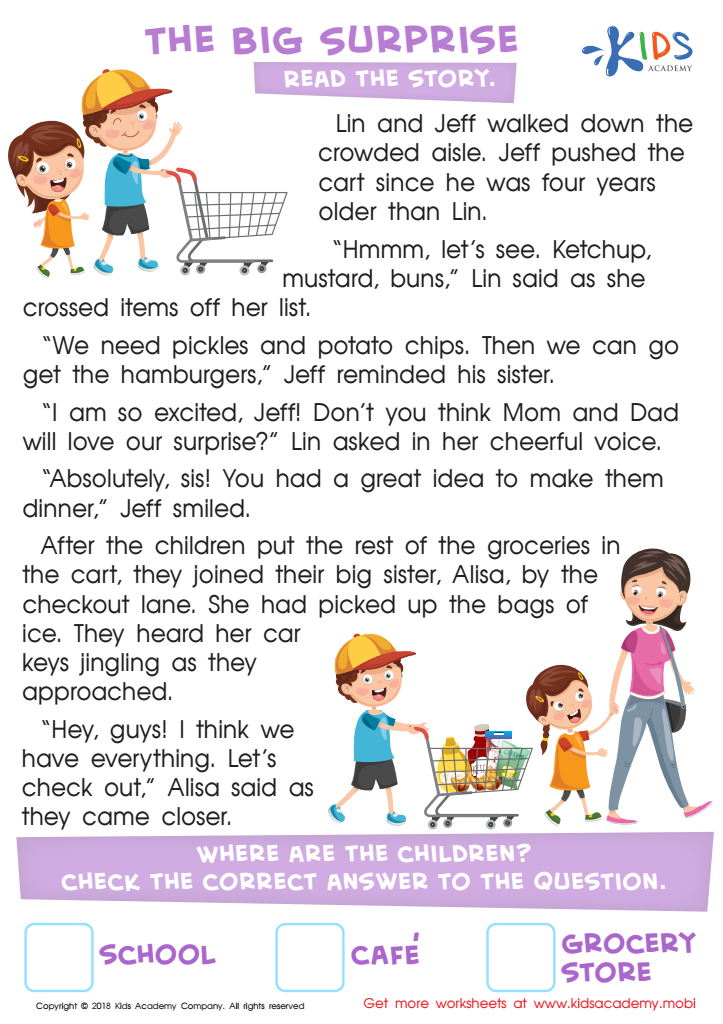
The Big Surprise Worksheet
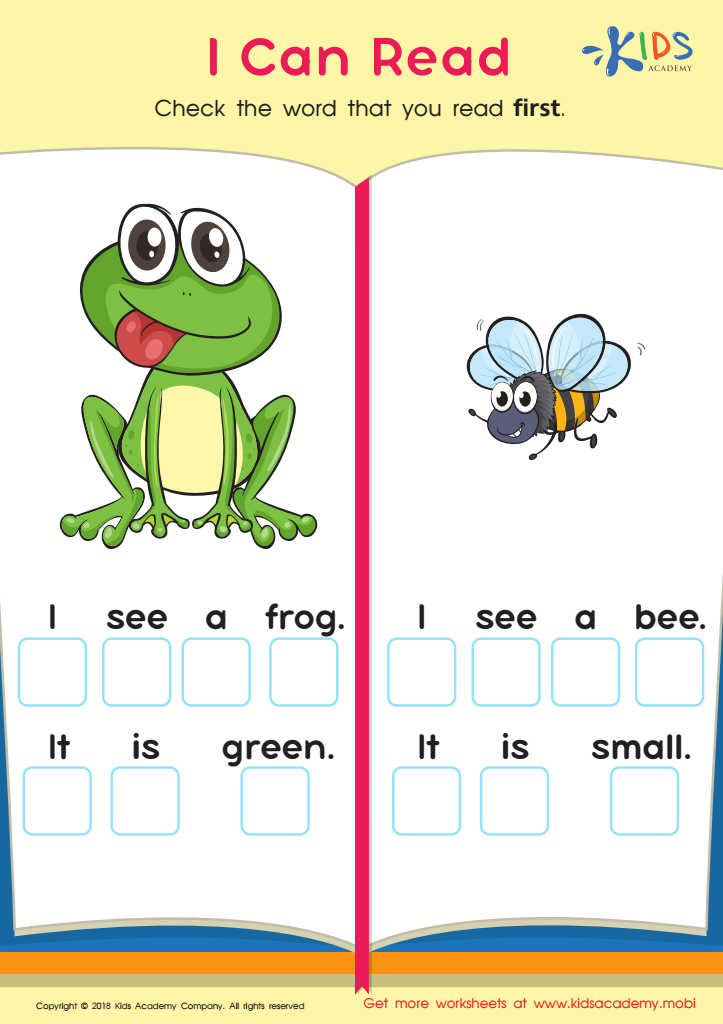
I Can Read Worksheet
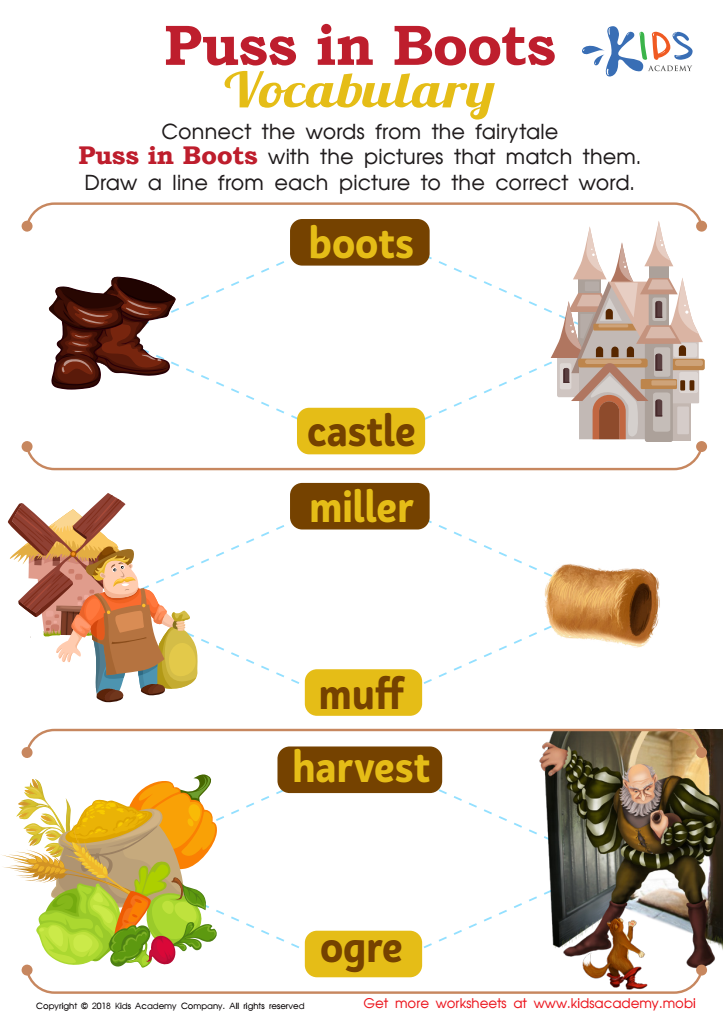
Puss in Boots Vocabulary Worksheet
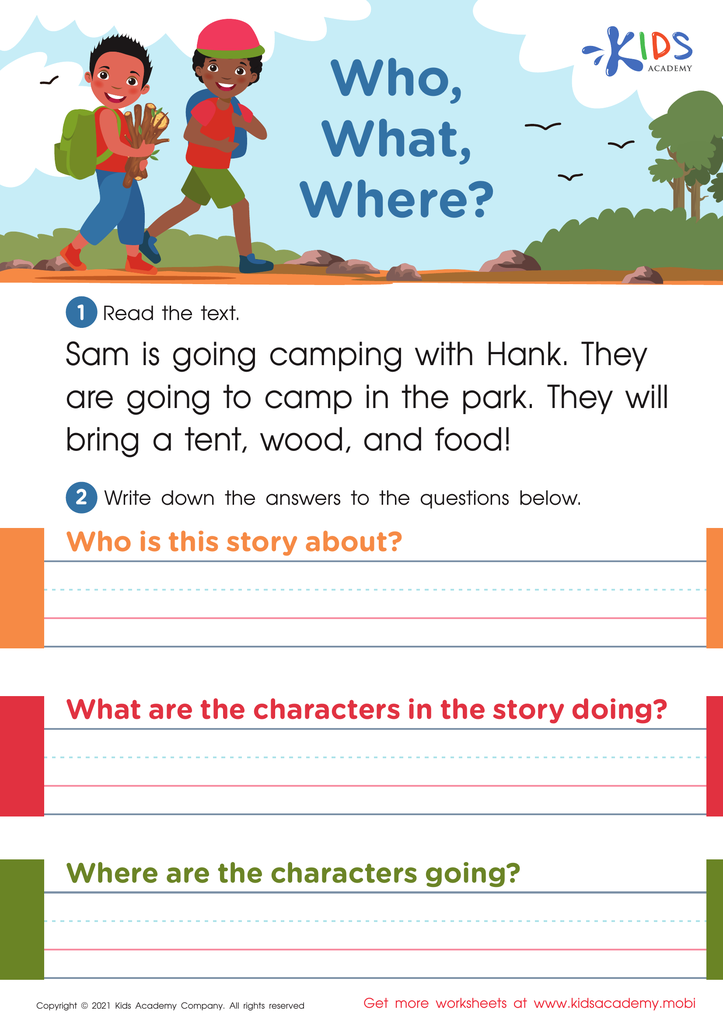
Who, What, Where? Worksheet




.jpg)
.jpg)

Understanding context while reading fiction is crucial for children aged 6-8 as it significantly supports their overall development. Comprehending the context helps children grasp the setting, characters, and events in a story more deeply, enriching their reading experience. By deciphering the environment where the story takes place and the motivations behind characters' actions, children develop critical thinking and enhance their empathy.
When children understand the context, they can make connections between the text and their own experiences or the world around them. This ability to relate increases engagement and fosters a lifelong love for reading. For parents and teachers, encouraging children to understand context aids in nurturing imagination and problem-solving skills, which are vital for academic success and personal growth.
Moreover, understanding context helps children improve their vocabulary and language skills. Encountering new words in a well-defined context allows them to infer meanings effectively, expanding their linguistic abilities. It also strengthens comprehension skills — children are better able to follow plotlines and remember details, which contributes to better performance in literacy.
In essence, by valuing and teaching the importance of context in reading fiction, parents and teachers can significantly enhance a child's cognitive abilities, emotional intelligence, and enthusiasm for learning.








