Contextual understanding Grammar Worksheets for Ages 6-8
6 filtered results
-
From - To
Explore our engaging "Contextual Understanding Grammar Worksheets" for children aged 6-8! Designed to enhance young learners' grammar skills, these worksheets focus on contextual clues that help students comprehend sentence structure and meaning. By providing real-life examples and interactive activities, our resources encourage kids to apply what they've learned effectively. Each worksheet is tailored to build vocabulary, improve reading comprehension, and foster critical thinking. Perfect for classroom use or at-home learning, these worksheets make grammar fun and accessible. Start empowering your child's writing journey today with our thoughtfully crafted materials, ensuring they gain mastery in grammar through meaningful context!
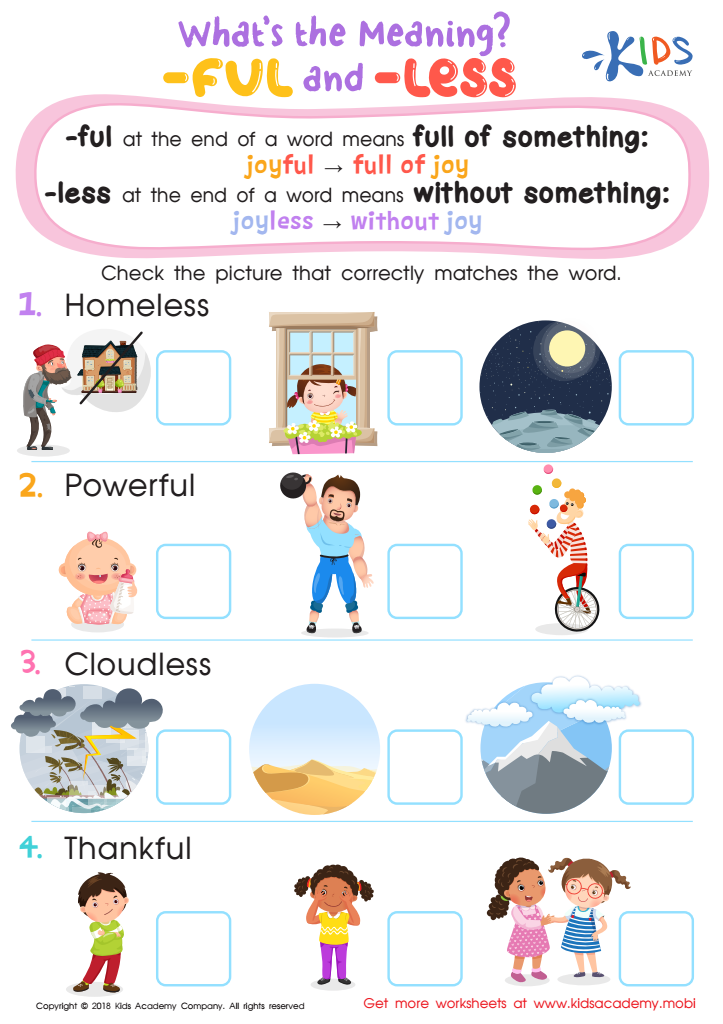
What's the Meaning? Worksheet
 Assign to My Students
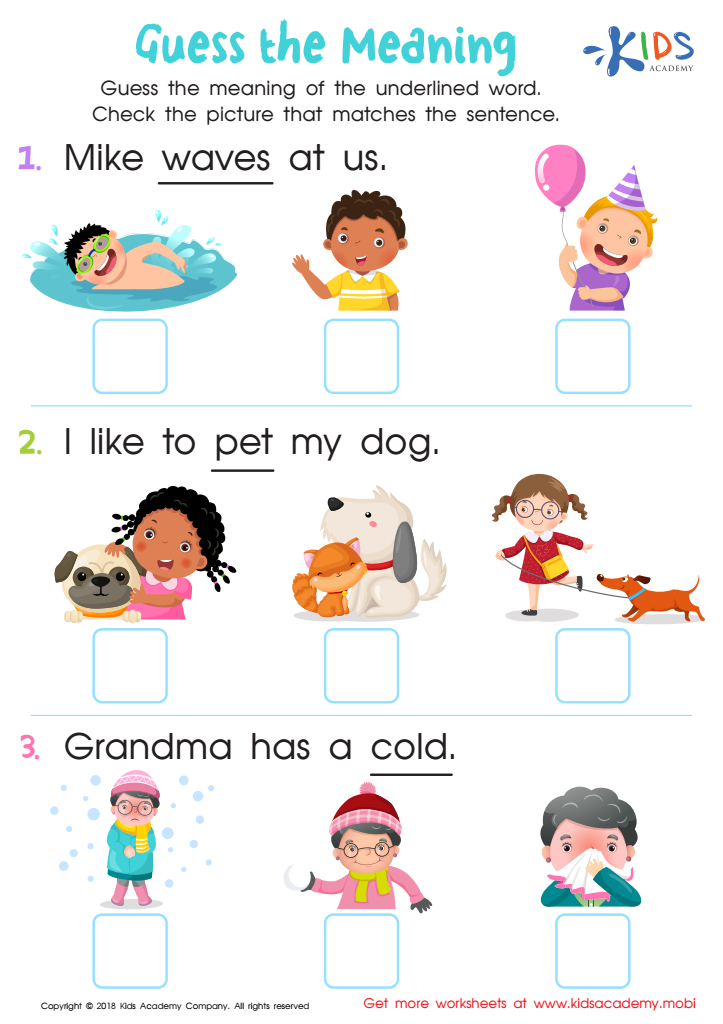
Guess the Meaning Worksheet
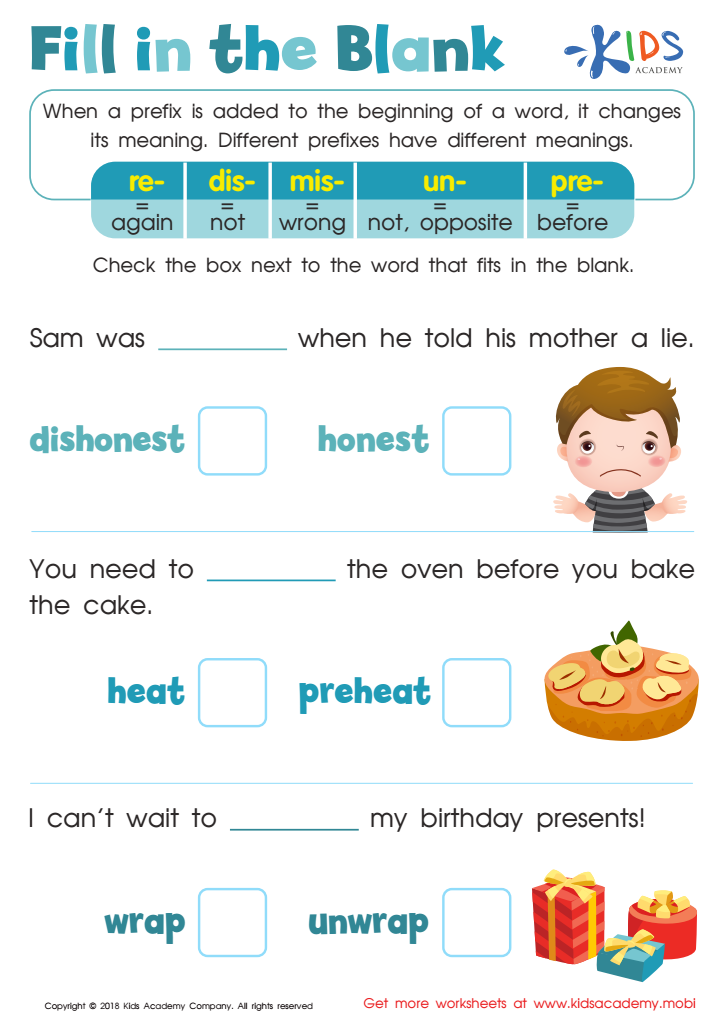
Reading: Fill in the Blank Worksheet
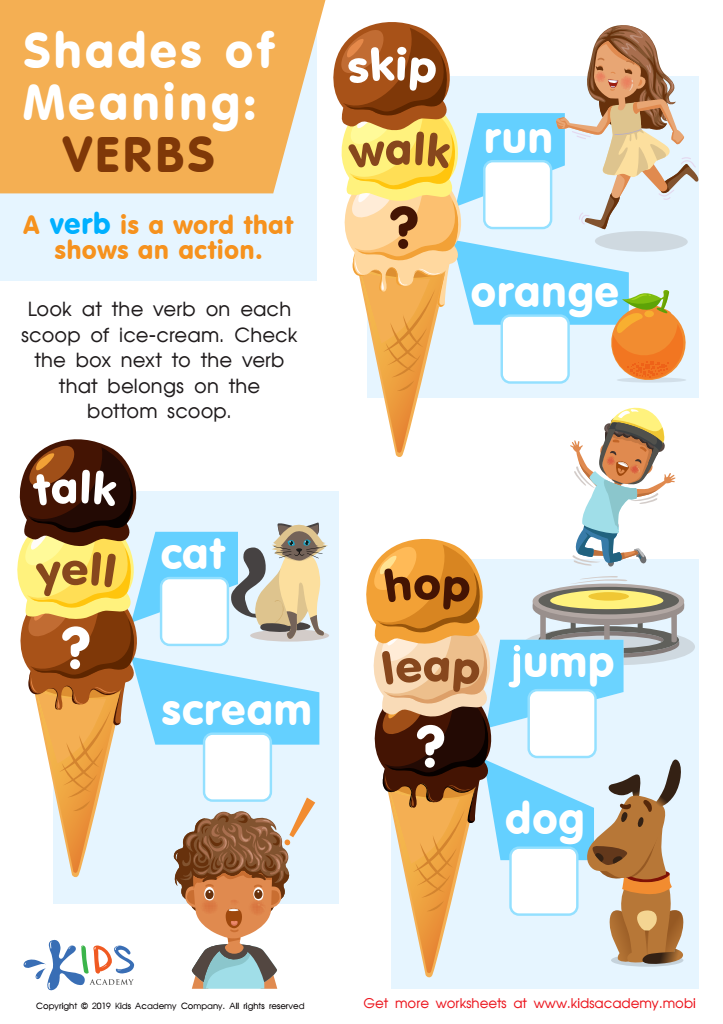
Shades of Meaning: Verbs Worksheet
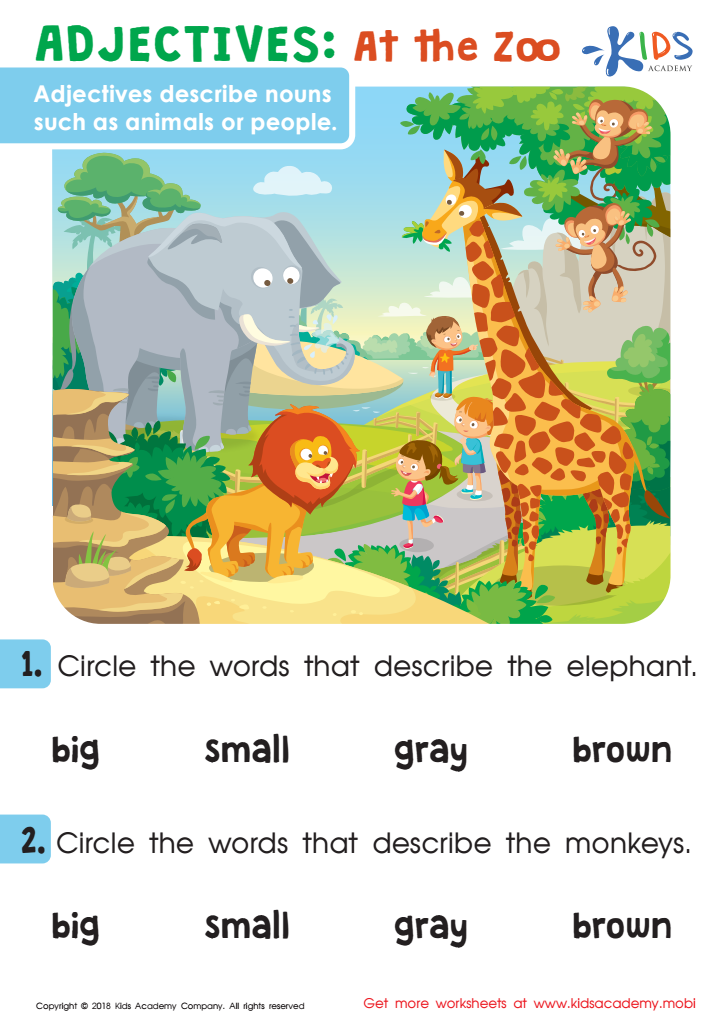
Adjectives: At The Zoo Worksheet
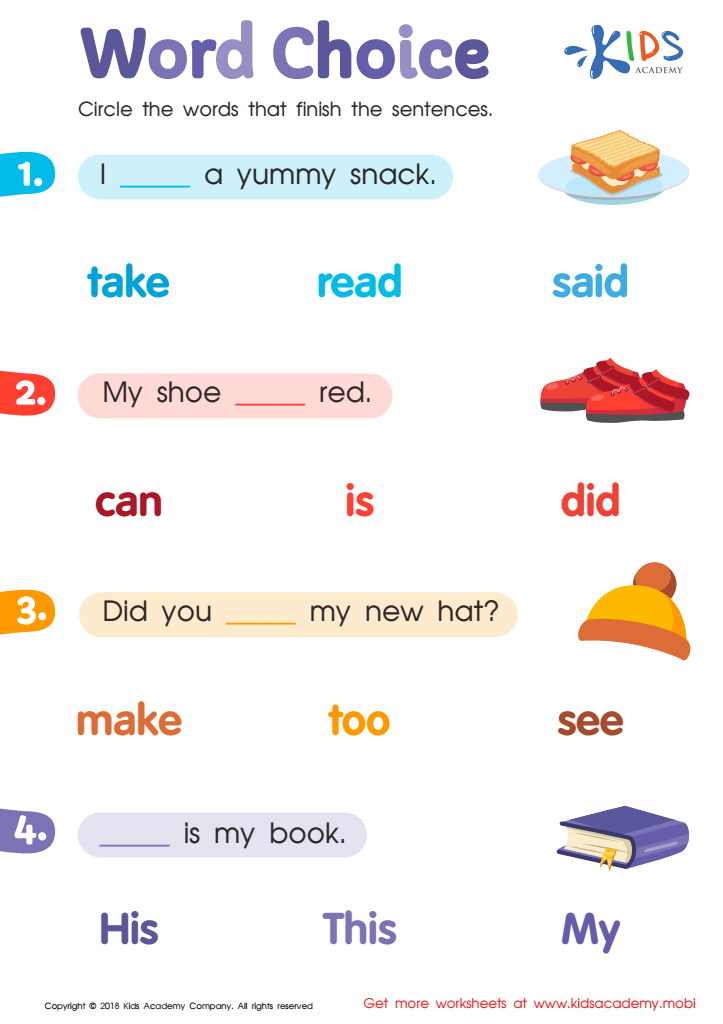
Word Choice Worksheet



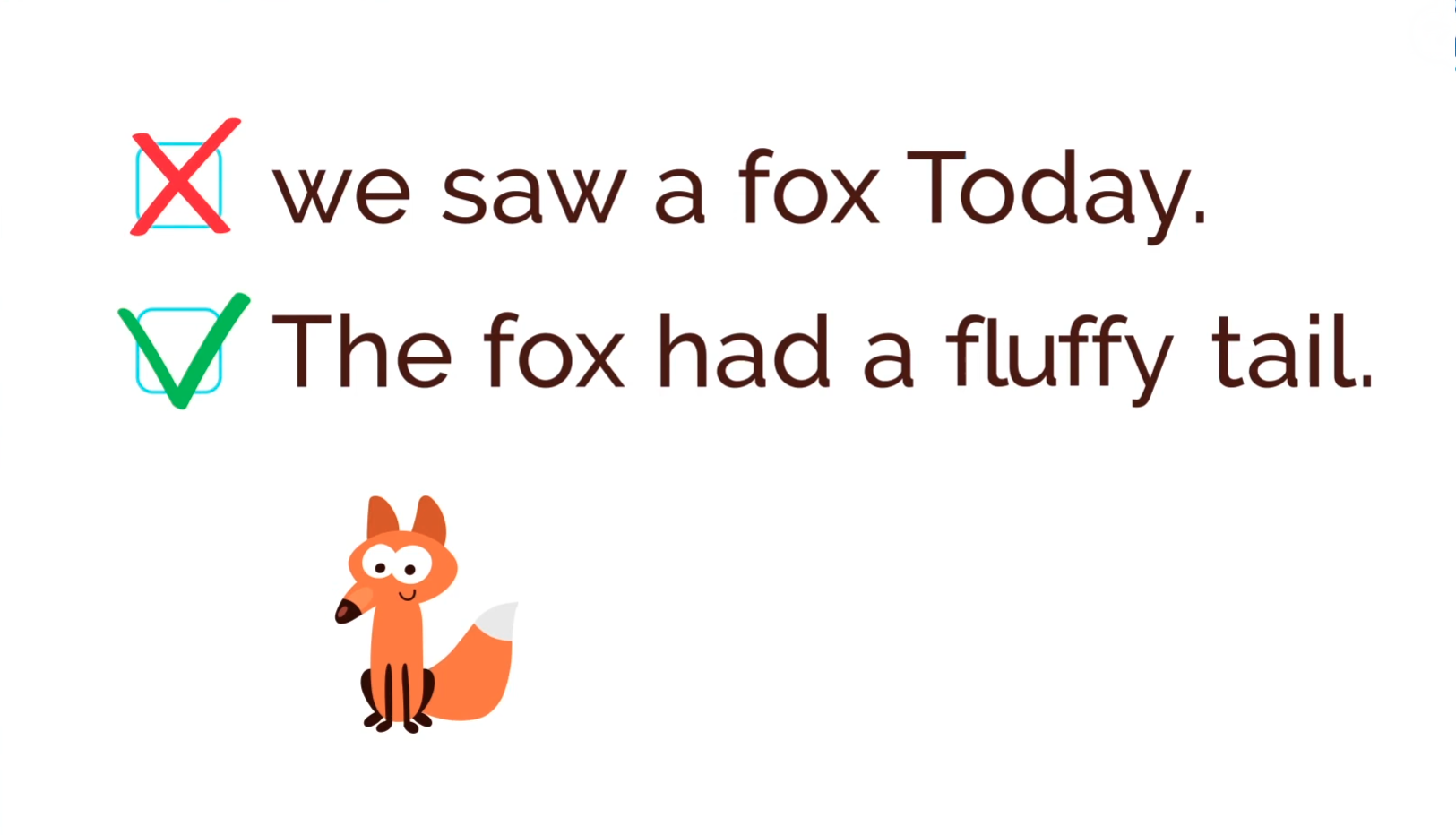
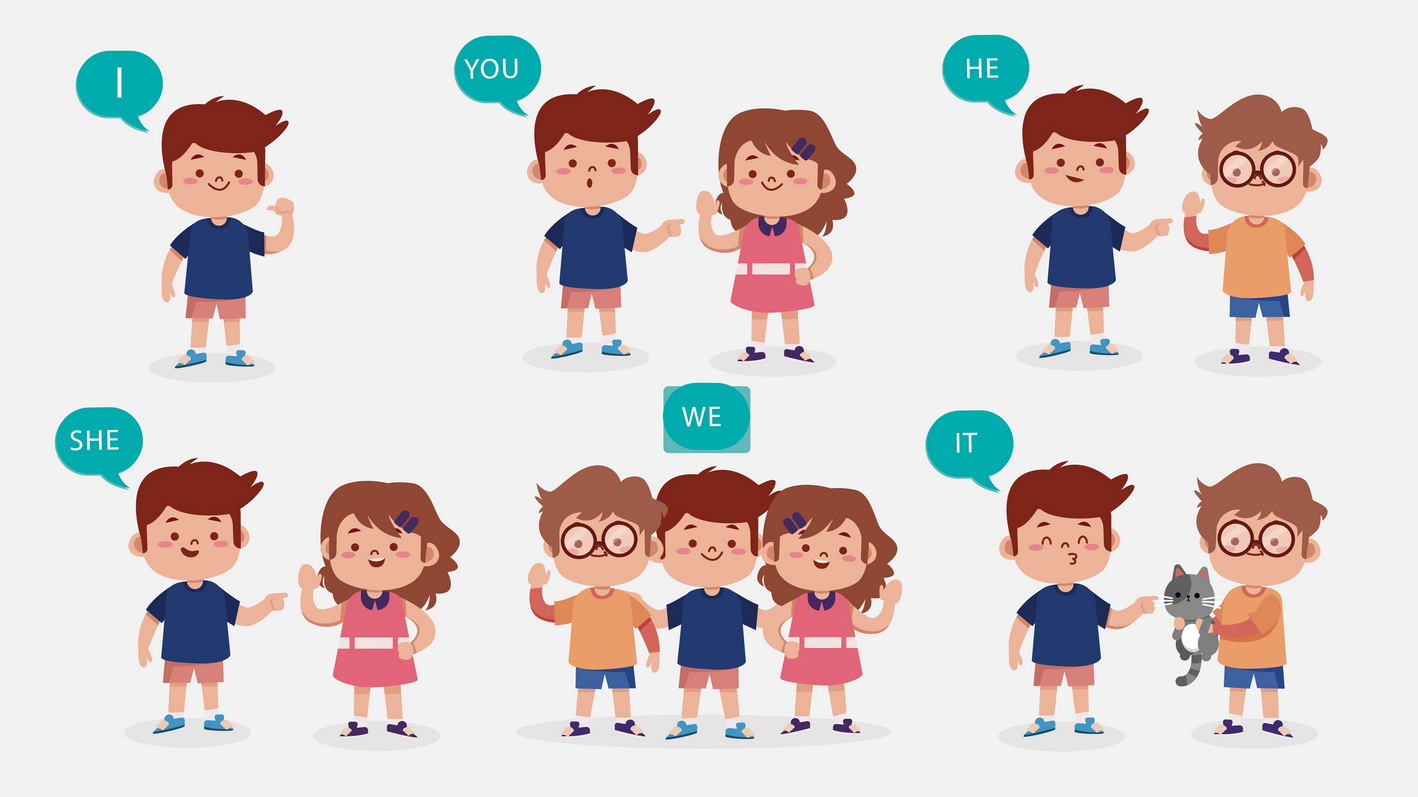

Understanding contextual grammar is crucial for children aged 6-8, as it lays the foundation for effective communication and comprehension. At this developmental stage, children are beginning to grasp the rules of language, but it's the context in which those rules are applied that truly enhances their learning.
When parents and teachers emphasize contextual understanding, they help children see that grammar isn't just about memorizing rules; it’s about using language to express ideas clearly and appropriately in different situations. For instance, understanding the difference between formal and informal language, or recognizing how tone and word choice can alter meaning, fosters more effective social interactions and builds empathy.
Additionally, contextual grammar aids reading comprehension, enabling children to interpret texts more critically. When they recognize how context shapes meaning, they become deeper thinkers and better writers, as they learn to adapt their language for various audiences and purposes.
In a world filled with diverse communication forms—like texts, emails, conversations, and storytelling—children equipped with a strong grasp of contextual grammar will navigate these styles with confidence. Thus, promoting contextual grammar in early childhood not only enhances immediate communication skills but also prepares children for lifelong learning and social interaction.








