Logical thinking Grammar Worksheets for Ages 6-8
3 filtered results
-
From - To
Discover our engaging Logical Thinking Grammar Worksheets designed specifically for children aged 6-8! These worksheets combine the fun of learning grammar with the development of critical thinking skills. Each activity encourages young learners to analyze language structures, identify patterns, and solve puzzles, making grammar relatable and enjoyable. Our resources foster creativity and enhance logical reasoning through interactive exercises that align with educational standards. Perfect for classroom use or at-home practice, these worksheets provide a fantastic opportunity for children to build a strong foundation in grammar while enhancing their cognitive abilities. Enhance your child’s learning journey today!
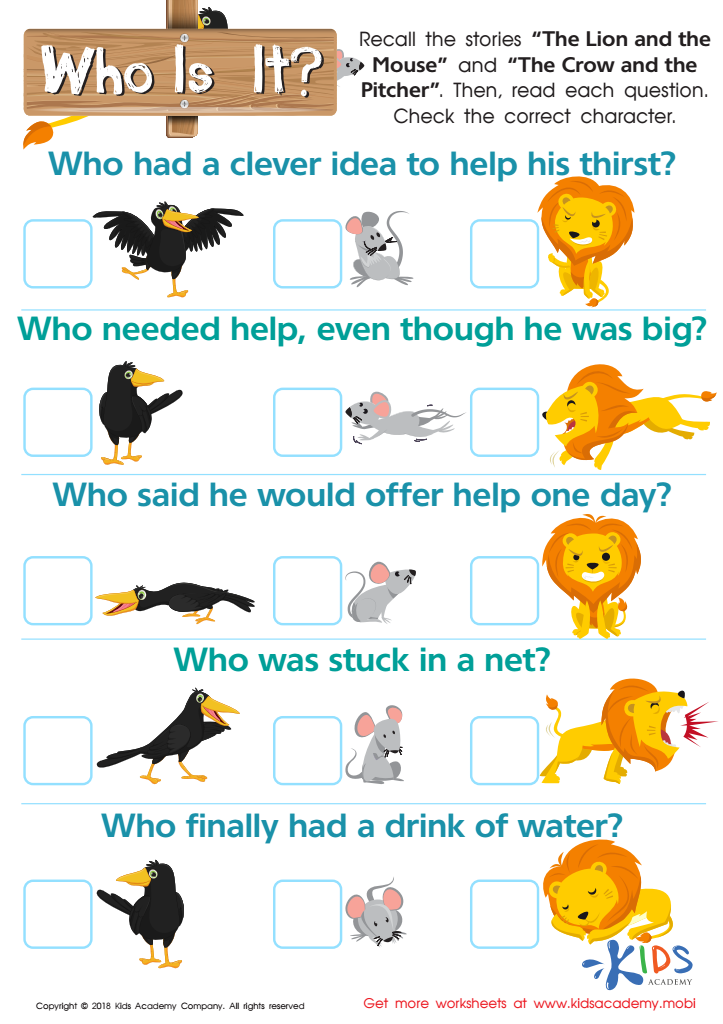
Who Is It? Worksheet
 Assign to My Students

Spider Verbs Worksheet
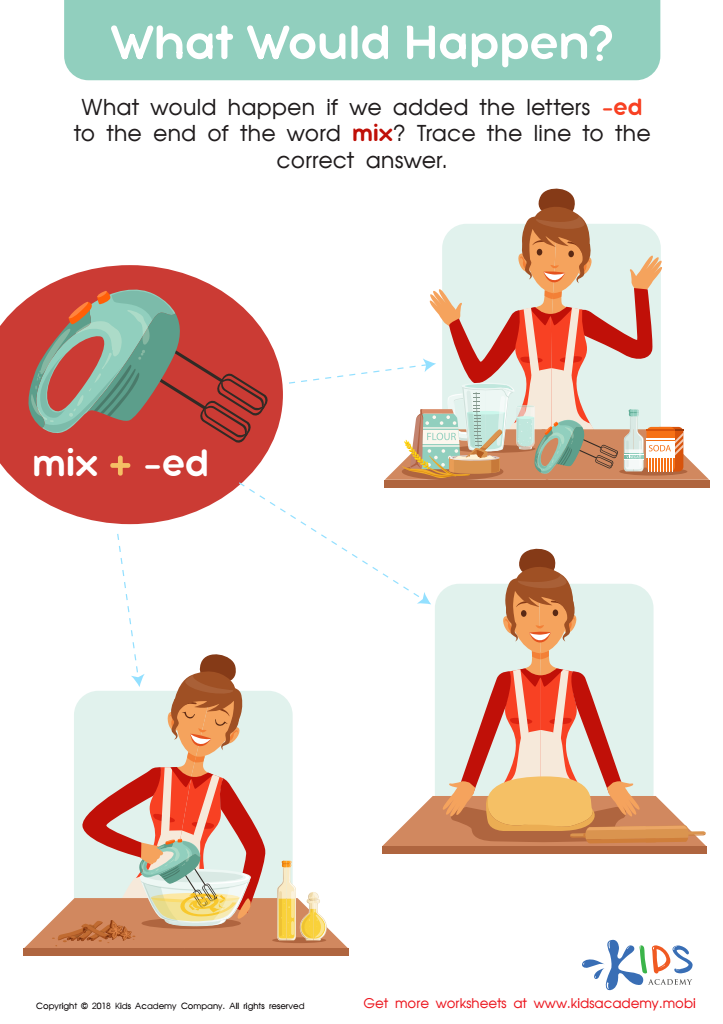
What Would Happen? Worksheet



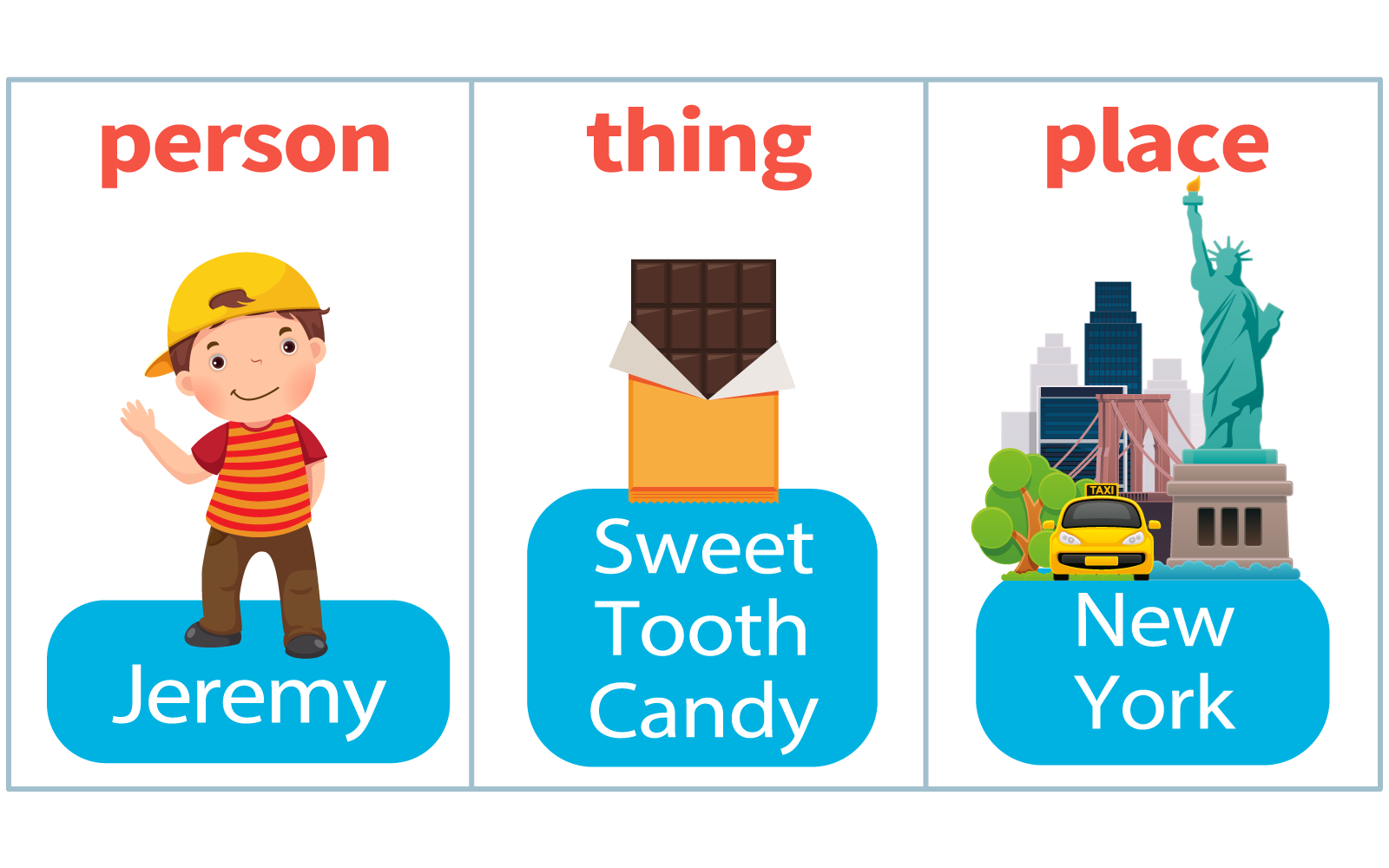




Logical thinking grammar for ages 6-8 is crucial for developing foundational communication skills and cognitive abilities in young learners. At this stage, children begin to build sentences and express their thoughts coherently. By integrating logical thinking into grammar lessons, children learn to organize their ideas systematically and reason through their statements, which enhances both their writing and speaking skills.
Parents and teachers should care about this aspect of language development since strong logical thinking fosters creativity and problem-solving skills. As children construct sentences with clarity and reason, they also learn how to connect ideas effectively, which is essential for academic success across subjects. Understanding grammar rules and the structure of language enables young learners to articulate their thoughts better, leading to increased confidence in communication.
Moreover, teaching logical thinking grammar aids in decoding and comprehending the written word, laying the groundwork for reading proficiency. With a solid grasp of logical grammar, children are better prepared to encounter complex texts and concepts as they progress through school. Ultimately, investing time in logical thinking grammar not only supports language development but also nurtures critical thinking, setting a strong academic foundation for future learning.








