Alphabet Recognition ABC Letters Worksheets for Ages 6-9 - Page 2
28 filtered results
-
From - To
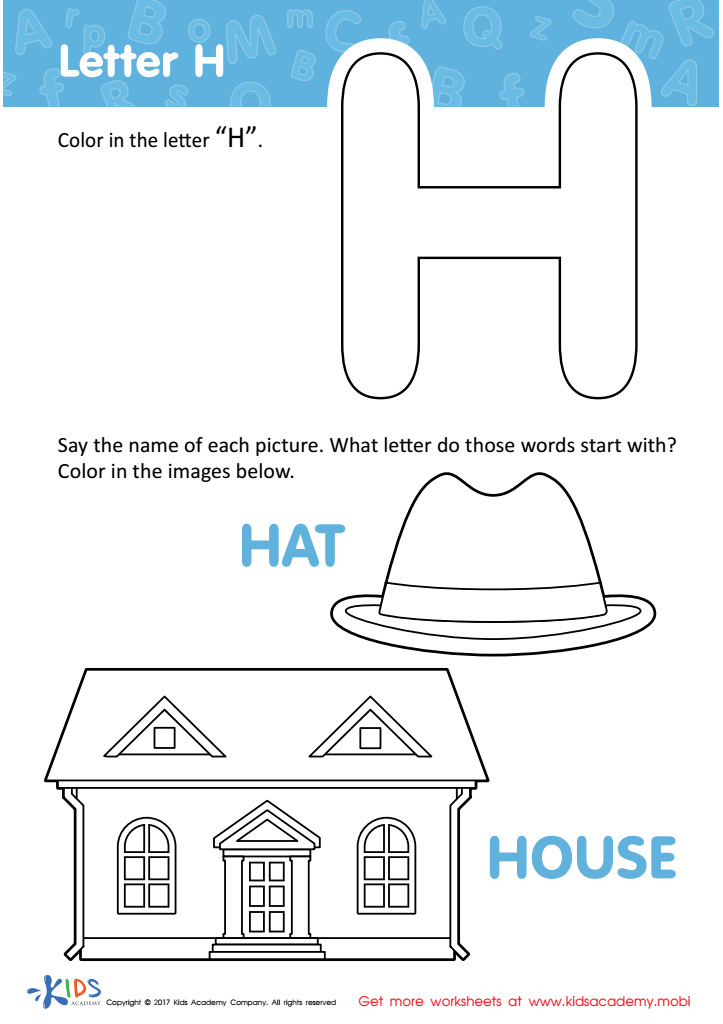
Letter H Coloring Sheet
 Assign to My Students






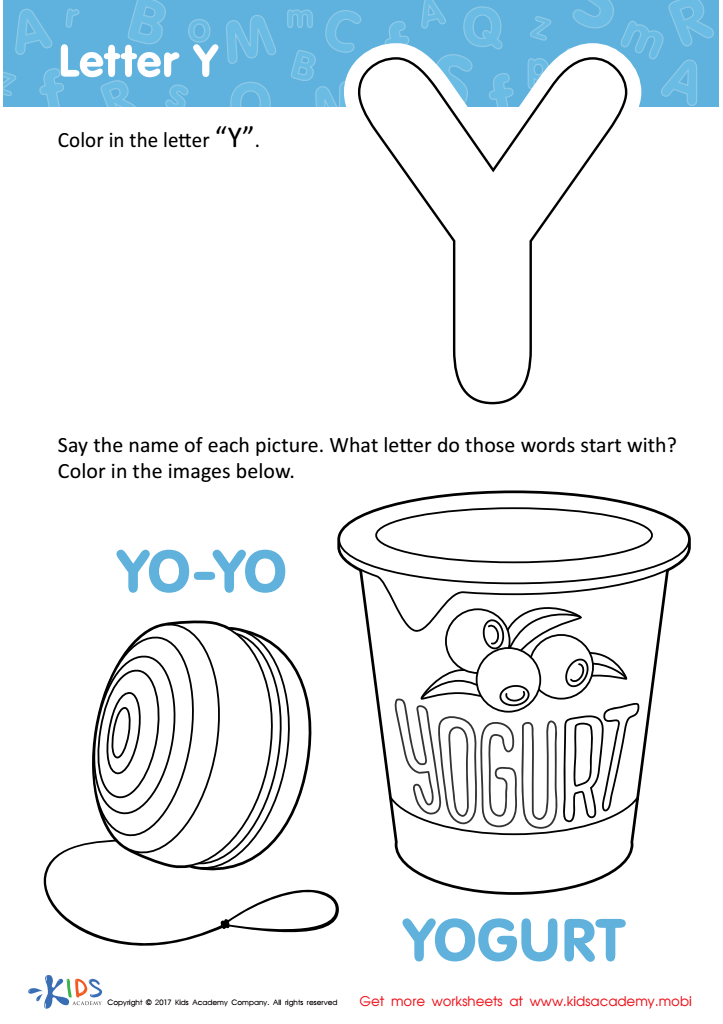
Letter Y Coloring Sheet
Assign to My Students
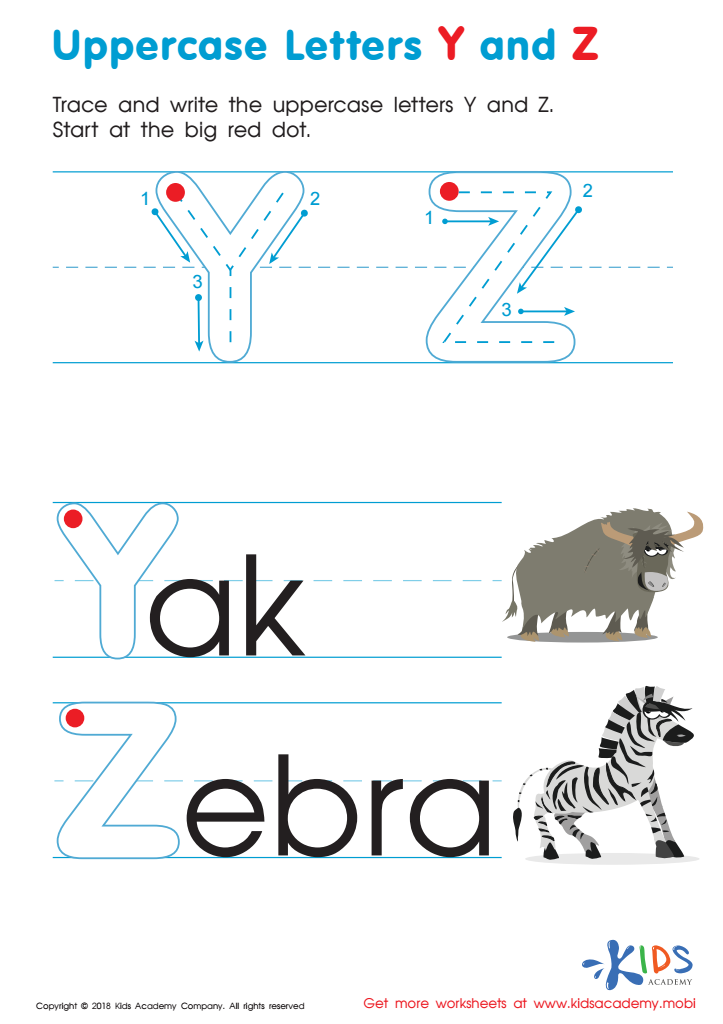
Uppercase Letters Y Z Worksheet
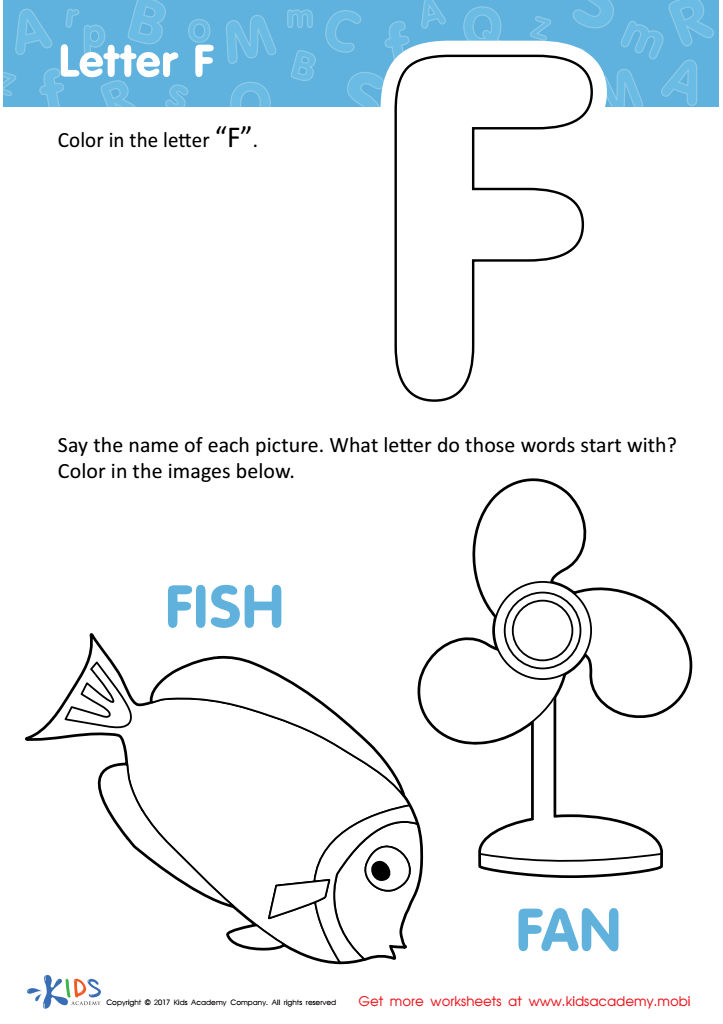
Letter F Coloring Sheet
Assign to My Students








Alphabet recognition forms the foundational cornerstone for literacy in children aged 6-9. Mastering ABC letters early ensures students grasp more complex reading and writing skills efficiently. When children can identify both uppercase and lowercase letters, they lay the groundwork for phonemic awareness, which is the ability to hear, identify, and manipulate sounds - crucial for decoding words and reading fluency.
Parents and teachers should care deeply about alphabet recognition as it directly impacts a child's confidence and success in school. Consistent, early exposure to the alphabet strengthens neural connections in the brain, fostering cognitive development essential for future learning in all subjects.
Moreover, strong letter recognition skills are directly linked to better vocabulary, spelling, and comprehension abilities. Children comfortable with the alphabet are more likely to undertake reading independently, thereby expanding their imagination, knowledge, and curiosity.
For parents, practicing alphabet activities at home can turn learning into enjoyable family time, reinforcing positive attitudes toward education. Teachers can tailor lessons with engaging, interactive activities like songs, games, and crafts, making alphabet learning fun and effective. Overall, prioritizing alphabet recognition helps build a robust educational foundation, setting children up for both academic and lifelong success.







