Letter recognition Alphabet Worksheets for Ages 6-9 - Page 4
74 filtered results
-
From - To
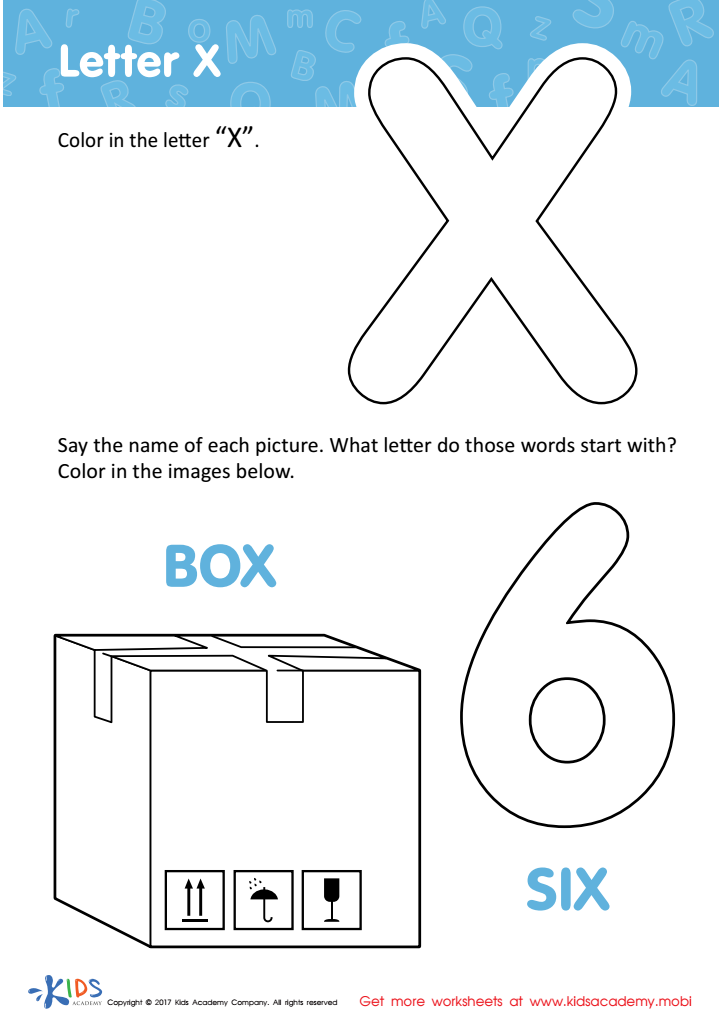
Letter X Coloring Sheet
 Assign to My Students
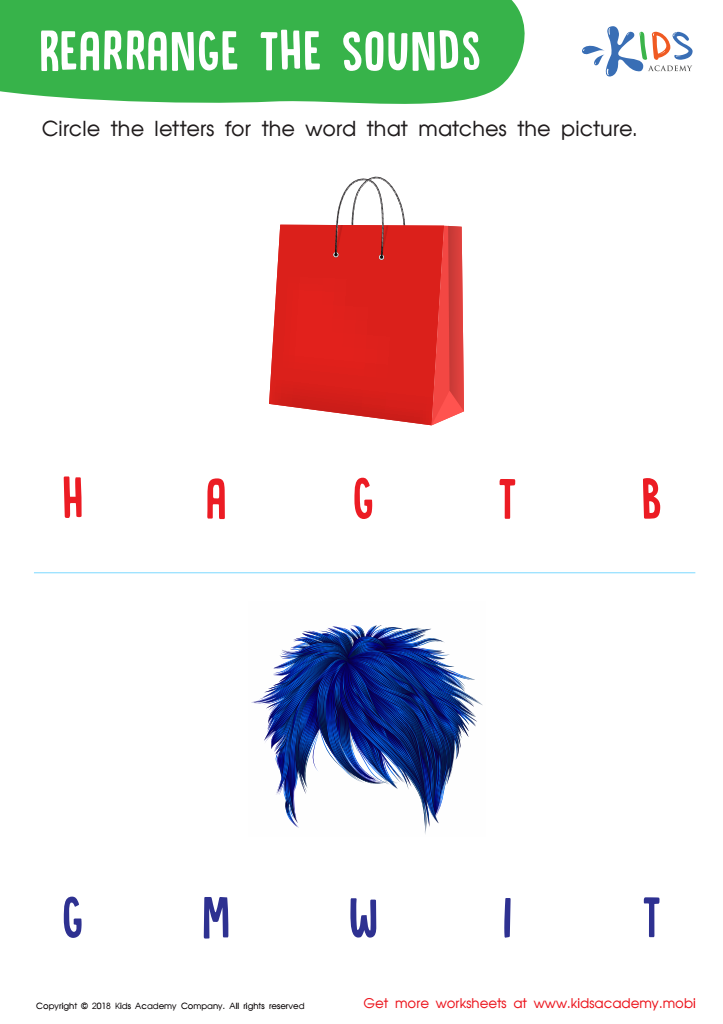
Rearrange the Sounds Worksheet








Letter recognition is crucial in the developmental stages of children aged 6-9, serving as the foundation for literacy and broader academic success. At this age, children transition from recognizing individual letters to understanding their sounds and forming words, a critical step in learning to read. This skill not only enhances their ability to decode and spell new words but also fosters fluent reading and comprehension skills.
Ensuring strong letter recognition at an early age provides children with the tools they need to engage in classroom activities, follow written instructions, and expand their vocabularies. Research shows that early literacy skills are strong predictors of later academic achievement, including performance in subjects like math and science due to enhanced comprehension abilities. Moreover, early readers are more likely to develop a love for reading, boosting their intellectual curiosity and overall educational engagement.
Parents and teachers who support letter recognition help build a child's confidence and self-esteem in academic settings, reducing stress and frustration associated with learning new materials. This sense of achievement and positivity towards learning can create a strong, lasting impression that encourages continued academic exploration and effort. Thus, nurturing letter recognition during these formative years is essential for a child's educational and personal growth.







