Alphabetical order understanding Letter Recognition Worksheets for Ages 6-9
4 filtered results
-
From - To
Enhance your child's alphabetical order skills with our engaging Letter Recognition Worksheets, designed specifically for ages 6-9! These interactive resources help young learners recognize letters and understand the importance of sequencing in the alphabet. Activities include fun exercises that promote letter identification and playful sorting tasks to categorize letters in correct order. Perfect for homeschooling or classroom use, our worksheets aid in building critical literacy skills while keeping children entertained. Foster a love for learning as your child improves their alphabet knowledge and develops confident reading abilities. Explore our collection today and watch your child's skills soar!
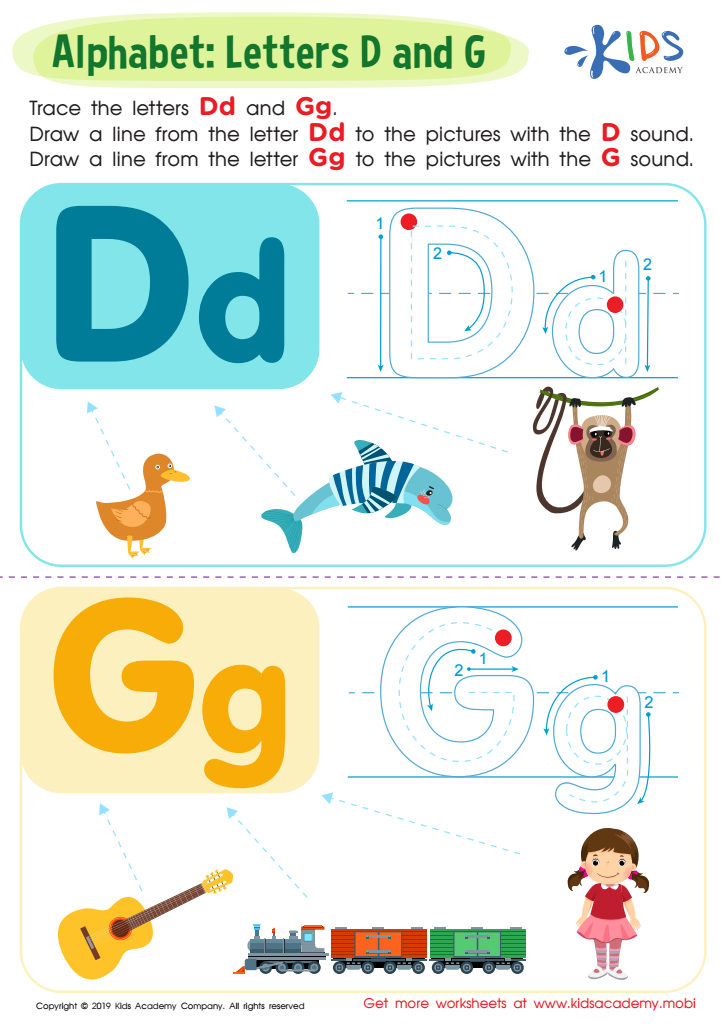
Letter D and G Tracing Worksheet
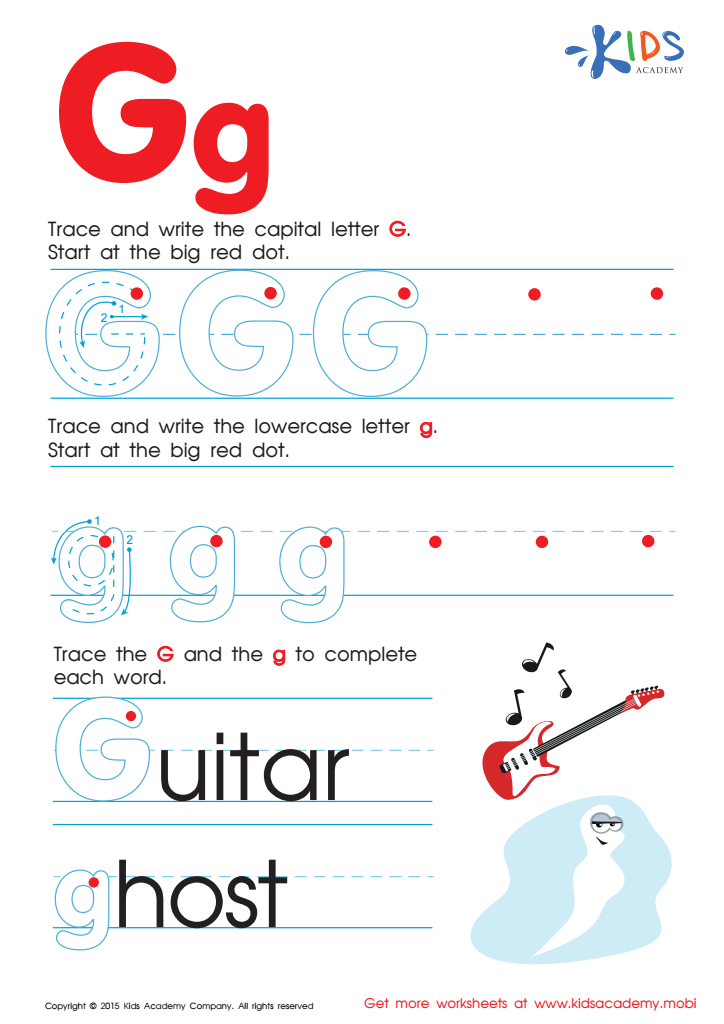
Letter G Tracing Page
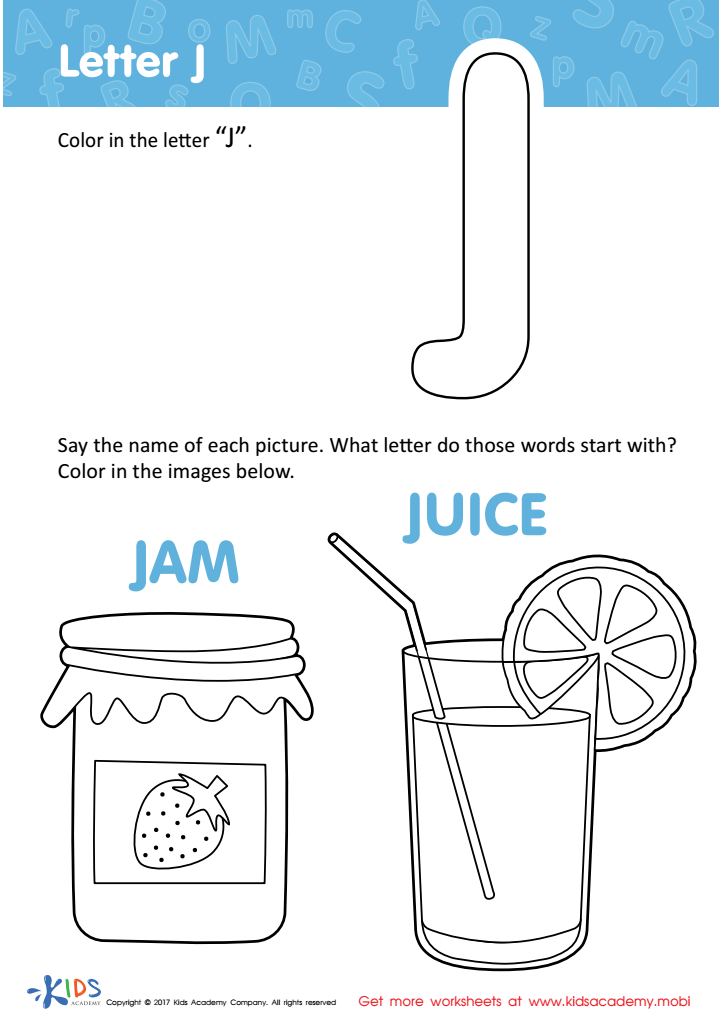
Letter J Coloring Sheet
 Assign to My Students
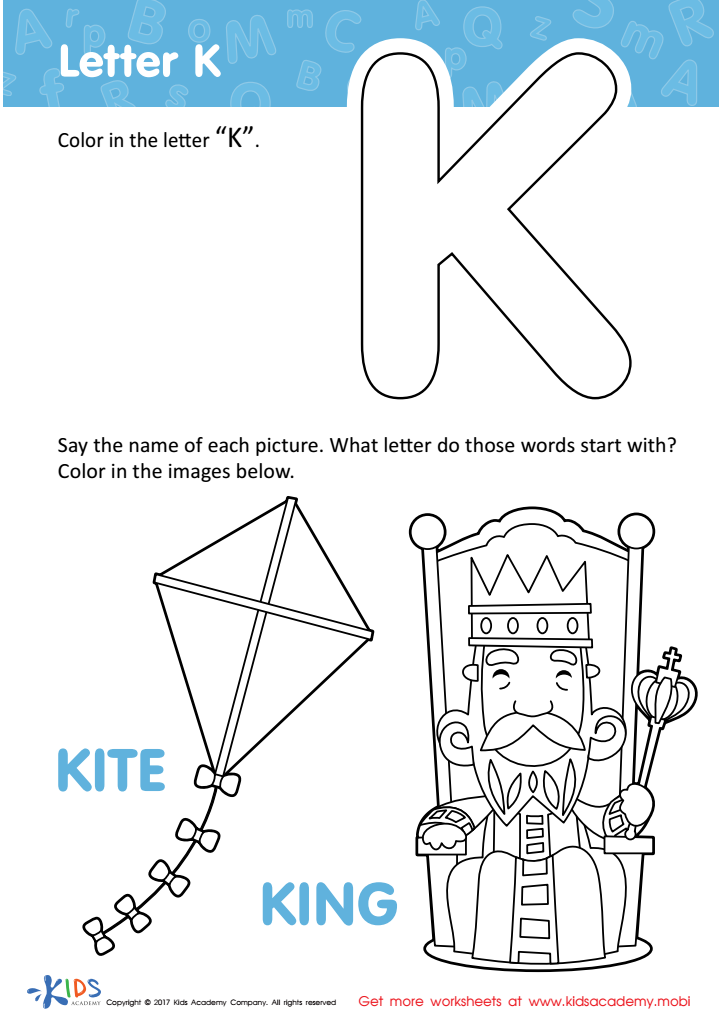
Letter K Coloring Sheet
Assign to My Students








Understanding alphabetical order and letter recognition is crucial for children ages 6-9 as these foundational skills underpin their development in reading and writing. First, letter recognition helps children identify letters swiftly, a skill necessary for decoding words. When they can recognize letters, they can more easily take on the complexities of reading, which is essential for their overall academic success.
Furthermore, understanding alphabetical order fosters organizational skills. It encourages children to categorize and sort information, making it easier to find references in books or online. As kids begin to explore libraries and references, knowing how to arrange or locate materials alphabetically bolsters their independence.
Additionally, mastering these skills enhances phonemic awareness, promoting better spelling and pronunciation as children connect sounds with letters. This is vital for language acquisition, literacy, and effective communication.
Lastly, the confidence that comes from these skills promotes a positive attitude toward learning. Children who can navigate their reading materials with ease are more likely to engage deeply, fostering a love for reading. For parents and teachers, encouraging proficiency in these areas supports not just literacy development but also critical thinking and organizational skills, essential for lifelong learning.







