Vocabulary enhancement Long And Short Vowel Worksheets for Ages 6-9
8 filtered results
-
From - To
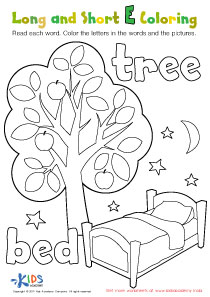
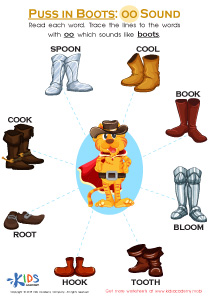
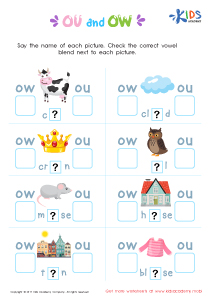
Boost your child's vocabulary with our engaging Long and Short Vowel Worksheets designed for ages 6-9. These interactive resources focus on enhancing language skills through fun activities that distinguish between long and short vowel sounds. Each worksheet encourages young learners to practice recognizing and using vocabulary correctly, improving reading and writing proficiency. Ideal for both classroom and home use, these worksheets foster a love for language while honing essential phonics skills. With colorful illustrations and user-friendly formats, children will enjoy developing their vocabulary in a creative and educational way. Start enriching your child's language journey today!
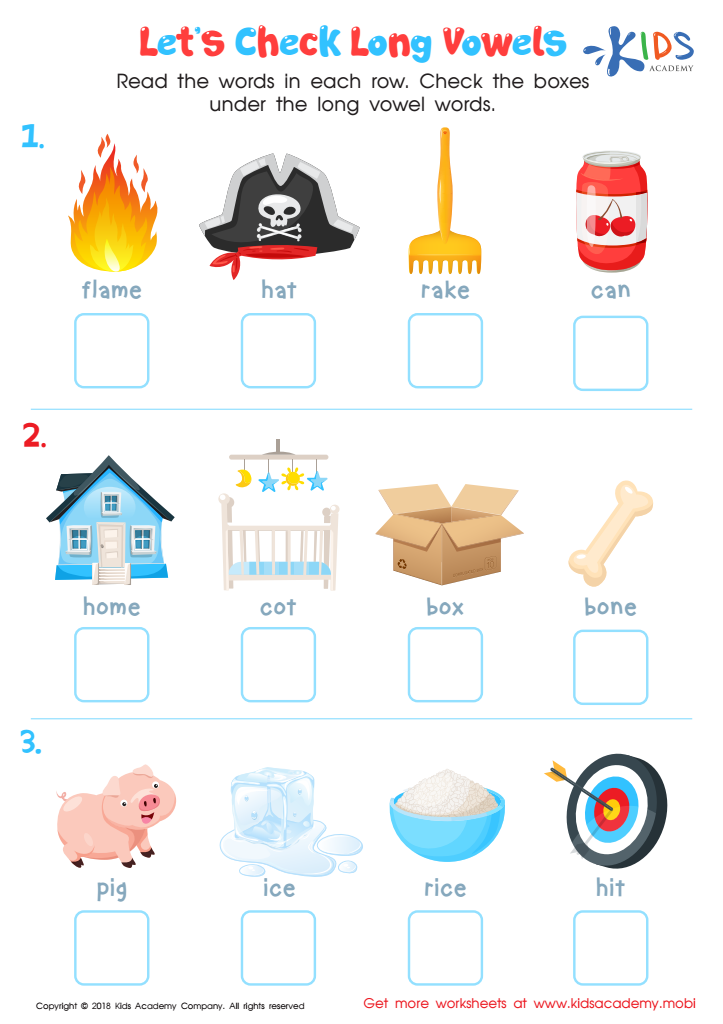
Let's Check Long Vowels: Assessment Worksheet
 Assign to My Students
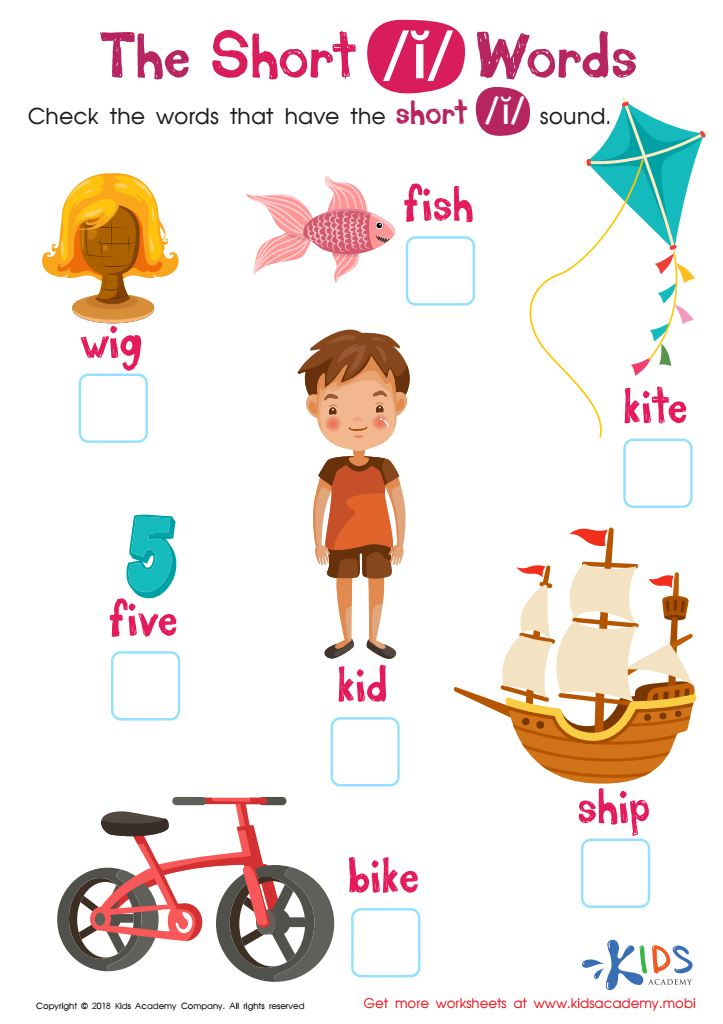
The Short I Words Reading Worksheet
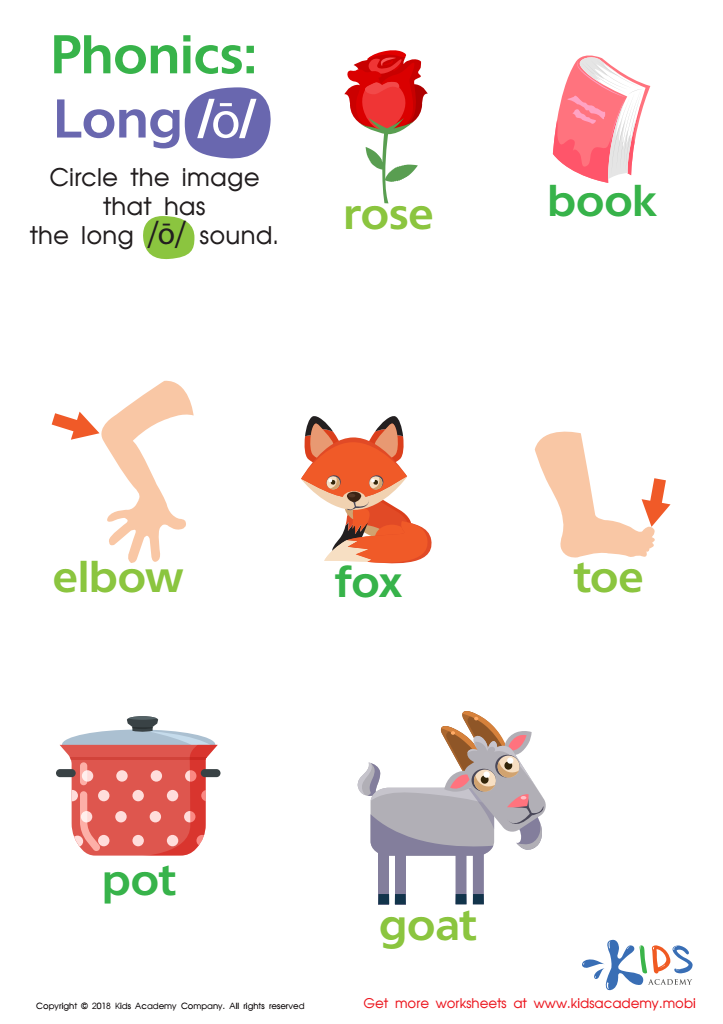
Phonics Long O Reading Worksheet
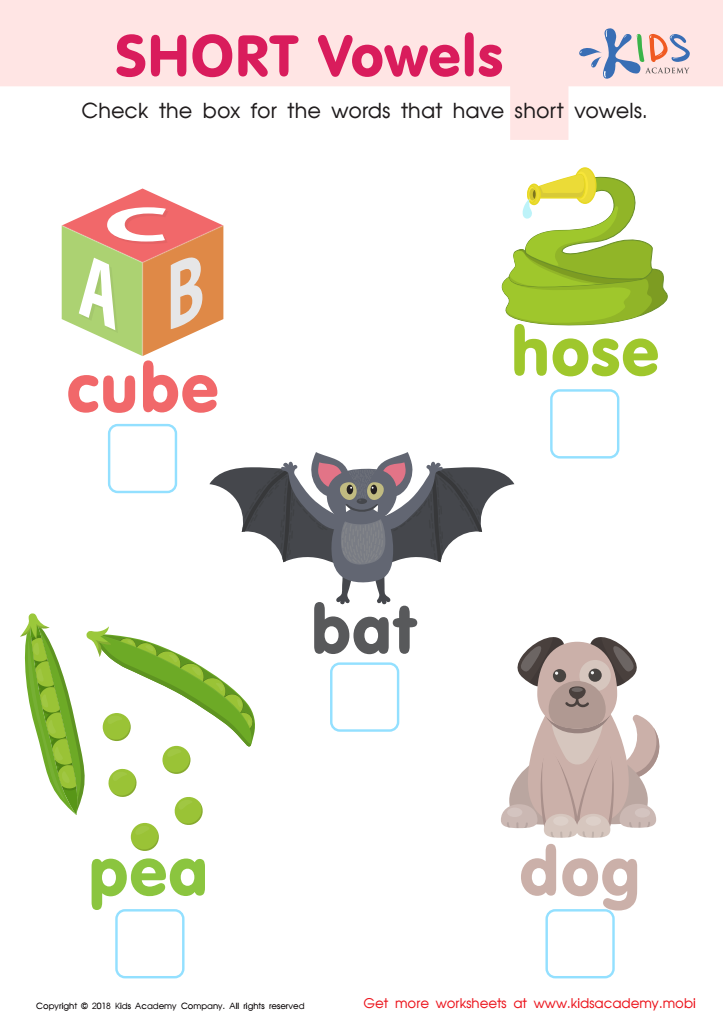
short vowels Worksheet
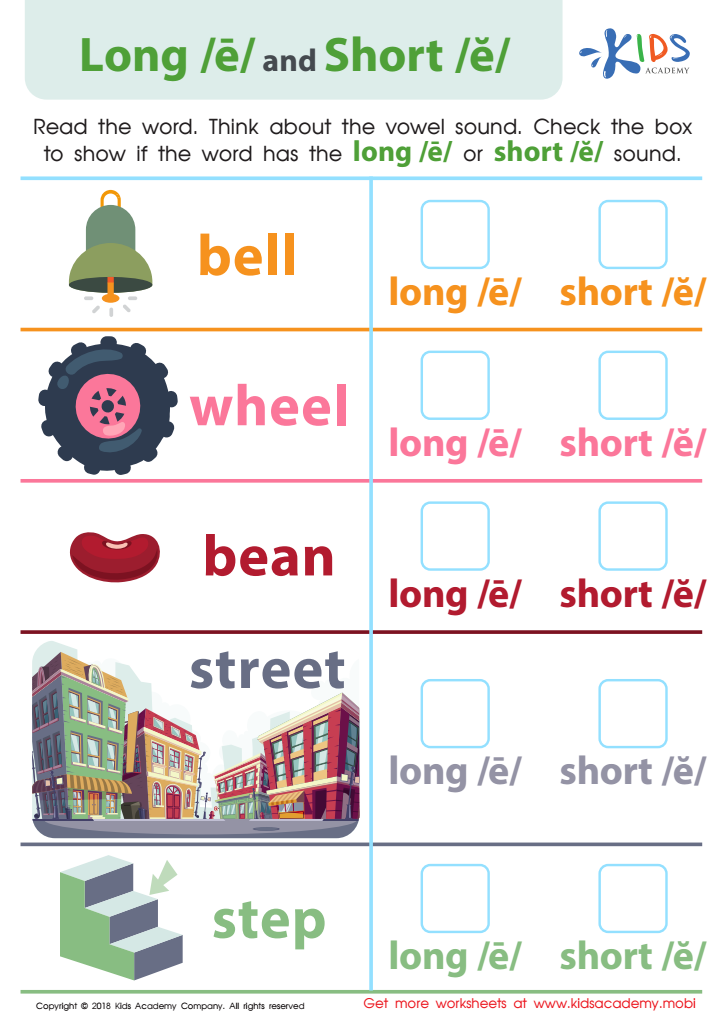
Reading: Long E and Short E Worksheet
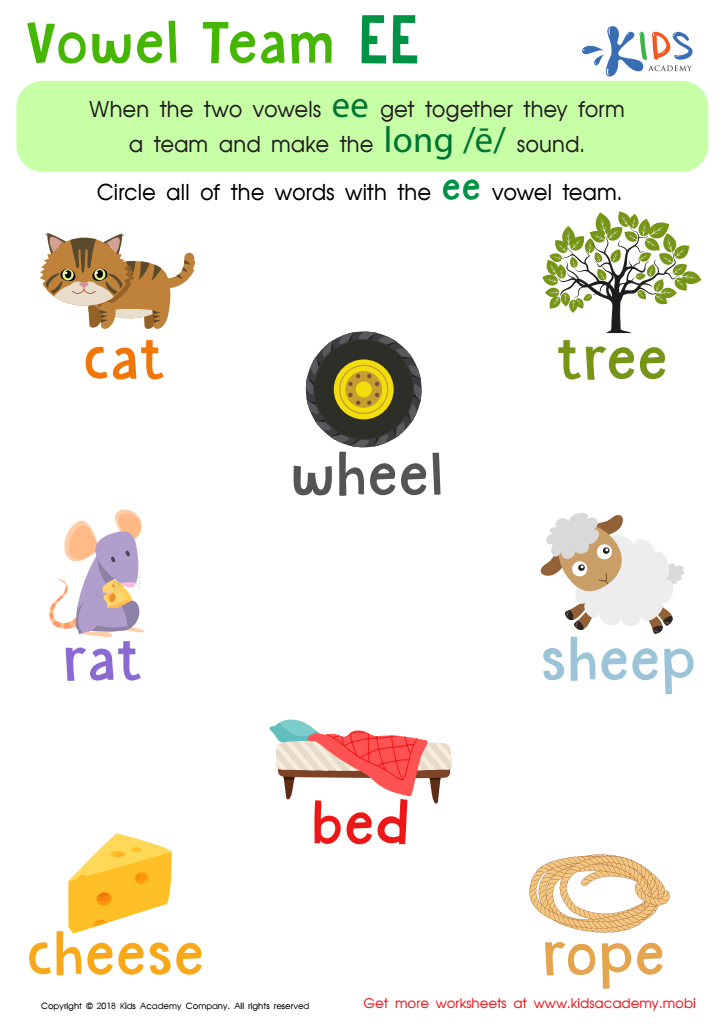
Reading: Vowel Team EE Worksheet
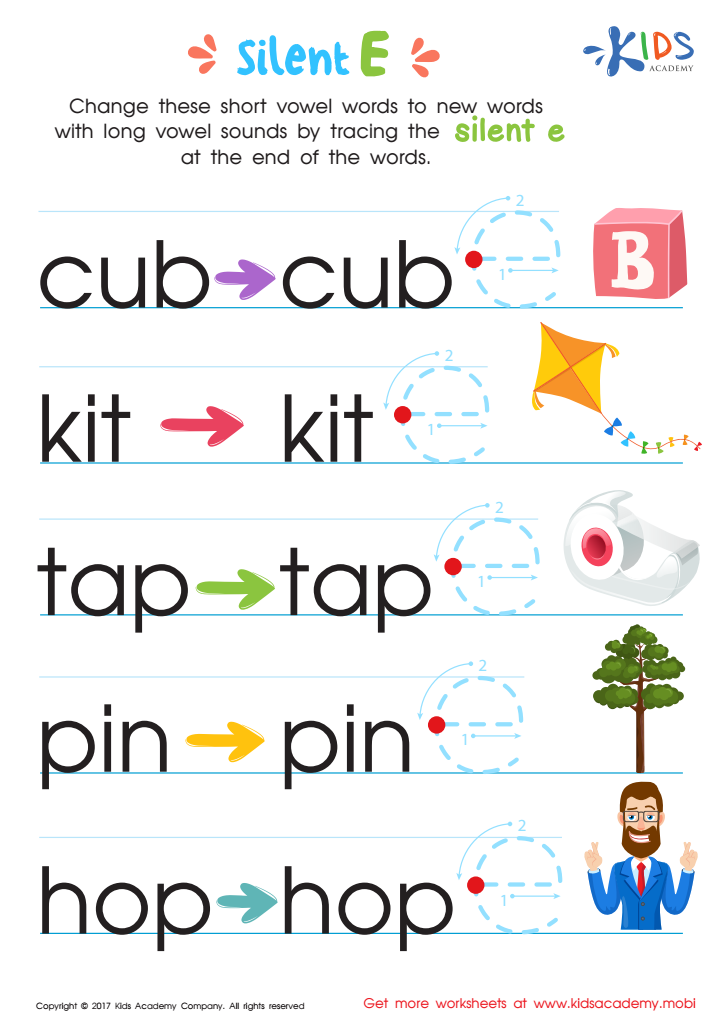
Silent E Words Worksheet
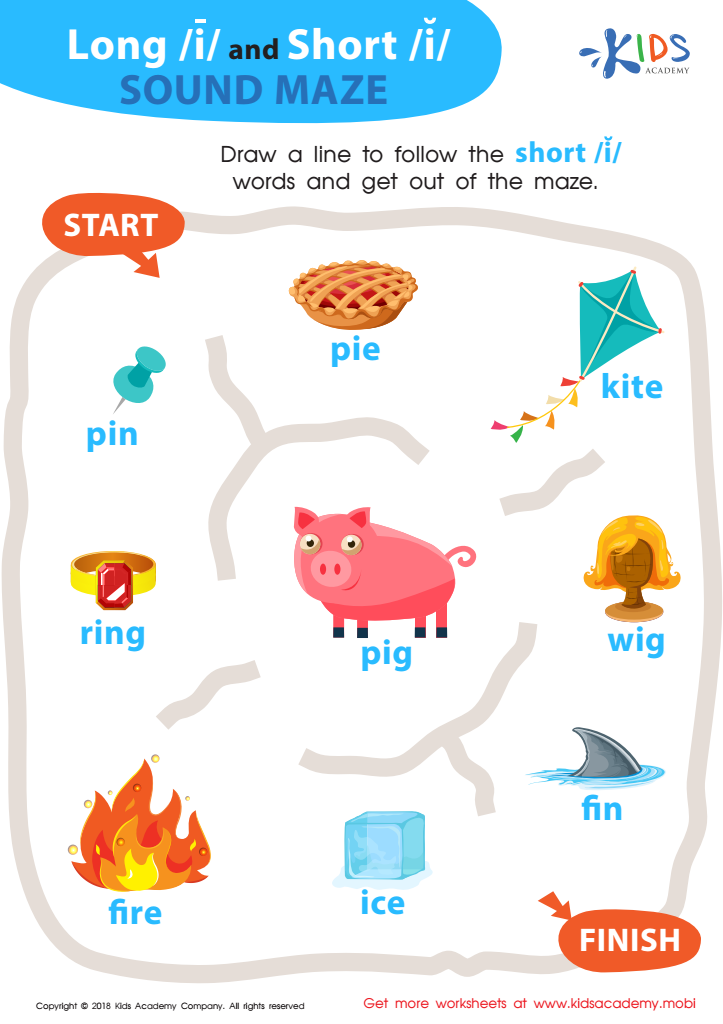
Reading: Long I and Short I Sound Maze Worksheet




Enhancing vocabulary, particularly regarding long and short vowels, is crucial for children aged 6-9 as this stage forms the foundation for their reading and writing skills. Mastery of vowel sounds significantly impacts phonetic awareness, allowing children to decode words more effectively. This phonological knowledge is integral for them to grasp spelling rules and improve their pronunciation, ultimately aiding their communication skills.
When parents and teachers prioritize vocabulary enhancement through engaging activities focused on vowel sounds, they foster a love for language. Children are more likely to express themselves confidently and can comprehend more complex texts. Furthermore, a robust vocabulary correlates with academic performance; those who are proficient in vocabulary stand a better chance of succeeding in reading comprehension and other areas of learning.
Additionally, vocabulary activities encourage critical thinking and creativity as children learn to associate meanings, contexts, and nuances related to words. By integrating these strategies into everyday learning, educators and caregivers can create a rich linguistic environment that promotes lifelong literacy skills. Overall, investing time and effort into vocabulary enhancement with an emphasis on vowel sounds can transform children's educational experiences and shape their future learning capabilities.