Color recognition Coloring Pages Worksheets for Ages 6-9 - Page 3
59 filtered results
-
From - To
Great Hornbill Worksheet
 Assign to My Students
Fish Bowl Numbers Worksheet
Assign to My Students
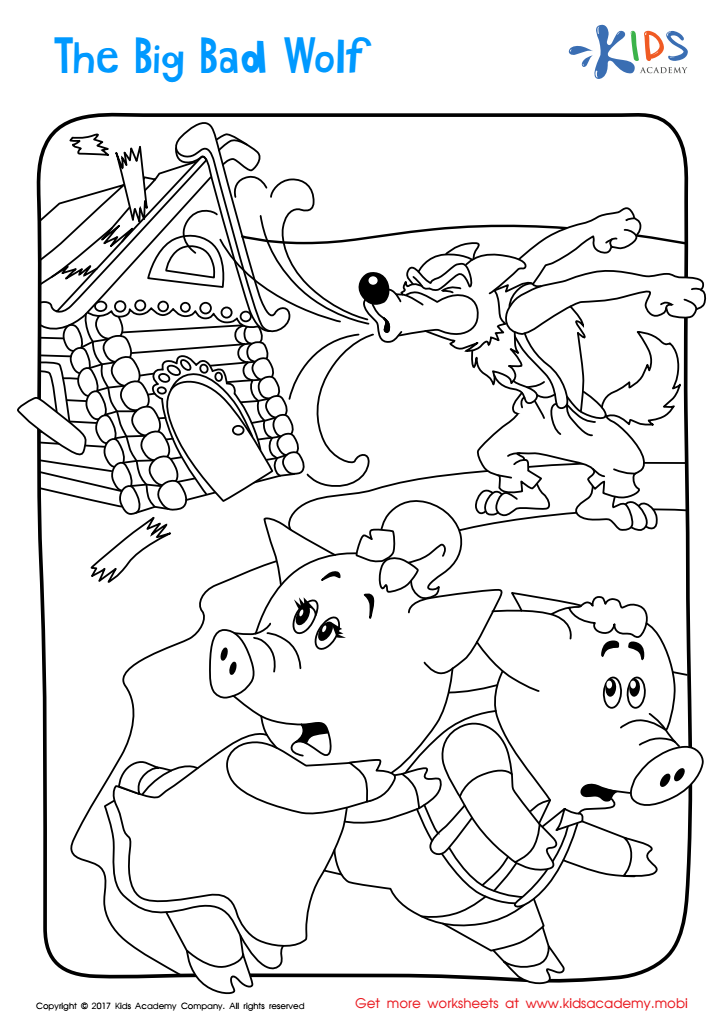
Big Bad Wolf Printable Coloring Page
Assign to My Students
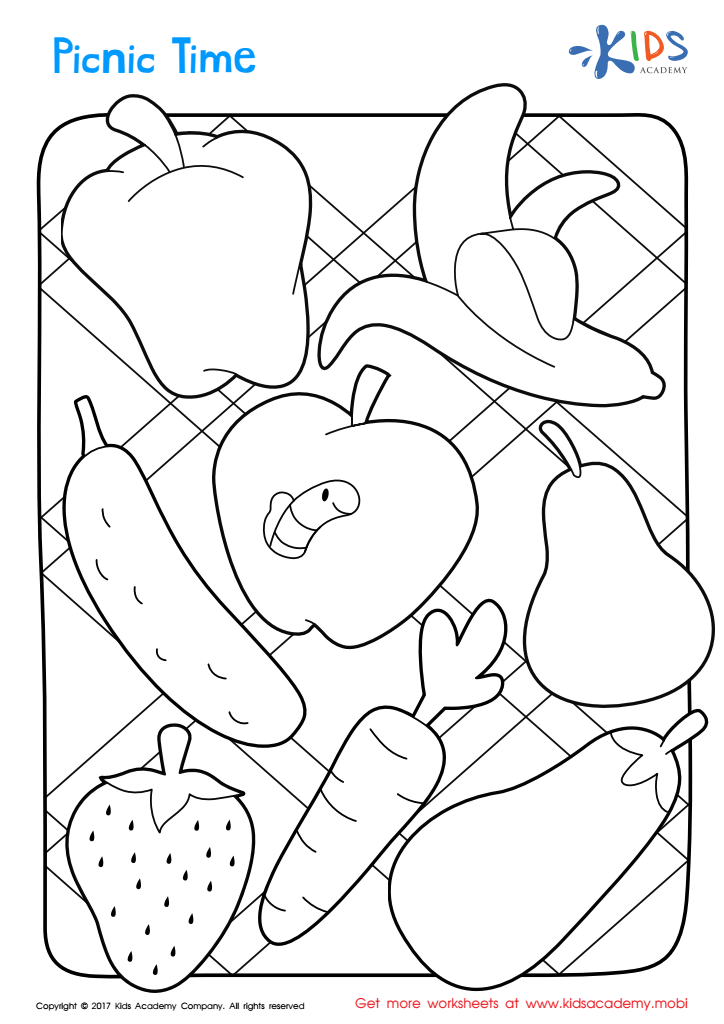
Picnic Time Coloring Page
Assign to My Students
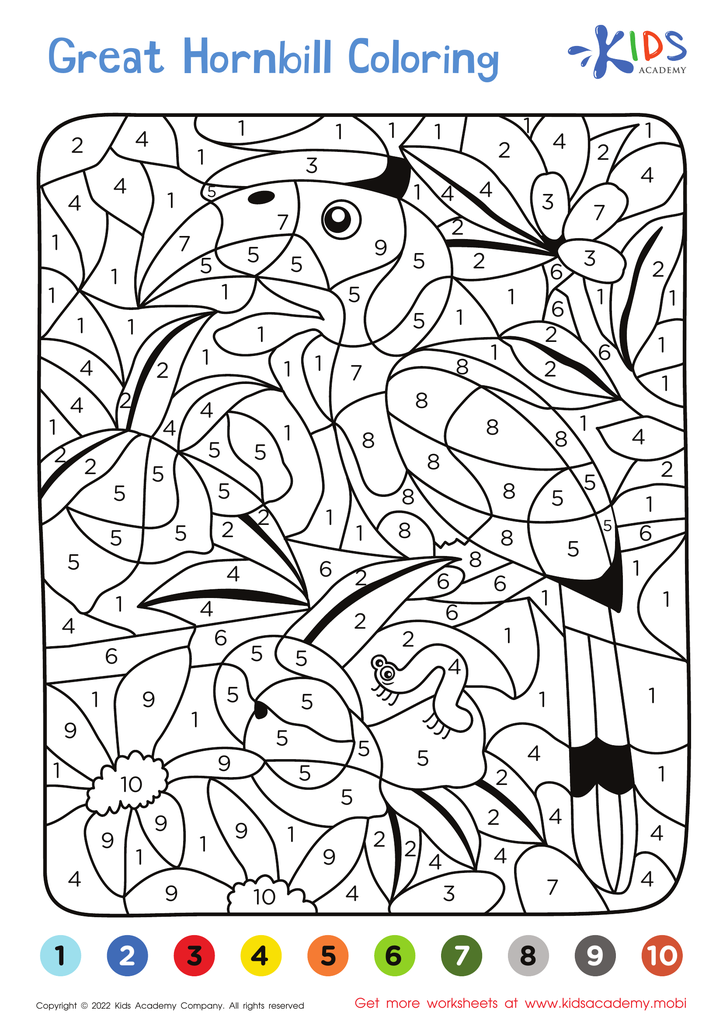
Great Hornbill – Coloring by Numbers
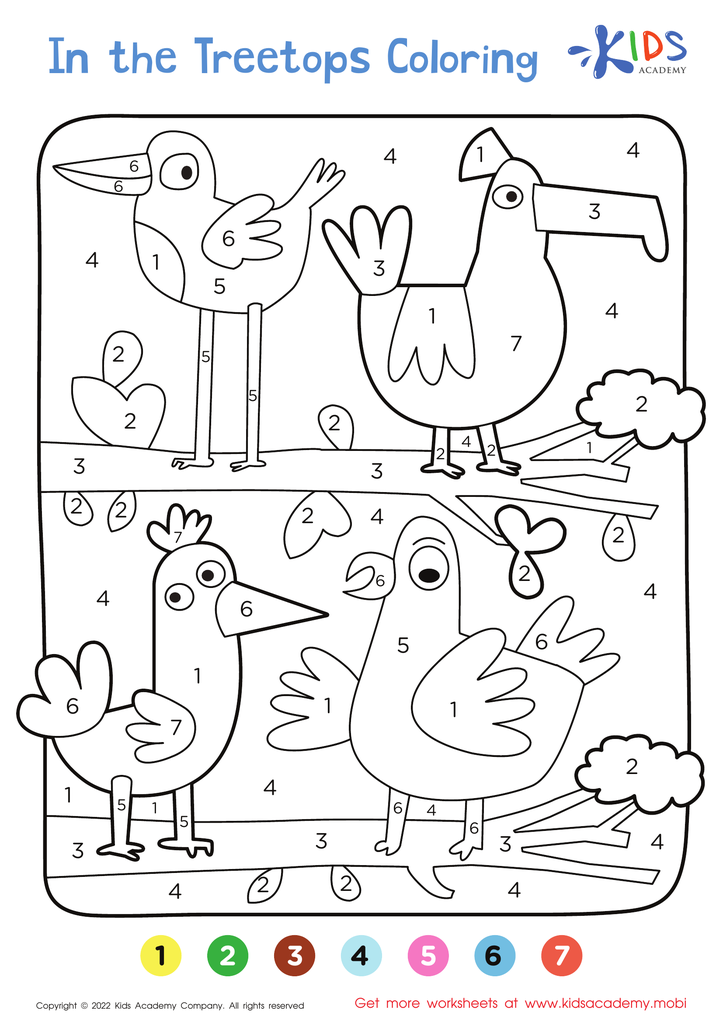
In the Treetops – Coloring Page
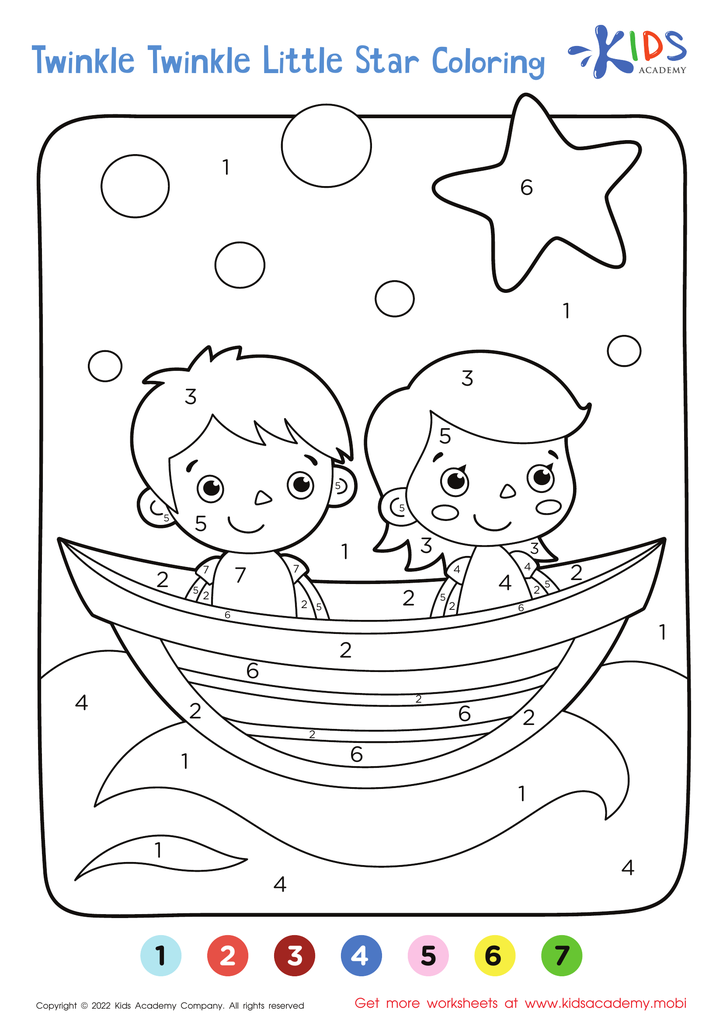
Twinkle, Twinkle, Little Star – Coloring by Numbers
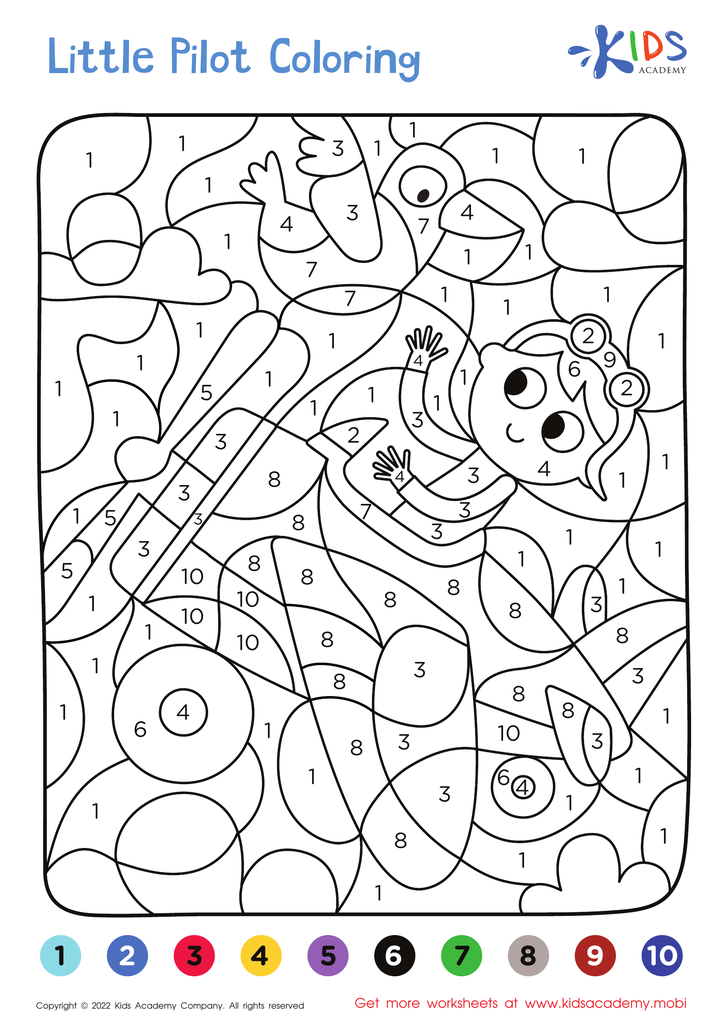
Little Pilot – Coloring by Numbers
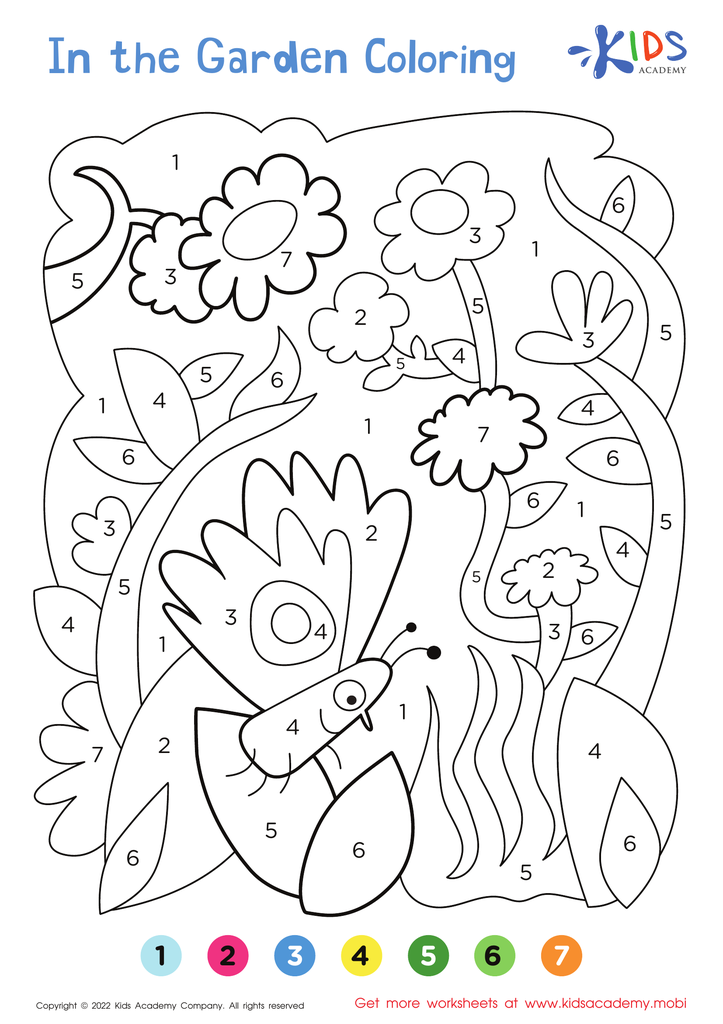
In the Garden – Coloring by Numbers
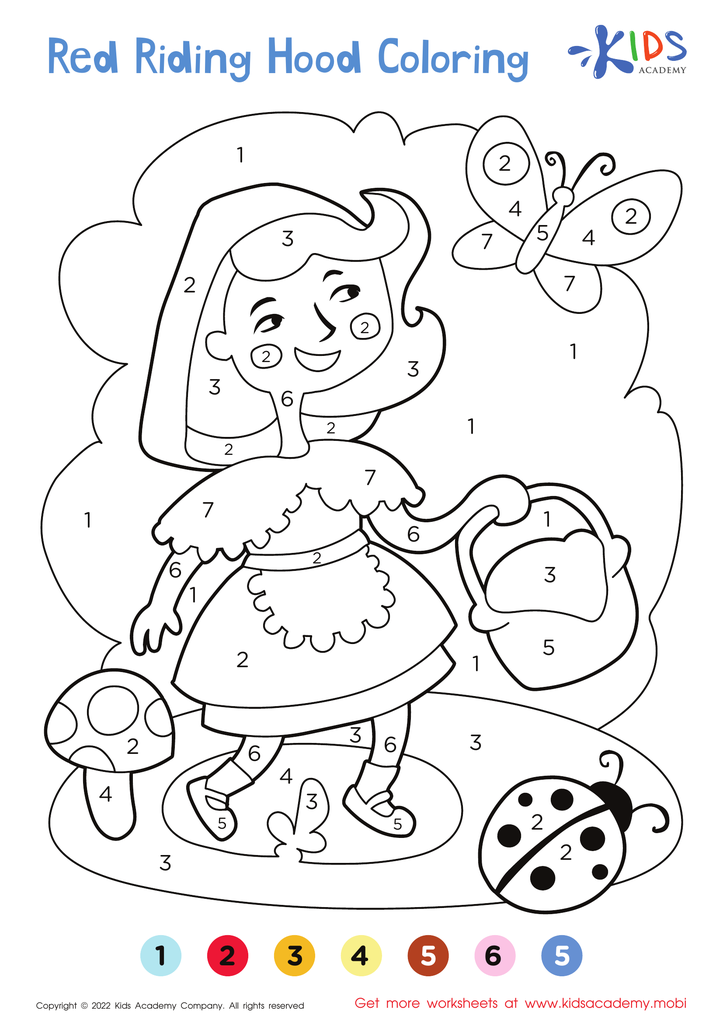
Little Red Riding Hood – Coloring by Numbers
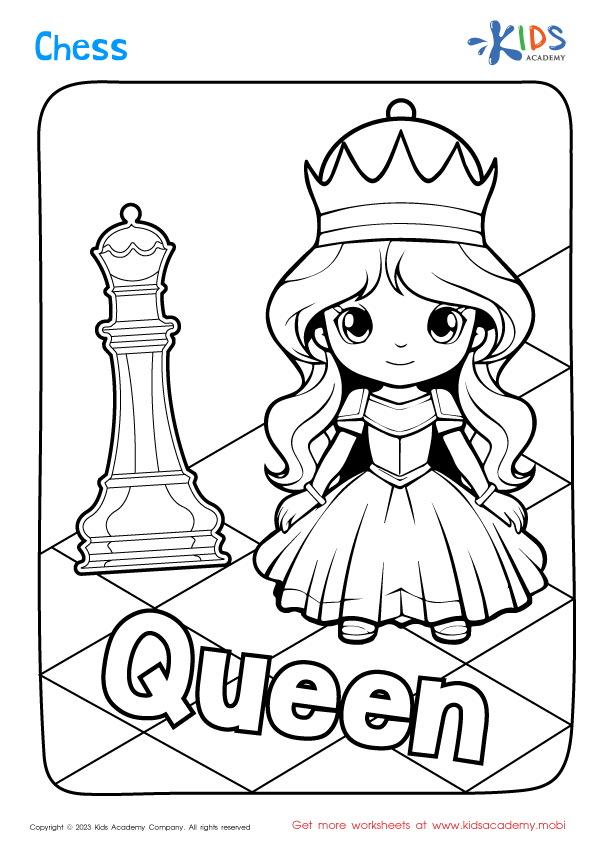







Color recognition is a foundational skill that plays a crucial role in early childhood education, particularly for children aged 6 to 9. Parents and teachers should care about color recognition coloring pages because they serve not only as an engaging activity but also as an essential educational tool.
Firstly, these pages enhance a child's ability to identify and differentiate between various colors, which is important for cognitive development. Understanding colors helps children make connections with their surroundings and builds their vocabulary as they learn the names and characteristics associated with each hue.
Moreover, coloring activities foster fine motor skills and hand-eye coordination, critical for writing and other day-to-day tasks. By engaging in coloring, children practice gripping crayons or markers, which strengthens the small muscles in their hands.
Color recognition pages can also promote creativity and self-expression. By choosing their own colors and creating unique artwork, children develop a sense of individuality and confidence.
Additionally, these activities can facilitate social interactions, encouraging group work where kids can share ideas and collaborate on projects. Overall, integrating color recognition coloring pages into learning environments offers numerous developmental benefits, making it a valuable resource for parents and educators alike.