Alphabetical order Worksheets for Ages 6-9
3 filtered results
-
From - To
Discover an exciting collection of Alphabetical Order Worksheets tailored for kids aged 6-9! Our engaging activities are designed to help young learners master the basics of alphabetical order, enhancing their spelling and organizational skills. These worksheets, created by education experts, incorporate fun exercises like sorting, matching, and sequencing to make learning intuitive and enjoyable. Ideal for both classroom and home use, they offer a perfect blend of challenge and entertainment. Download now to provide your child with the tools they need to excel in literacy and develop a lifelong love for learning!
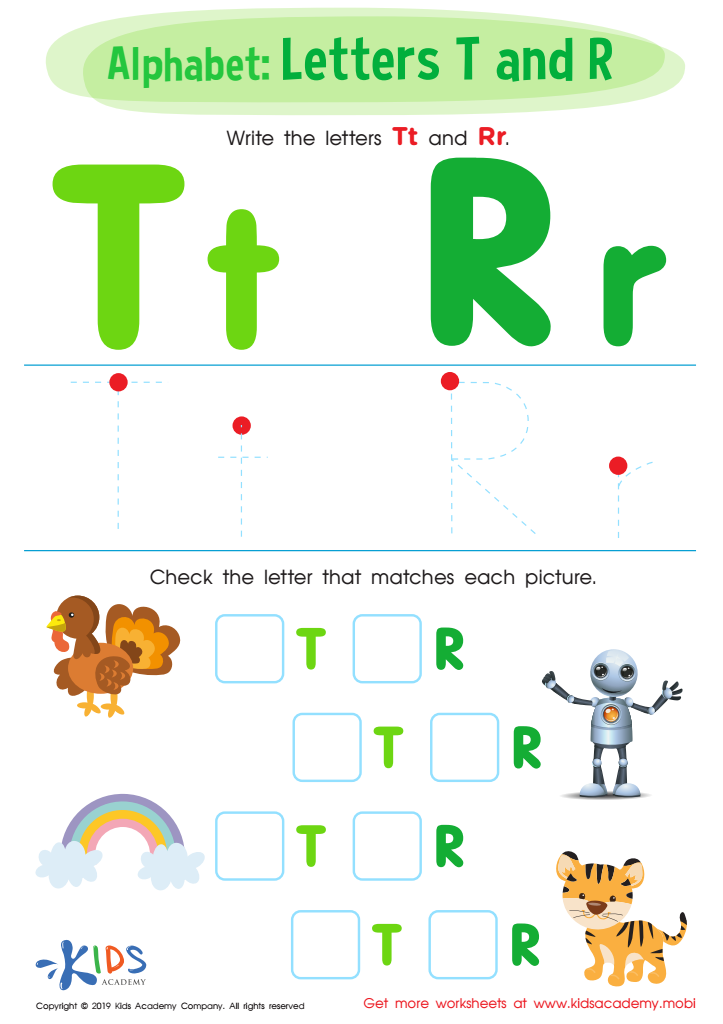
Letters T and R Worksheet
 Assign to My Students
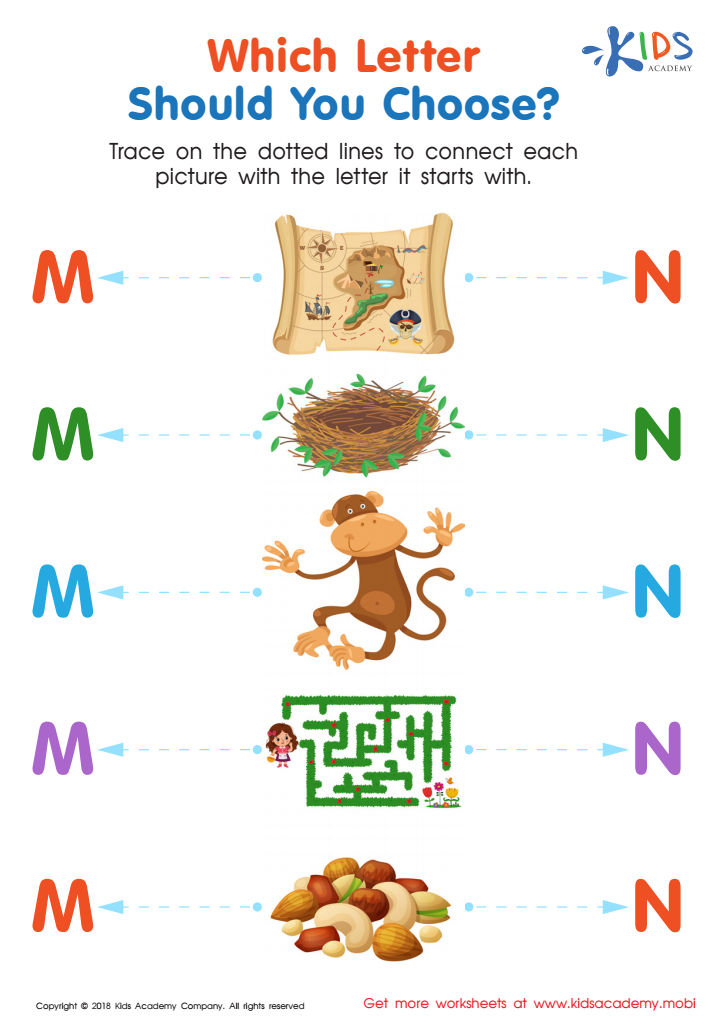
Which Letter Should you Choose? Worksheet
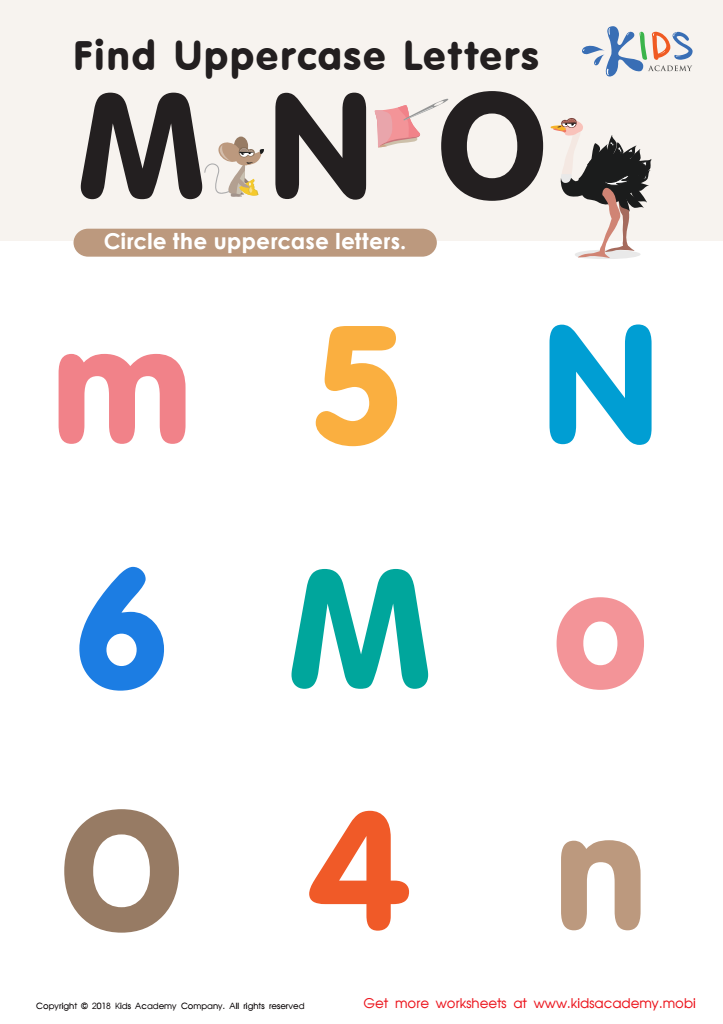
Find Uppercase Letters M, N, and O Worksheet








Alphabetical order is a foundational skill that plays a significant role in early literacy and cognitive development for children aged 6-9. Firstly, understanding alphabetical order enhances a child's letter recognition capabilities, which are essential for reading and writing. It allows kids to efficiently navigate dictionaries, indexes, and libraries, thus fostering independent learning and research skills from a young age.
Moreover, arranging items alphabetically also enhances a child's organizational and sequencing abilities, crucial cognitive skills that aid in various aspects of life and learning. For example, when students sort words in alphabetical order, they practice distinguishing between initial, medial, and final sounds in words, which strengthens their phonemic awareness and spelling proficiency.
Additionally, learning to use alphabetical order prepares children for future tasks that require sorting and categorizing information, such as finding names in phone directories or files on computers—skills that remain relevant and useful well into adulthood. By integrating these activities into their routine, teachers and parents can create engaging and interactive lessons that make the concept enjoyable and worthwhile. Ultimately, mastering alphabetical order provides children with a robust toolkit to cope with complex information efficiently, promoting long-term academic success and life skills.








