Applying math skills Worksheets for Ages 6-9
3 filtered results
-
From - To
Unlock your child's potential with our engaging "Applying Math Skills" worksheets designed specifically for ages 6-9. These printable resources make learning math fun while reinforcing essential concepts like addition, subtraction, shapes, and measurement. Each worksheet promotes critical thinking and helps kids apply math in real-world scenarios. Ideal for both classroom and home use, our materials cater to various learning styles and abilities. With colorful illustrations and age-appropriate challenges, your child will develop confidence and proficiency in math. Start exploring our collection today and watch your little learner thrive as they grasp fundamental math skills essential for their academic success!
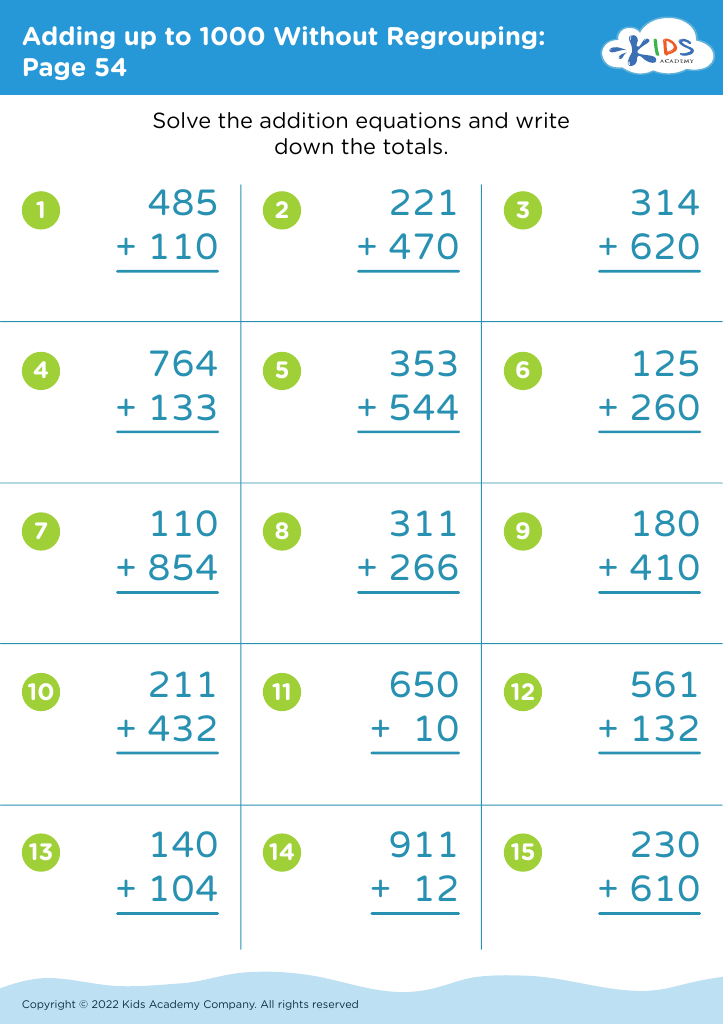
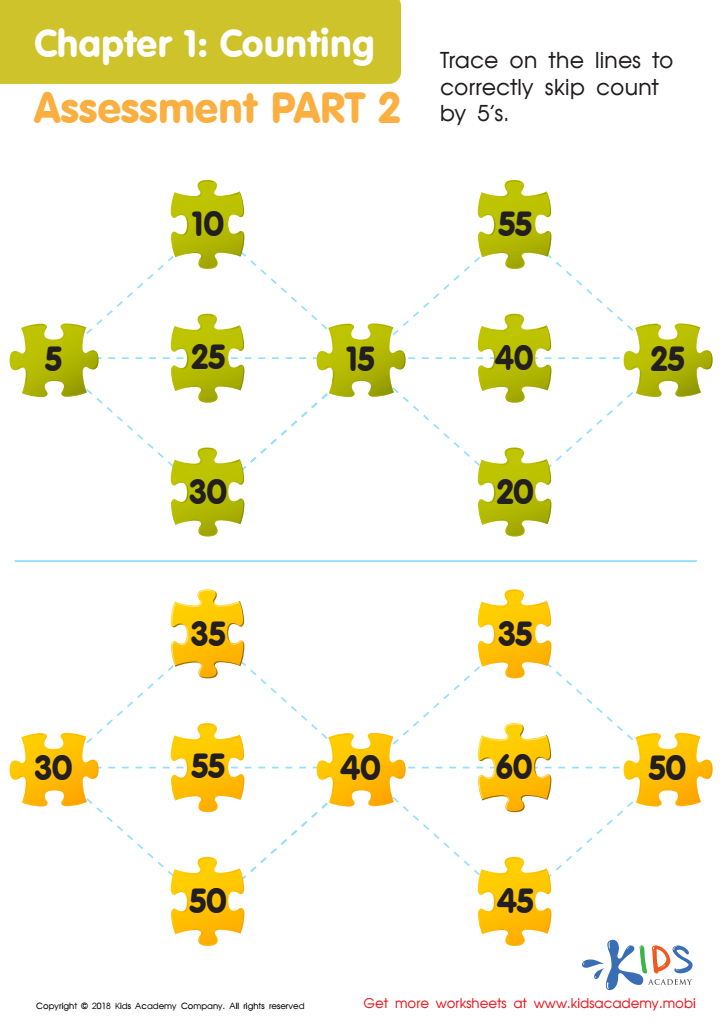
Counting: Assessment 2 Worksheet
 Assign to My Students
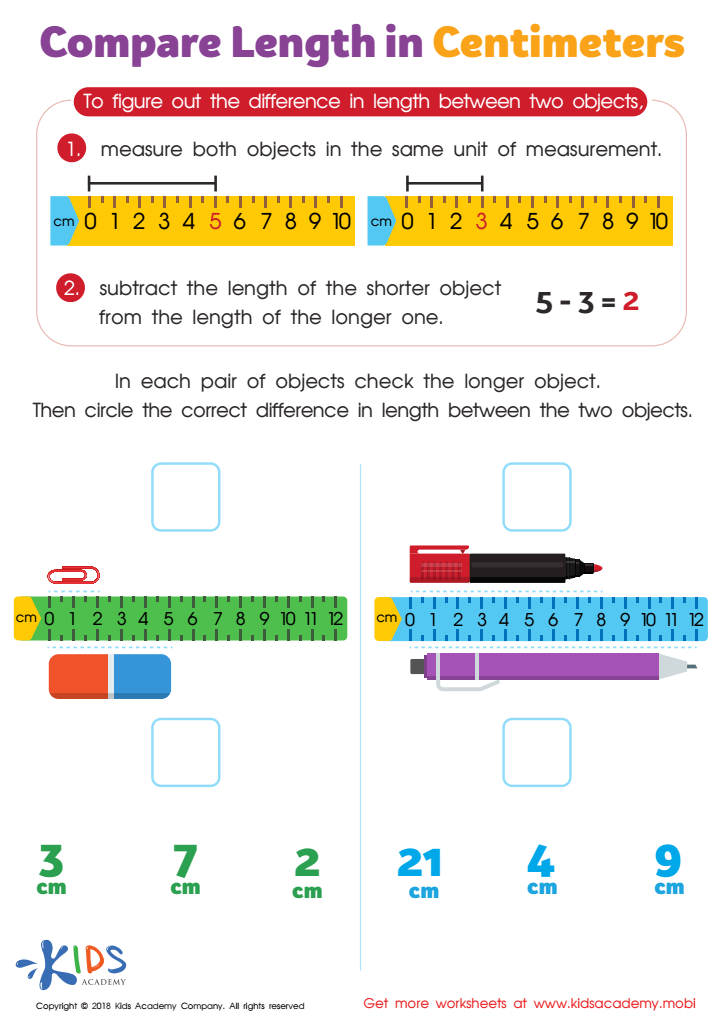
Compare Length in Centimeters Worksheet







Applying math skills in children aged 6 to 9 is crucial for several reasons. During this developmental stage, children form foundational skills that will influence their confidence and future learning in math. By engaging with math in real-world situations, such as measuring ingredients in cooking or estimating costs while shopping, children become more aware of the relevance of math in everyday life.
Additionally, practical applications of math help solidify theoretical concepts. For example, when children count items, they reinforce their understanding of addition and subtraction. This experiential learning enhances critical thinking and problem-solving abilities, encouraging them to approach challenges with a logical mindset.
Moreover, fostering a positive attitude toward math during these formative years can combat math anxiety later in life. When parents and teachers prioritize applied math skills, they create an environment where children see math as meaningful and accessible, rather than intimidating.
Encouraging math-related activities in informal settings not only promotes engagement but also strengthens the parent-teacher partnership by providing a cohesive approach to education. Overall, understanding and applying math skills can significantly impact a child's academic journey, instilling a lifelong love for learning and analytical thinking.








