Basic geometry knowledge Worksheets for Ages 6-9
4 filtered results
-
From - To
Discover our engaging Basic Geometry Knowledge Worksheets designed specifically for children aged 6-9! These interactive resources help young learners explore fundamental geometry concepts, including shapes, sizes, and spatial understanding. Our worksheets promote critical thinking and enhance essential math skills through fun activities such as shape identification, pattern recognition, and simple problem-solving exercises. Ideal for both classroom and home learning, these engaging materials empower students to grasp basic geometry concepts while nurturing their creativity and confidence. Encourage your child’s mathematical journey today with these thoughtfully designed worksheets that make learning geometry enjoyable and accessible! Perfect for early learners to pave the way for future success.
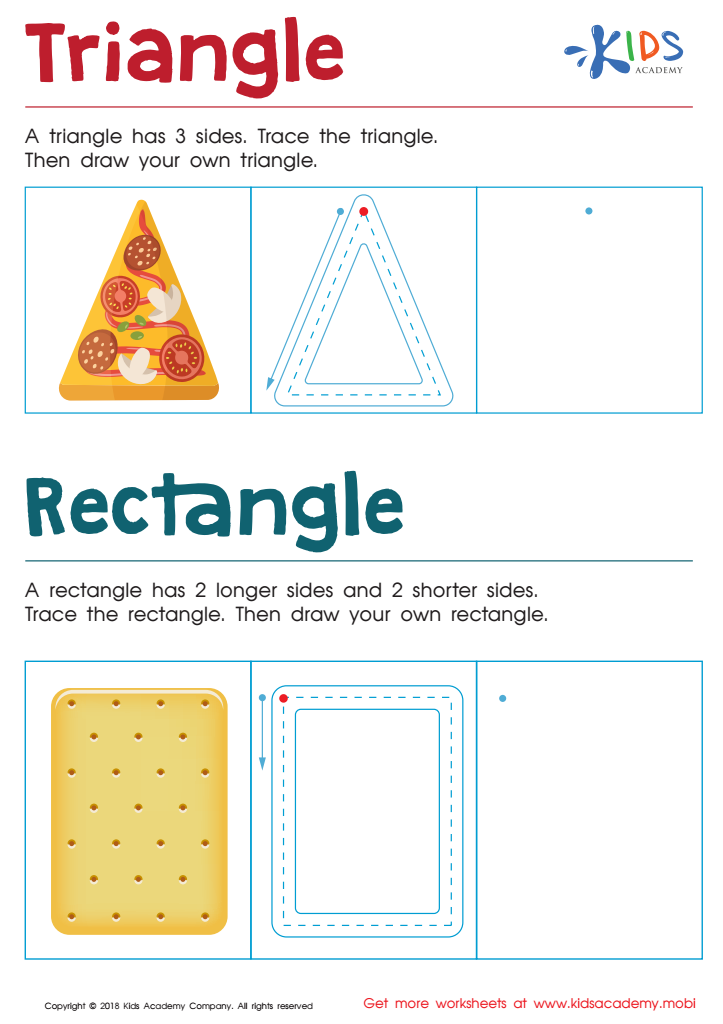
Triangle Rectangle Worksheet
 Assign to My Students
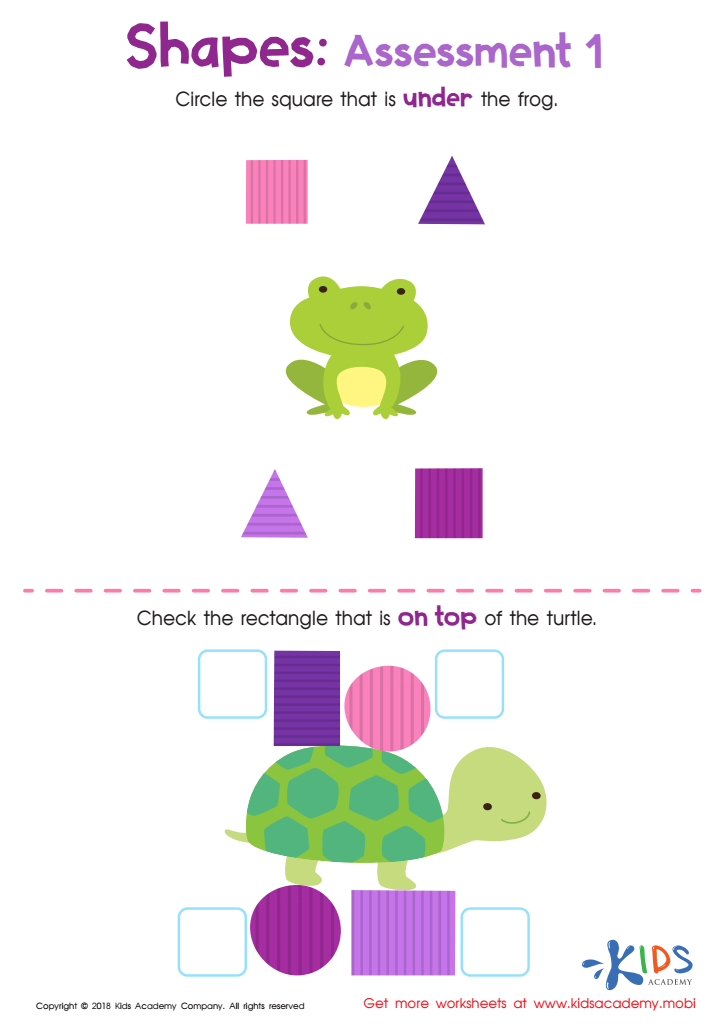
Geometry – Assessment 1 Worksheet
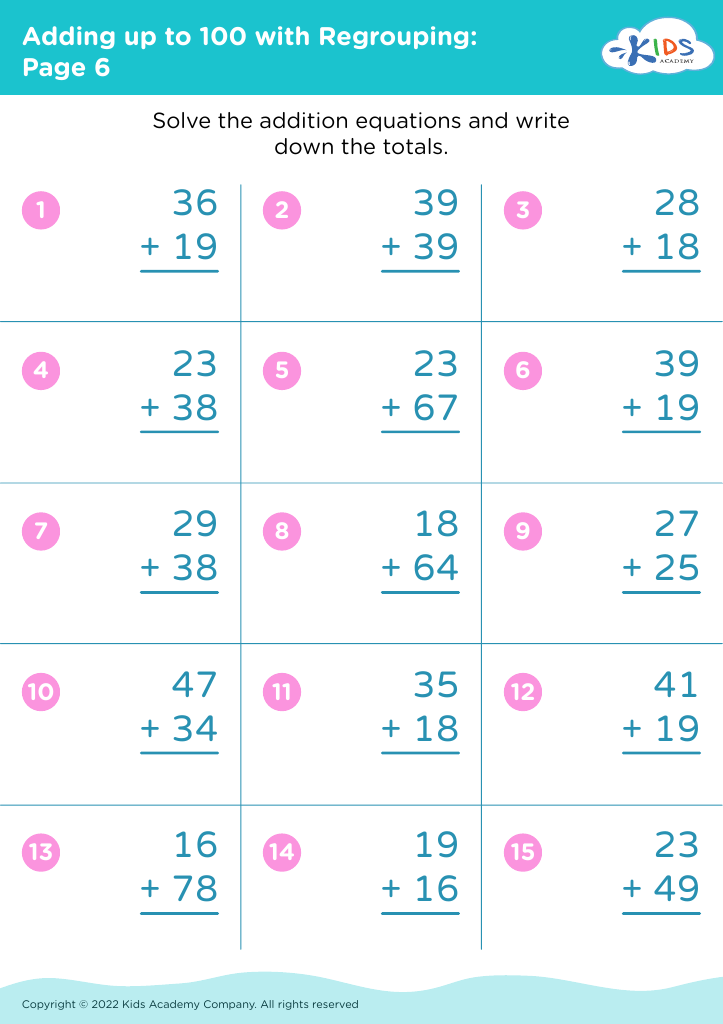
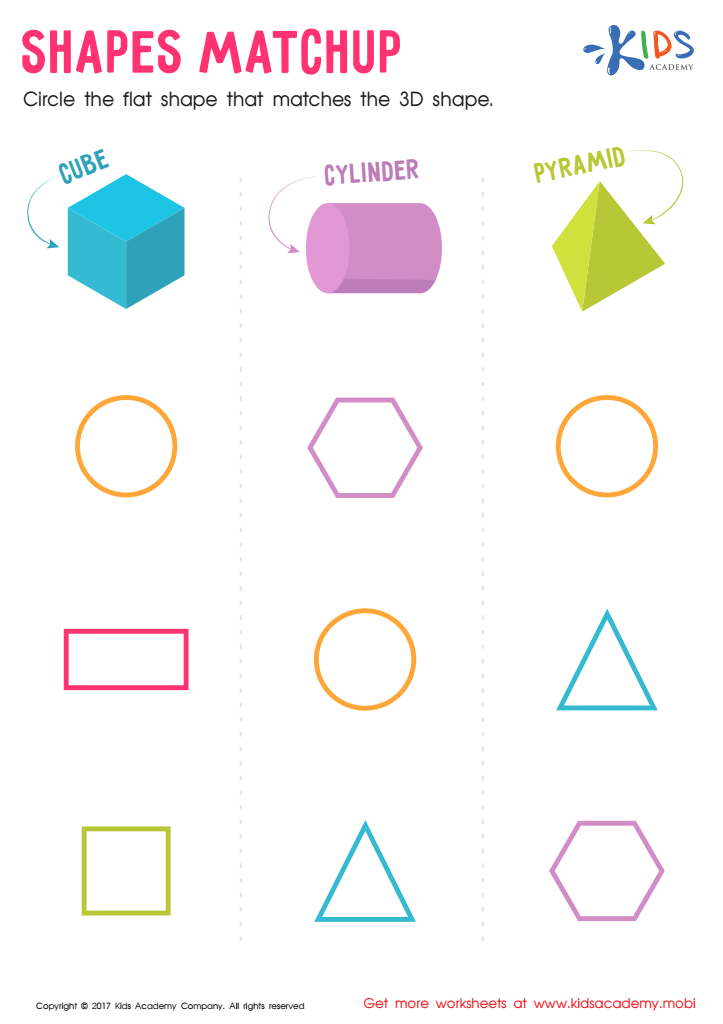
Shapes Matchup Worksheet




.jpg)


Basic geometry knowledge for children aged 6-9 is essential for several reasons. At this developmental stage, young learners are naturally curious and eager to explore the world around them, making it an ideal time to introduce geometric concepts. Understanding basic shapes, spatial relationships, and measurement fosters critical thinking and enhances problem-solving skills. Geometry lays the foundation for more complex mathematics, helping children develop numeracy skills that are crucial for academic success in future grades.
Moreover, geometry is often applied in everyday life—identifying shapes, estimating distance, and understanding space are skills that benefit personal and professional lives. By learning geometric principles, children improve their ability to articulate their observations, engage with their environment, and enhance their cognitive abilities.
Additionally, geometry can be integrated into play and hands-on activities, making learning enjoyable and interactive. Parents and teachers who recognize the importance of these foundational concepts can encourage creativity and spatial awareness through games, art, and exploration. Ultimately, a solid grasp of basic geometry not only supports mathematical development but also instills a sense of confidence and curiosity that nurtures lifelong learning.








