
Counting objects Worksheets for Ages 6-9
12 filtered results
Difficulty Level
Grade
Age
-
From - To
Subject
Activity
Standards
Discover our engaging Counting Objects Worksheets designed specifically for children aged 6-9! These fun and interactive resources help young learners develop essential counting skills while exploring a variety of objects. Each worksheet is tailored to support early math concepts, making it perfect for classroom activities or home learning. With colorful graphics and diverse themes, children will love counting animals, toys, and everyday items, fostering their numerical understanding and visual recognition. Encourage your child’s mathematical journey today with our easy-to-use, printable worksheets that provide both practice and entertainment for budding mathematicians. Start counting and boosting math skills effortlessly!
Favorites
With answer key
Interactive
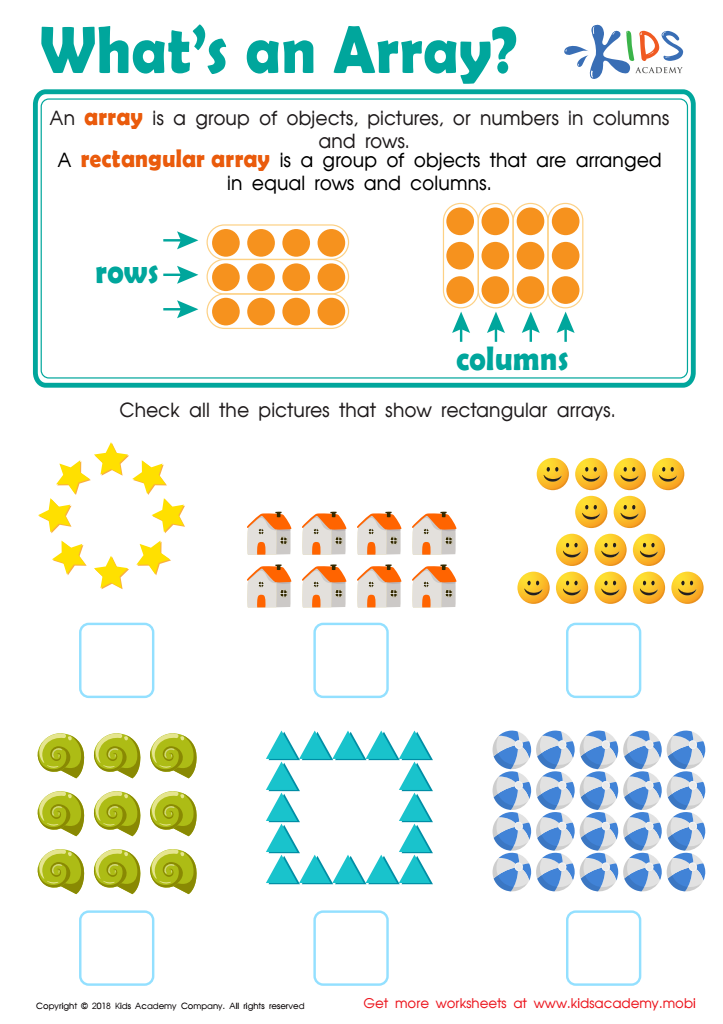
What's an Array? Worksheet
Explain to your child that an array is a group of objects, pictures, or numbers in columns and rows. Show them a rectangular array is a group of objects in equal rows and columns. Guide them to check the pictures in the worksheet to spot any rectangular arrays. Help them remember this concept.
 Assign to My Students
What's an Array? Worksheet
Worksheet
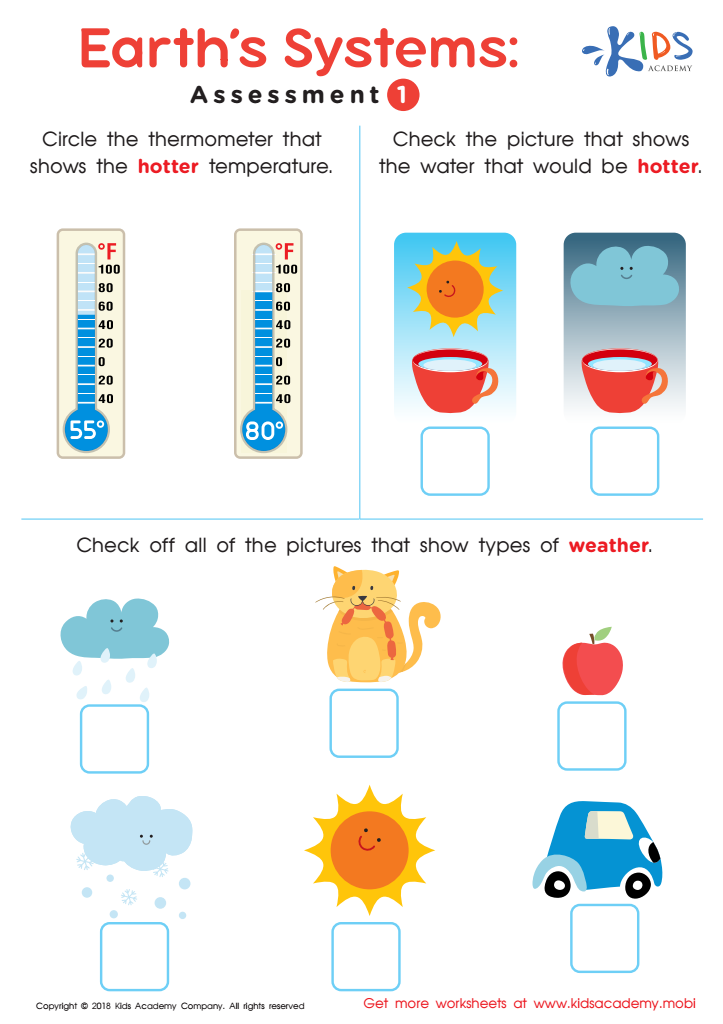
Earth's Systems: Assessment 1
Check your child's knowledge of weather basics with this quick printable worksheet! Using colorful pictures, instruct them to determine which thermometer shows a hotter reading and if water would be warmer in the sun or under clouds. Encourage kids to identify types of weather on the bottom of the page. Assess their readiness to move on!
Earth's Systems: Assessment 1
Worksheet
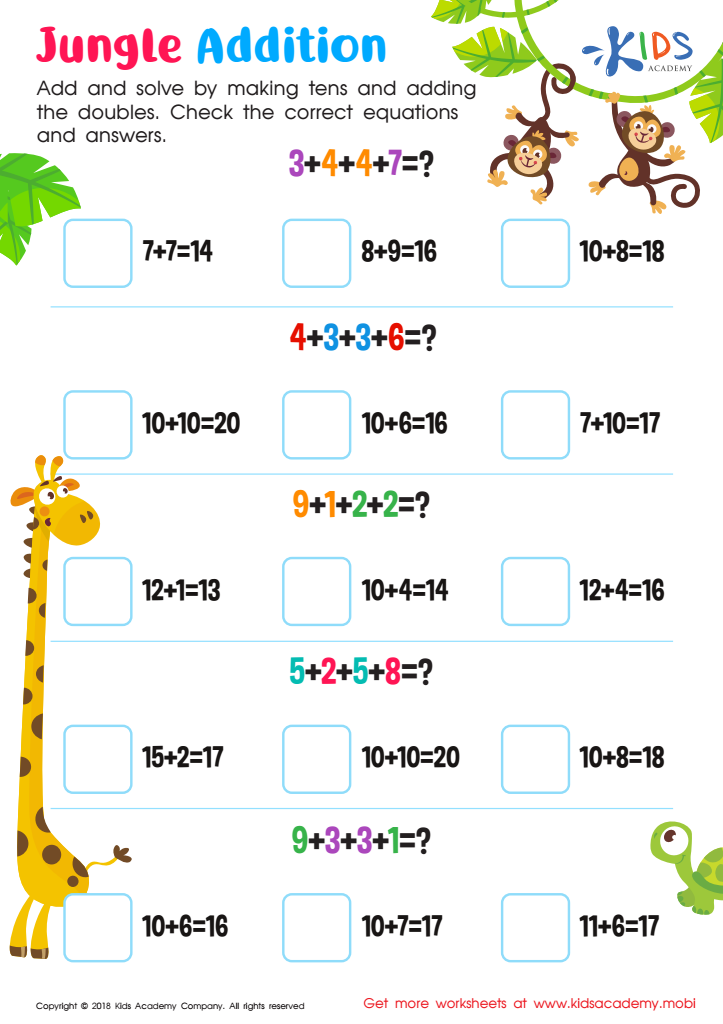
Jungle Addition Worksheet
With this worksheet, kids can use the strategies of making tens and adding doubles to add numbers with more than three addends. They'll practice choosing the right method and become more confident in their calculations, enabling quicker, more efficient computation.
Jungle Addition Worksheet
Worksheet
Join Kids Academy for Free
Who is primarily going to use this learning content?





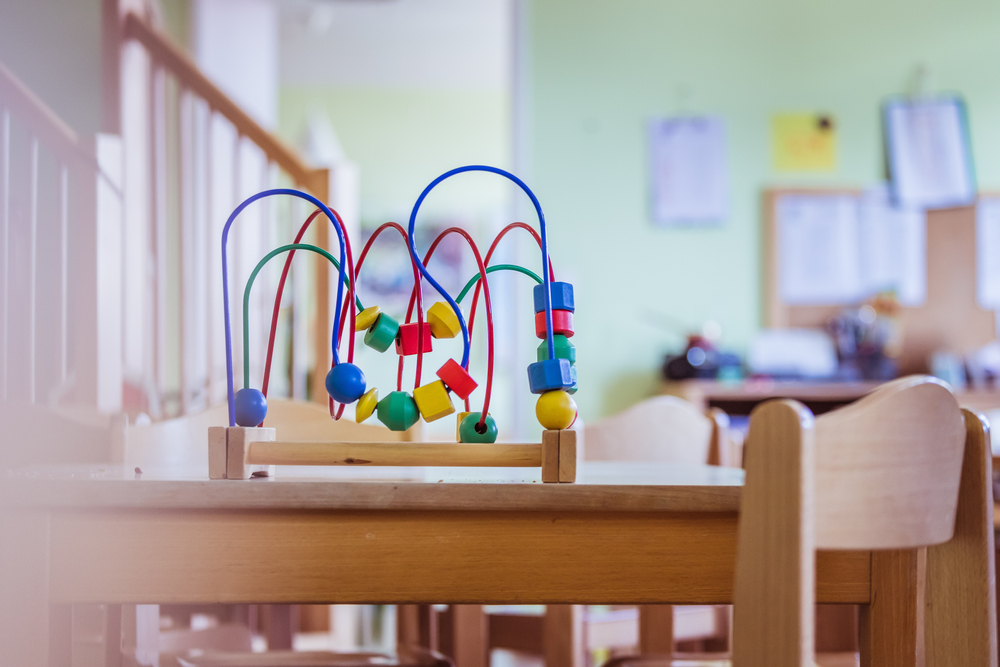
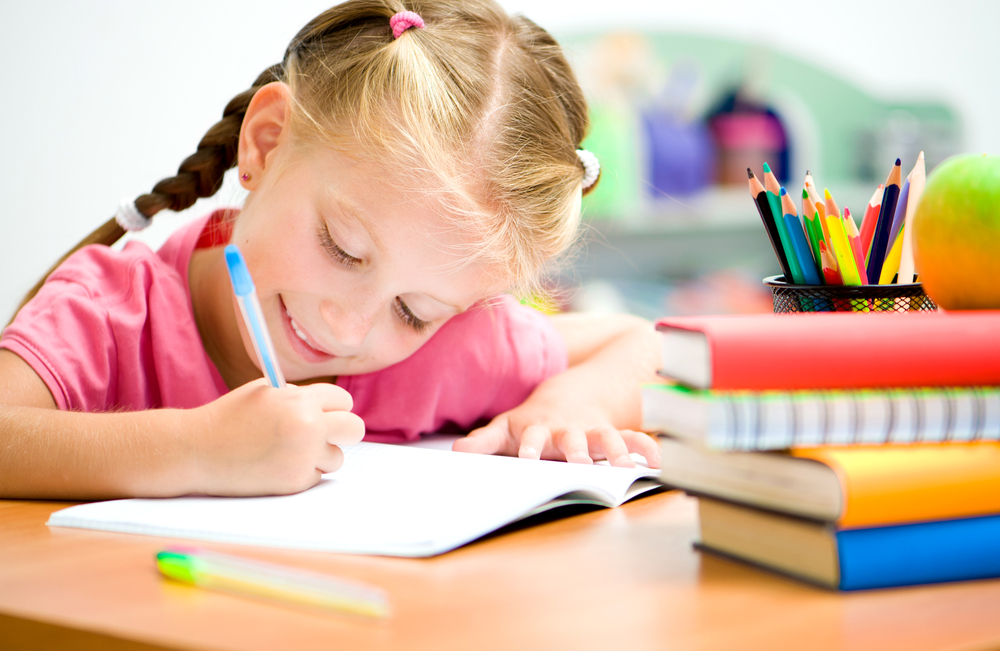

Counting objects is a fundamental skill critical for children aged 6-9, as it lays the groundwork for future math concepts and cognitive development. At this stage, children transition from basic counting to understanding numerical relationships and operations. When parents and teachers encourage counting through tangible objects, they enhance children's engagement by making learning active and relatable.
Counting practice helps improve fine motor skills through manipulation of physical items, such as blocks, beads, or coins, promoting hand-eye coordination. It also aids in developing math fluency, which is essential for more complex arithmetic activities involving addition and subtraction in later grades. Moreover, counting fosters logical thinking and problem-solving skills by requiring children to organize and categorize items, thereby reinforcing their understanding of sequences and quantities.
Furthermore, first experiences with counting can ignite a positive attitude towards mathematics, influencing their confidence and willingness to tackle challenging concepts as they progress in school. Parents and teachers should actively participate in this counting journey by integrating it into everyday activities, such as shopping or organizing objects, making it enjoyable and personally relevant for children. Ultimately, nurturing counting skills in this age group equips children with the tools necessary for academic success and lifelong learning.








