Develop analytical thinking Worksheets for Ages 6-9
5 filtered results
-
From - To
Unlock the power of analytical thinking in young learners with our engaging worksheets for ages 6-9. At Kids Academy, we've designed captivating, kid-friendly activities to enhance critical thinking and problem-solving skills. Our printable worksheets encourage children to explore patterns, make connections, and analyze information, laying a solid foundation for future learning. With diverse exercises ranging from puzzles to logic games, we make learning fun and stimulating. Perfect for both classroom and home use, these resources aim to boost kids’ confidence and foster a love for learning. Discover the transformative impact of analytical skills with Kids Academy today!
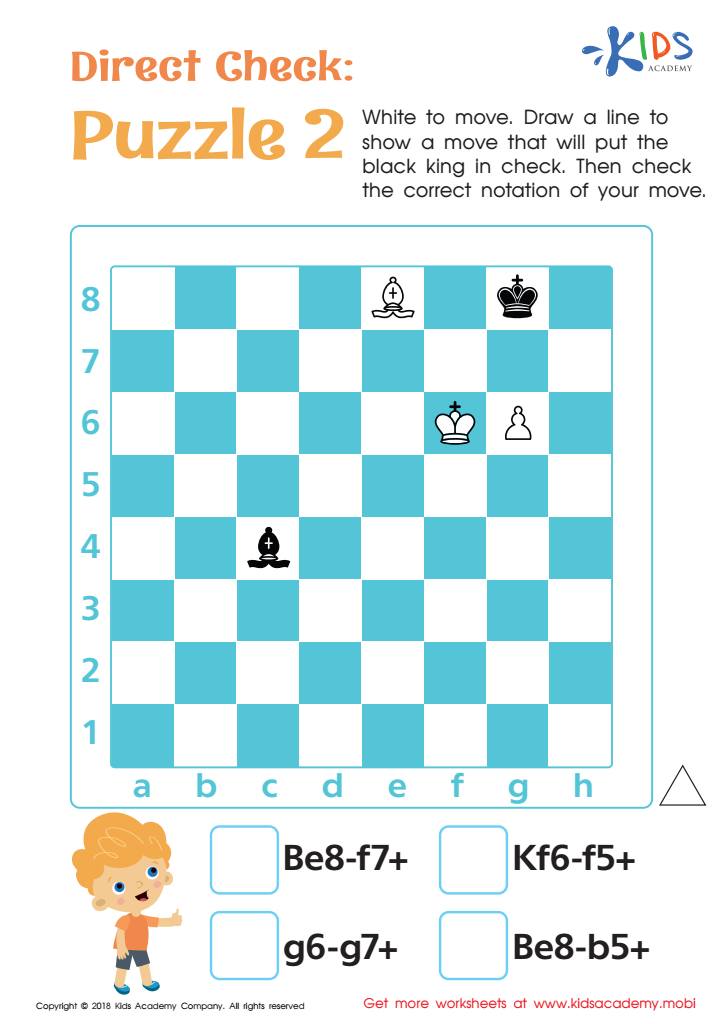
Direct Check: Puzzle 2 Worksheet
 Assign to My Students
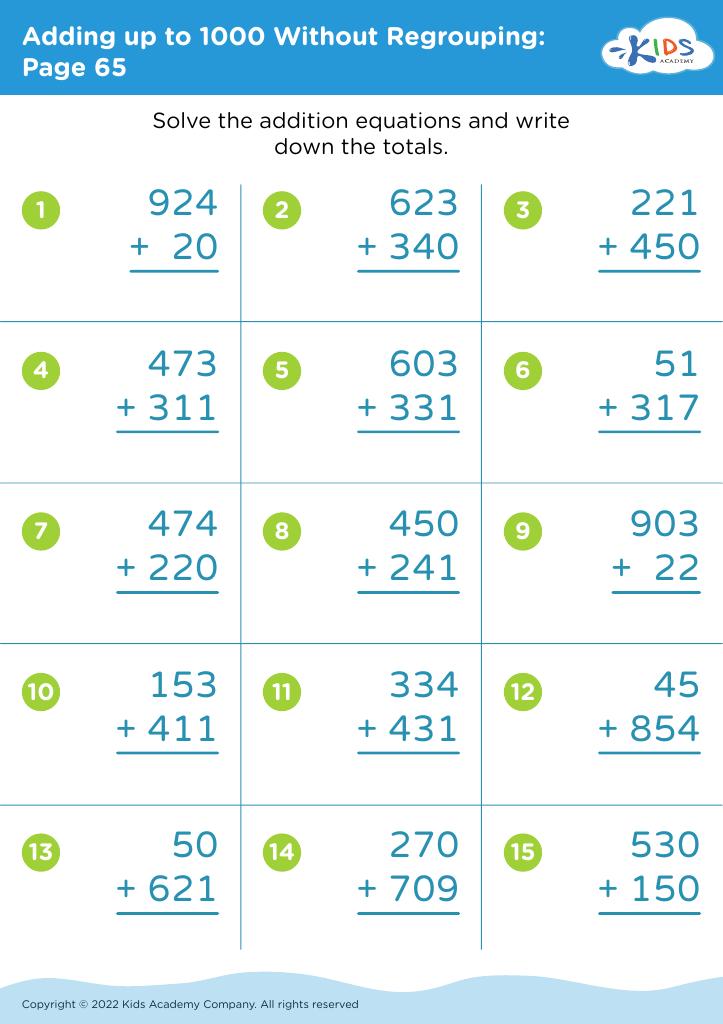
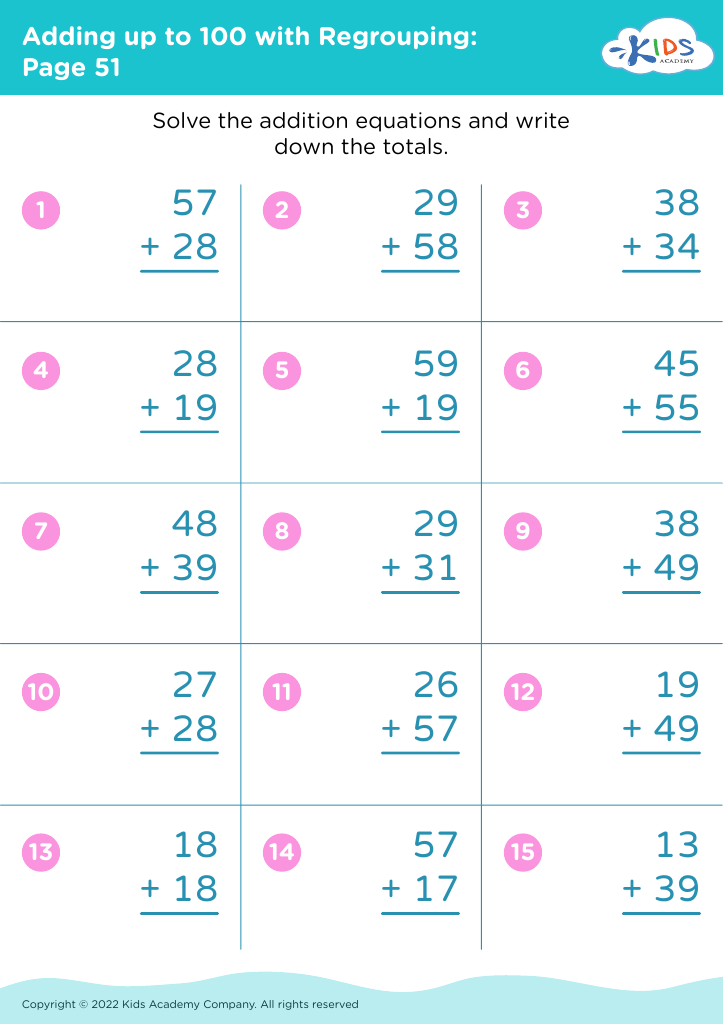
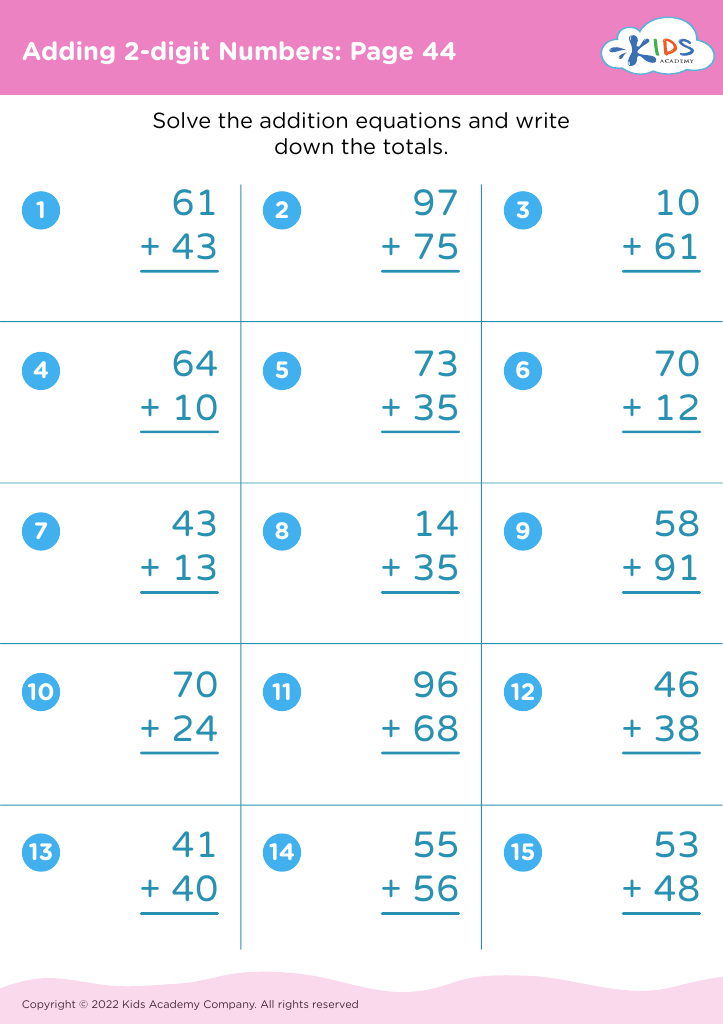








Developing analytical thinking in children ages 6-9 is crucial because it lays the foundation for effective problem-solving and critical decision-making in future academics and life scenarios. During these formative years, children's brains are exceptionally receptive to learning new skills and concepts, making it an ideal time to foster analytical abilities.
Analytical thinking helps children break down complex problems into manageable parts, facilitating a better understanding of subjects like math, science, and reading comprehension. This skill encourages curiosity and boosts their ability to ask insightful questions, predict outcomes, and understand cause-and-effect relationships. By promoting analytical thinking, parents and teachers can help children improve their ability to process information, make connections between ideas, and develop logical arguments.
Beyond academics, analytical thinking is a critical life skill. It equips children to recognize biases, evaluate information critically, and make reasoned decisions – essential skills in a world flooded with data and varying viewpoints. Furthermore, children with well-developed analytical skills often exhibit greater resilience and adaptability, as they can approach challenges methodically and creatively.
Investing in the development of analytical thinking not only enhances immediate educational outcomes but also prepares children for complex problem-solving and innovative thinking required in higher education and future careers, ultimately contributing to their overall personal and professional success.








