Develop number recognition Worksheets for Ages 6-9
7 filtered results
-
From - To
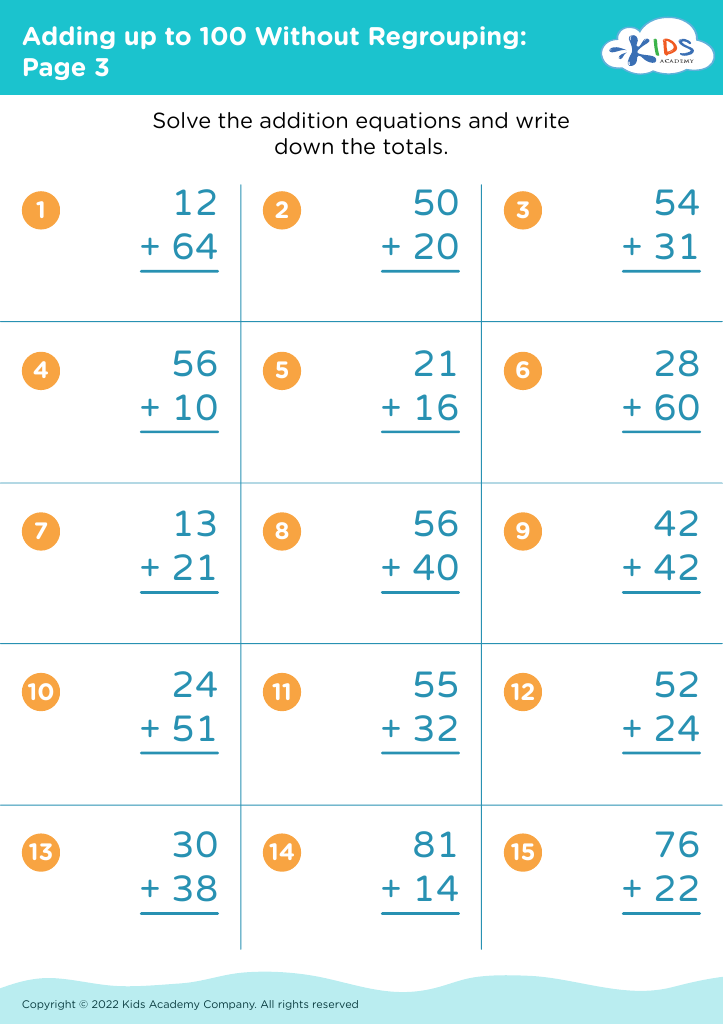
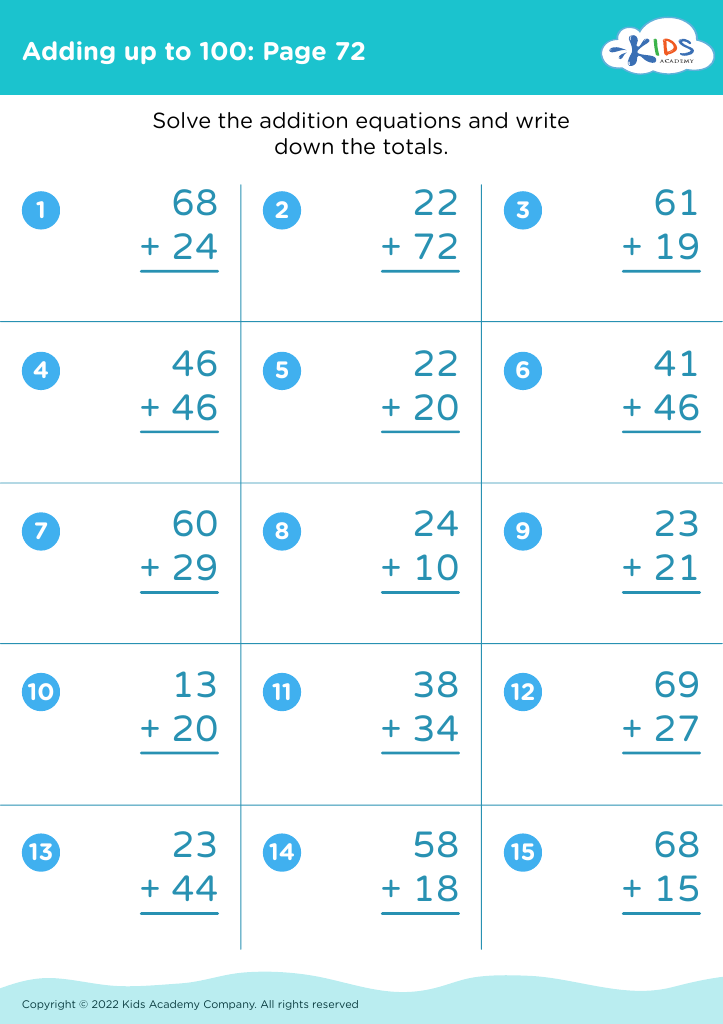
Welcome to our collection of engaging number recognition worksheets designed specifically for children ages 6-9! These worksheets aim to enhance your child's ability to identify, understand, and work with numbers. Featuring a variety of fun and interactive activities, our resources include matching games, number tracing, and visual recognition exercises. These materials are tailored to improve numerical comprehension, promoting essential math skills while keeping learning enjoyable. Perfect for parents and teachers, our worksheets support classroom learning or at-home practice. Dive into our exercises today and help your child develop a strong foundation in number recognition that will benefit their math journey!
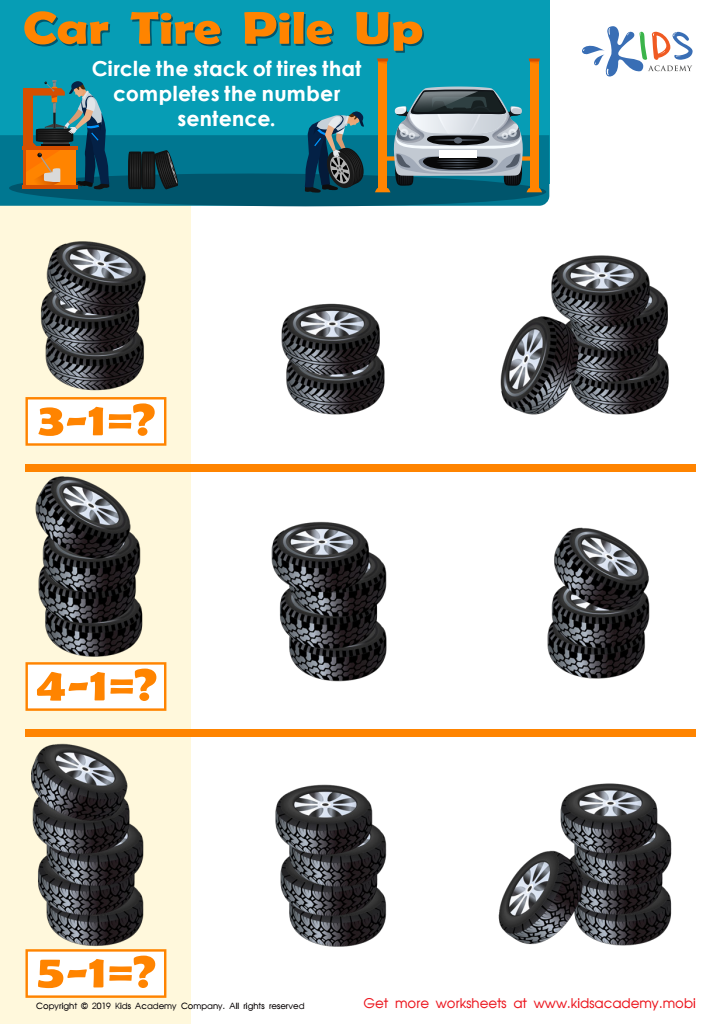
Car Tire Pile Up Worksheet
 Assign to My Students
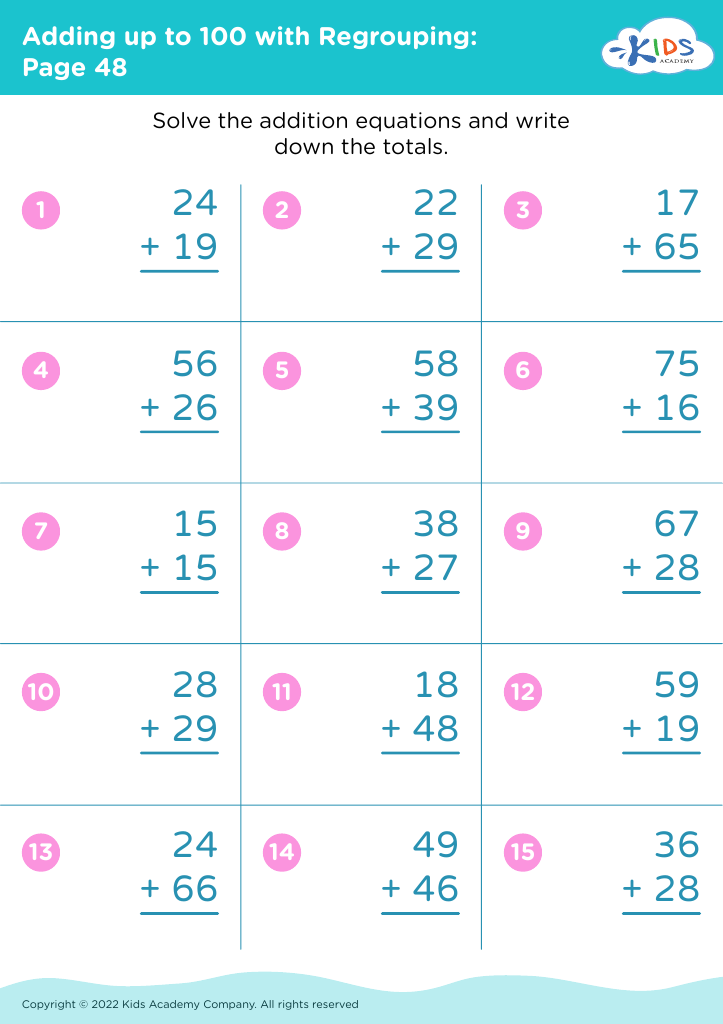
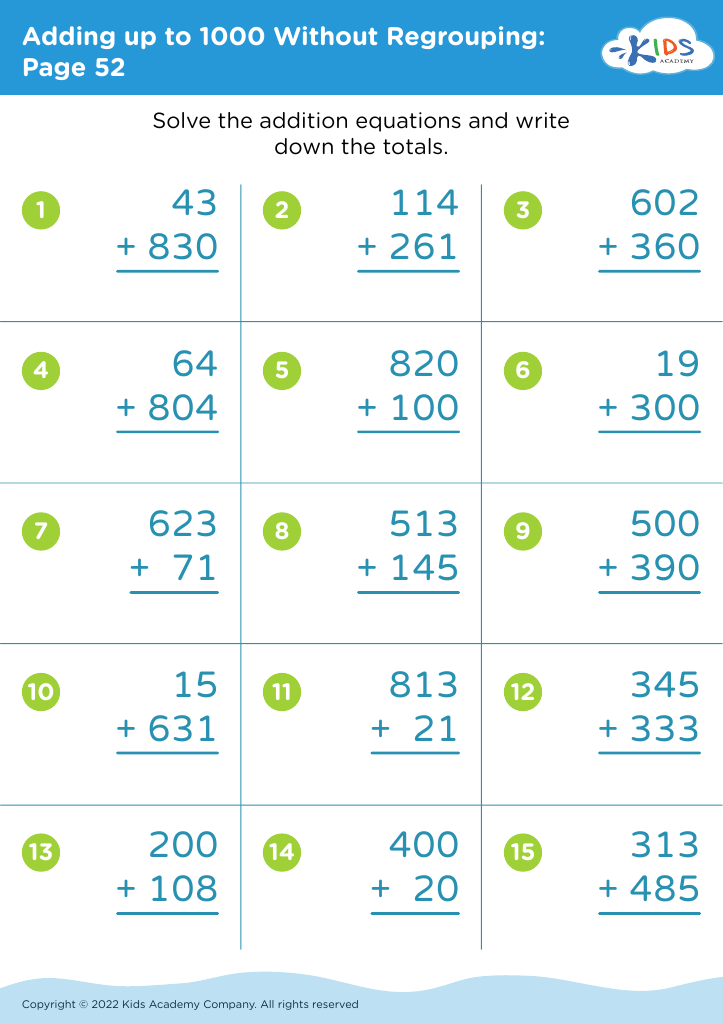
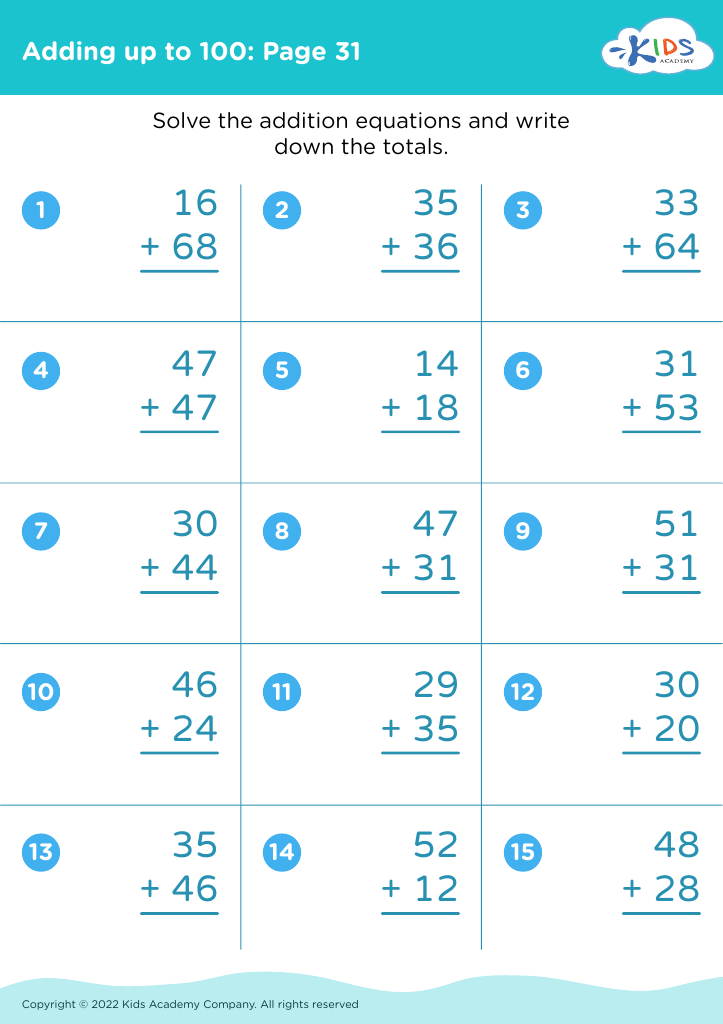
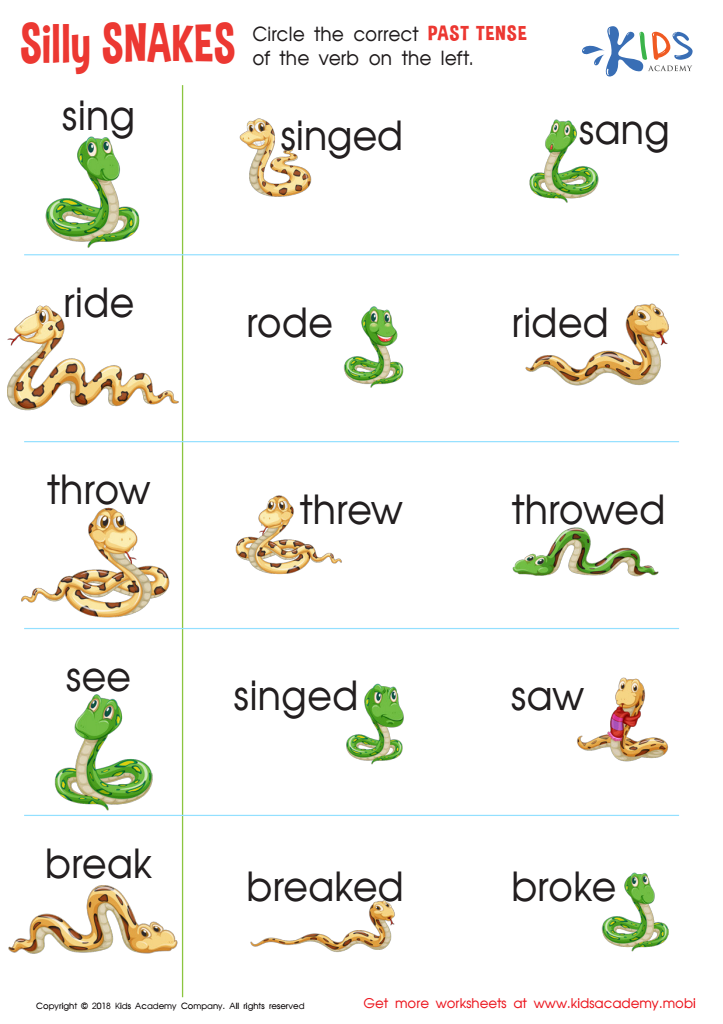
Silly Snakes Worksheet








Developing number recognition in children aged 6-9 is crucial for their overall mathematical foundation and cognitive growth. During these years, children are transitioning from basic number skills to more complex mathematical concepts. By mastering number recognition, they build confidence and engage more effectively with math-related activities. This stage is fundamental as it lays the groundwork for future learning, including addition, subtraction, and place value concepts.
Parents and teachers play a vital role in this development. Engaging students through fun, interactive activities can enhance their enthusiasm for numbers. Encouraging everyday interactions with numbers, such as counting objects or identifying numerals in books or in the environment, reinforces learning. Additionally, fostering a positive attitude towards math can ameliorate the fear or anxiety some children may associate with it.
Promoting number recognition also involves supporting critical thinking and problem-solving skills, as children learn to understand relationships among numbers. Ultimately, establishing a solid number recognition skill set enables children to achieve better academic outcomes and supports their journey towards becoming proficient in mathematics. When parents and teachers collaborate in this effort, they ensure that children feel competent and capable in their mathematical abilities, setting them up for success in their educational futures.








