Developing fine motor skills Worksheets for Ages 6-9
6 filtered results
-
From - To
Discover our engaging collection of worksheets designed to enhance fine motor skills for children aged 6-9! These fun and interactive activities encourage young learners to practice essential skills such as hand-eye coordination, dexterity, and control. Our worksheets incorporate a variety of tasks, including tracing, cutting, and coloring, making learning enjoyable and effective. Ideal for classroom settings or at-home practice, these resources are crafted to support developmental milestones and build confidence in young learners. Whether preparing for school or simply enjoying creative play, these worksheets provide a valuable foundation for future academic success. Start your child's fine motor journey today!
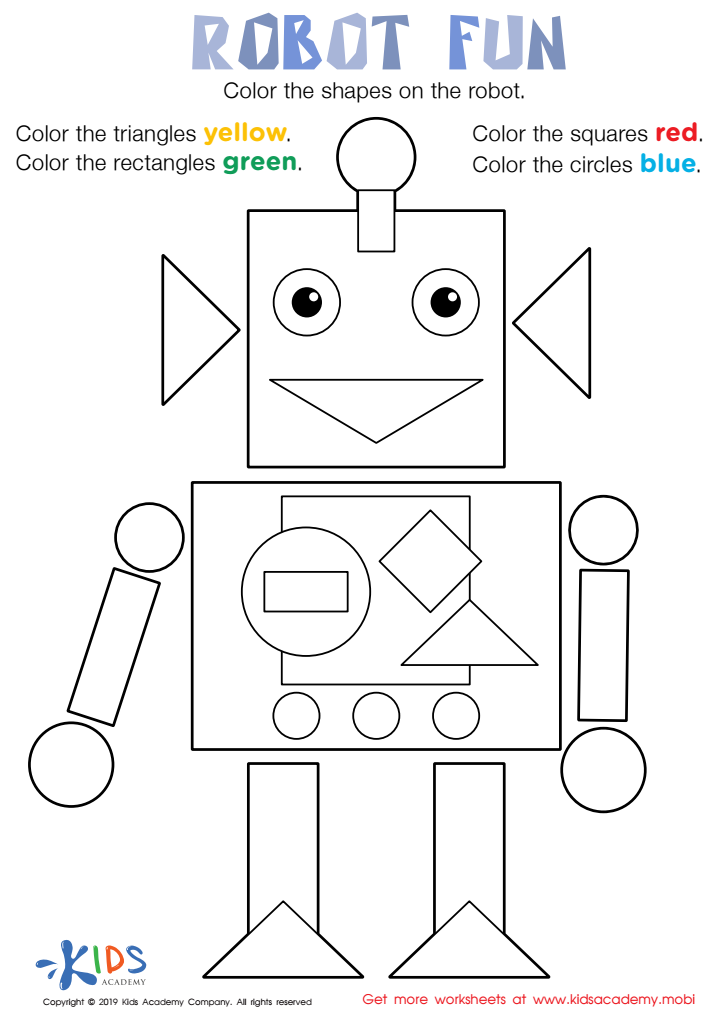
Robot Fun Worksheet
 Assign to My Students
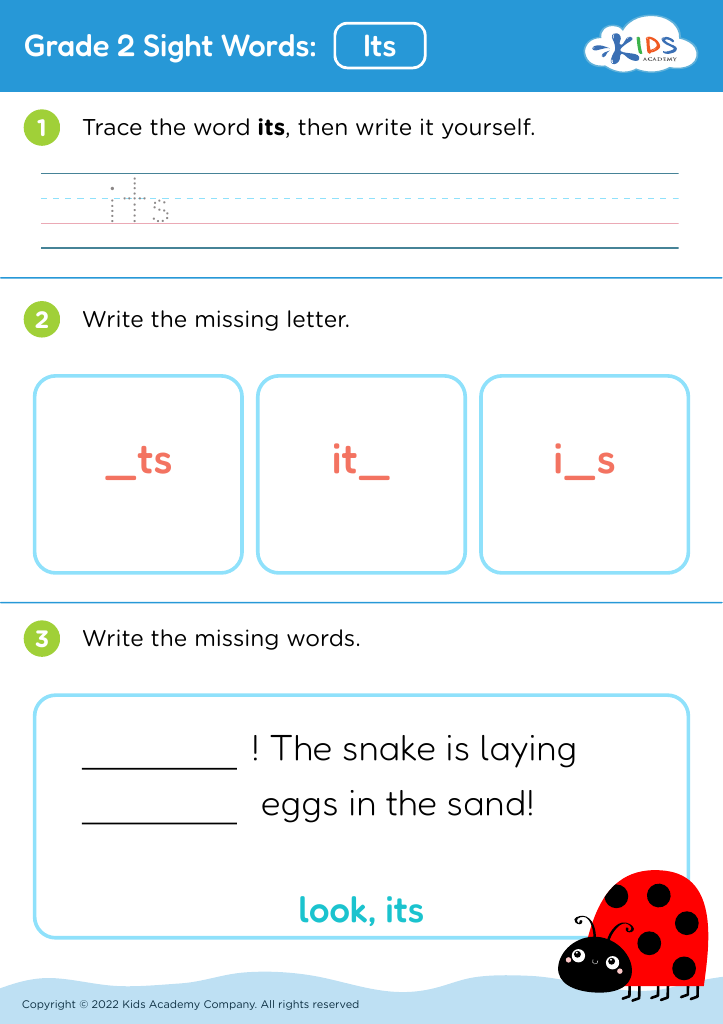
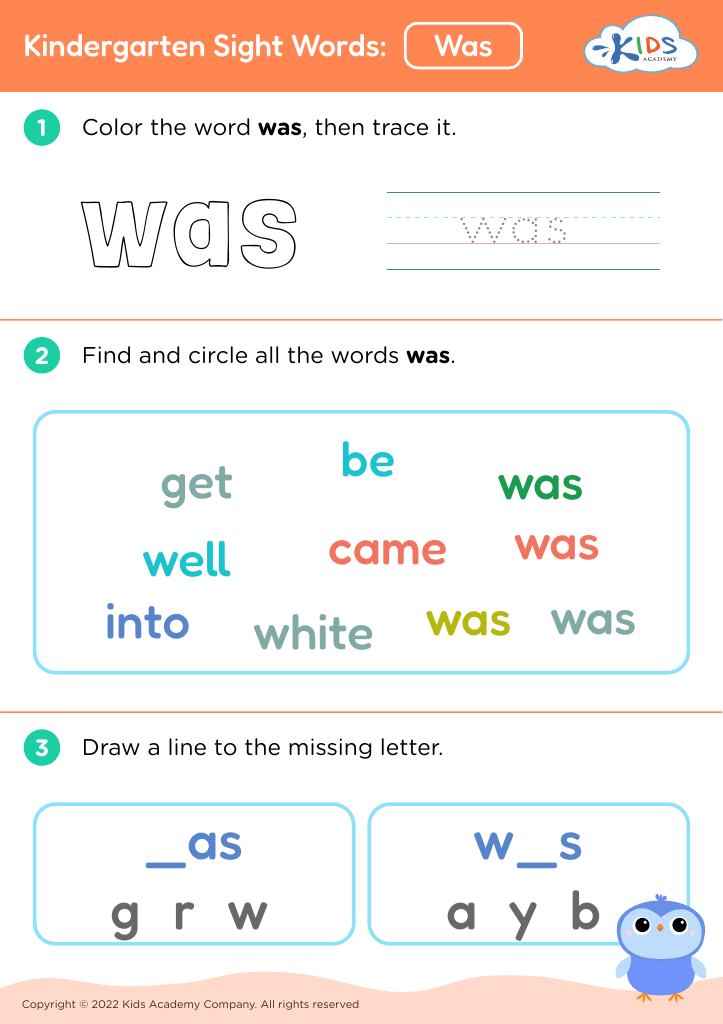








Developing fine motor skills in children aged 6-9 is crucial for their overall growth and learning. At this stage, fine motor skills—the ability to use small muscles for coordinated actions—play a significant role in a child's academic success and daily life. Proficient fine motor skills enhance children's ability to perform tasks such as writing, drawing, and using tools, which are essential for school readiness and participation in classroom activities.
Moreover, fine motor skills contribute to a child's self-esteem and independence. As children become more adept at managing small tasks, they gain confidence in their abilities, leading to a positive attitude towards learning. Engaging in activities that promote fine motor development, such as cutting, painting, and manipulating small objects, also fosters creativity and problem-solving skills.
Additionally, fine motor development is linked to cognitive growth. Children use these skills in tandem with visual-motor coordination, influencing their capacity to focus and concentrate. As a result, both parents and teachers should prioritize fine motor skill development to ensure that children are well-equipped for a successful academic journey and a confident transition into more complex tasks. Ultimately, nurturing these skills lays a foundation for lifelong learning and essential life skills.








