Directional skills Worksheets for Ages 6-9
6 filtered results
-
From - To
Our engaging Directional Skills Worksheets for Ages 6-9 are designed to improve your child's spatial awareness, understanding of directions, and problem-solving abilities. These worksheets provide a variety of fun activities, from following paths to connecting dots, that stimulate your child’s curiosity and enhance their critical thinking. Perfect for both classroom and at-home learning, they help children easily grasp fundamental concepts of directions like left, right, up, and down. Boost your child's navigational skills and confidence with these interactive and educational worksheets, tailored for young learners aged 6-9.
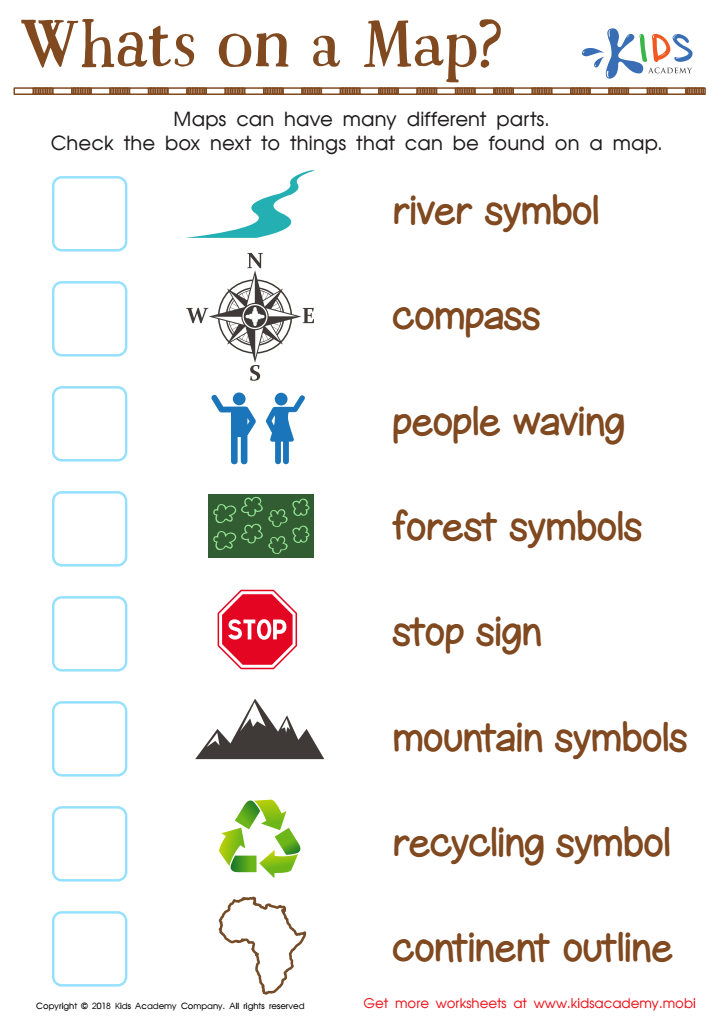
Whats on a Map? Worksheet
 Assign to My Students
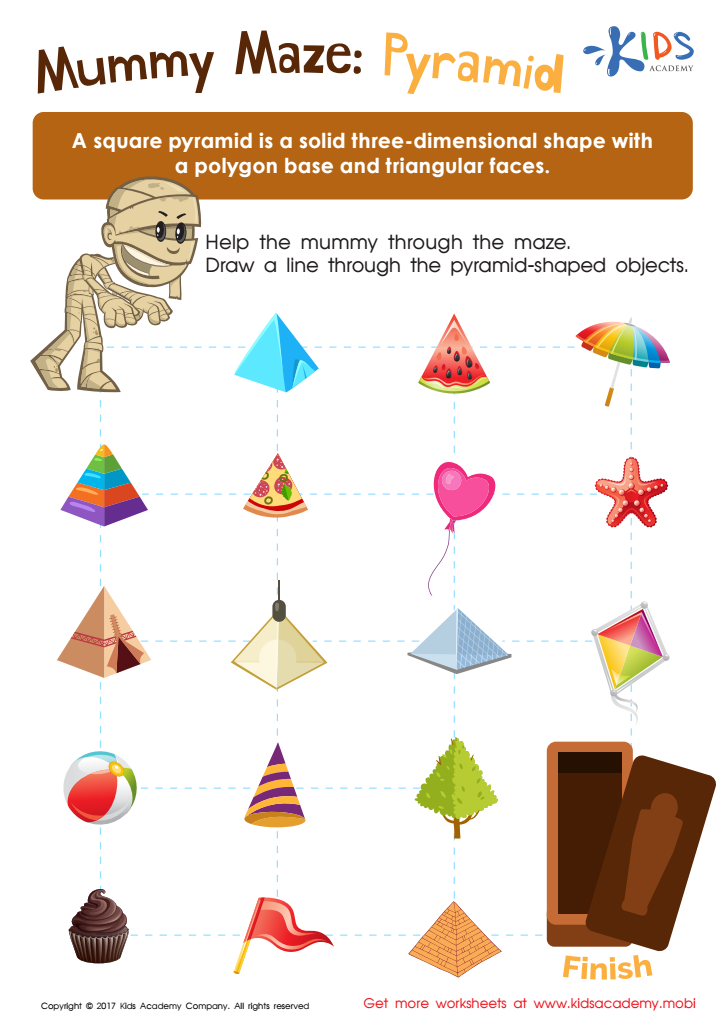
Mummy Maze: Pyramid Printable
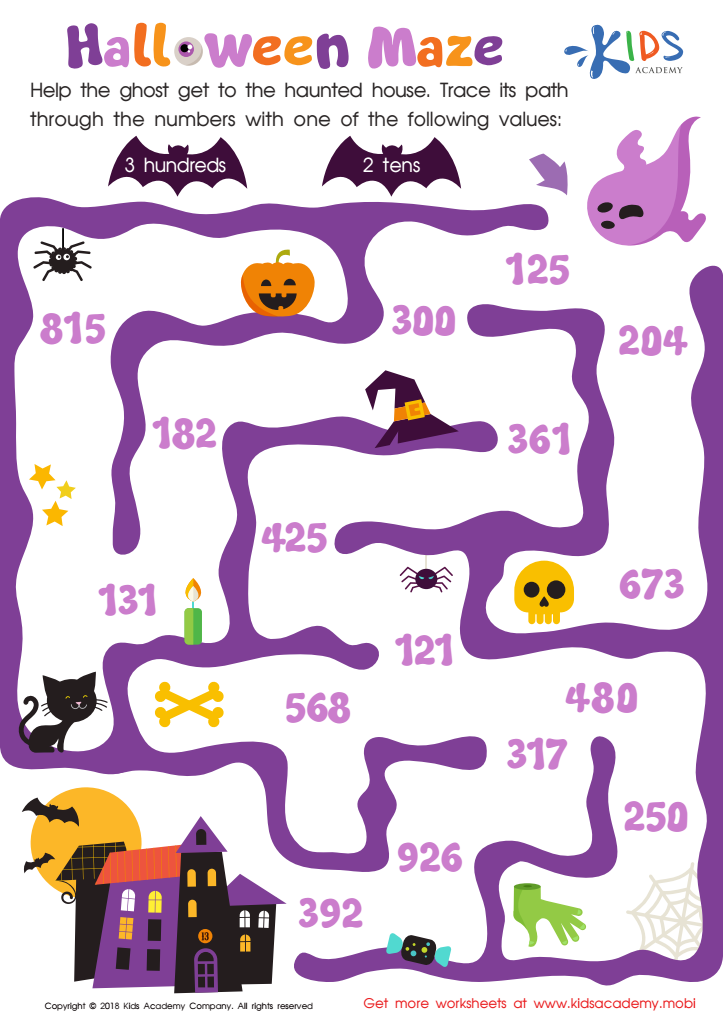
Place Value: Halloween Maze Worksheet
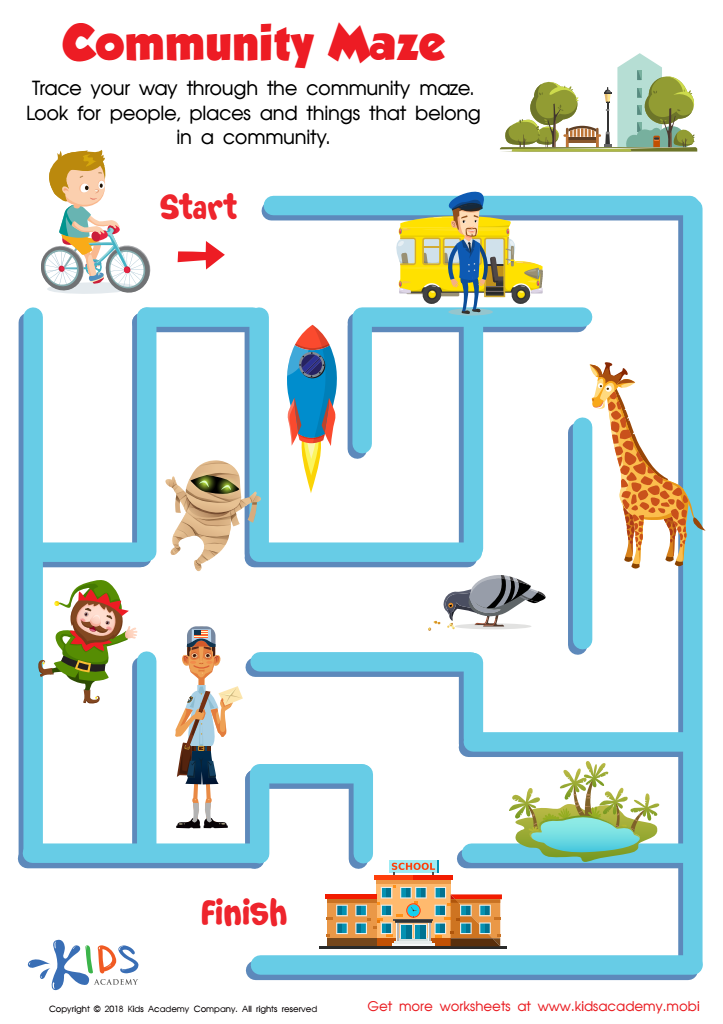
Community Maze Worksheet
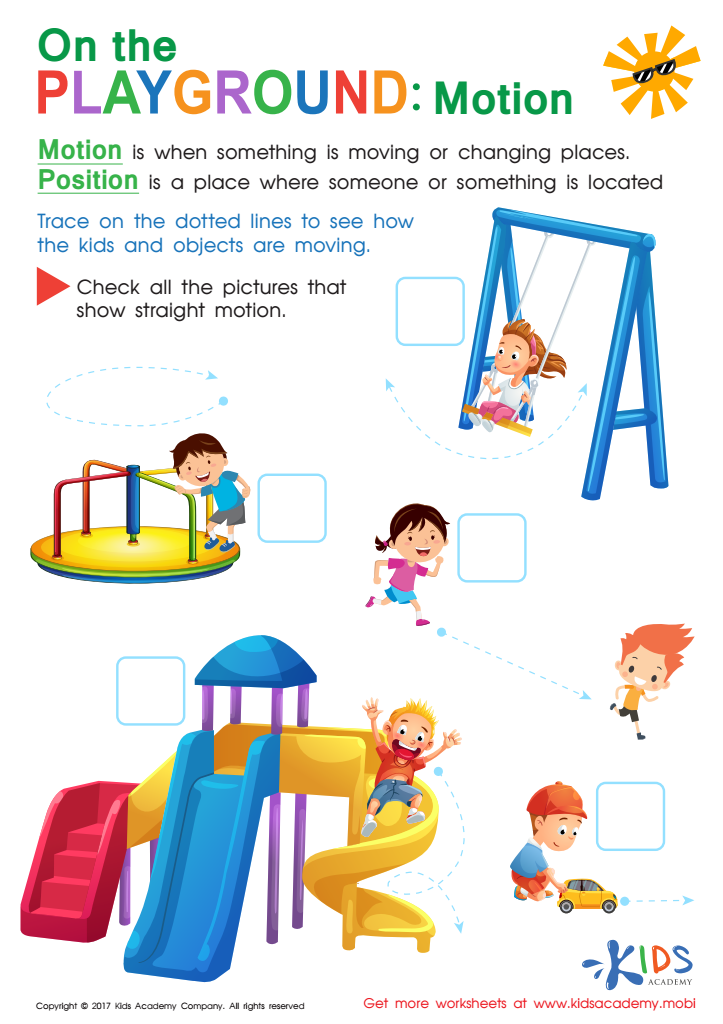
Position and Motion Worksheet
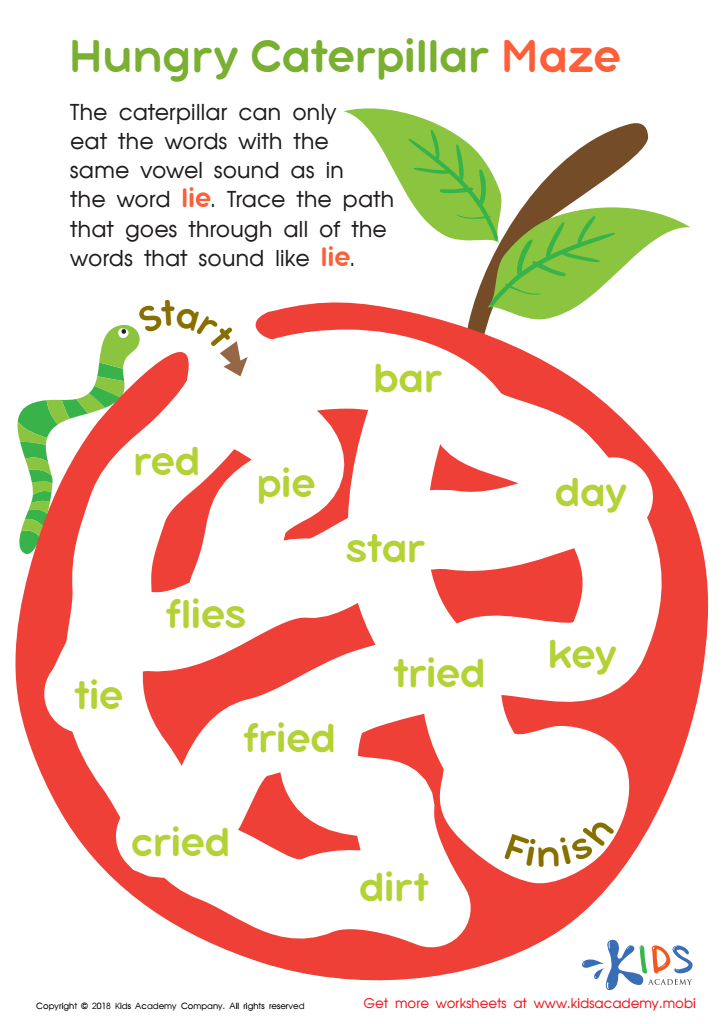
Hungry Caterpillar Maze Worksheet







Directional skills are crucial for children aged 6-9 as they lay the foundation for spatial awareness, which is essential for both academic and everyday activities. Parents and teachers should prioritize these skills because they significantly impact a child's ability to follow instructions, navigate their environment, and develop crucial cognitive abilities.
At this age, children start to engage more in structured learning, and directional skills help them understand concepts such as left, right, up, and down. This understanding is vital for reading and writing, as children need to follow words on a page from left to right and move from the top to the bottom. It also plays a role in math, especially in understanding graphs and geometric shapes.
Moreover, good directional skills enhance a child's physical coordination and navigation abilities. Being able to follow the directions "turn left" or "go straight" helps in engaging in sports or navigating places like school hallways. This can foster independence, confidence, and safe exploration of their world.
Teachers can incorporate activities that involve following directions, playing games that require movement in various directions, or using maps in lessons. Parents can reinforce these skills at home through simple tasks like setting the table ("place the fork on the left") or through games. Developing these skills in children ensures they are better equipped academically, cognitively, and socially.








