
Fraction comparison skills Worksheets for Ages 6-9
3 filtered results
Difficulty Level
Grade
Age
-
From - To
Subject
Activity
Standards
Enhance your child's understanding of fractions with our Fraction Comparison Skills Worksheets for ages 6-9. These engaging and educational worksheets are designed to help young learners grasp the concept of comparing fractions in a fun, interactive way. Through a series of increasingly challenging exercises, children will develop essential math skills crucial for their academic growth. Perfect for both classroom and at-home learning, our well-structured activities encourage kids to build confidence in fraction comparison. Prepare your child for future math success with targeted practice that simplifies complex concepts into easily digestible parts. Download our expertly crafted worksheets today and watch your child excel!
Favorites
With answer key
Interactive
Join Kids Academy for Free
Who is primarily going to use this learning content?





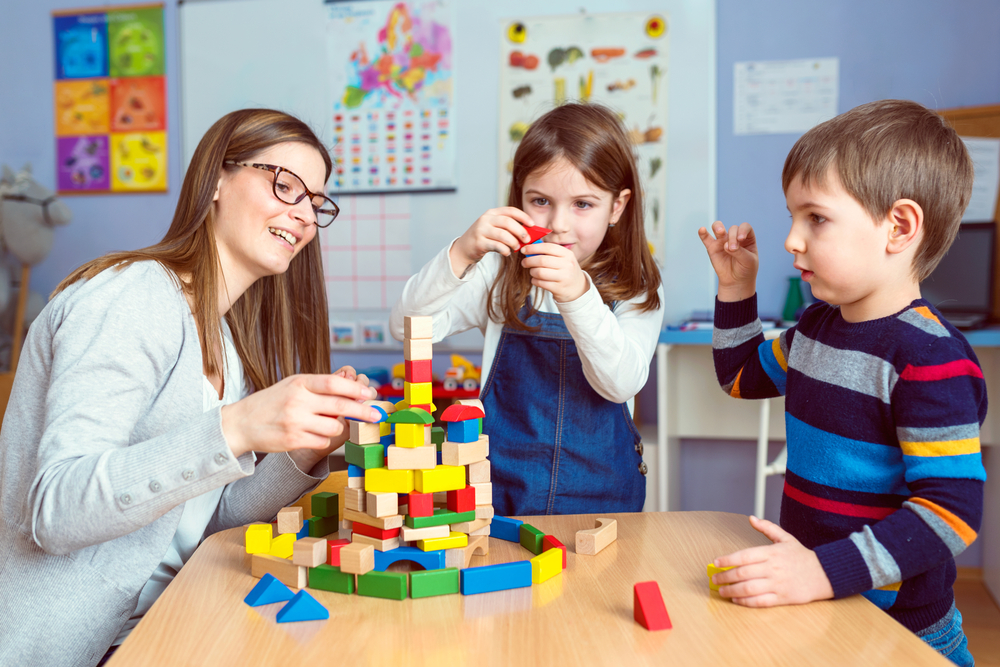


Understanding fractions is a fundamental skill for children aged 6-9 because it lays the foundation for more advanced mathematical concepts taught in later grades. Mastering fraction comparison early on provides numerous educational benefits and develops critical thinking. When parents and teachers emphasize fraction comparison skills, they help children cultivate a solid number sense, understand parts of a whole, and grasp the concept of relative value.
Moreover, fraction comparison is closely tied to real-world applications. Simple activities, like sharing food or dividing objects, often involve comparing fractions. Guiding children through these everyday situations nurtures both practical understanding and engagement with mathematics. By identifying which of two fractions is larger or understanding that different fractions can represent the same quantity, children learn to think more deeply about numbers and relationships.
Additionally, difficulties with fractions are a common hurdle in future math learning. Without a strong foundation in these skills, students often struggle with algebra, geometry, and even data analysis. Thus, early competence in fraction comparison equips children with the confidence and ability to pursue higher-level math, leading to overall academic success. Parents and teachers who prioritize this fundamental skill help ensure a smooth, positive math journey.








