Identifying characters Worksheets for Ages 6-9
3 filtered results
-
From - To
Welcome to our Identifying Characters Worksheets for Ages 6-9! This engaging collection of printable worksheets is designed to enhance young learners' reading comprehension and character recognition skills. Perfect for homeschool or classroom use, these worksheets feature fun activities that help children identify main and supporting characters in stories. Using vibrant illustrations and relatable contexts, students will improve their understanding of character traits and roles, fostering their analytical thinking. Ideal for diverse learning styles, these worksheets promote engagement and creativity in learning to read. Download now to inspire a love of reading while honing essential literacy skills in your child’s educational journey!
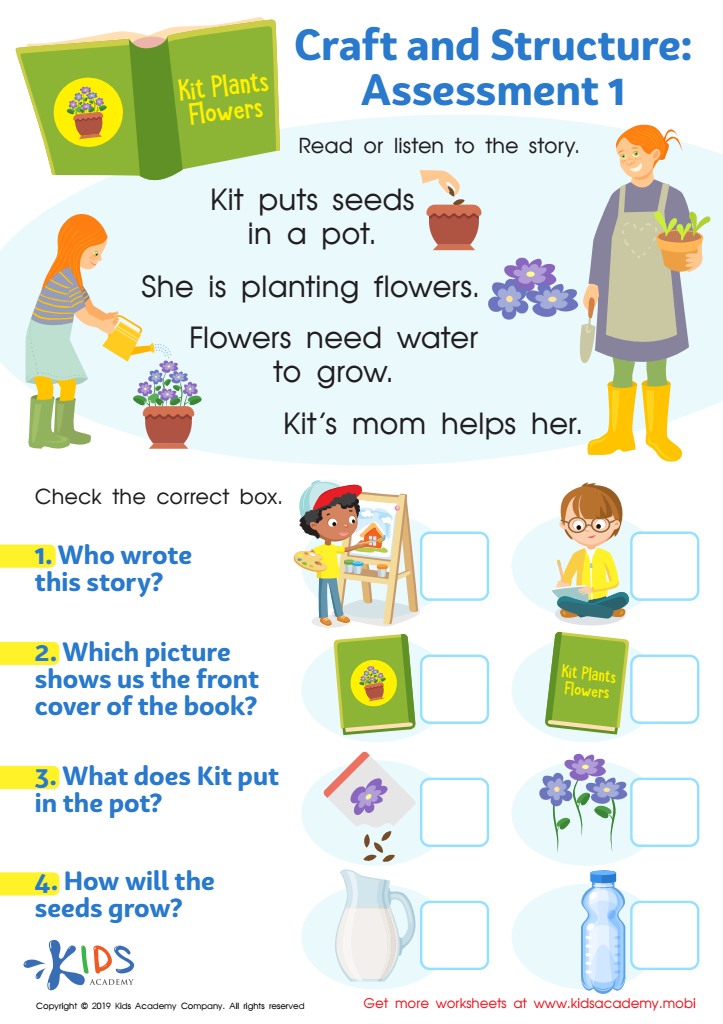
Craft and Structure: Assessment 1 Worksheet
 Assign to My Students
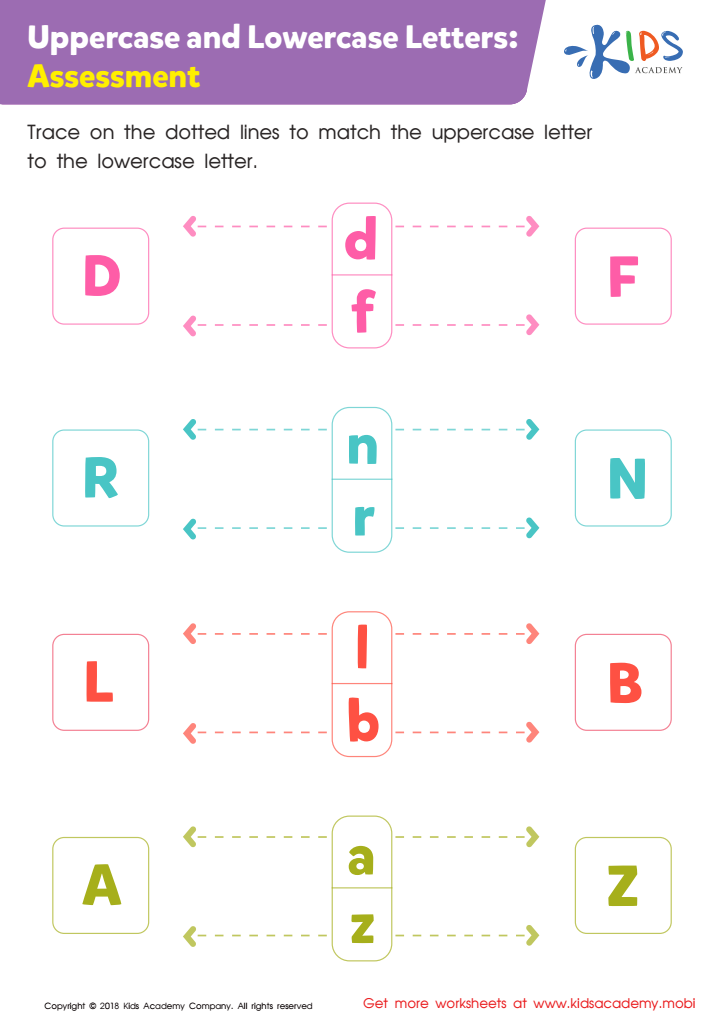
Uppercase and Lowercase Letters: Assessment Worksheet








Identifying characters plays a crucial role in the literacy development of children aged 6-9, making it essential for parents and teachers to prioritize this skill. Understanding characters helps children connect emotionally to the stories they read, fostering empathy and social awareness. When young readers identify with characters, they are more likely to engage with the text, enhancing their comprehension and retention.
Recognition of characters also builds critical thinking skills. As children analyze characters’ traits, motivations, and relationships, they learn to make inferences and draw conclusions that go beyond the text. This analysis supports their ability to reason and problem-solve, skills that are beneficial not only in reading but across all areas of learning.
Moreover, discussing characters encourages children to express their thoughts and opinions. It invites conversations that enhance vocabulary and communication skills, fostering a love for storytelling.
Ultimately, identifying characters nurtures a foundational skill for future reading success. With strong character identification skills, children become not only better readers but also more astute thinkers, better equipped to navigate the complexities of stories and real-life interactions alike. Investing time in this aspect of literacy is vital for holistic child development.








