Identifying fractions Worksheets for Ages 6-9
6 filtered results
-
From - To
Discover our engaging Identifying Fractions Worksheets designed specifically for children aged 6-9. These interactive resources help young learners master the concept of fractions through fun activities and visually appealing graphics. Each worksheet focuses on identifying fractions in various contexts, promoting critical thinking and problem-solving skills. By exploring fraction representation—like parts of a whole or sets—kids will gain a solid foundation in mathematical principles. Ideal for both classroom and home learning, our worksheets provide a perfect blend of education and entertainment, ensuring your child develops confidence and enthusiasm for mathematics. Access our collection today to support your child’s fraction learning journey!
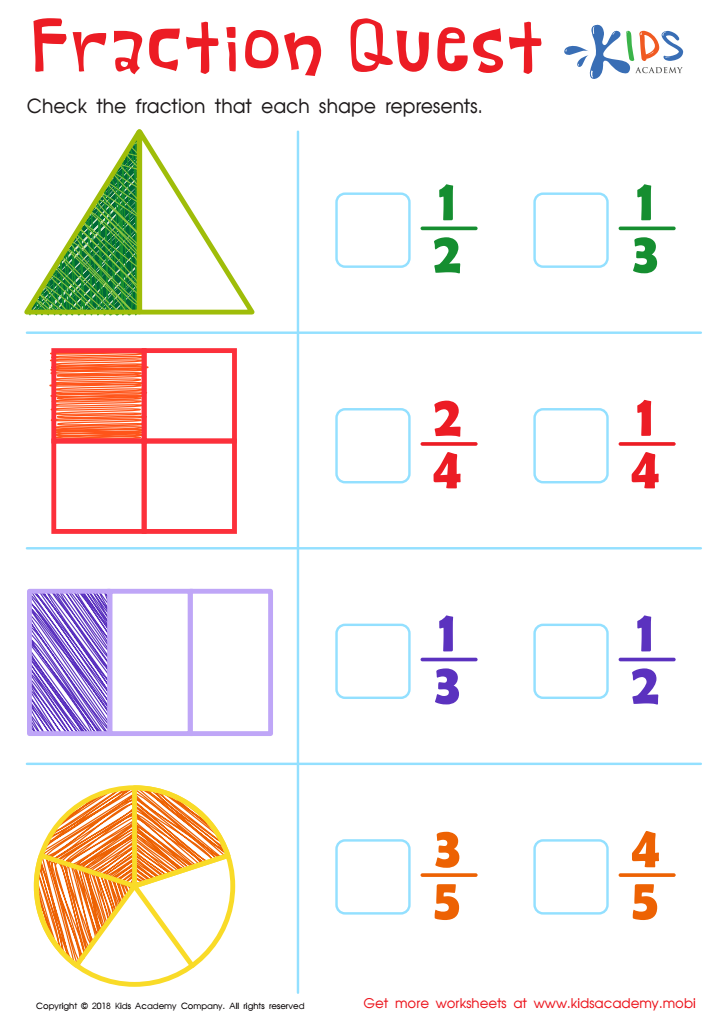
Fraction Quest Worksheet
 Assign to My Students
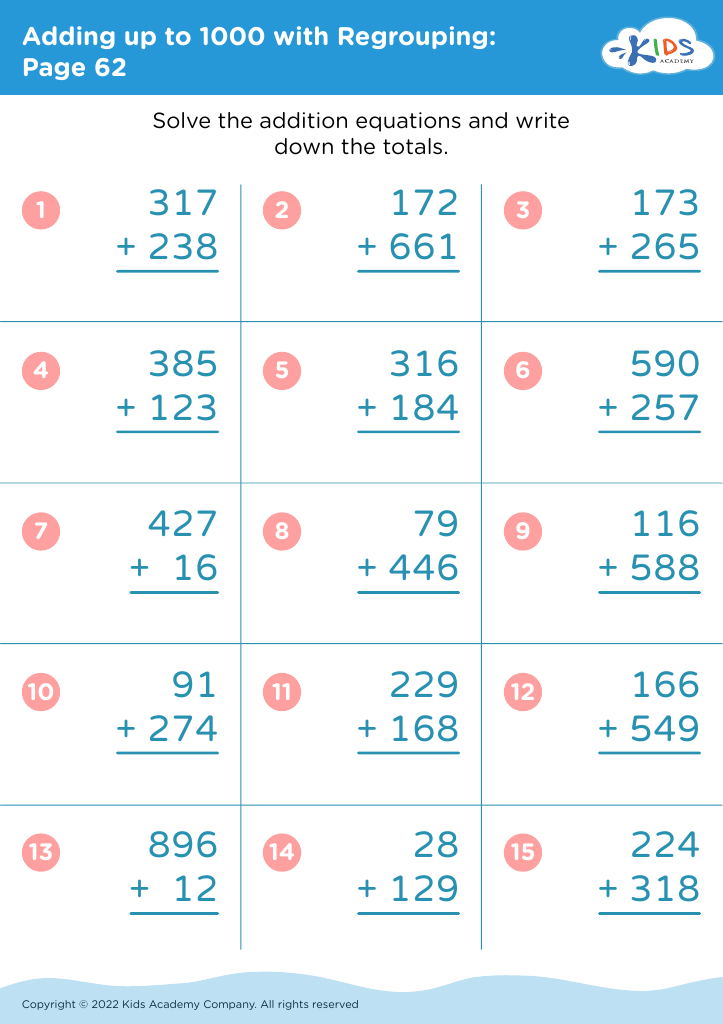
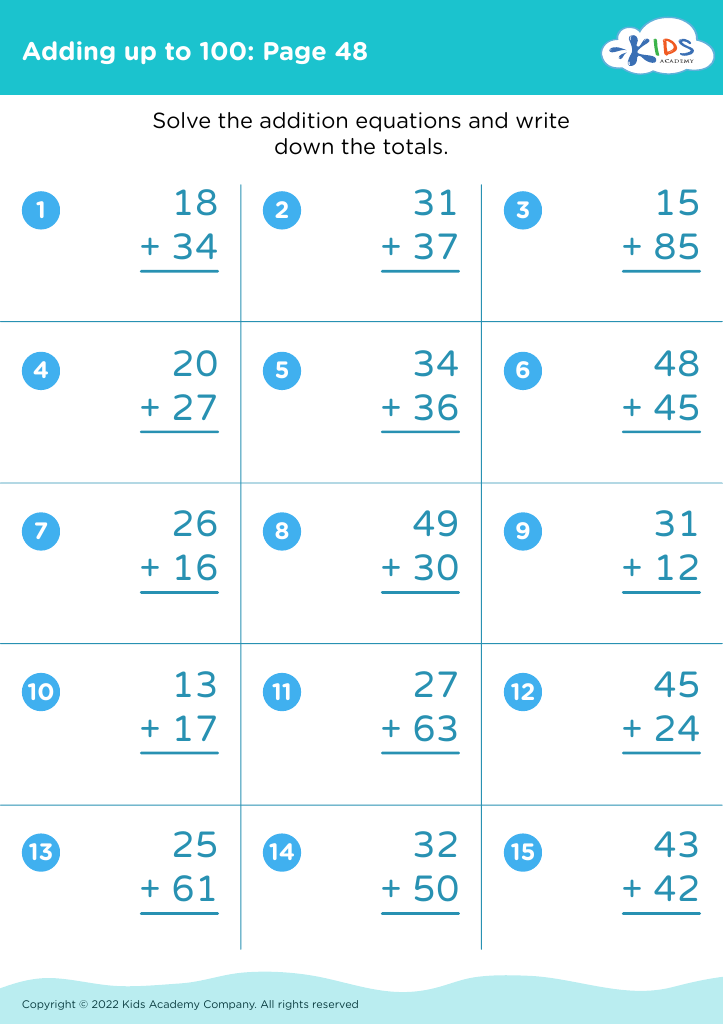
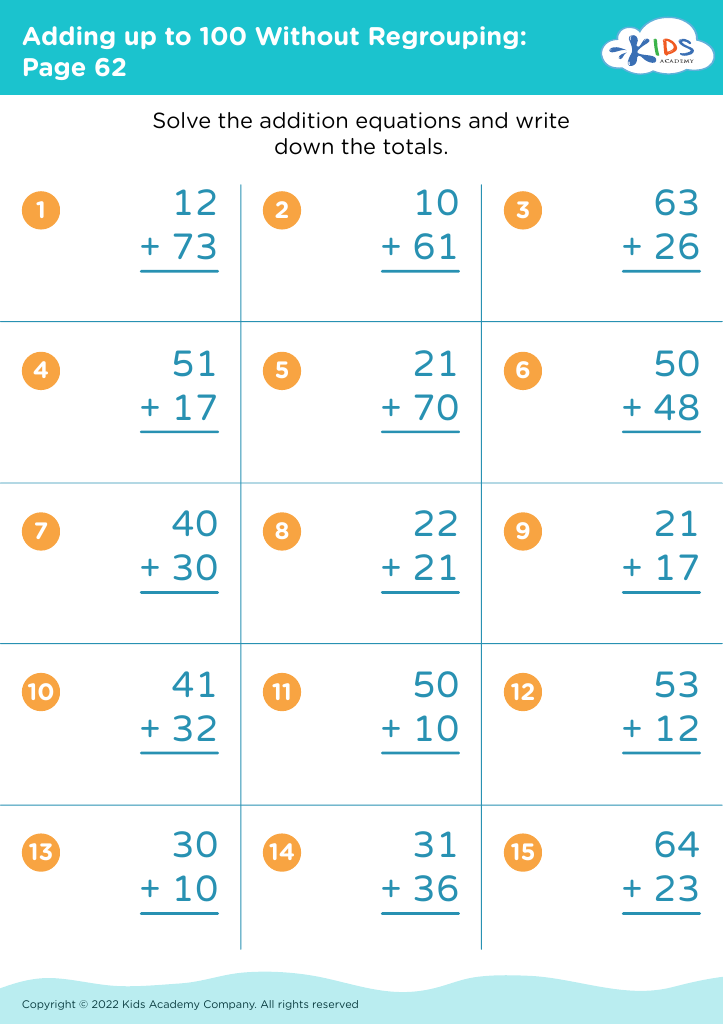





Identifying fractions is a crucial skill for children ages 6-9, as it lays the foundation for more complex mathematical concepts in future grades. Understanding fractions fosters mathematical reasoning, helping children recognize parts of a whole, which is essential in everyday life. By learning to identify fractions, children develop a sense of proportionality and fairness, valuable skills in both academic and social contexts.
Moreover, early fraction recognition enhances problem-solving abilities. When children grasp the concept of fractions, they become better equipped to tackle real-world scenarios, like dividing snacks or measuring ingredients for recipes. This hands-on experience makes math more engaging and relevant.
For parents and teachers, supporting children in identifying fractions cultivates not only academic success but also confidence in their mathematical abilities. Encouraging conversations around fractions during practical activities, such as cooking or sharing items, makes learning enjoyable and relatable. The skills acquired during this formative stage build critical thinking, paving the way for success in future math topics, such as decimals and percentages. Ultimately, understanding fractions empowers children with lifelong mathematical competency and fosters a positive attitude toward learning.








