Identifying shapes Worksheets for Ages 6-9 - Page 2







Identifying shapes is a fundamental skill that plays a crucial role in the cognitive and developmental growth of children aged 6 to 9. Parents and teachers should care about this skill for several reasons:
First, recognizing shapes helps children develop critical thinking and problem-solving abilities. By understanding the properties and classifications of different shapes, children are encouraged to observe their environment, promoting analytical skills essential in all areas of learning.
Second, shapes are foundational in mathematics, which becomes increasingly complex as children progress in their education. Knowledge of geometry supports students in understanding spatial relationships, measurement, and eventually more advanced mathematical concepts.
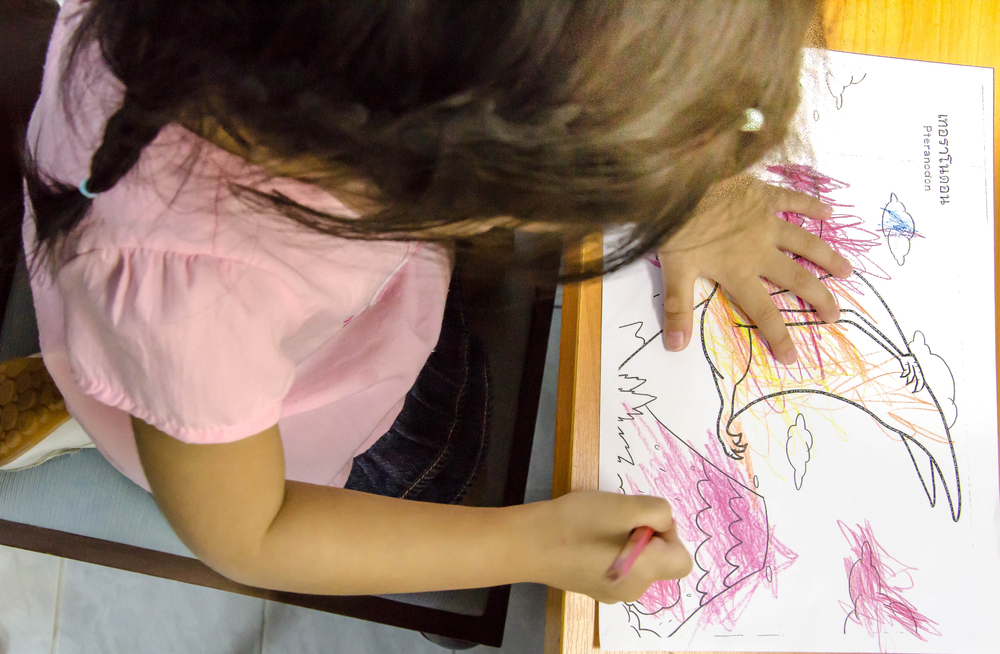
Furthermore, identifying shapes is linked to sensory and motor skills. Hands-on activities, such as drawing or constructing shapes, enhance fine motor abilities while making the learning experience engaging and enjoyable.
Additionally, shapes have cultural relevance and can be found in architecture, art, and nature, providing opportunities for children to engage with their surroundings, fostering creativity and appreciation for the world around them.
In summary, promoting shape identification not only supports academic growth but also encourages valuable life skills, ensuring children are well-equipped for future challenges. Parents and teachers play a vital role in this developmental aspect, making it crucial for them to prioritize this skill.








