Improve number recognition Worksheets for Ages 6-9
17 filtered results
-
From - To
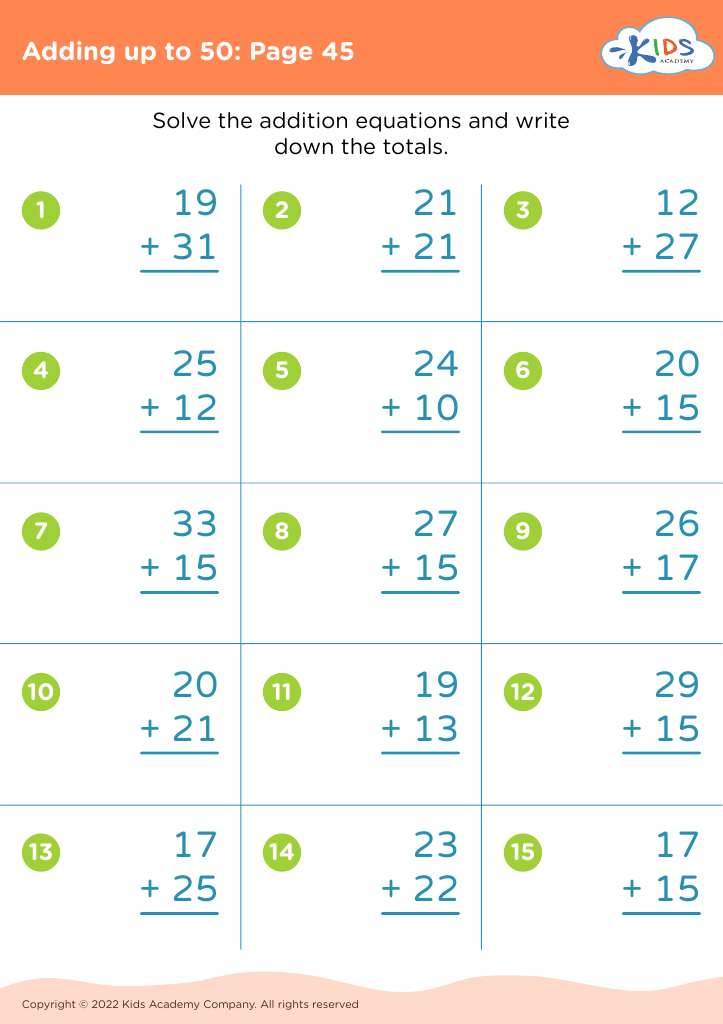
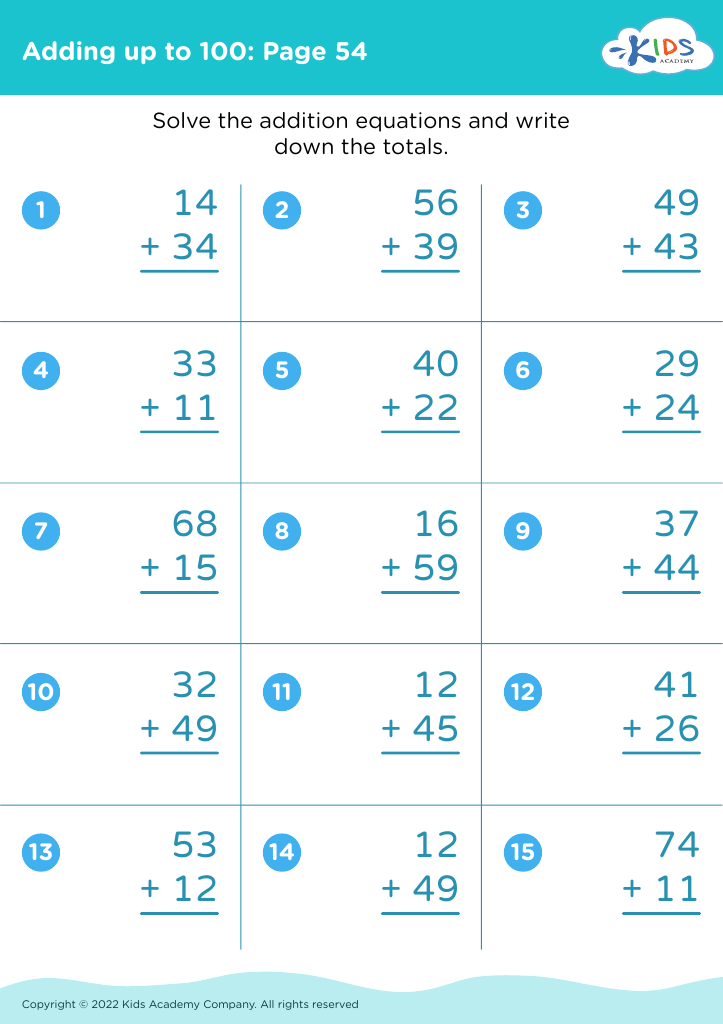
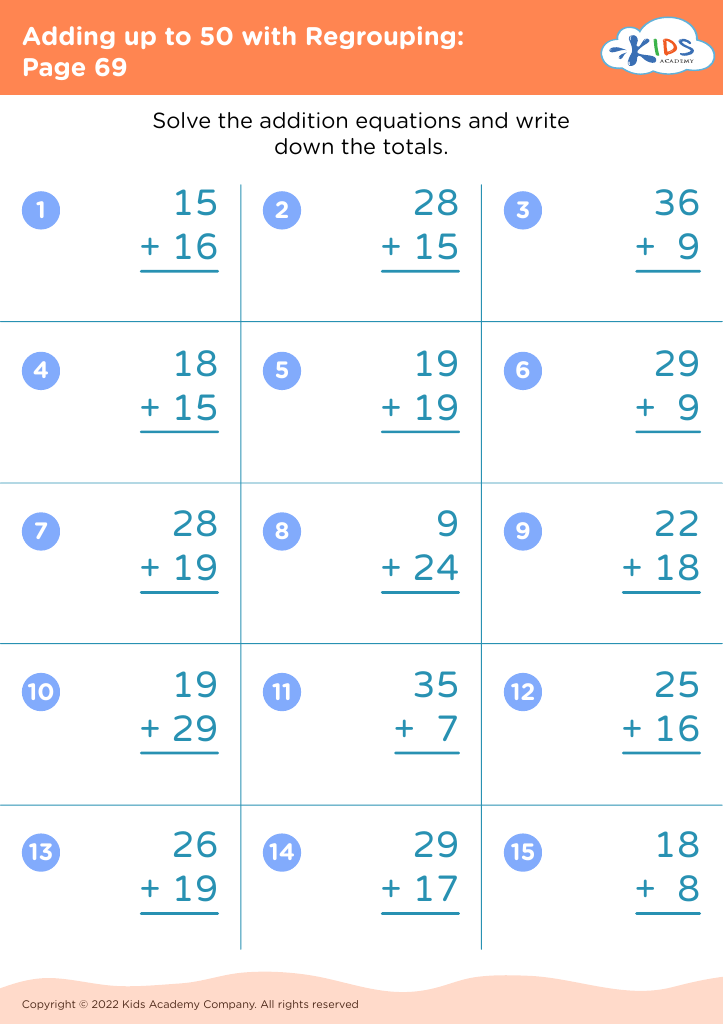
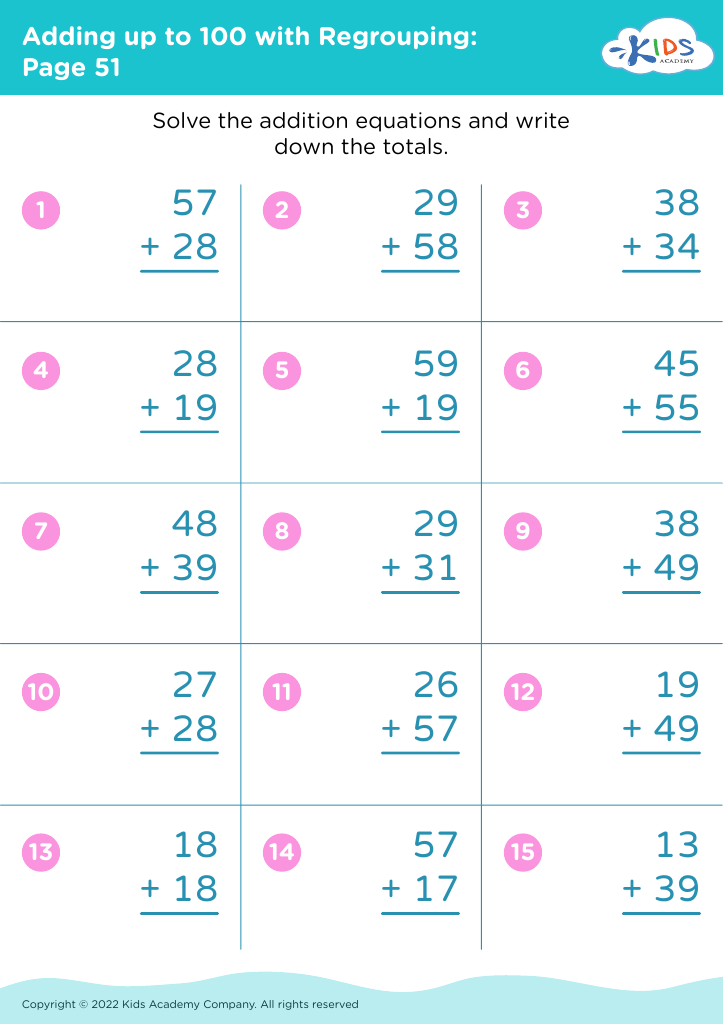
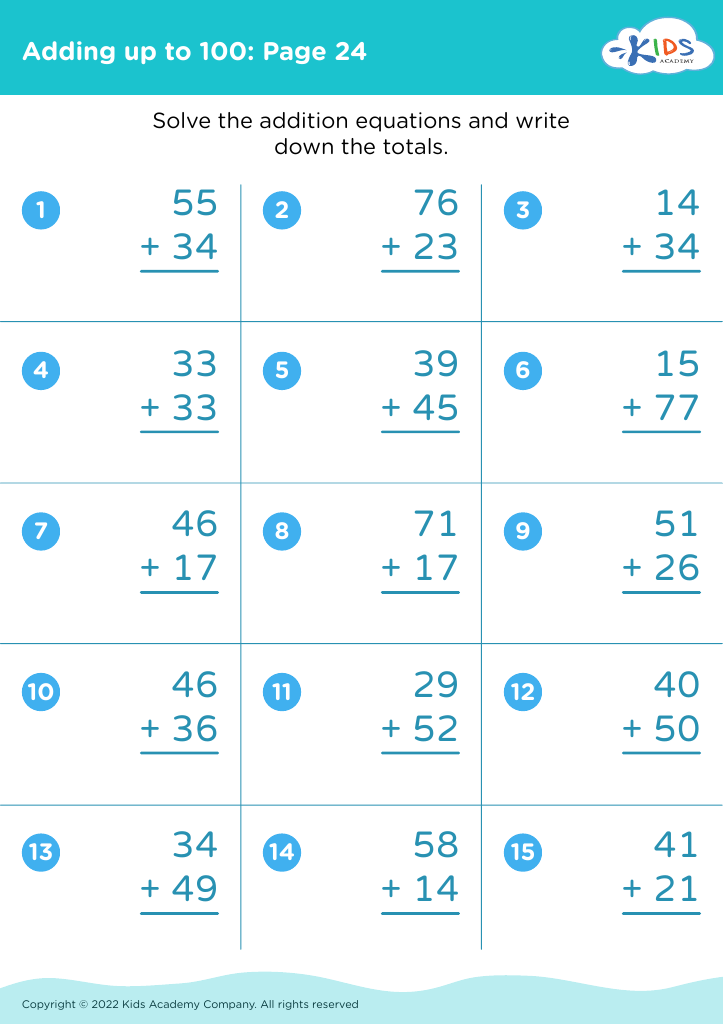
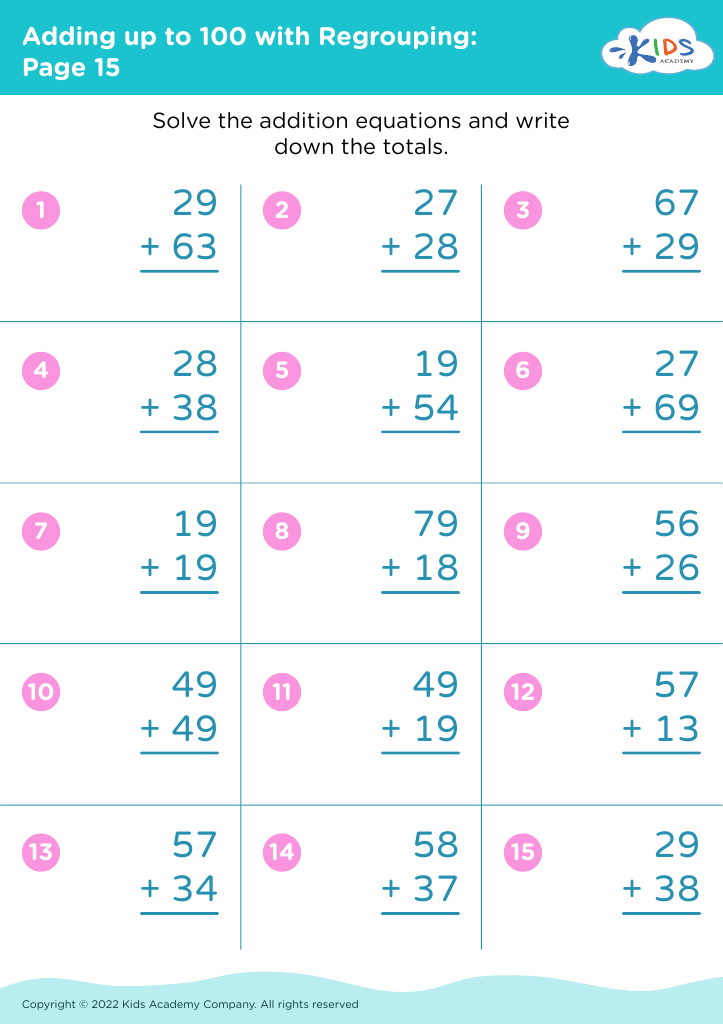
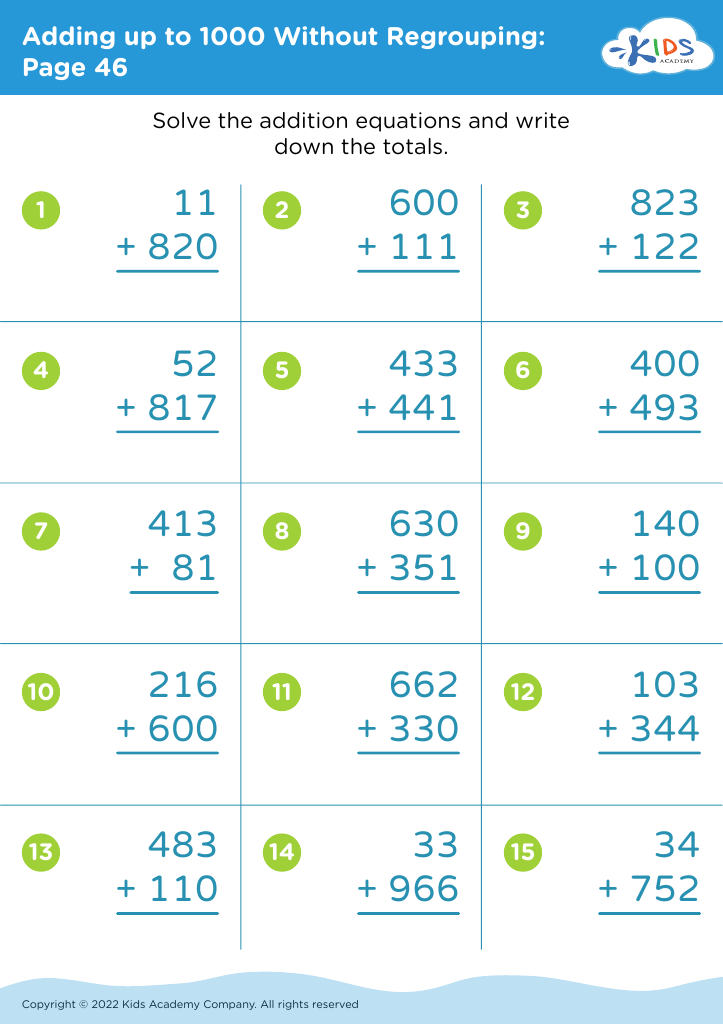
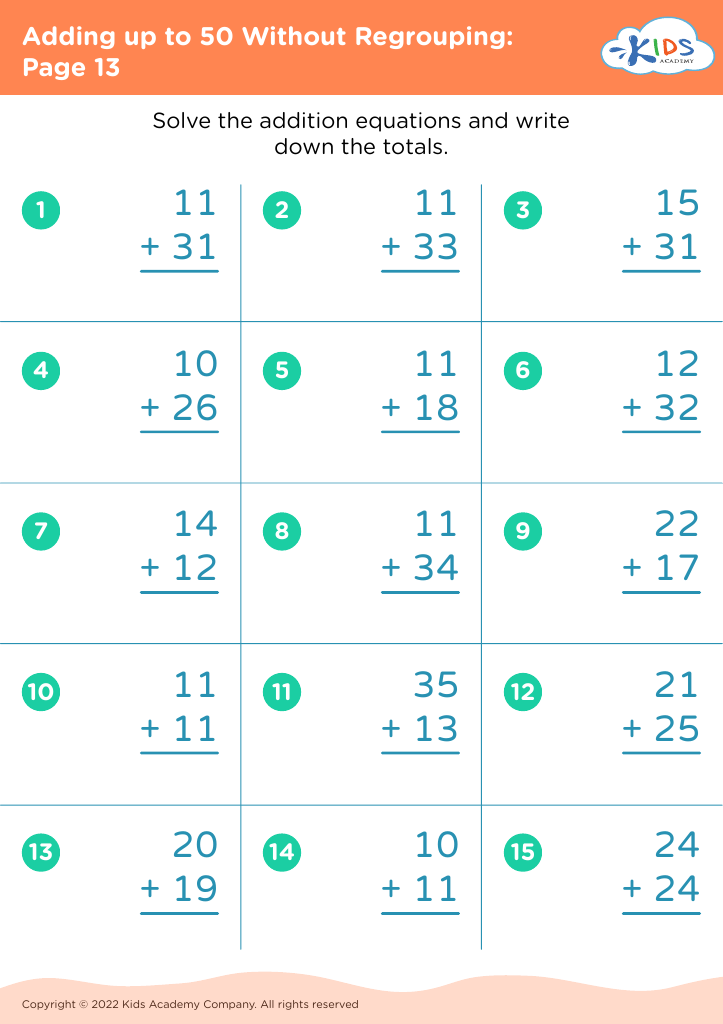
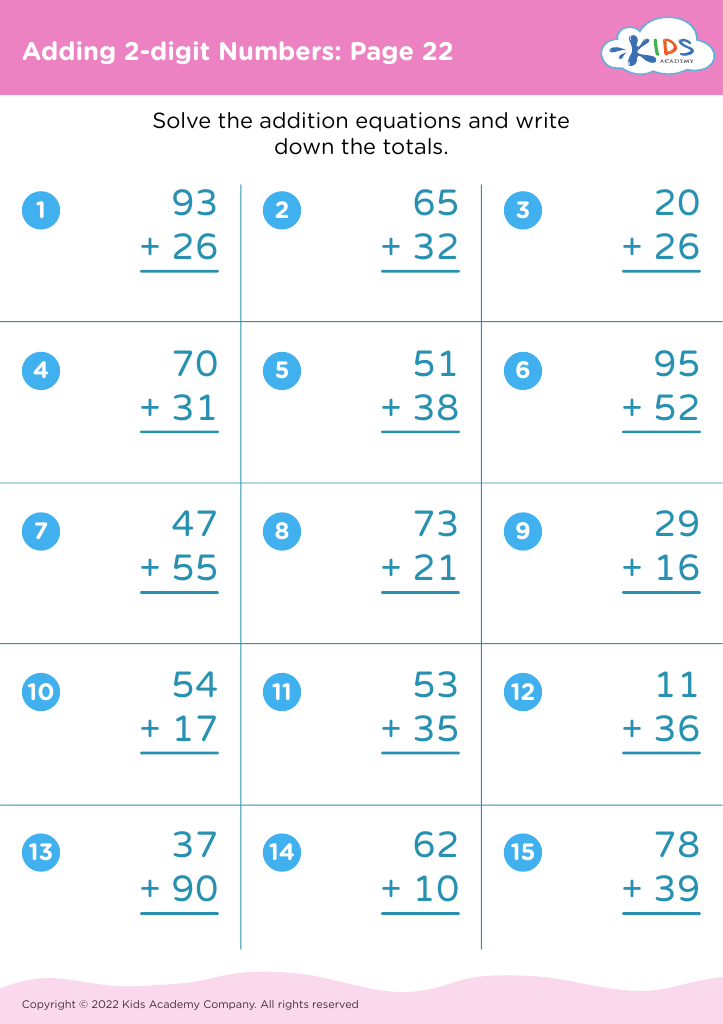
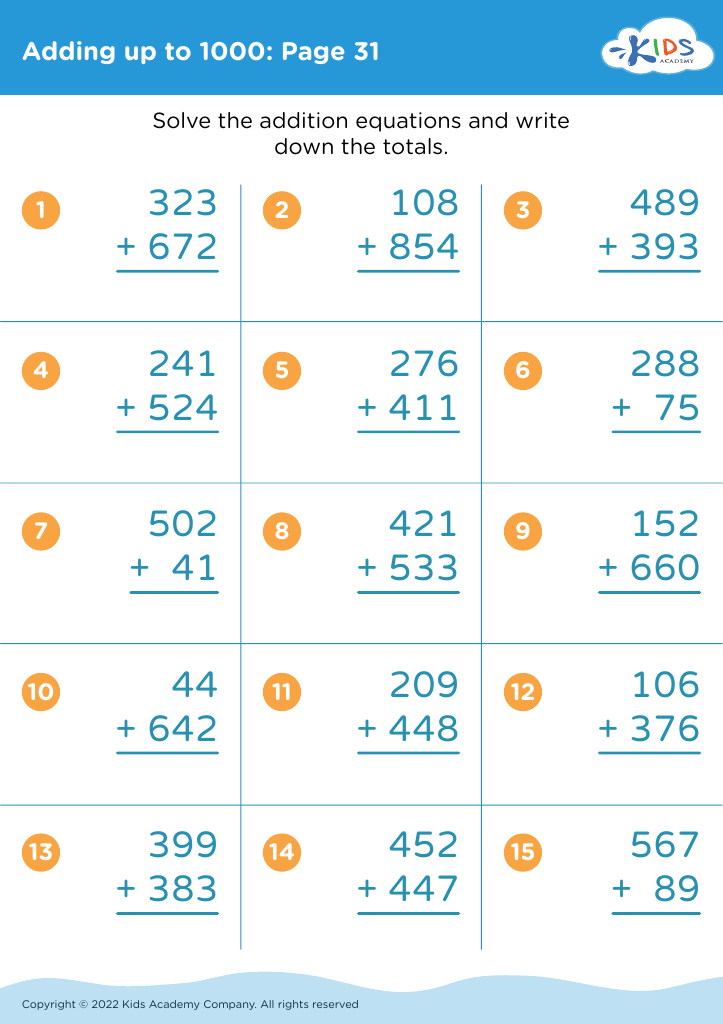
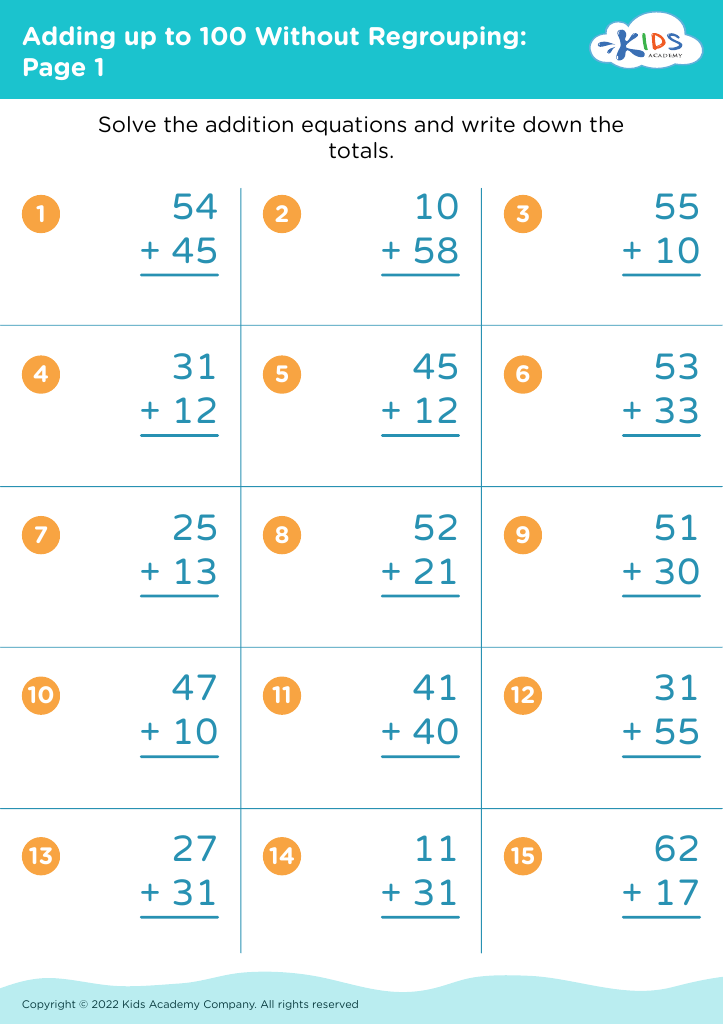
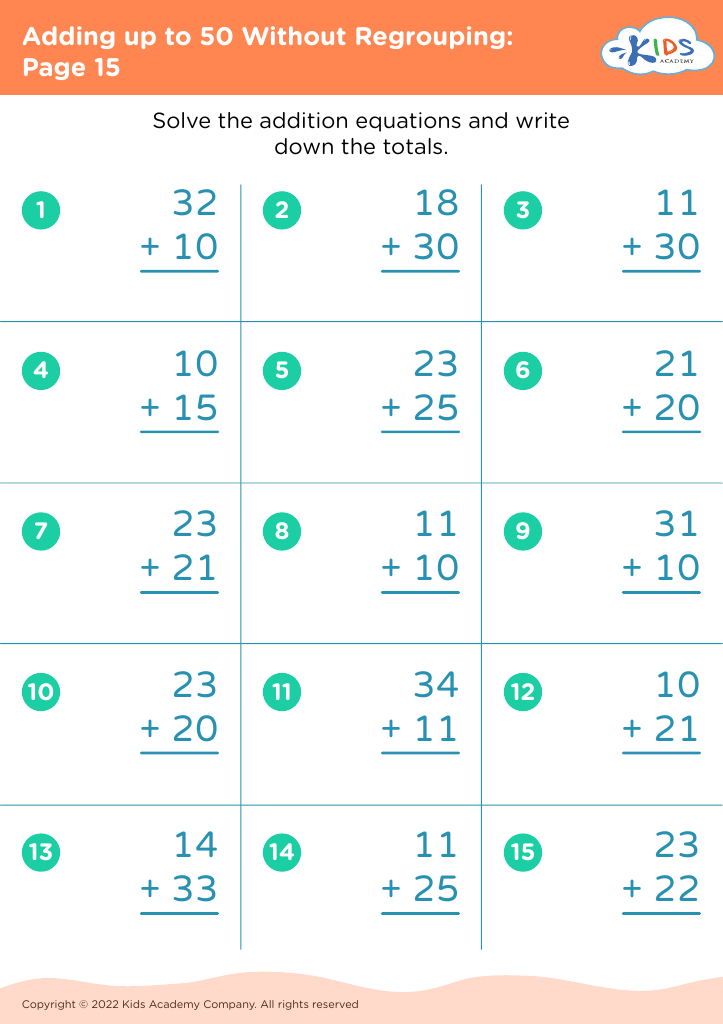
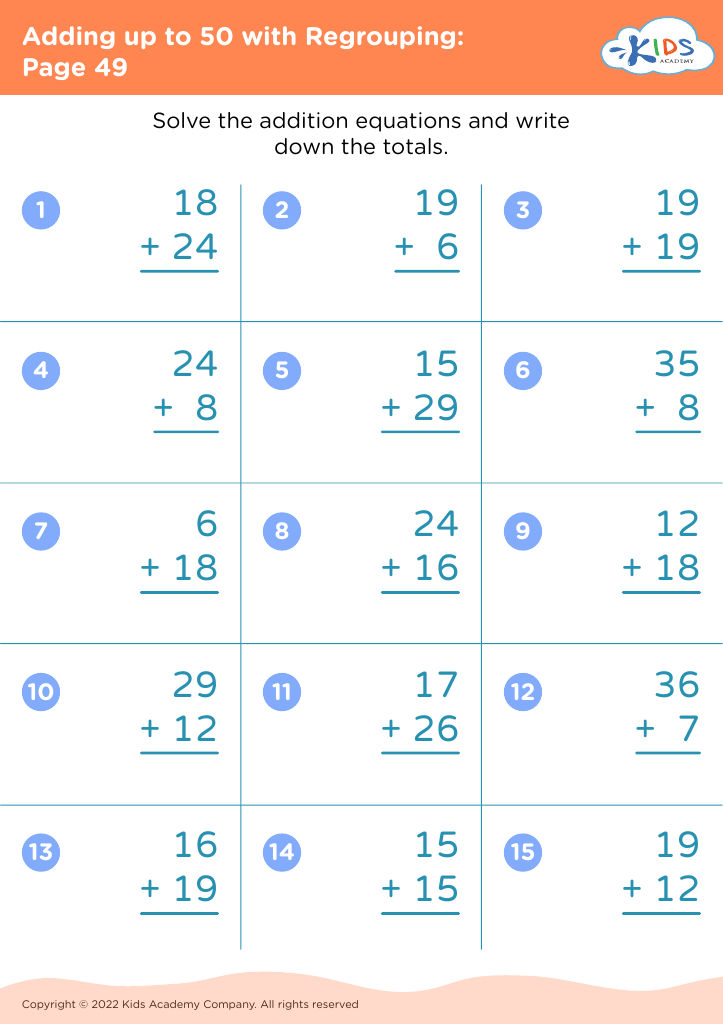
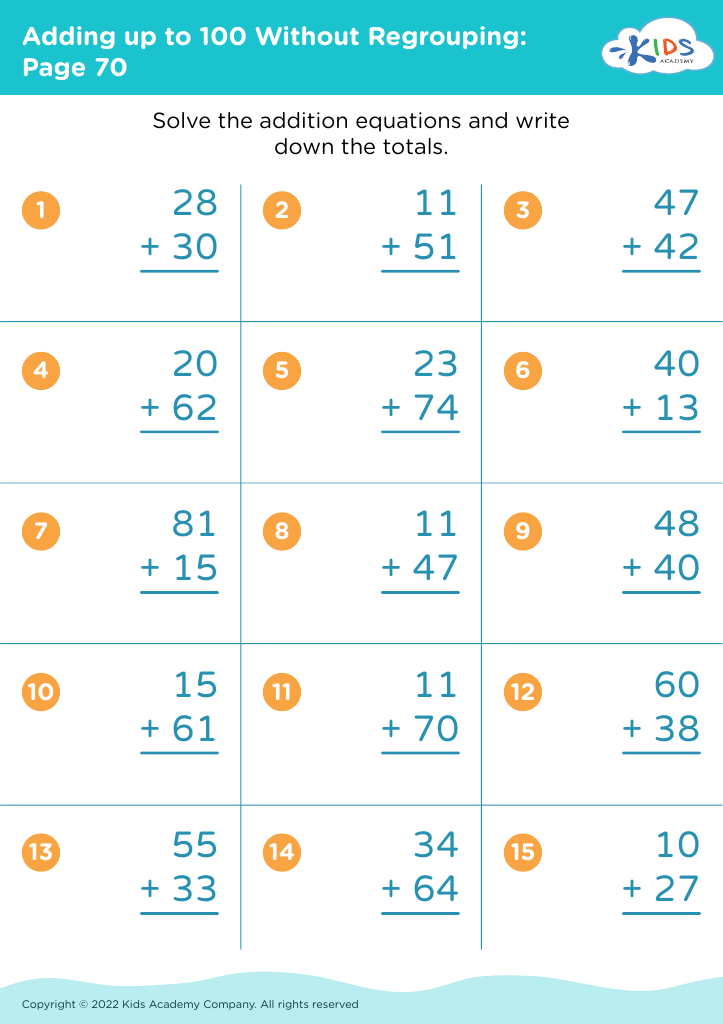
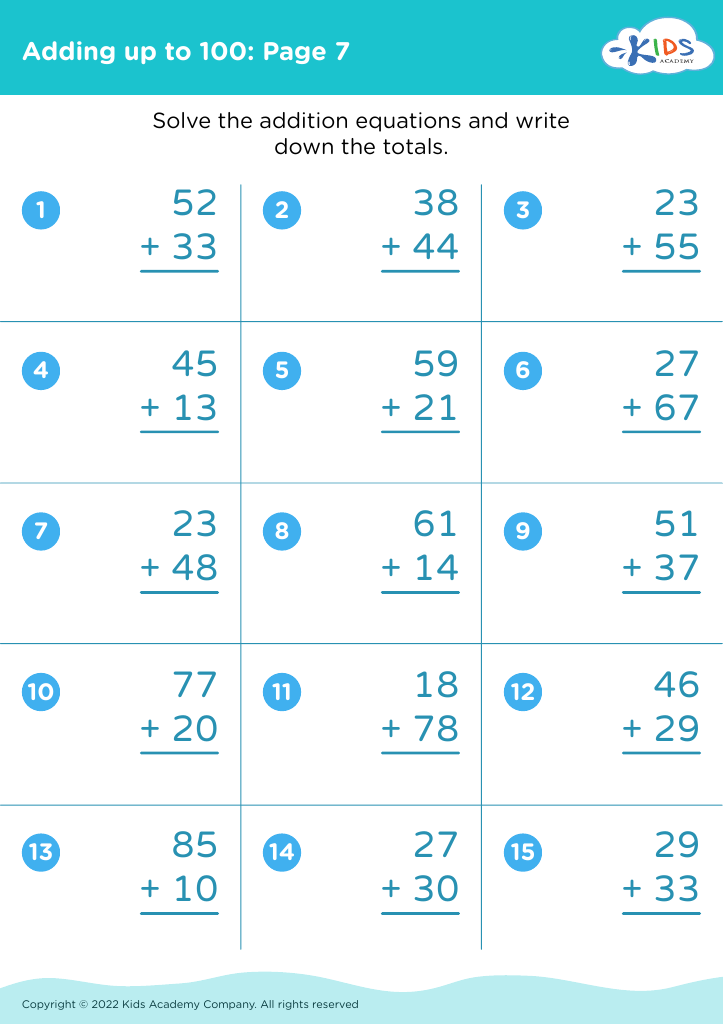
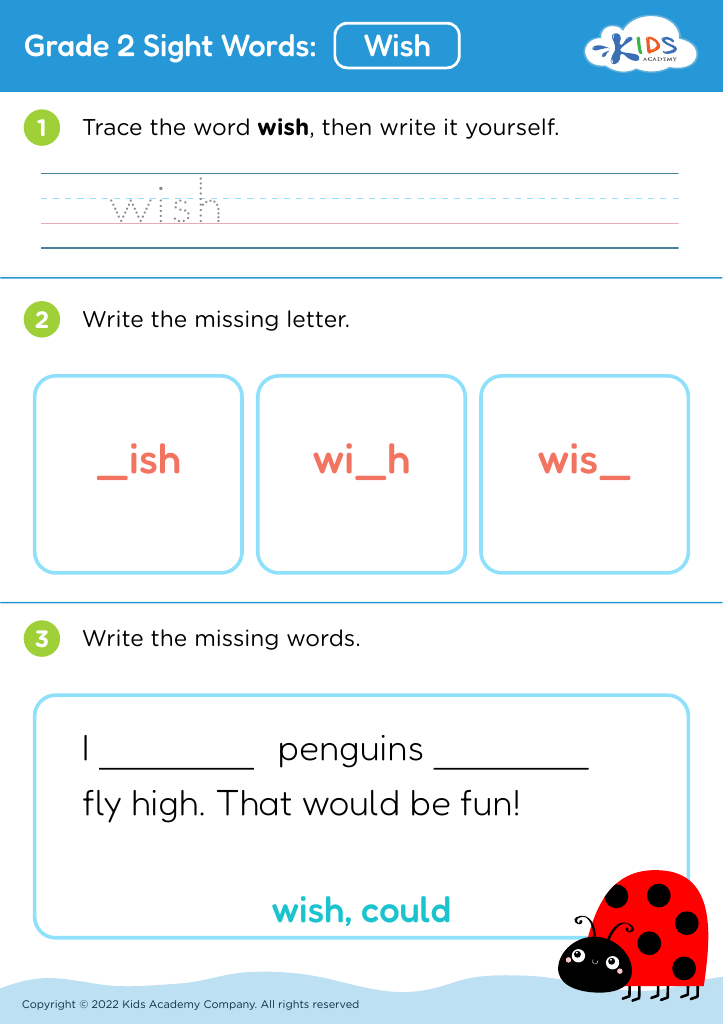
Enhance your child's number recognition skills with our engaging worksheets designed specifically for ages 6-9. Our carefully crafted activities make learning to identify and understand numbers fun and interactive. Each worksheet offers a variety of exercises, including tracing, matching, and number games that boost confidence and retention. Perfect for both classroom settings and home learning, these resources cater to different learning styles, ensuring every child can succeed. Use our number recognition worksheets to build a strong mathematical foundation, promote critical thinking, and foster a love for learning. Explore the possibilities and watch your child's numeracy skills flourish!






Improving number recognition in children aged 6-9 is essential for foundational mathematical skills and overall cognitive development. At this age, children are transitioning from early literacy skills to more complex learning tasks, making it a critical period for building a strong numeracy base. Mastery of number recognition allows children to not only identify numbers but also to understand their value and function within mathematical contexts.
Parents and teachers should care about fostering number recognition, as it plays a crucial role in daily life skills, problem-solving, and logical thinking. By recognizing numbers, children can apply their knowledge while performing tasks like telling time, counting money, and measuring ingredients in cooking, which all require numerical competence.
Furthermore, strong number recognition skills enhance children's confidence in mathematics, creating a positive attitude towards learning. This early proficiency can lead to greater academic achievement in math-related subjects as they progress through their education.
Finally, recognizing numbers is intertwined with developing critical thinking abilities. Engaging children in activities that promote number recognition, such as games, storytelling, and hands-on learning experiences, encourages active participation and lays the groundwork for more advanced mathematical concepts in the future. Ultimately, investing in this skill supports not only academic success but also essential life skills.








