Improve reading skills Worksheets for Ages 6-9 - Page 3
52 filtered results
-
From - To




.jpg)



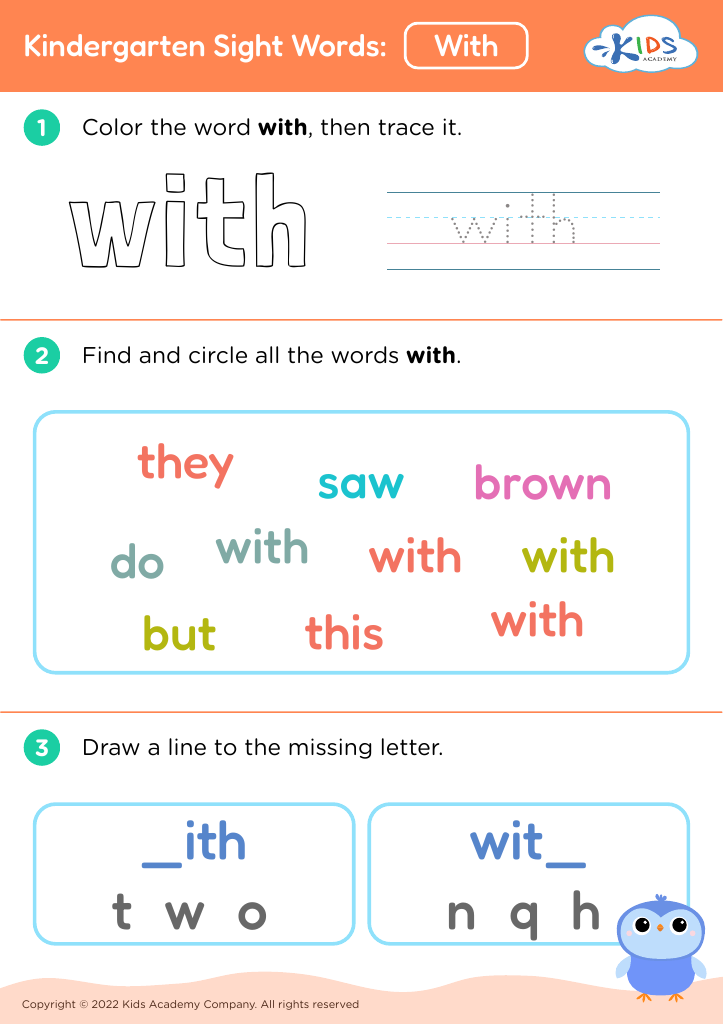
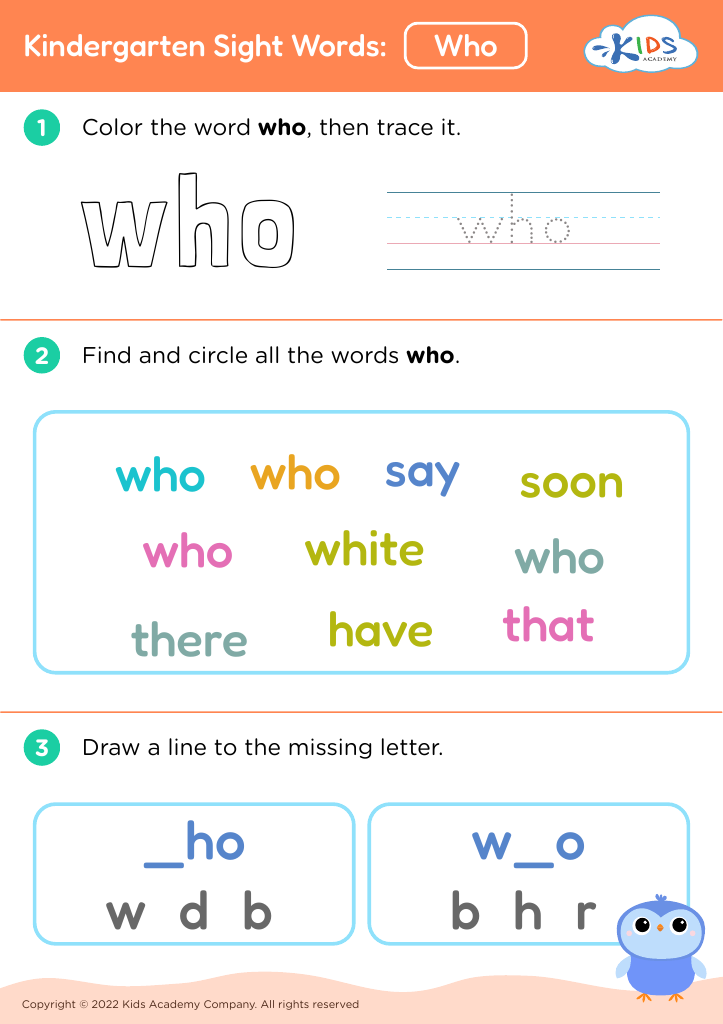
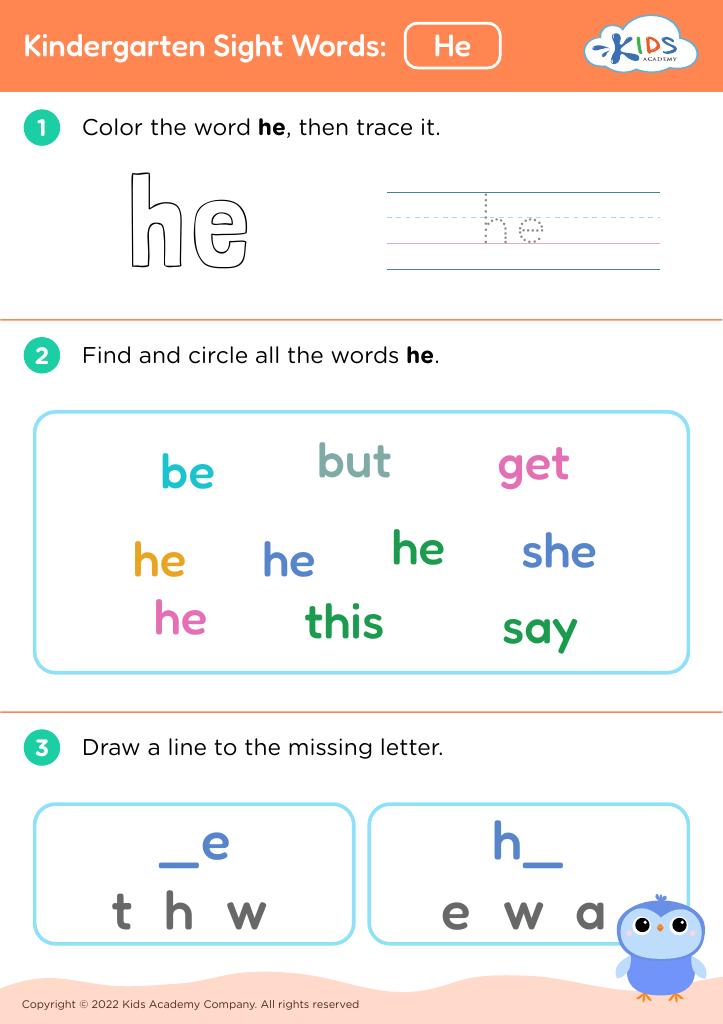
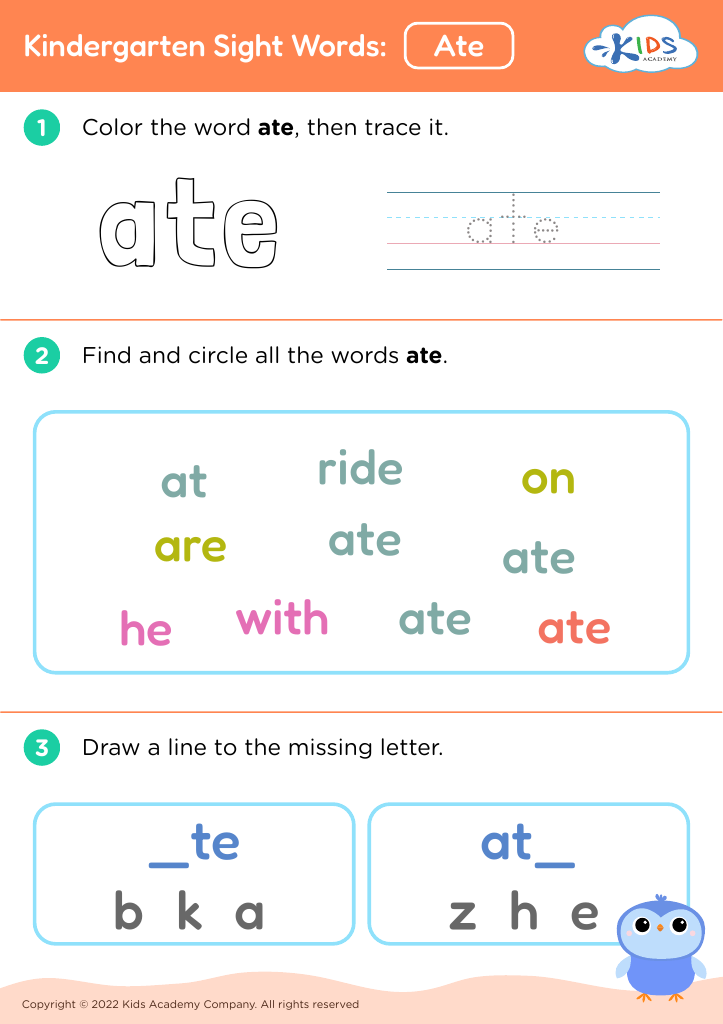
Reading skills are foundational to a child's academic success and overall development, particularly during the crucial ages of 6-9. At this stage, children's brains are highly adaptable and primed for learning, making it an ideal time to enhance reading abilities. When parents and teachers prioritze improving these skills, they pave the way for a child's brighter future.
Firstly, strong reading skills are linked to improved academic performance. Reading proficiency supports learning in all subjects, including math, science, and social studies. Children who read well are better equipped to understand and engage with educational content, fostering a positive attitude towards learning.
Secondly, early reading skills are critical for cognitive development. Reading stimulates brain activity and enhances memory, concentration, and critical thinking. By practicing reading, children build their vocabulary, improve grammar, and gain better comprehension, which are essential tools for effective communication.
Additionally, reading can significantly impact emotional and social development. Through stories and diverse characters, children learn empathy, cultural awareness, and problem-solving. This exposure helps them to build emotional intelligence and social skills, making it easier to connect with peers and navigate social situations.
Lastly, fostering a love for reading at a young age cultivates lifelong learning habits. When parents and teachers support reading development, they instill curiosity and a love for knowledge that extends far beyond the classroom. By prioritizing reading skills, they give children the foundation they need to flourish in all areas of life.








