Improving grammar skills Worksheets for Ages 6-9
6 filtered results
-
From - To
Unlock the full potential of your child's language abilities with our "Improving Grammar Skills Worksheets for Ages 6-9." These expertly crafted activities are designed to enhance your child’s grammatical skills through engaging, age-appropriate exercises. Covering essential topics such as parts of speech, punctuation, capitalization, and sentence construction, our worksheets make learning fun and effective. Perfect for classroom use or home practice, these resources are tailored to support the developing minds of young learners. Build a strong grammar foundation and boost your child's confidence in reading and writing with our dynamic and interactive worksheets.
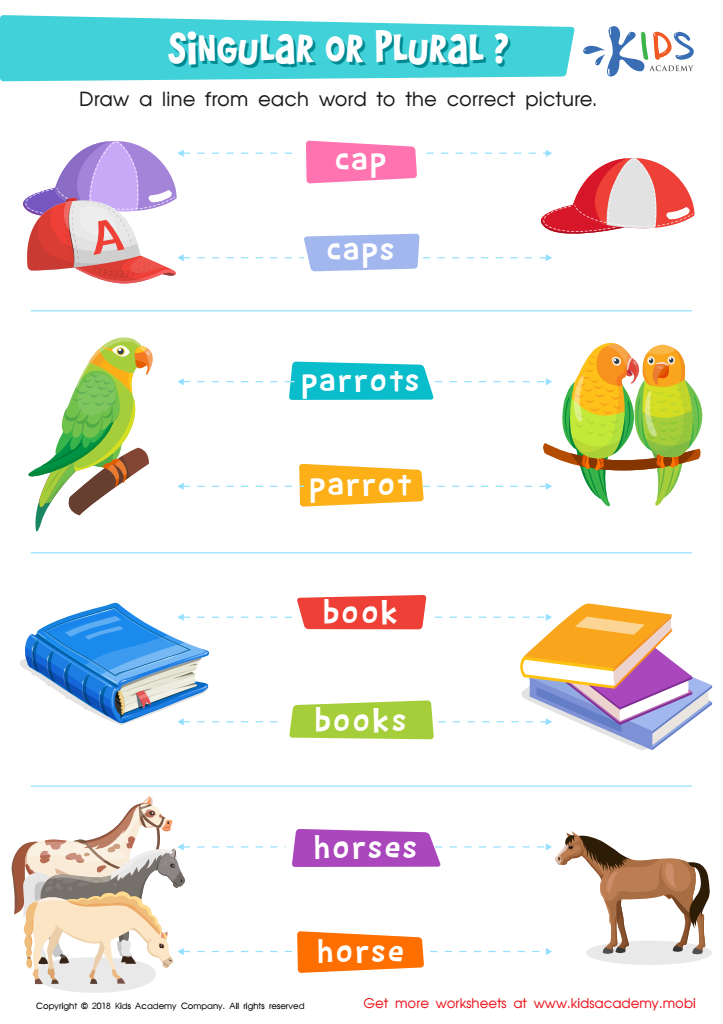
Singular or Plural? Worksheet
 Assign to My Students
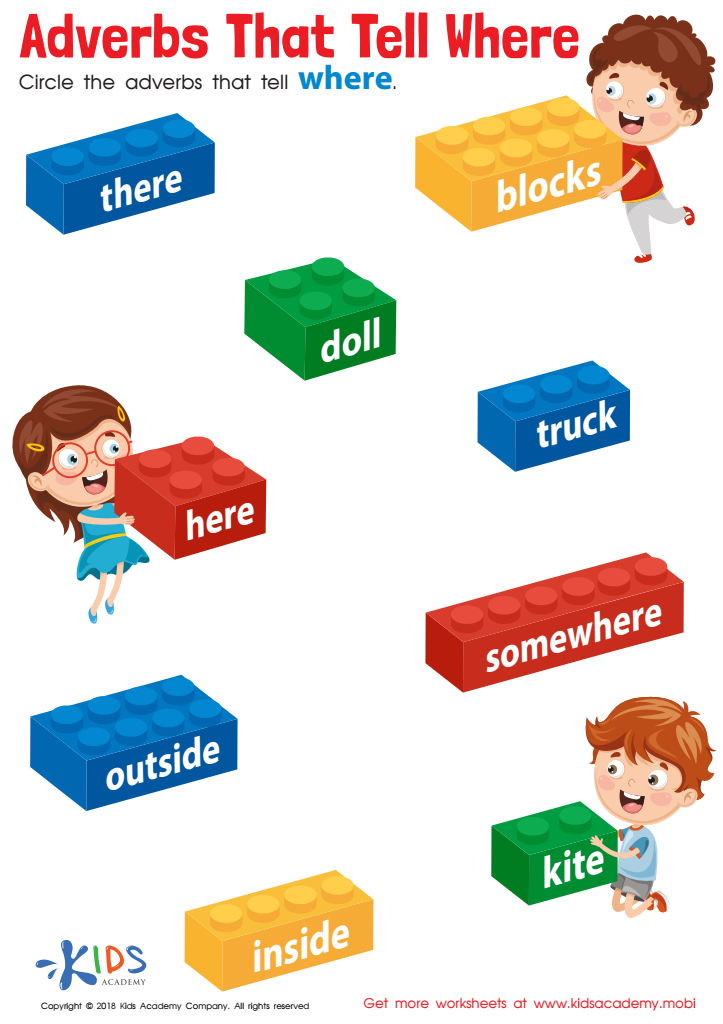
Adverbs That Tell Where Worksheet
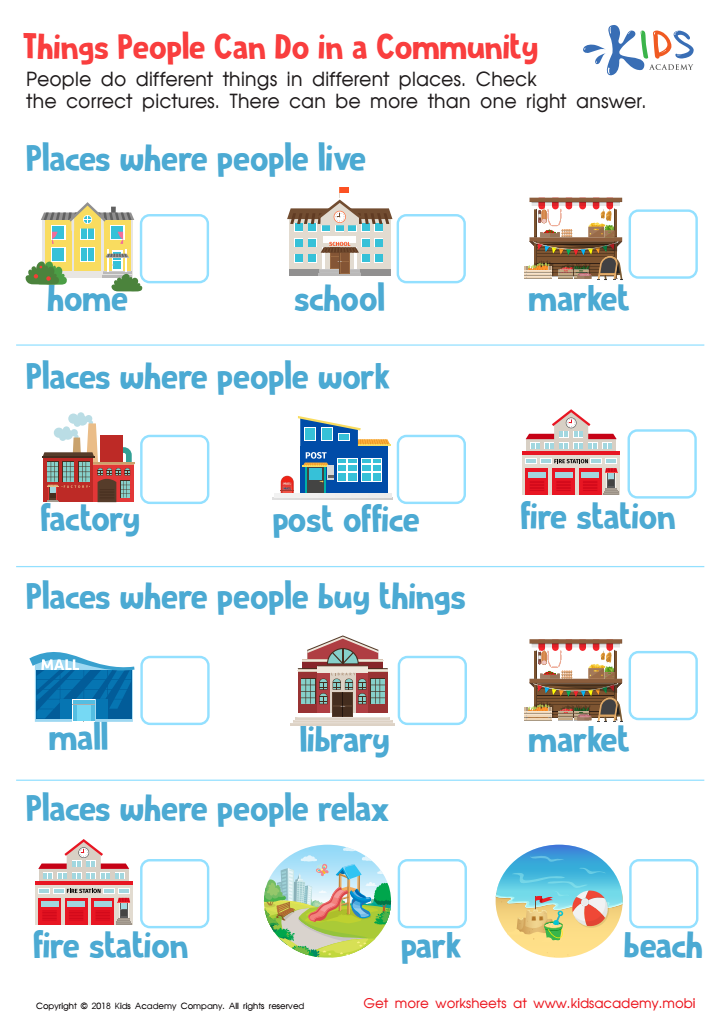
Things People Can Do in a Community Worksheet

Capitalization Rules: Part 2 Worksheet

Irregular Verbs: Baloons Worksheet








Improving grammar skills for children aged 6-9 is crucial for their overall development. Communication forms the foundation of education and interpersonal relationships. When young learners grasp grammar correctly, their ability to express themselves clearly and articulately blossoms, promoting better understanding among peers, teachers, and family members.
Strong grammar skills contribute directly to academic success. Many school subjects, including reading comprehension, writing, and even math, involve language proficiency. As children learn to structure sentences accurately, they can better comprehend complex instructions and express their thoughts coherently in both written and verbal forms.
Early attention on grammar also helps children develop critical thinking skills. By learning the rules that govern language, children apply logic and recognize patterns—key skills in problem-solving and reasoning. These abilities are not limited to linguistics but span across all areas of learning.
Furthermore, good grammar positively impacts social interactions and confidence. Children who can communicate effectively are more likely to succeed in group settings and build self-assurance, knowing they can convey their ideas without misunderstandings.
In essence, investing in improving grammar skills at a young age lays a strong foundation for future academic achievements, critical thinking development, and robust social interactions, making it a pivotal aspect of early education.








