Language skills development Worksheets for Ages 6-9
3 filtered results
-
From - To
Unlock your child's potential with our Language Skills Development Worksheets for Ages 6-9. Designed by experts and aligned with educational standards, these engaging activities boost reading comprehension, vocabulary, and grammar essential for young learners. Each worksheet integrates fun, interactive exercises that motivate kids to practice and improve their language skills. Perfect for classroom or home use, our worksheets cater to different learning styles, ensuring every child thrives. With colorful visuals and enticing challenges, kids will enjoy learning while building a strong language foundation for future success. Download now and watch your child’s confidence soar!
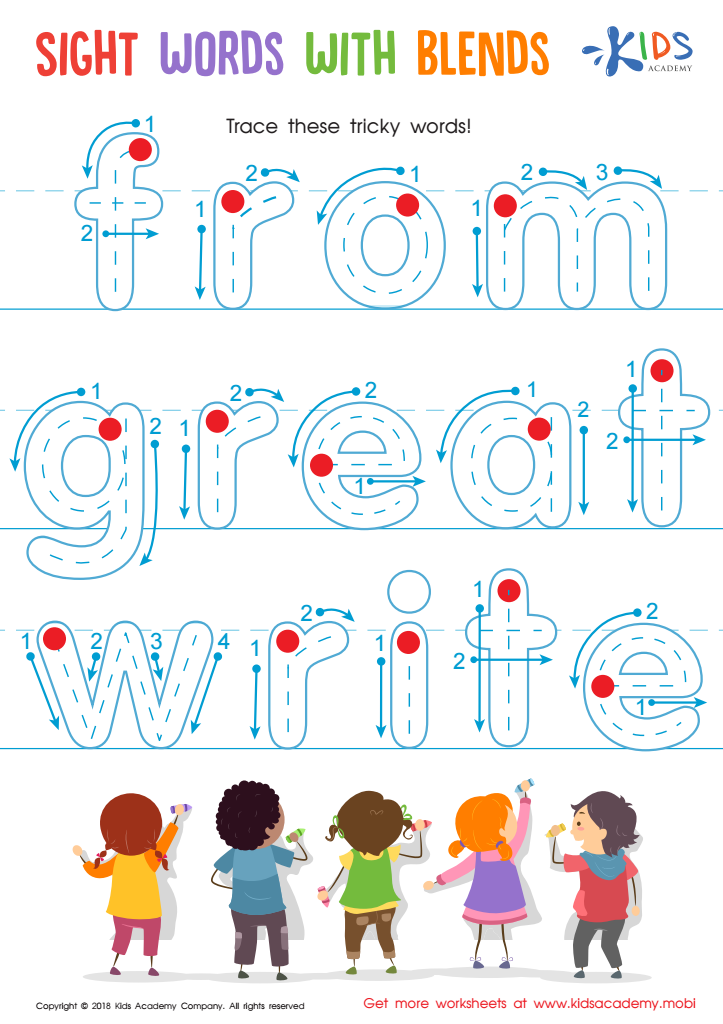
Sight Words with Blends Worksheet
 Assign to My Students
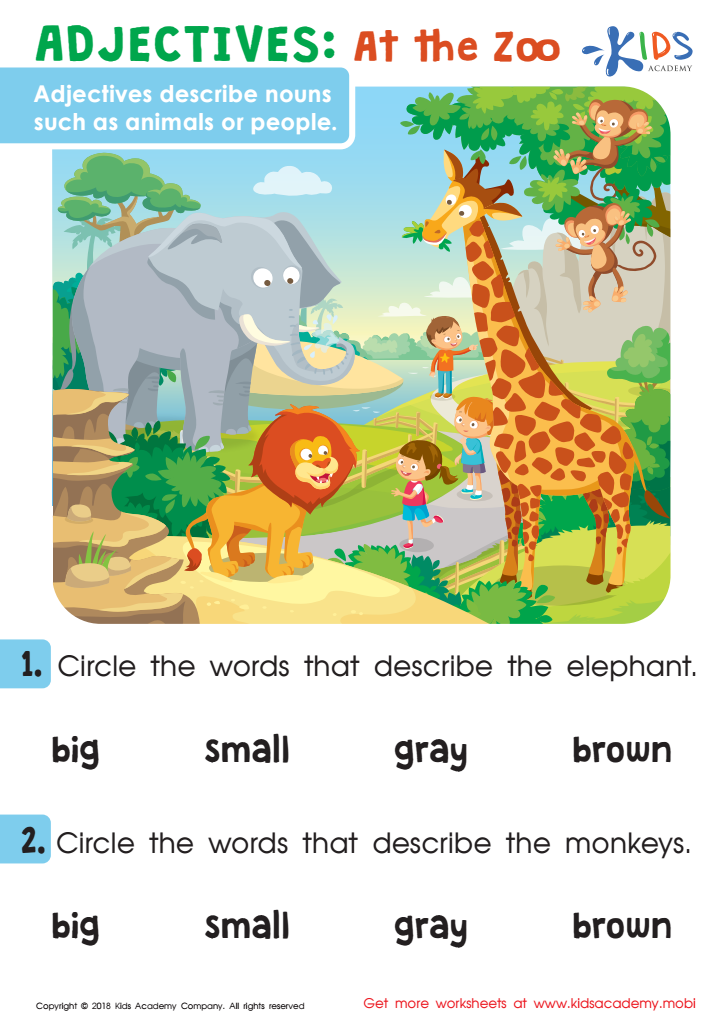
Adjectives: At The Zoo Worksheet
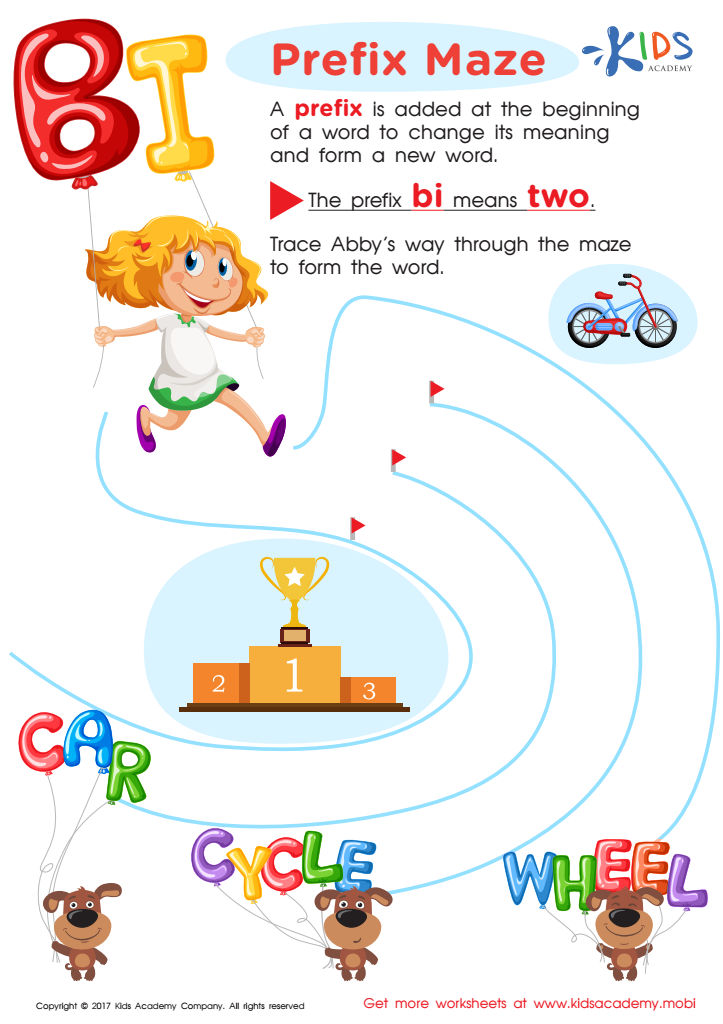
Prefix Bi Words Worksheet







Parents and teachers play a critical role in supporting language skills development for children ages 6-9. During this pivotal stage, children are not only expanding their vocabulary but also learning how to effectively communicate their thoughts and emotions. Fluency in language is foundational for academic success; strong reading, writing, and speaking skills enhance performance in all subjects, from understanding complex math problems to conducting experiments in science.
Moreover, language skills are essential for social interaction. Adequate language proficiency helps children build friendships, resolve conflicts, and collaborate on projects. Effective communication also fosters self-esteem and emotional intelligence, allowing children to articulate their feelings and understand others better.
Parental involvement in language development—by reading together, engaging in meaningful conversations, and providing a language-rich environment—complements school efforts and solidifies learning. Similarly, teachers can integrate language activities such as storytelling, discussions, and creative writing into classroom routines to stimulate growth.
Neglecting language development during these formative years can result in long-term academic and social challenges. Therefore, investing time and resources into developing strong language skills by prioritizing reading, writing, listening, and speaking activities fosters well-rounded, confident, and capable individuals.








