Letter recognition Worksheets for Ages 6-9
90 filtered results
-
From - To
Enhance your child's literacy skills with our engaging Letter Recognition Worksheets designed for ages 6-9. These printable resources provide a fun and interactive way for children to identify, differentiate, and master the alphabet. Incorporating vibrant visuals and various activities, our worksheets cater to diverse learning styles, promoting both visual and auditory recognition. Your child will enjoy tracing, coloring, and matching letters as they build a strong foundation in reading and writing. Perfect for at-home learning or classroom activities, these worksheets will undoubtedly boost your child's confidence and enthusiasm for letters while making learning a delightful experience!
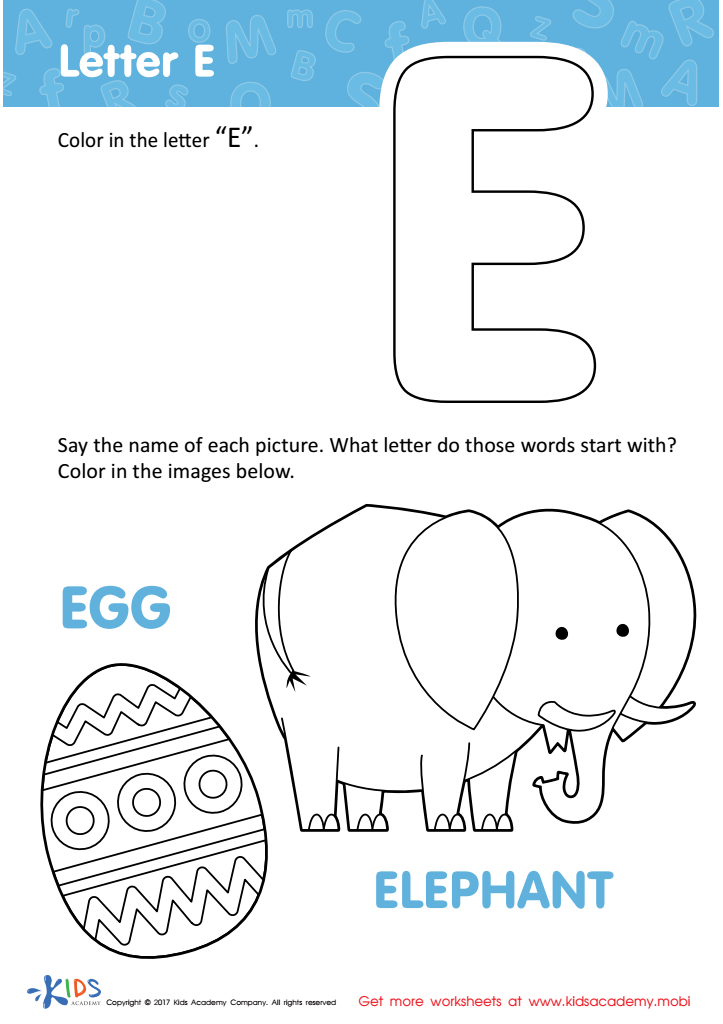
Letter E Coloring Sheet
 Assign to My Students
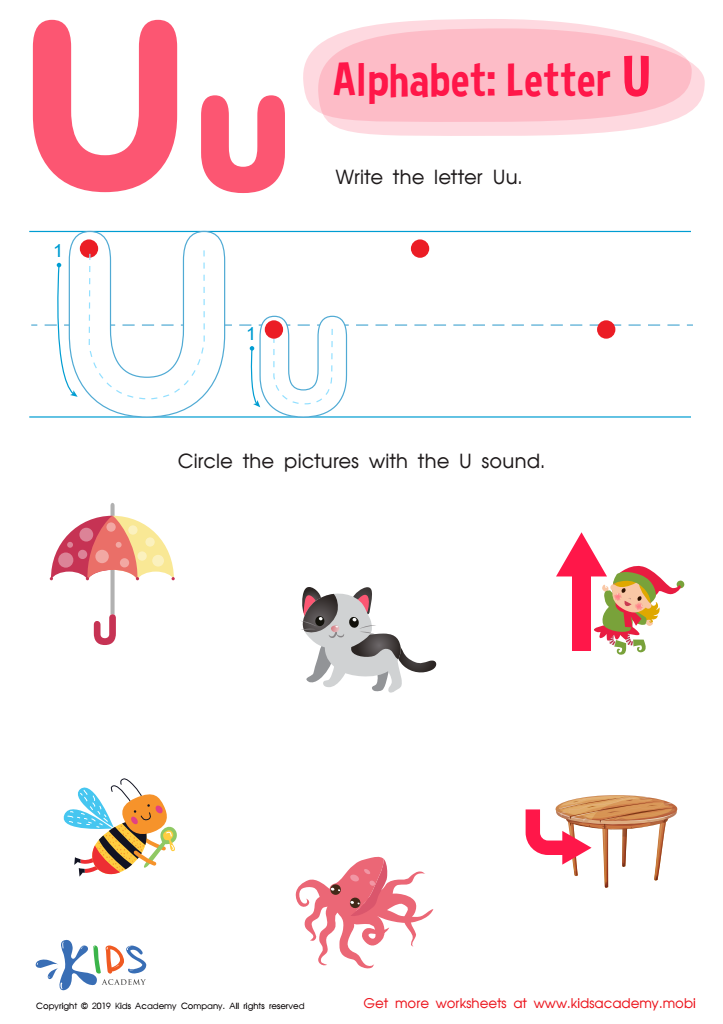
Letter U Tracing Worksheet
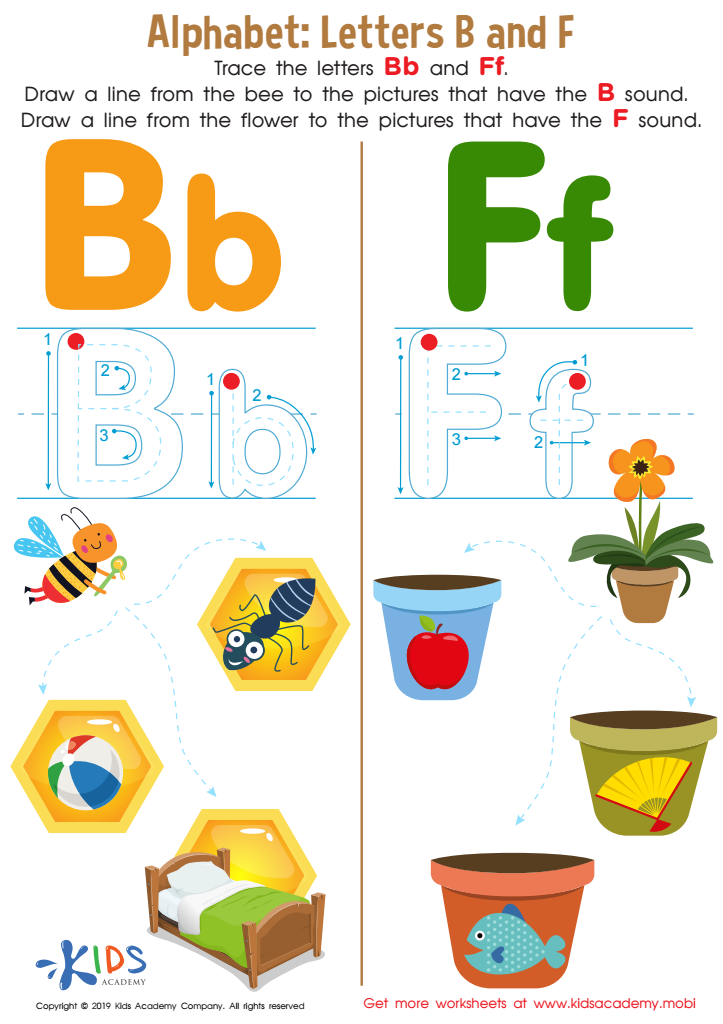
Letters B and F Tracing Worksheet
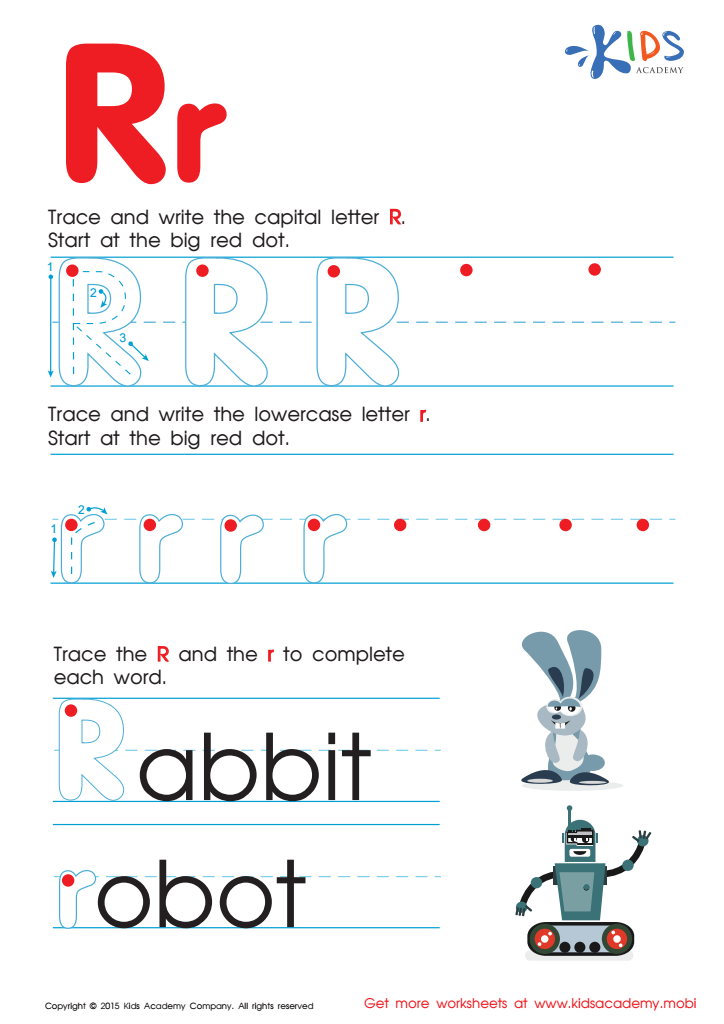
Letter R Tracing Page
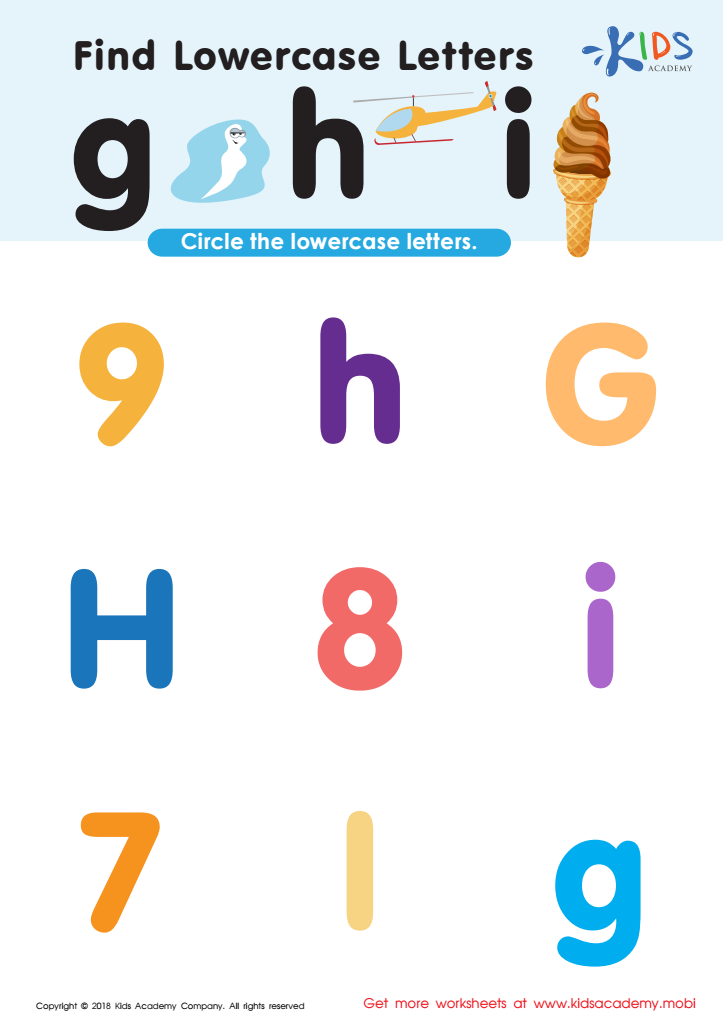
Find Lowercase Letters g h i Worksheet
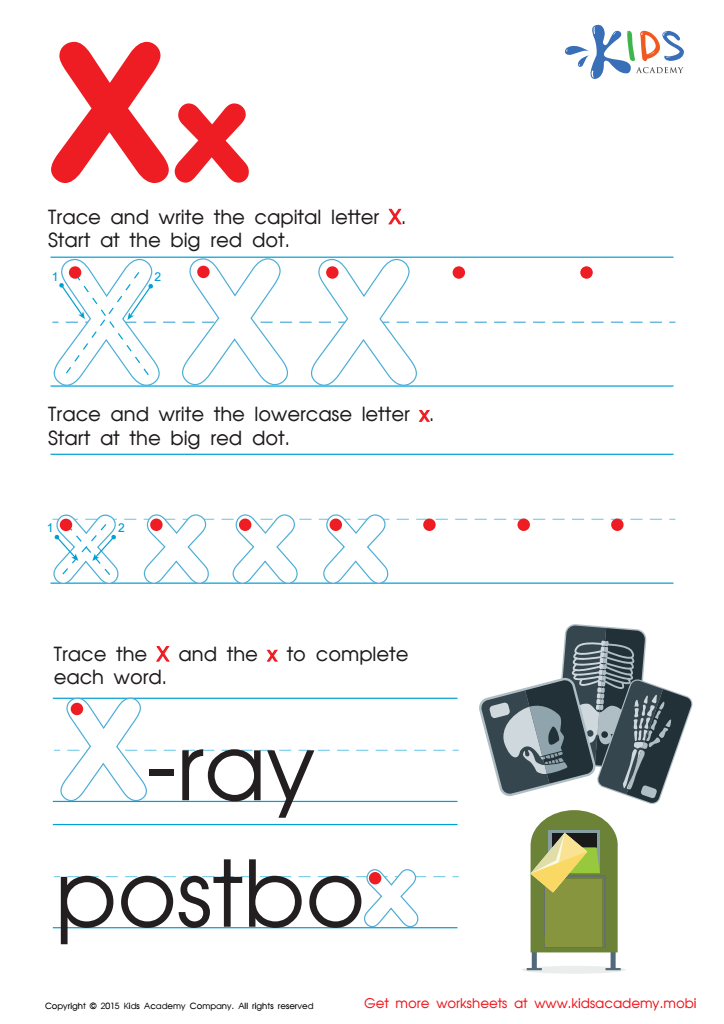
Letter X Tracing Page
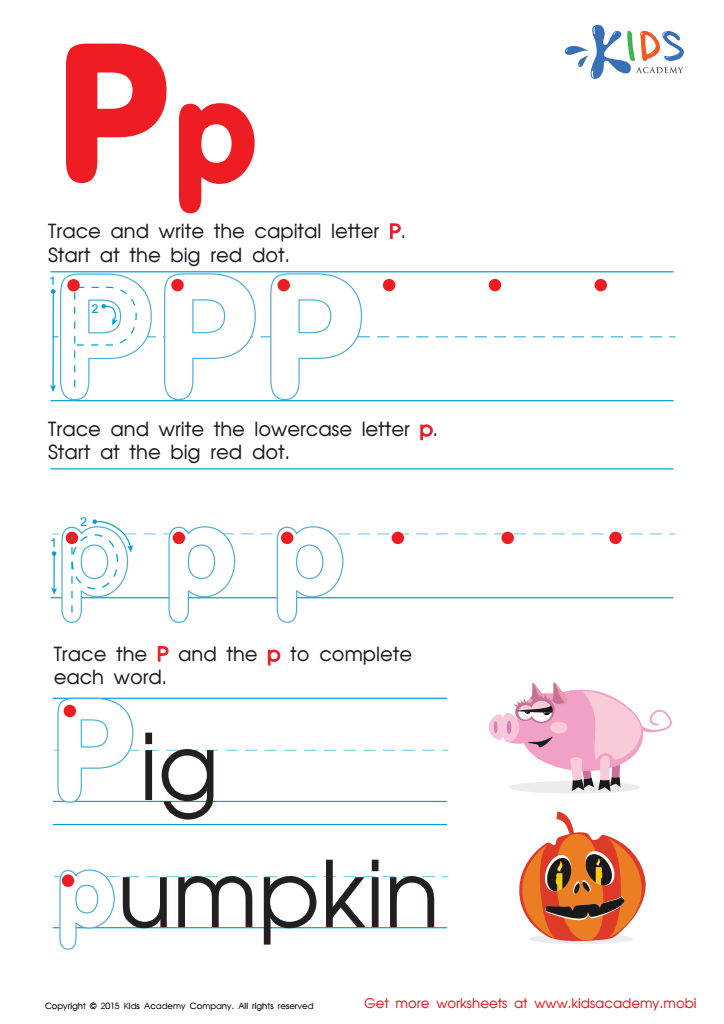
Letter P Tracing Page
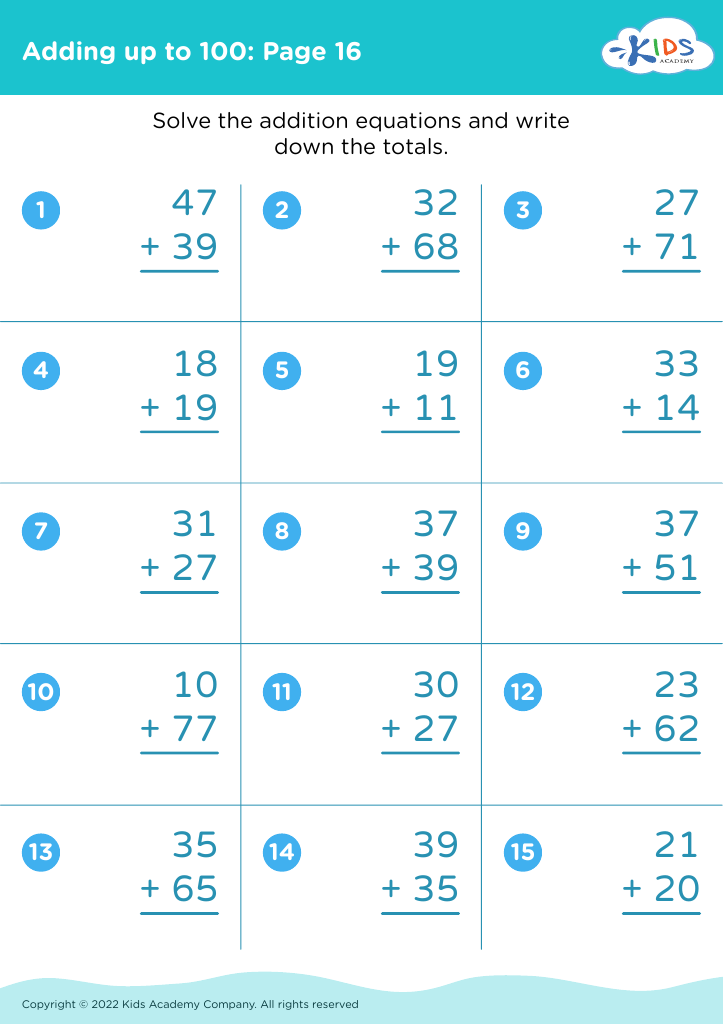
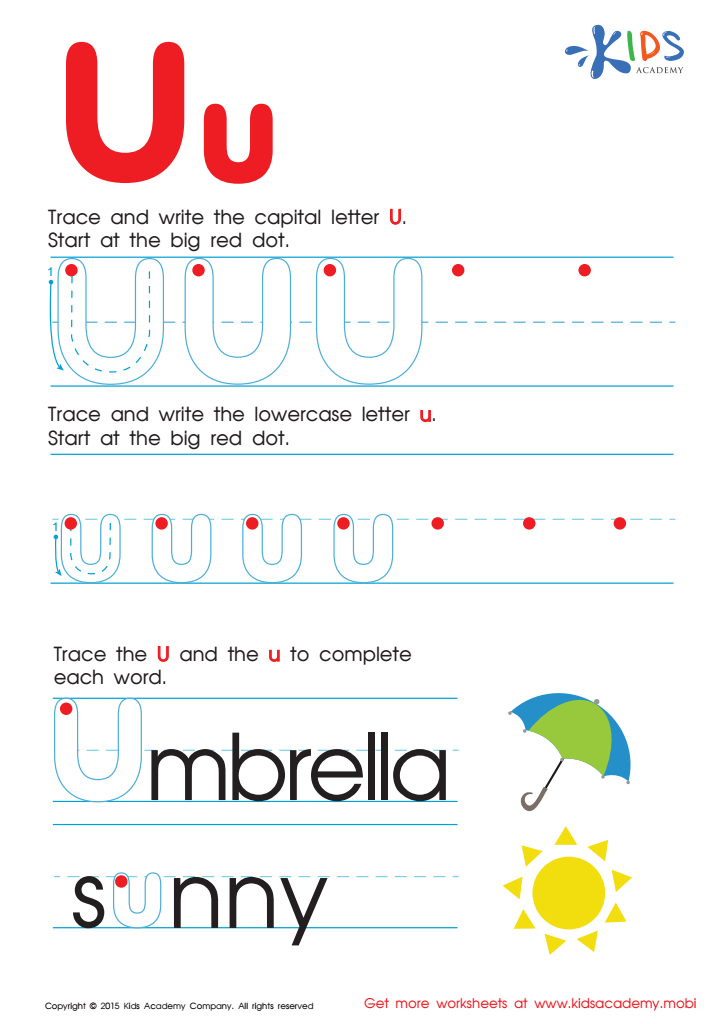
Letter U Tracing Page
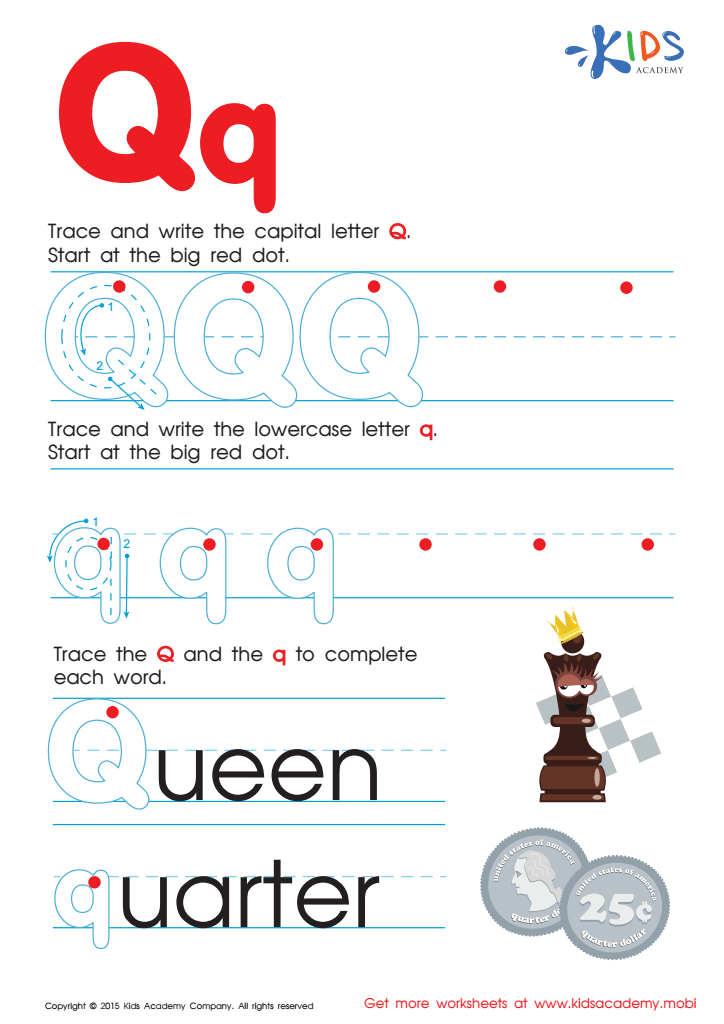
Letter Q Tracing Page
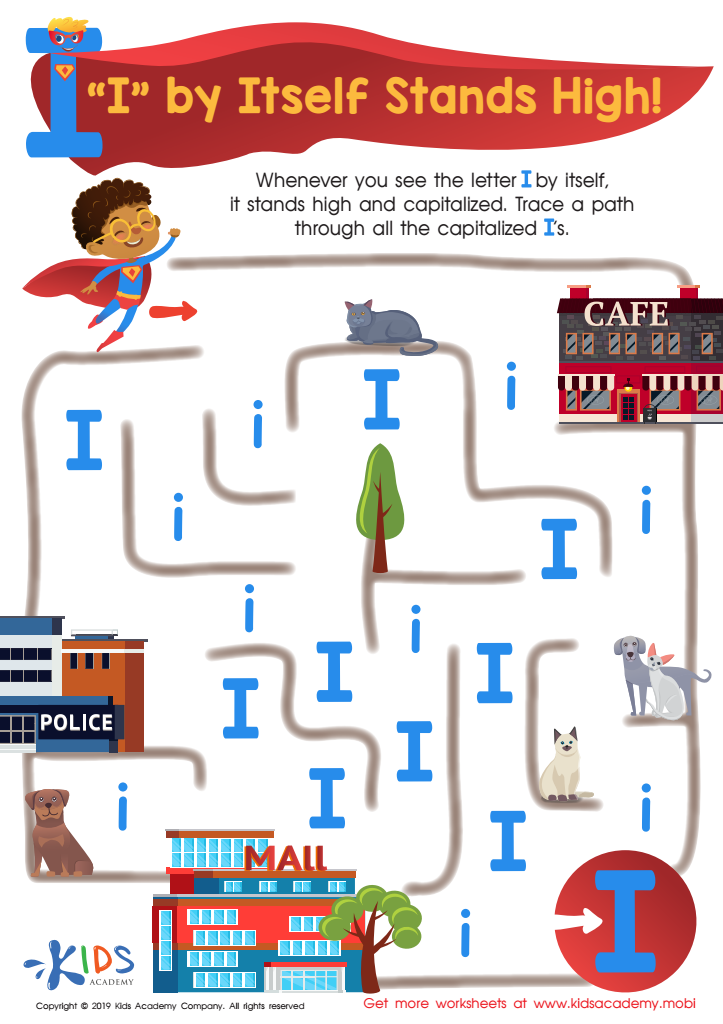
I Stands High Worksheet
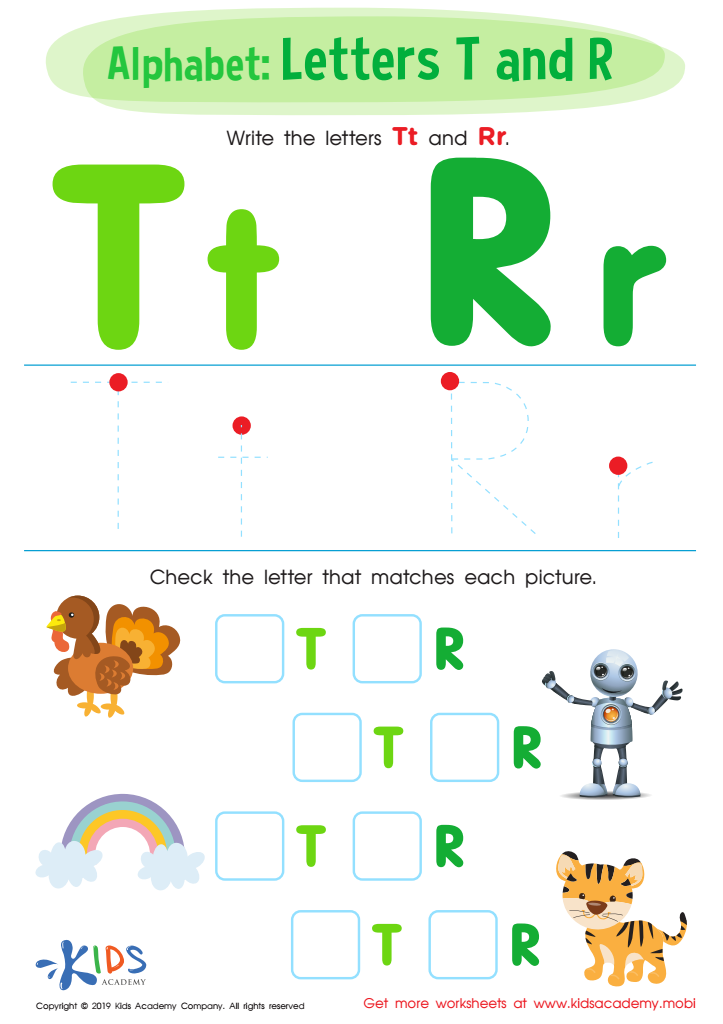
Letters T and R Worksheet
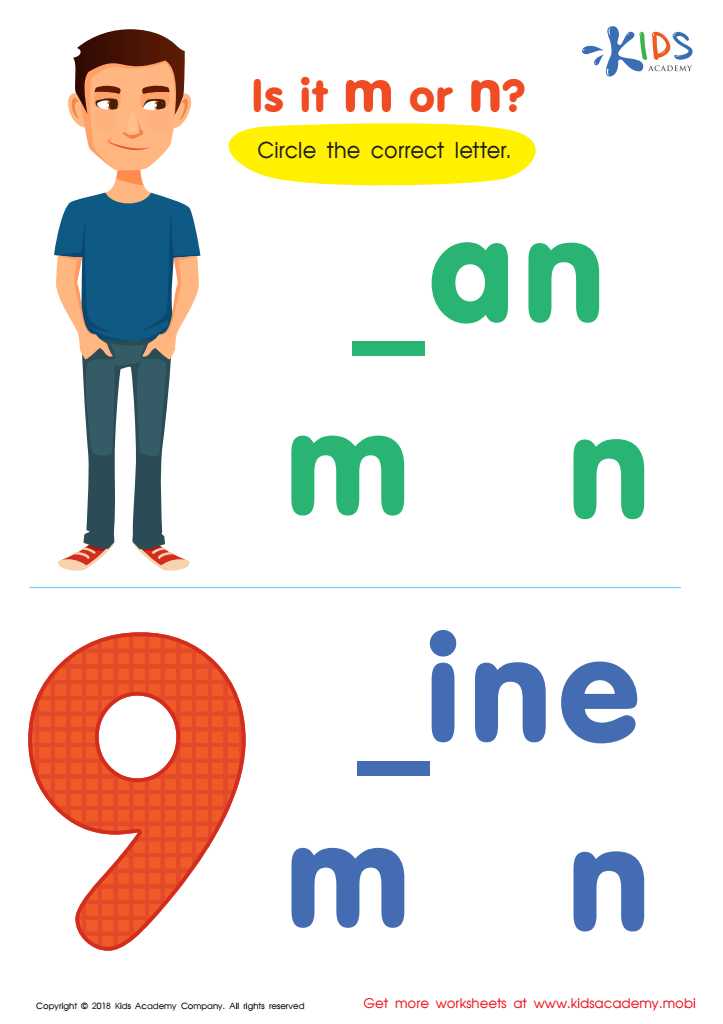
Is It m or n? Worksheet
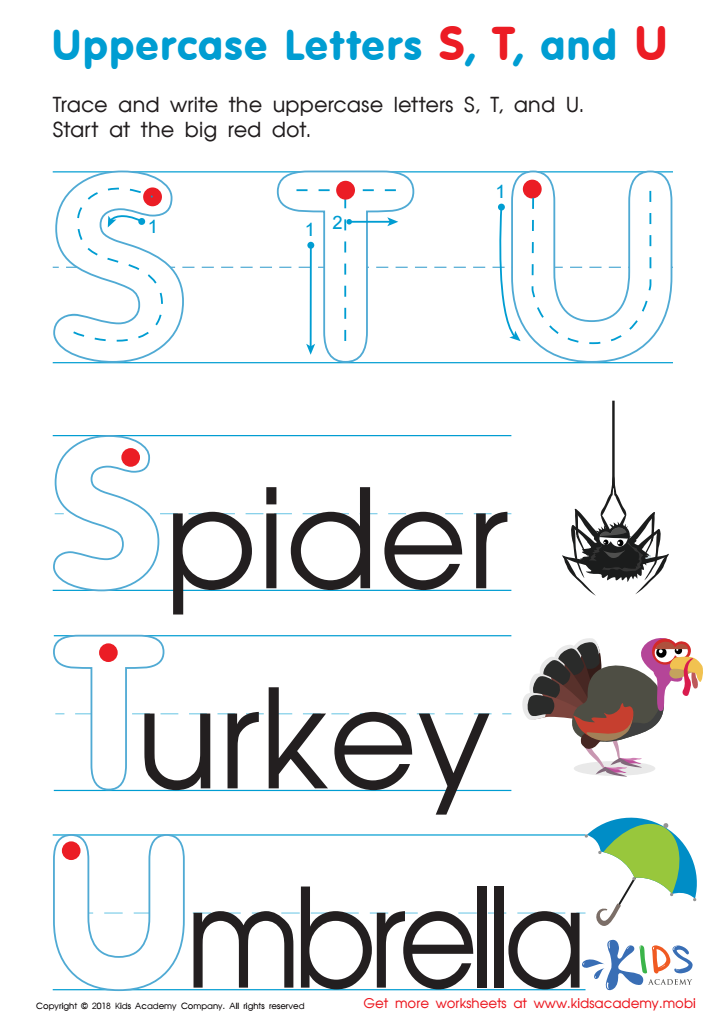
Uppercase Letters S, T, and U Worksheet
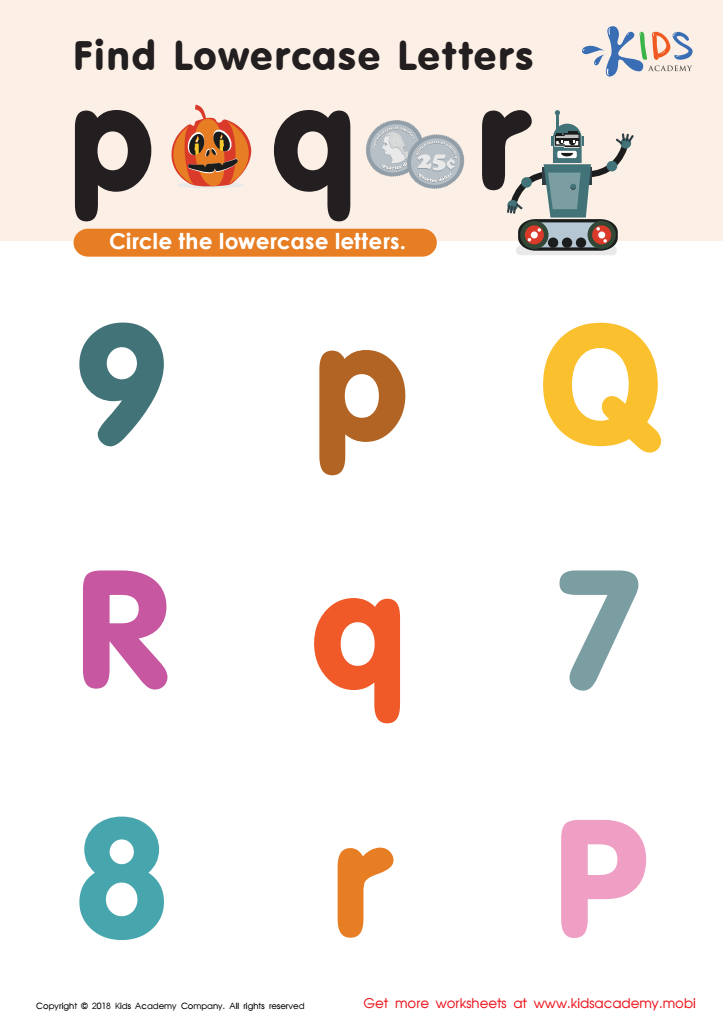
Find lowercase Letters p q r Worksheet
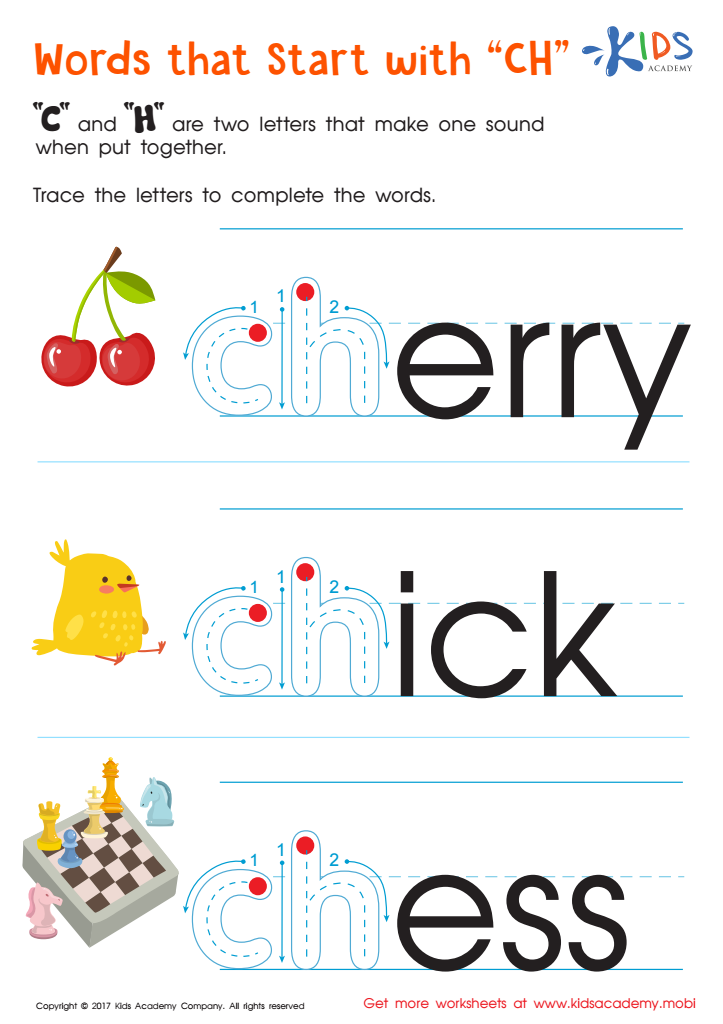
Words That Start with "ch" Spelling Worksheet
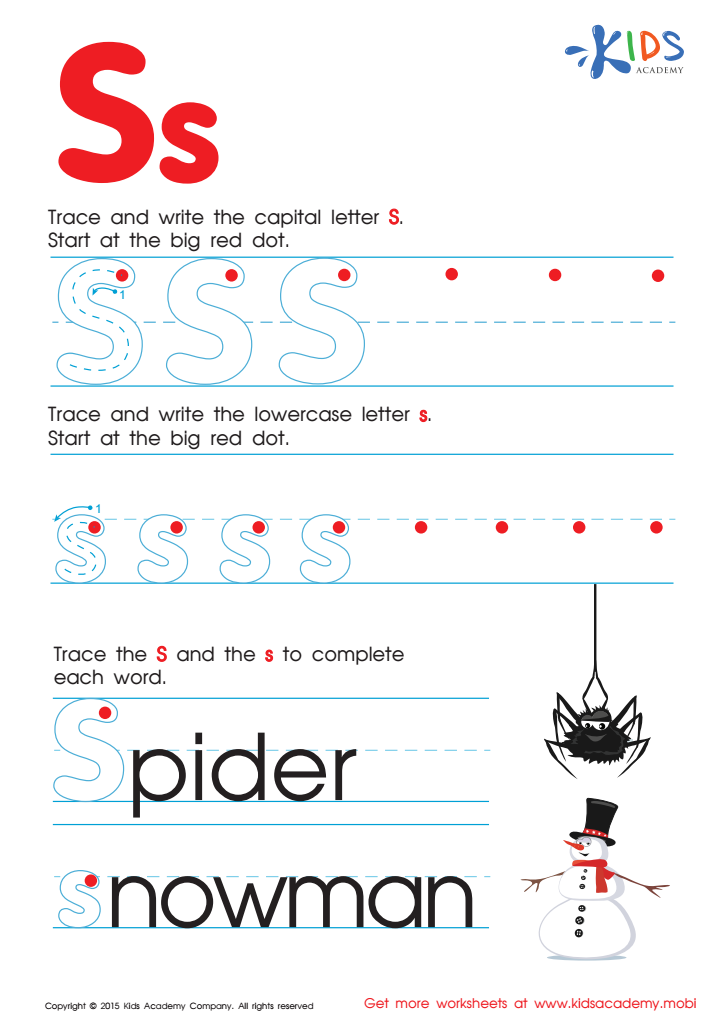
Letter S Tracing Page
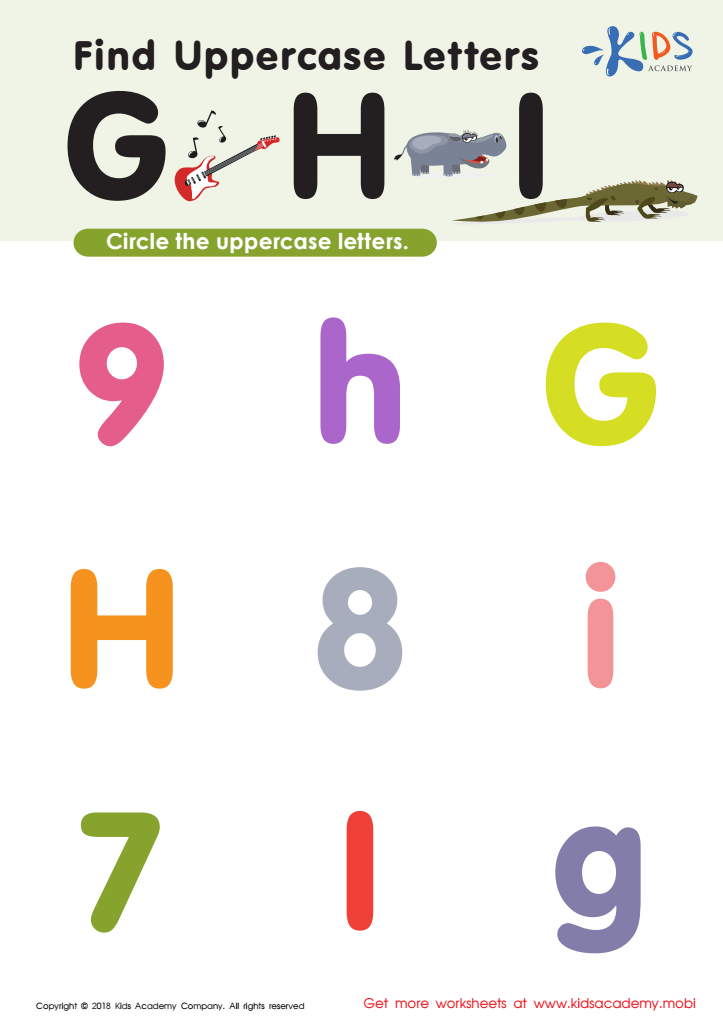
Find Uppercase Letters G, H, and I Worksheet
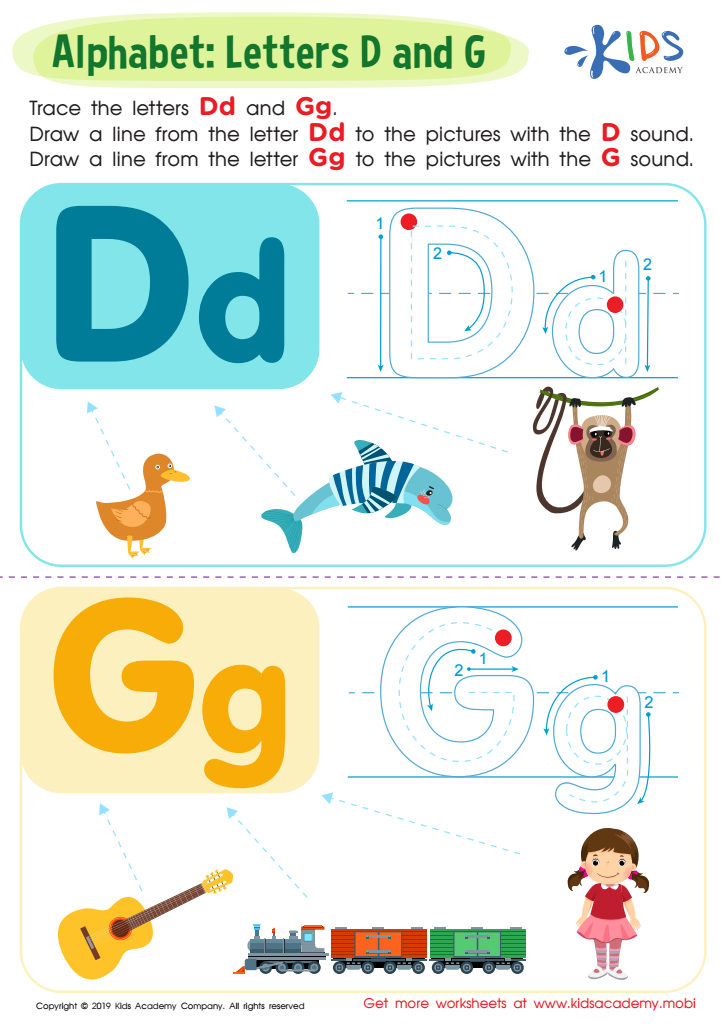
Letter D and G Tracing Worksheet
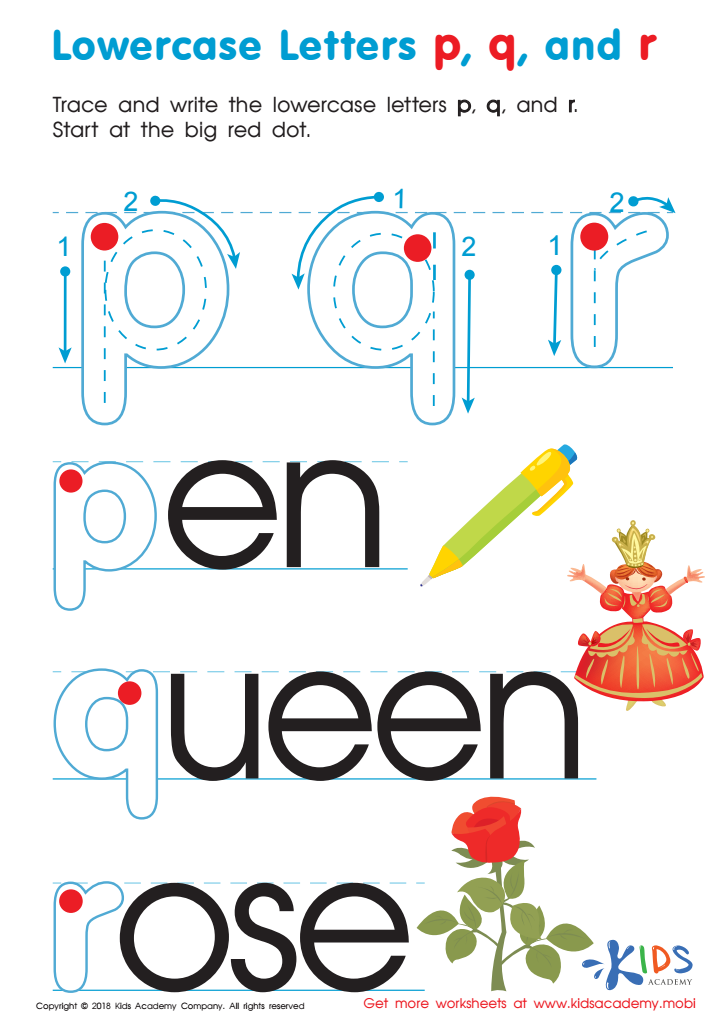
Lowercase Letters p q r Worksheet
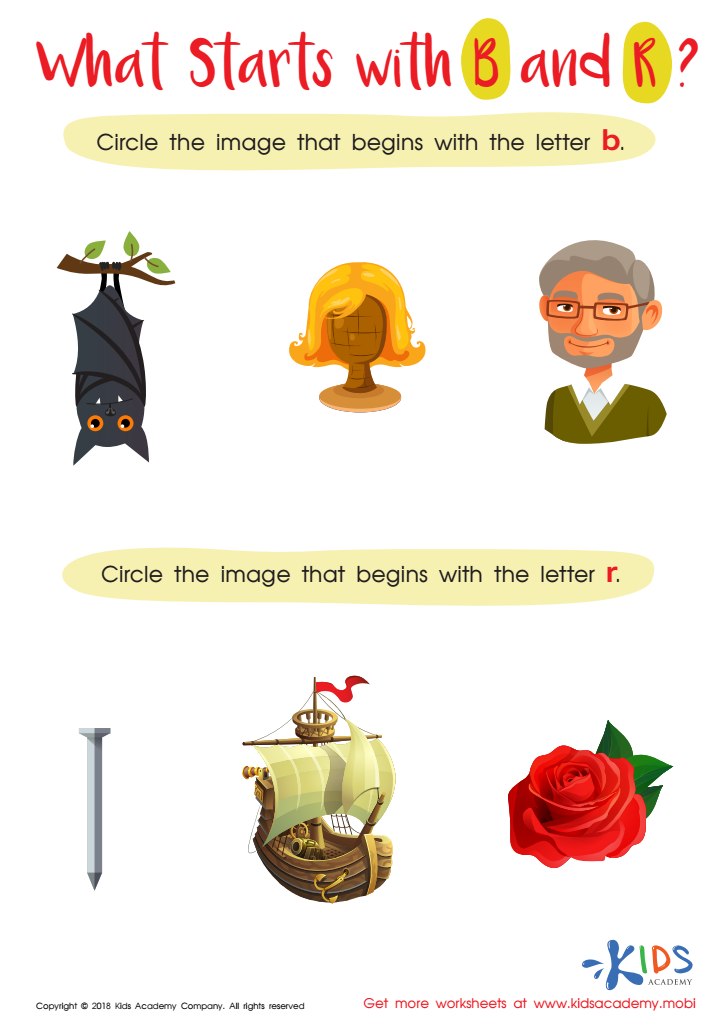
What Starts with B and R? Worksheet
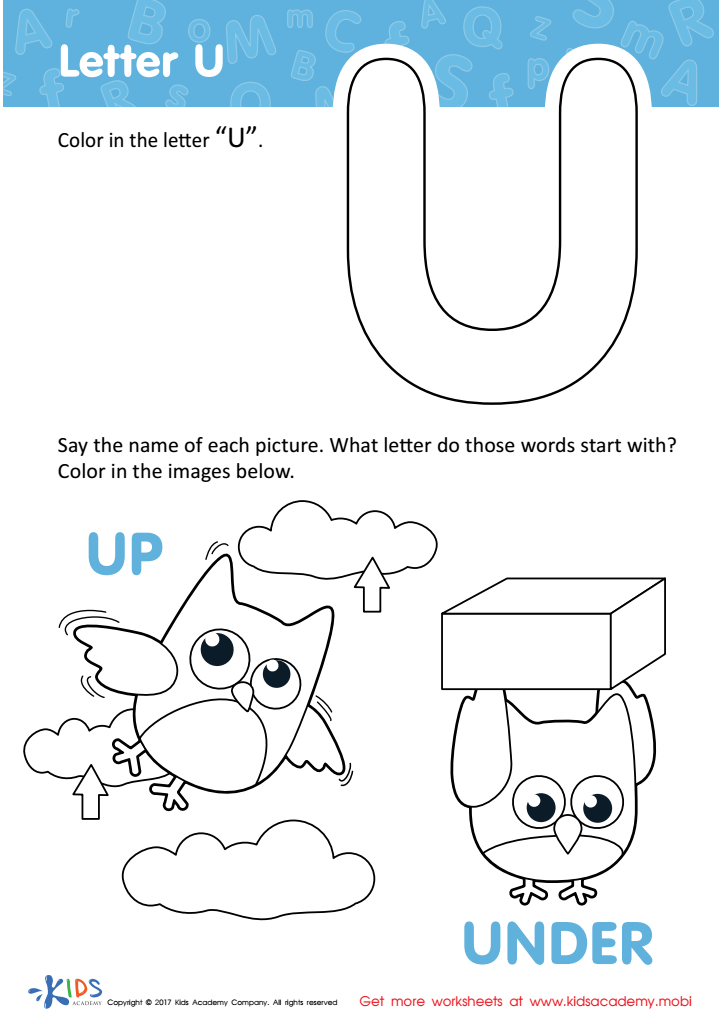
Letter U Coloring Sheet
Assign to My Students
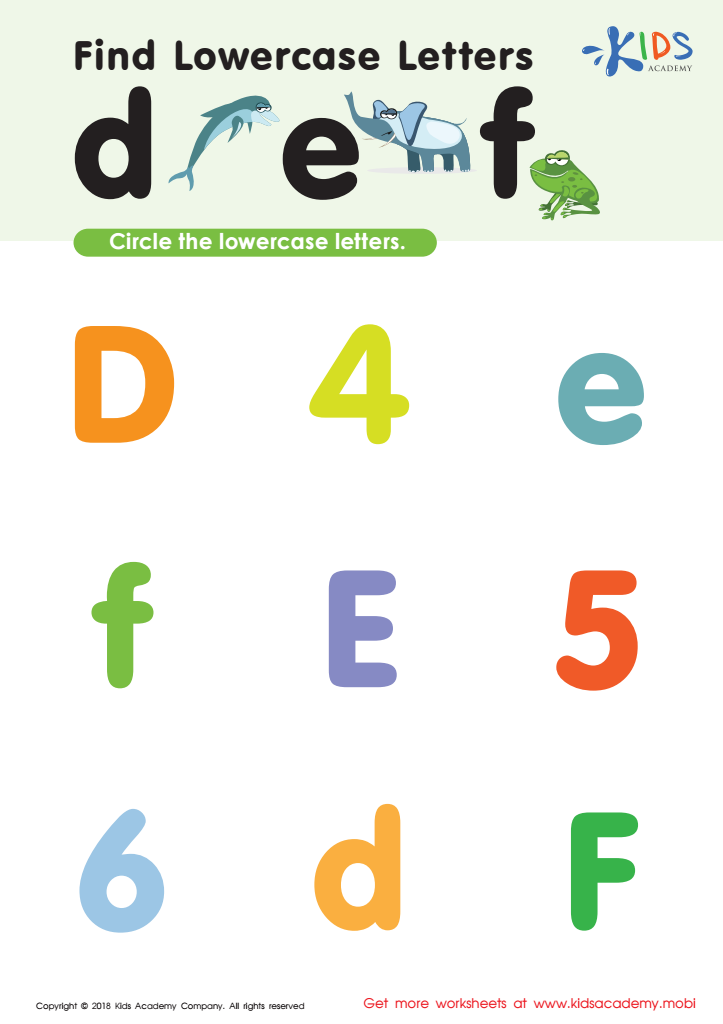
Find Lowercase Letters d e f Worksheet


.jpg)





Letter recognition is a foundational skill essential for literacy development in children aged 6 to 9. During this developmental stage, children are transitioning from recognizing letters to reading and writing words. Proficiency in letter recognition supports their ability to decode words, enhancing their reading fluency and comprehension. When parents or teachers prioritize this skill, they lay a strong groundwork for future literacy success.
Additionally, strong letter recognition fosters confidence in young learners, encouraging a love for reading. Children who can identify letters quickly are more likely to engage with texts and participate in classroom activities. This positive reinforcement can inspire them to explore stories, seek new information, and interact with peers.
Furthermore, focusing on letter recognition helps children develop critical thinking and phonemic awareness, as they begin to understand the connection between sounds and letters. This understanding is integral for spelling and writing, which are crucial skills for academic achievement.
Ultimately, investing time and resources into letter recognition not only supports language acquisition but also promotes overall cognitive development. It equips children with the necessary tools to navigate their educational journey successfully, fostering lifelong learning habits that benefit them beyond the classroom.








