Map reading skills Worksheets for Ages 6-9
17 filtered results
-
From - To
Explore our engaging Map Reading Skills Worksheets designed specifically for ages 6-9! These educational resources foster essential navigation abilities, helping young learners interpret maps and understand spatial relationships. With a variety of fun activities, children will develop skills such as recognizing symbols, reading directions, and measuring distances. Ideal for home or classroom use, our worksheets promote critical thinking and enhance geographical knowledge. Each worksheet incorporates colorful visuals and engaging prompts to keep kids motivated while learning. Empower your child with the confidence and knowledge to explore the world around them through effective map reading skills today! Perfect for budding adventurers!
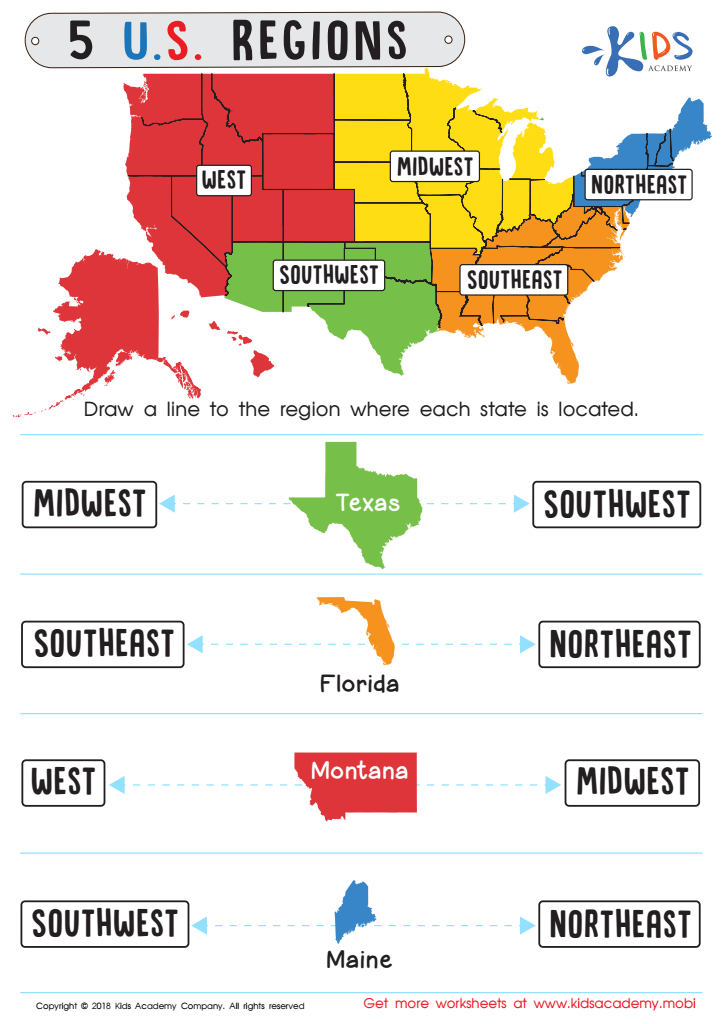
5 U.S. Regions Worksheet
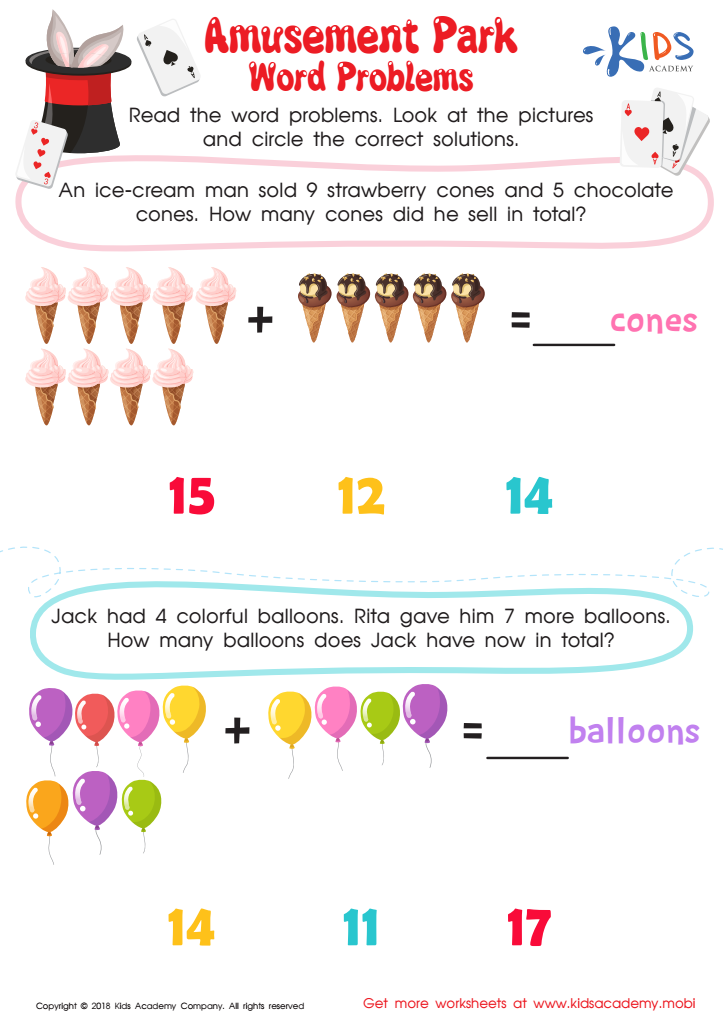
Amusement Park Word Problems Worksheet
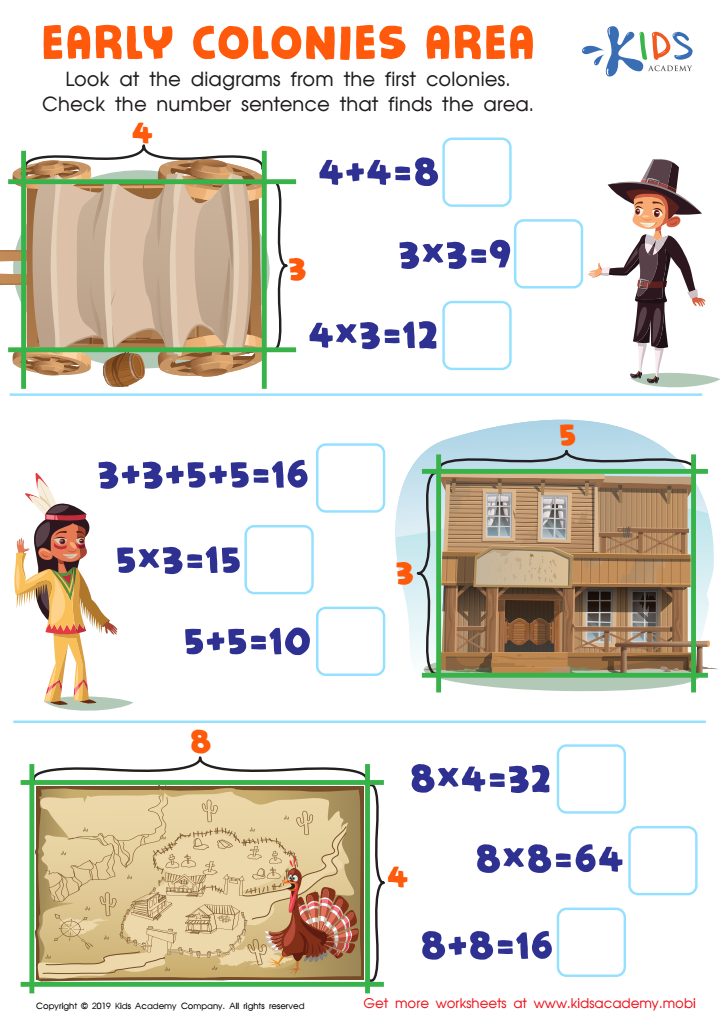
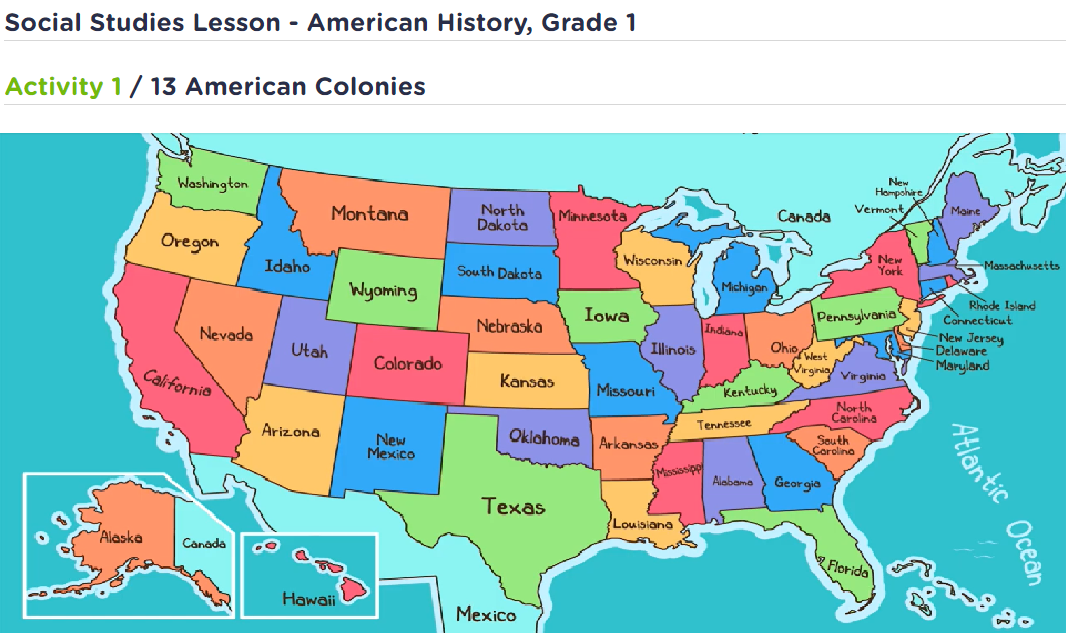
Early Colonies Area Worksheet
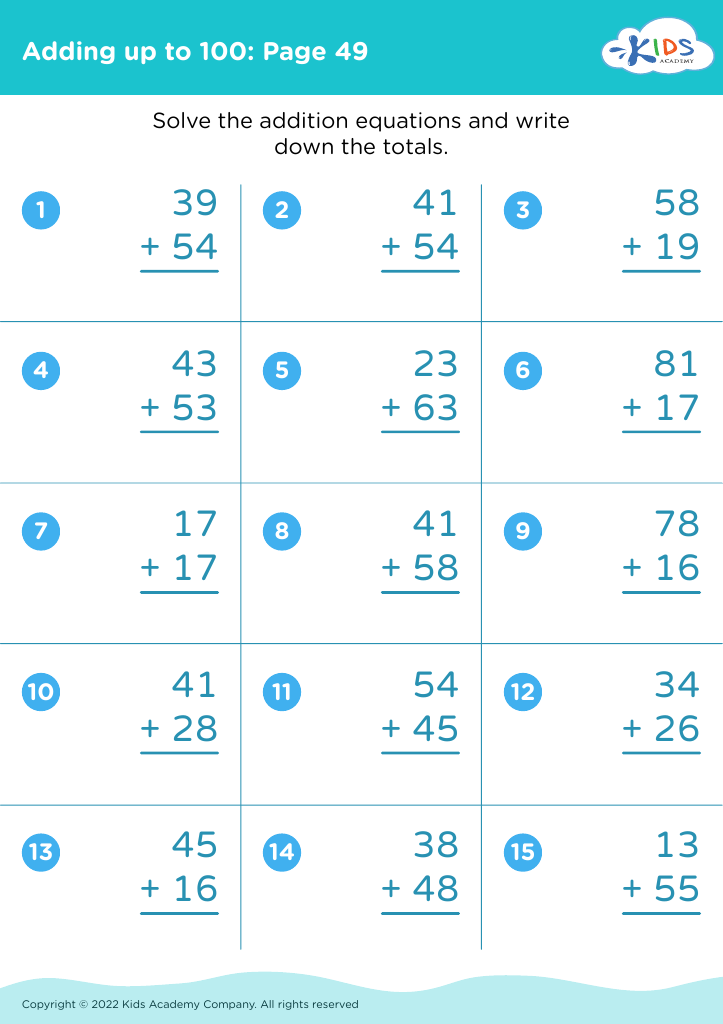
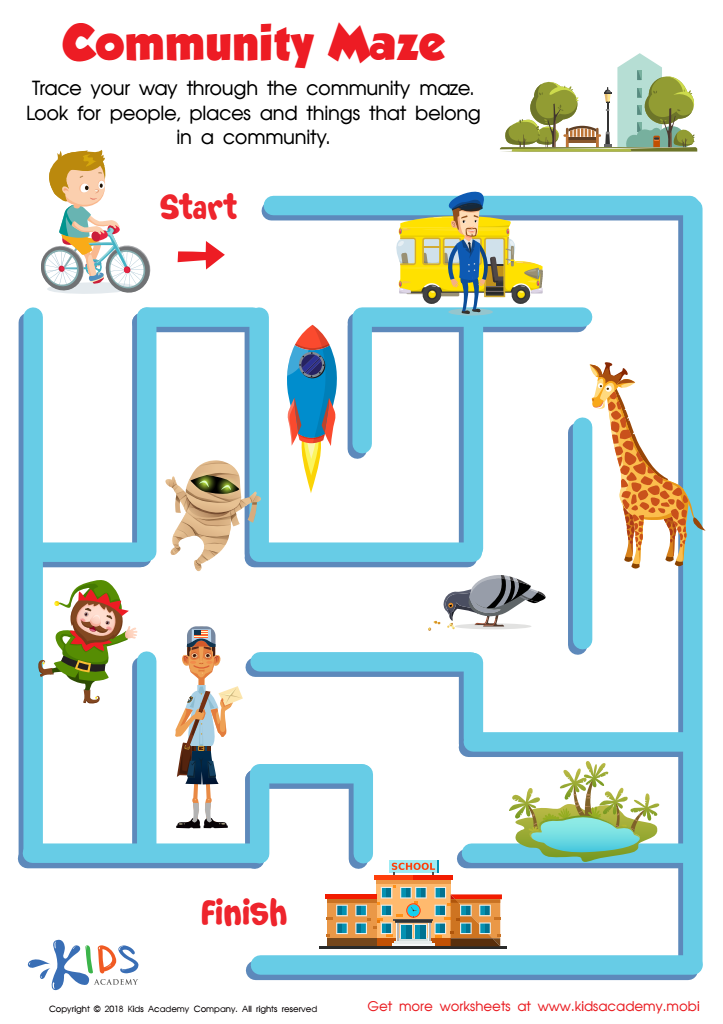
Community Maze Worksheet
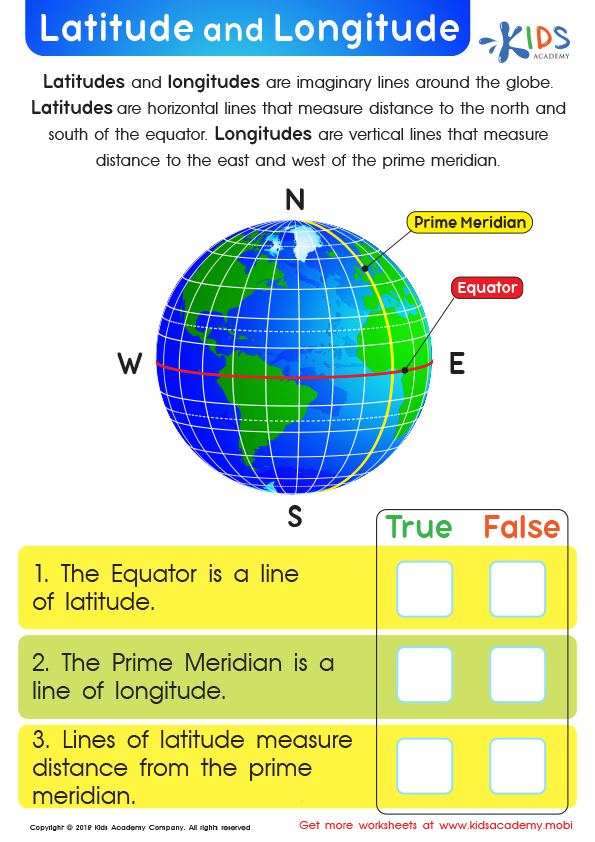
Latitude and Longitude Worksheet
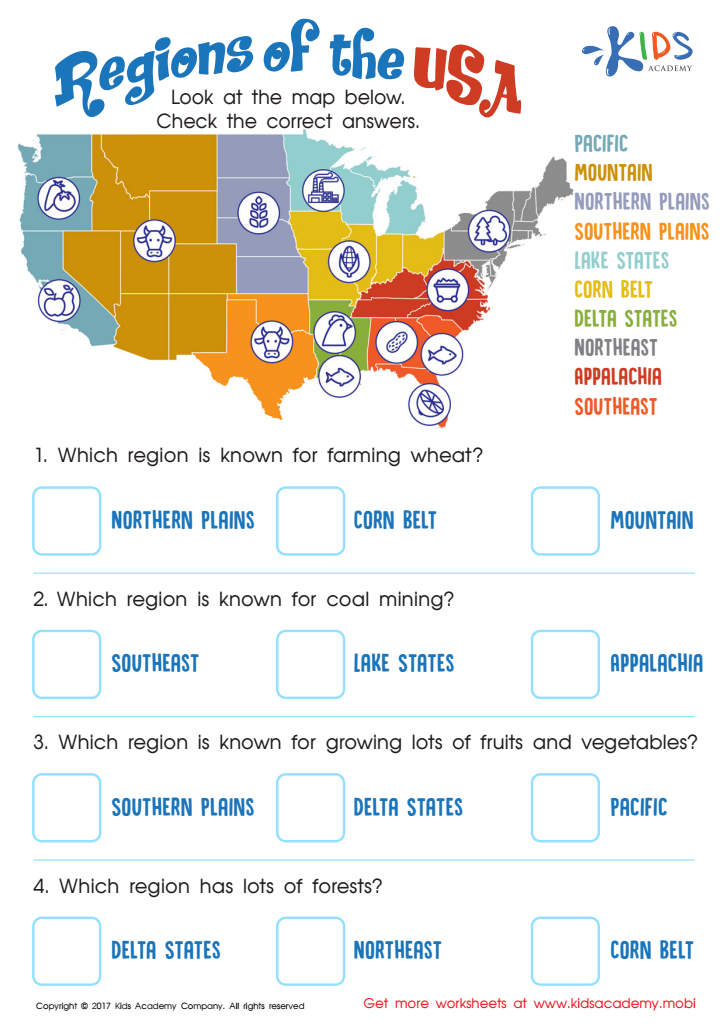
Regions of the USA Worksheet
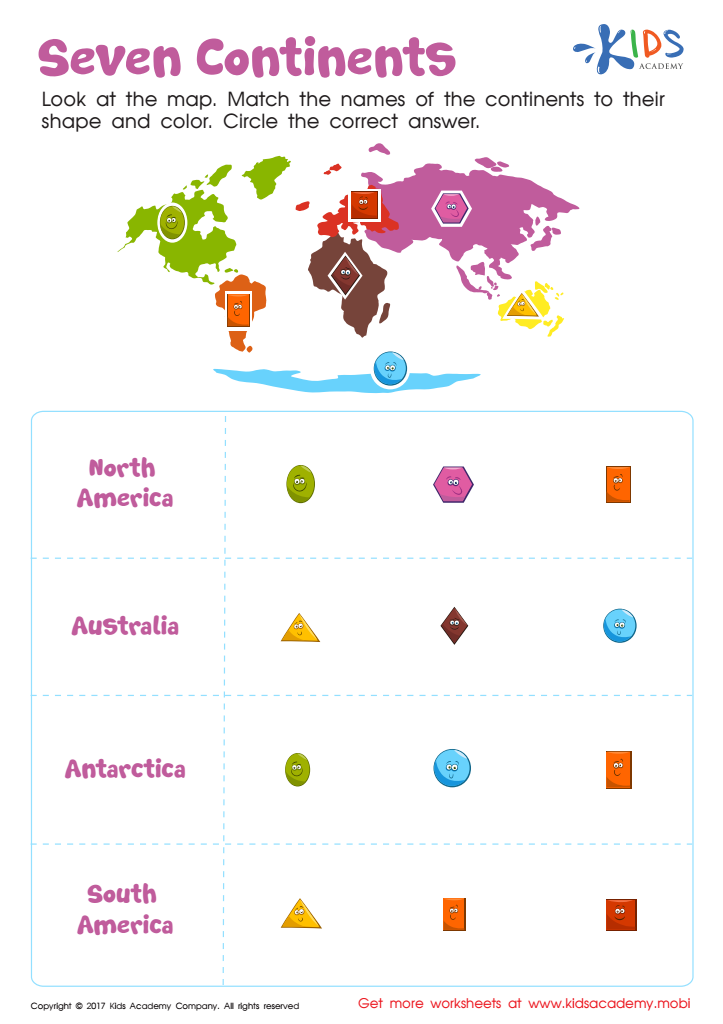
Seven Continents Worksheet
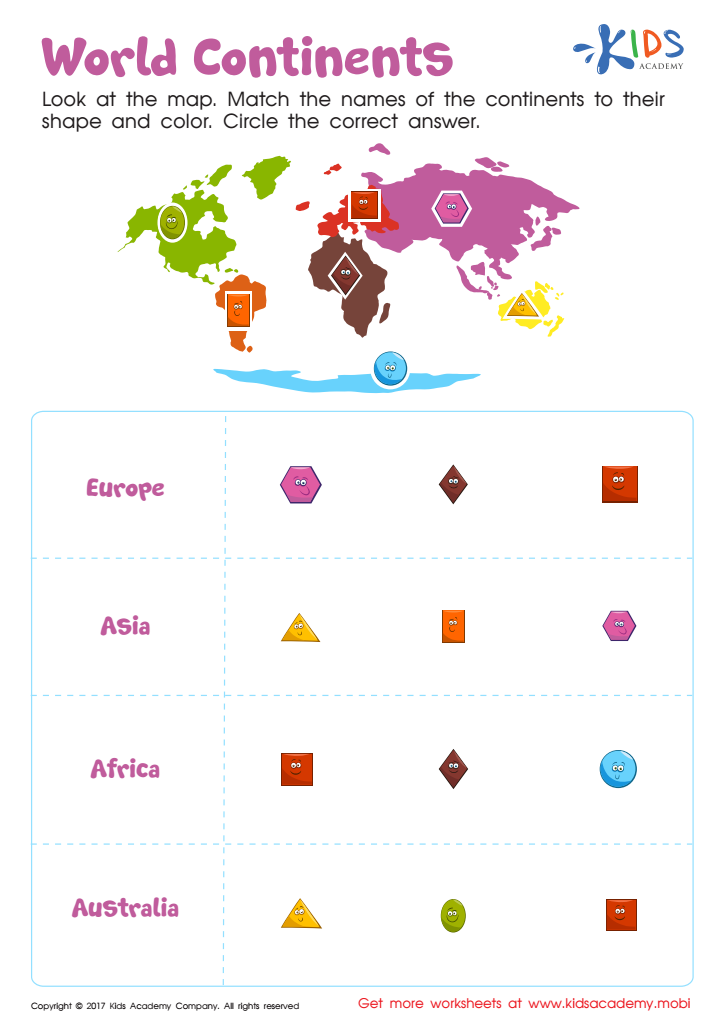
World Continents Worksheet
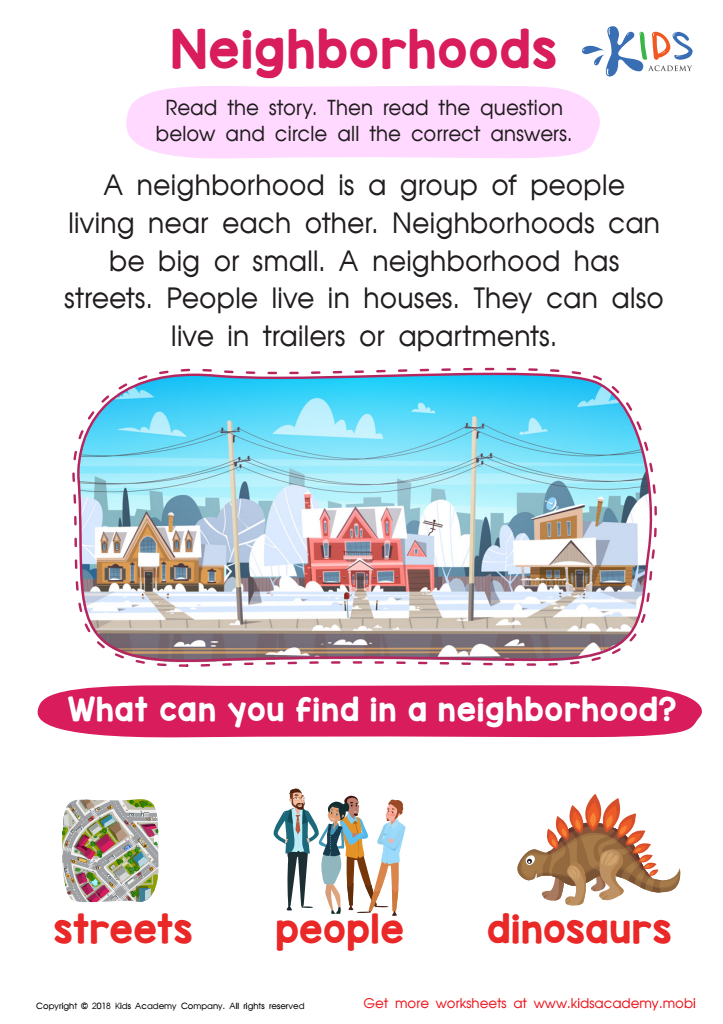
Neighborhoods Worksheet
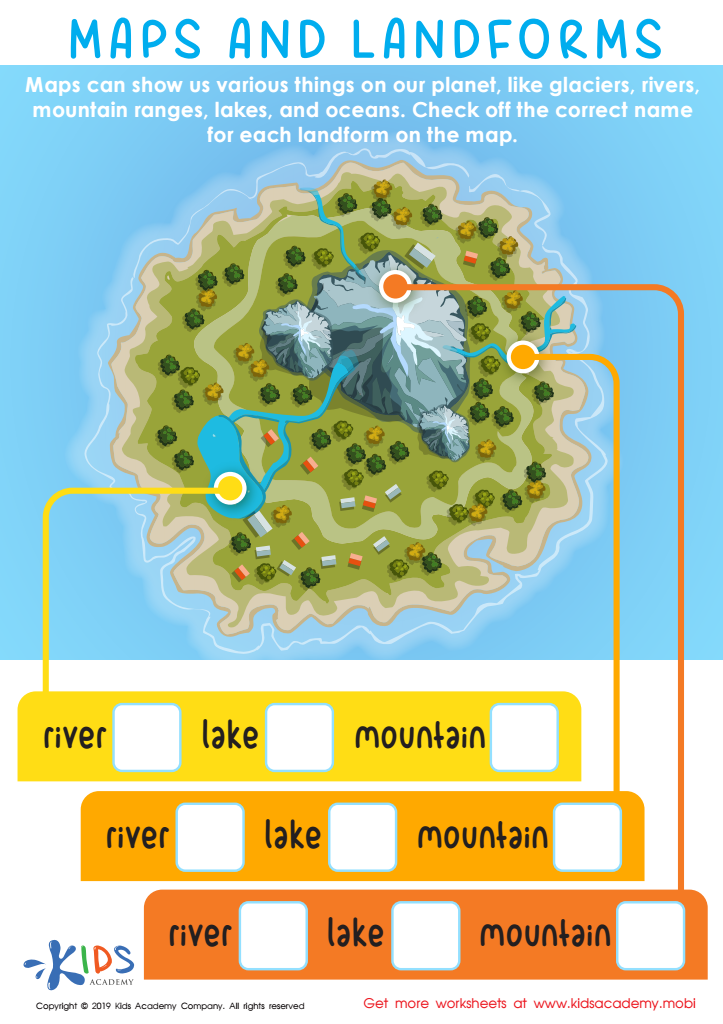
Maps and Landforms Worksheet
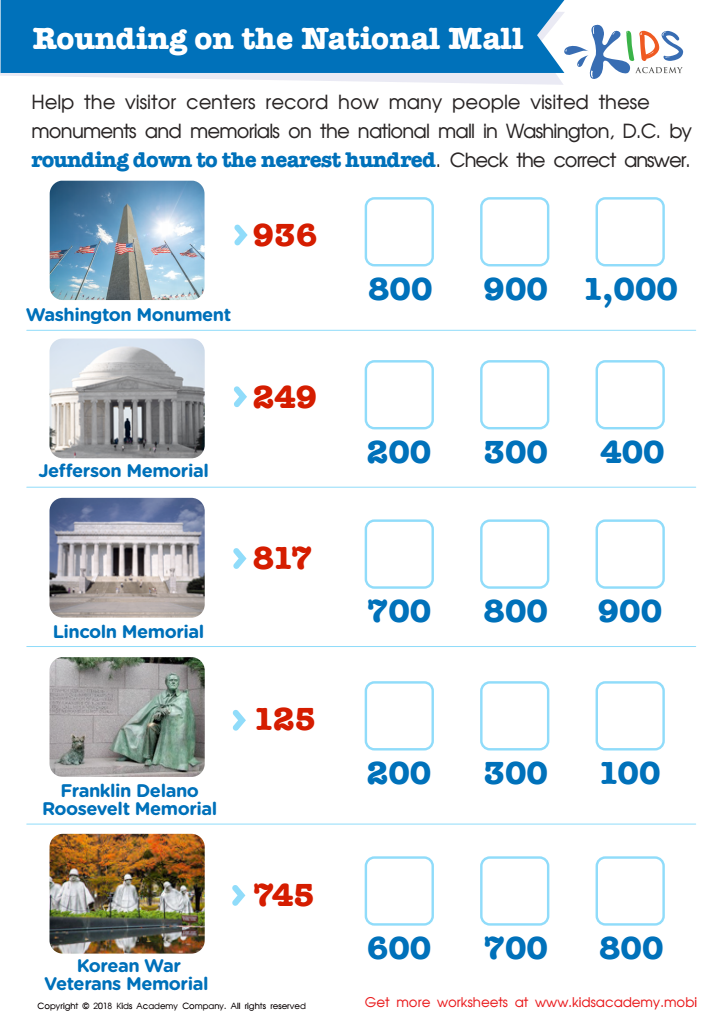
Rounding on the National Mall Worksheet
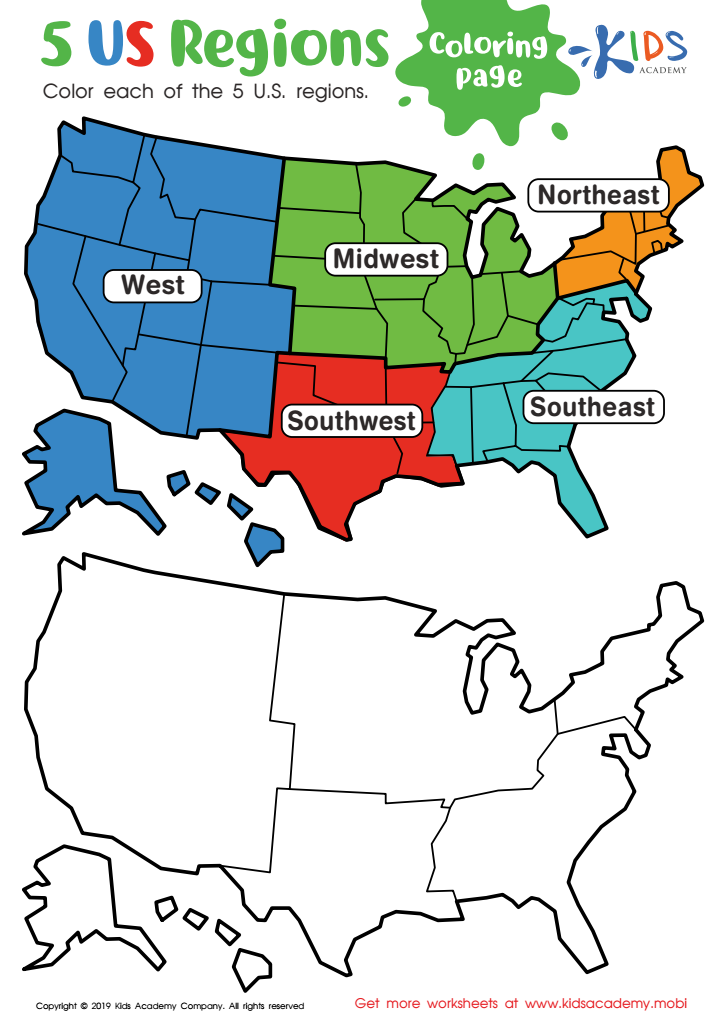
US Regions Coloring Page Worksheet
 Assign to My Students
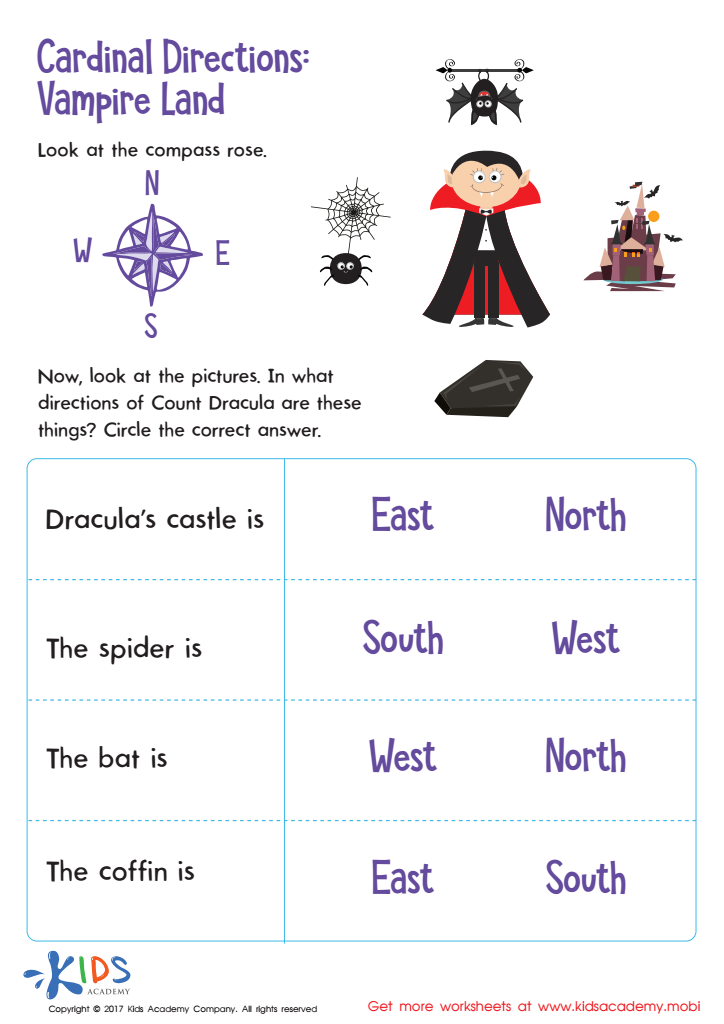
Cardinal Directions Printable
Arizona Coloring Page Worksheet
Assign to My Students
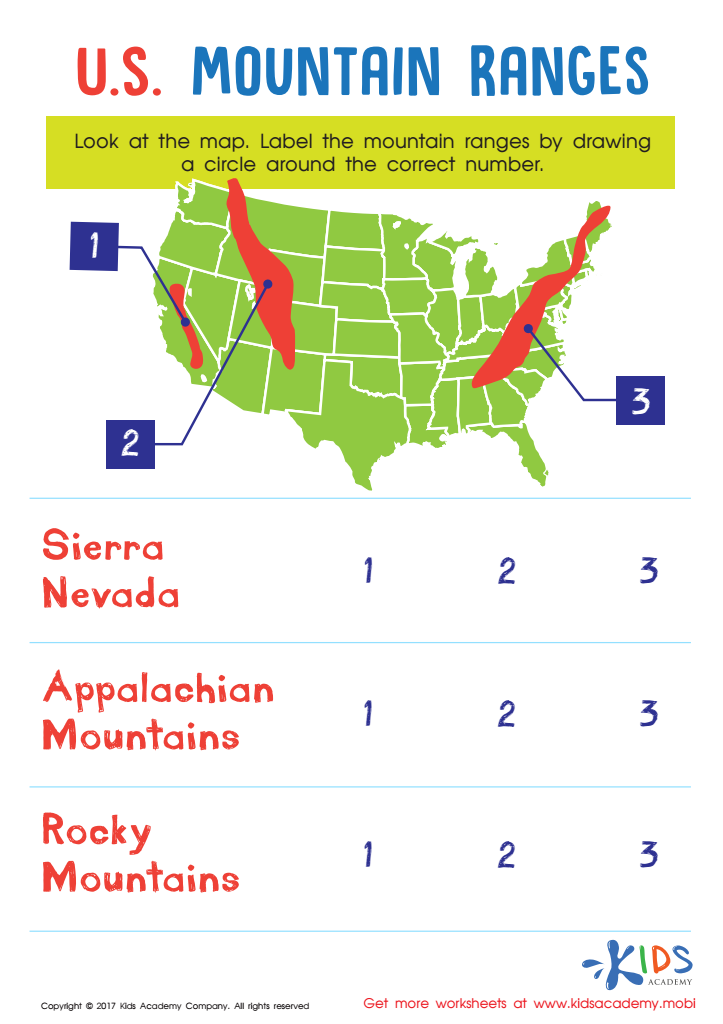
US Mountain Ranges Worksheet
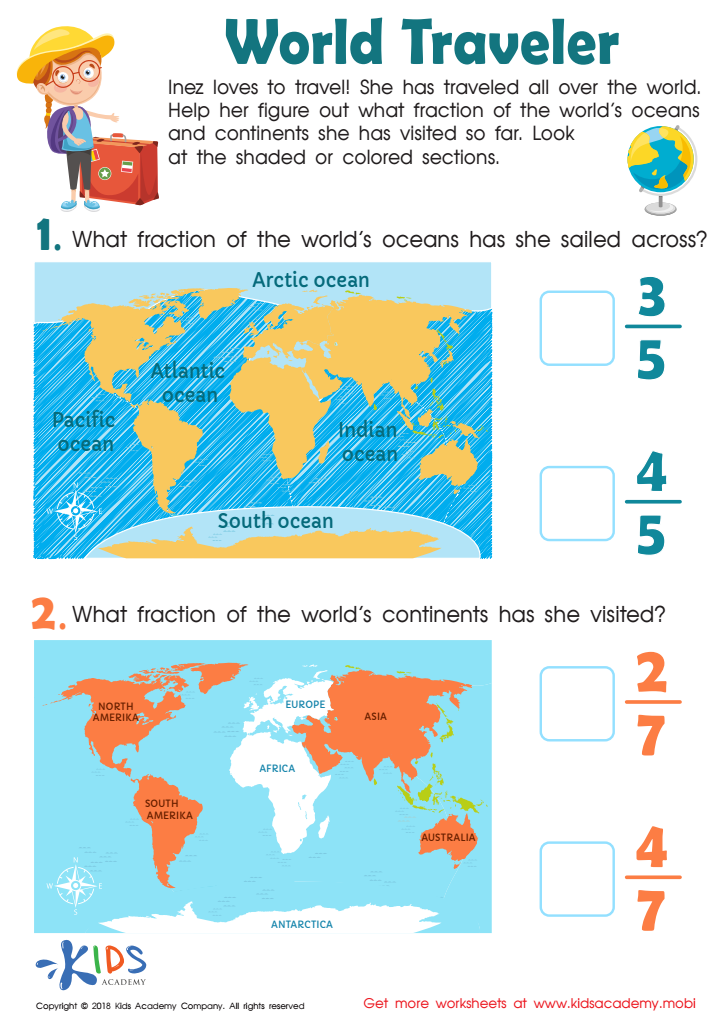
World Traveler Worksheet





Map reading skills are vital for children aged 6-9 as they lay the foundation for critical thinking, spatial awareness, and problem-solving. At this age, children begin to develop their understanding of the world around them, and learning to read maps enhances their ability to navigate spaces both physically and conceptually.
Firstly, map reading stimulates cognitive development. It encourages kids to interpret symbols, understand scale, and recognize directions—skills that are transferrable to other academic subjects, especially mathematics and geography. Improving these skills fosters a sense of independence and confidence in children as they learn to orient themselves in new environments.
Additionally, teaching map reading through interactive and engaging activities can reignite their natural curiosity and exploration. It promotes outdoor learning, as teachers and parents can guide children in locally relevant exercises, such as treasure hunts, fostering teamwork and communication.
Finally, in a technology-driven world, basic map-reading skills remain crucial. Understanding traditional mapping techniques helps children appreciate modern GPS applications while also developing essential life skills, such as planning and decision-making. By nurturing map reading skills, parents and teachers effectively contribute to holistic child development, ensuring they grow into resourceful, informed individuals.








