Mathematical reasoning Worksheets for Ages 6-9 - Page 2
62 filtered results
-
From - To
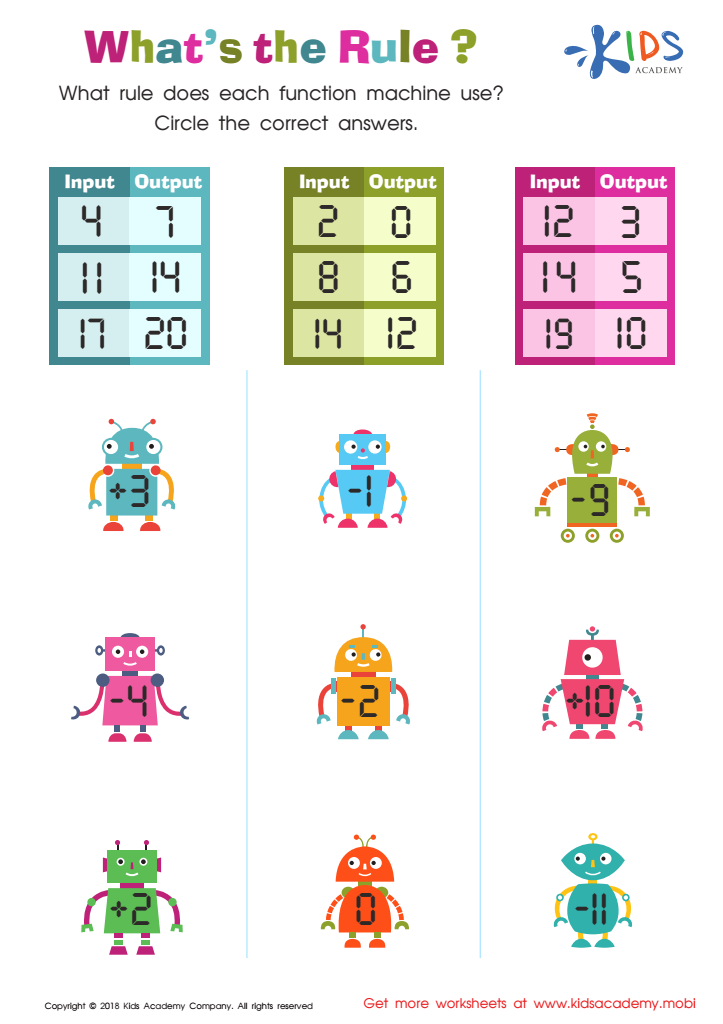
What's the Rule Worksheet
 Assign to My Students
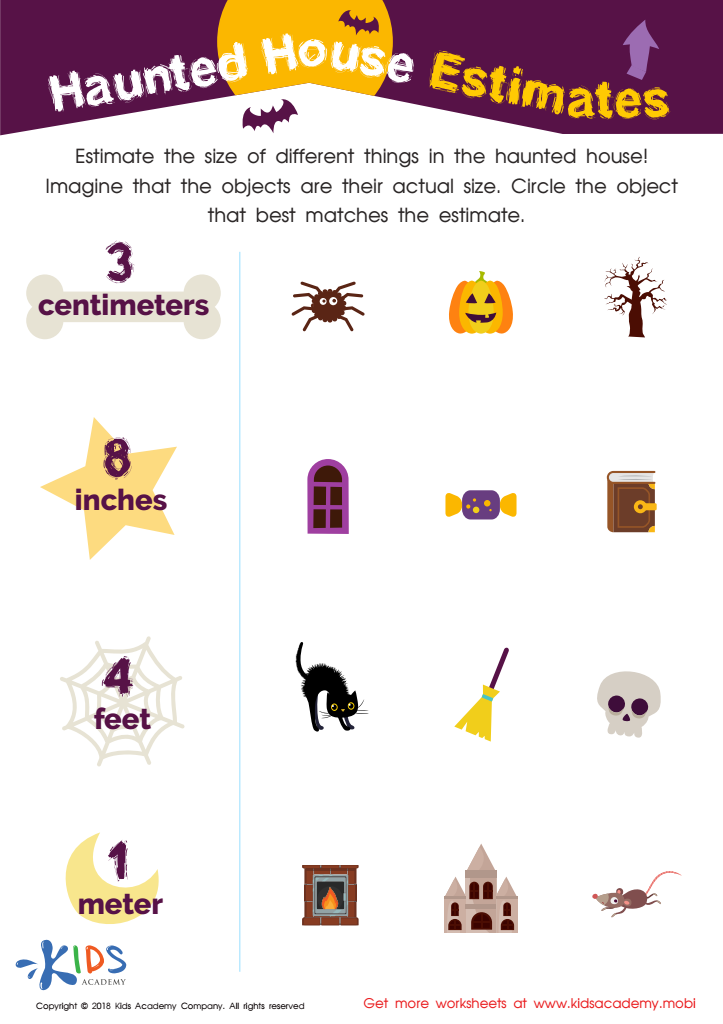
Haunted House Estimates Worksheet
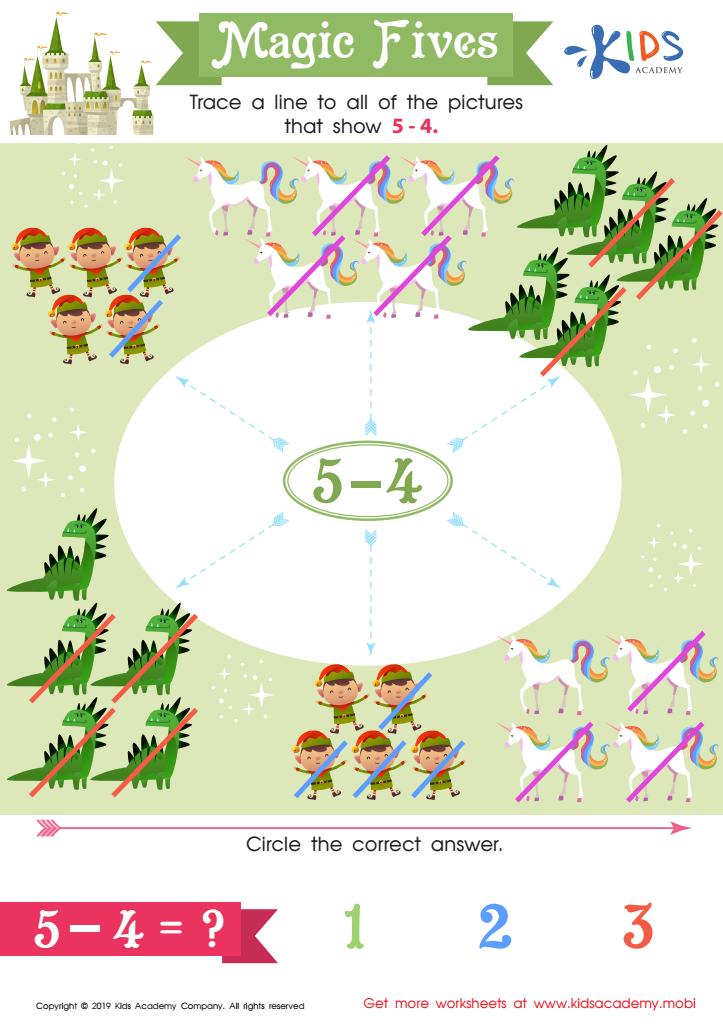
Magic Fives Worksheet
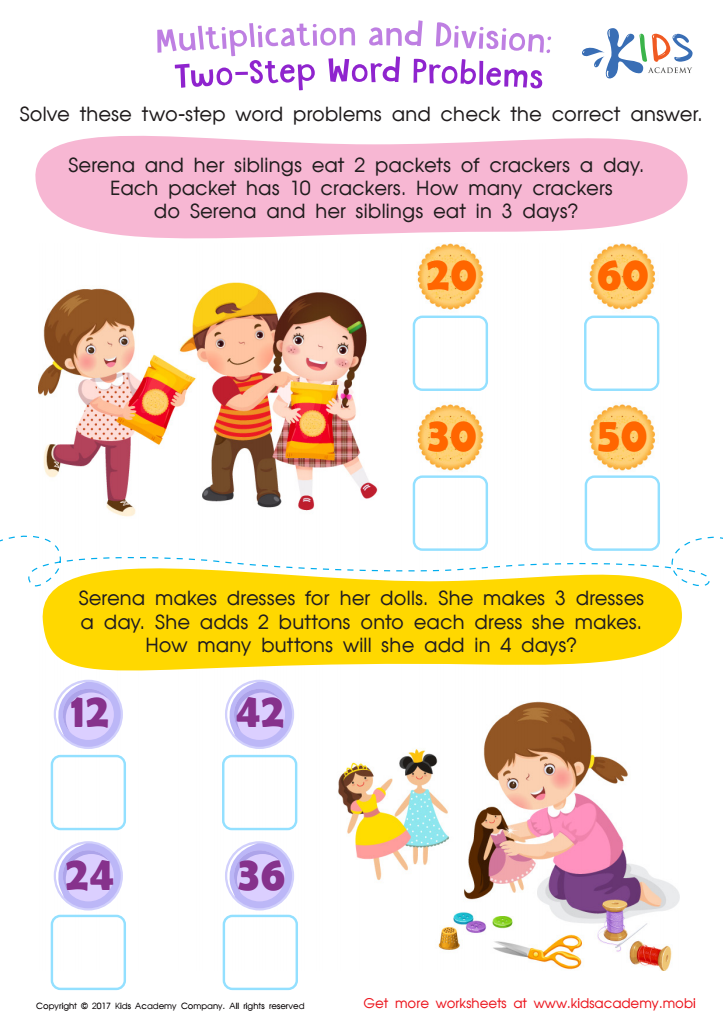
Two Step Word Problems Worksheet
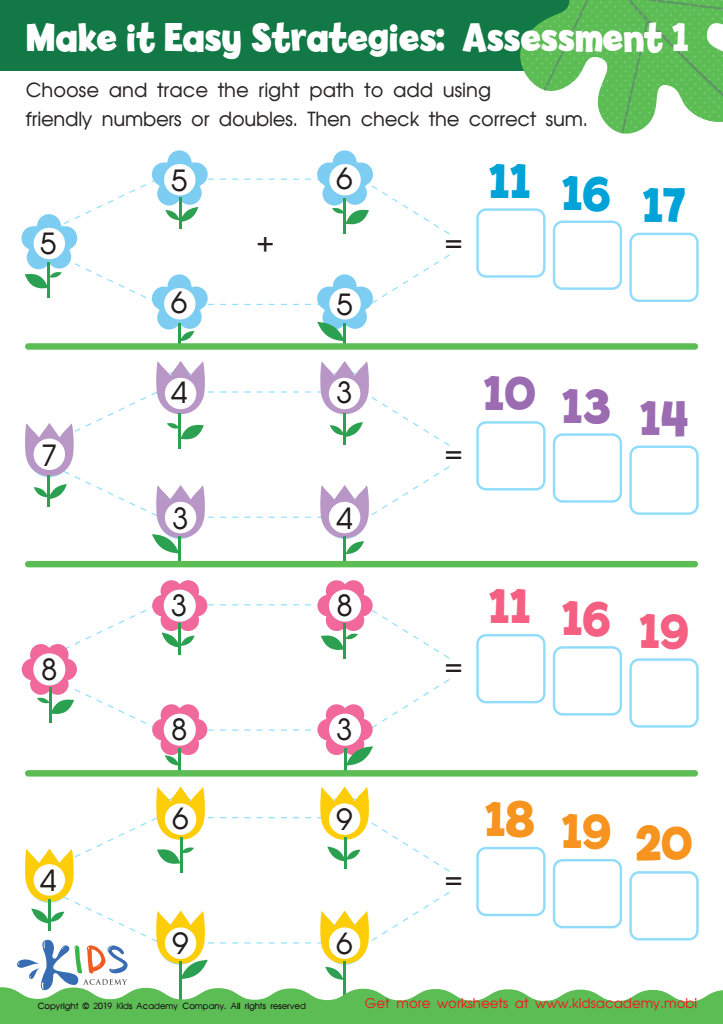
Make it Easy Strategies: Assessment 1 Worksheet
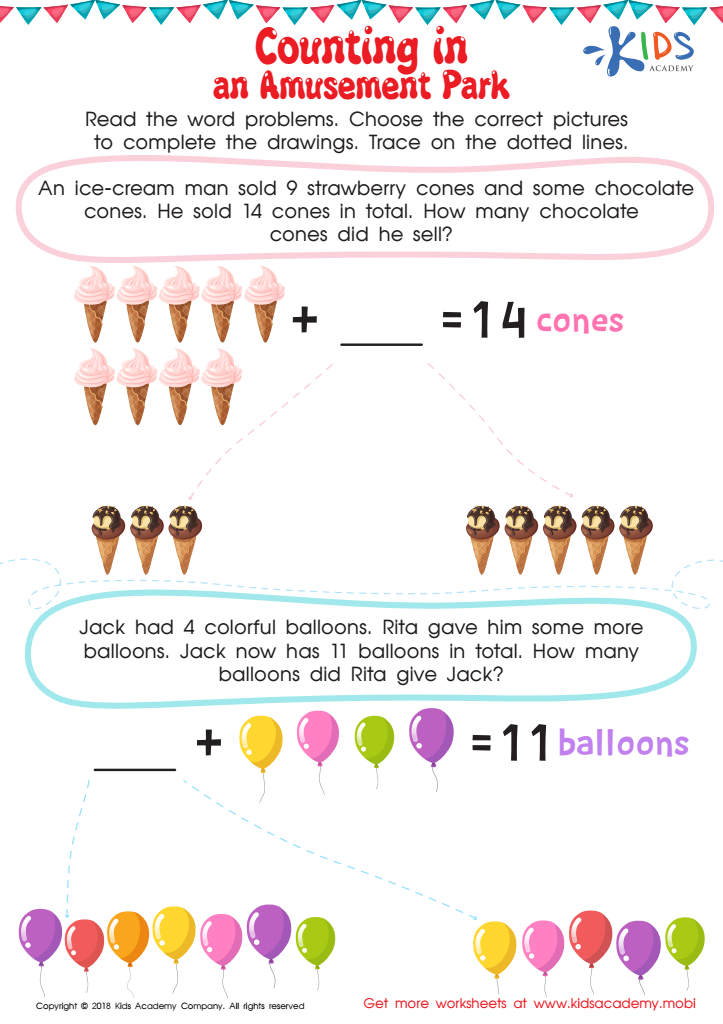
Counting in an Amusement Park Worksheet
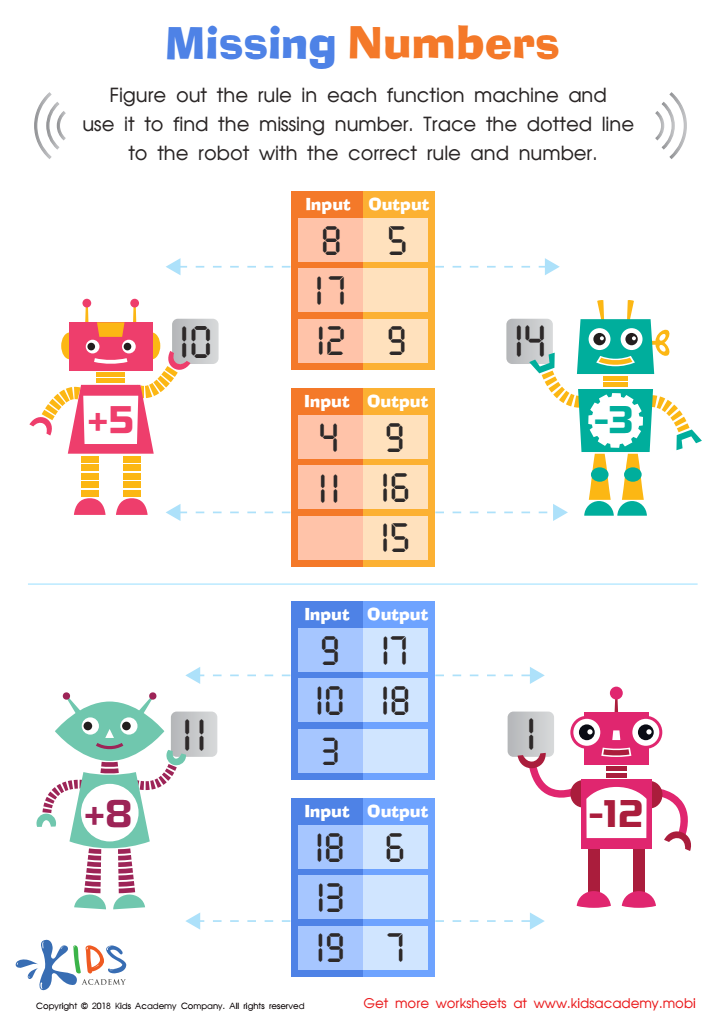
Missing Numbers Worksheet
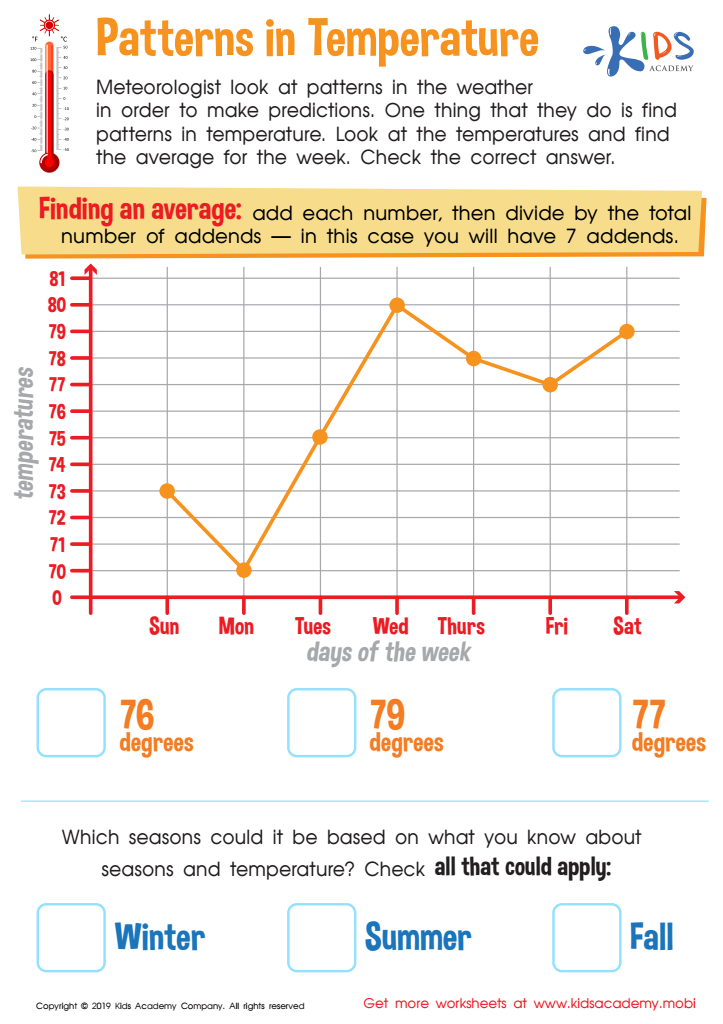
Patterns in Temperature Worksheet
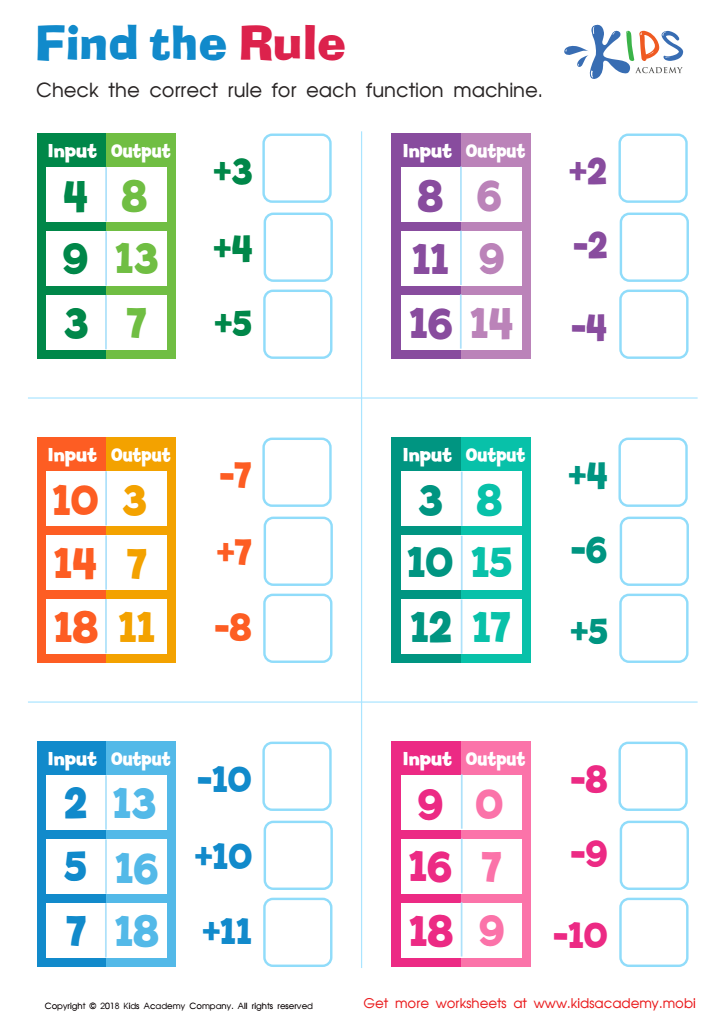
Find the Rule Worksheet
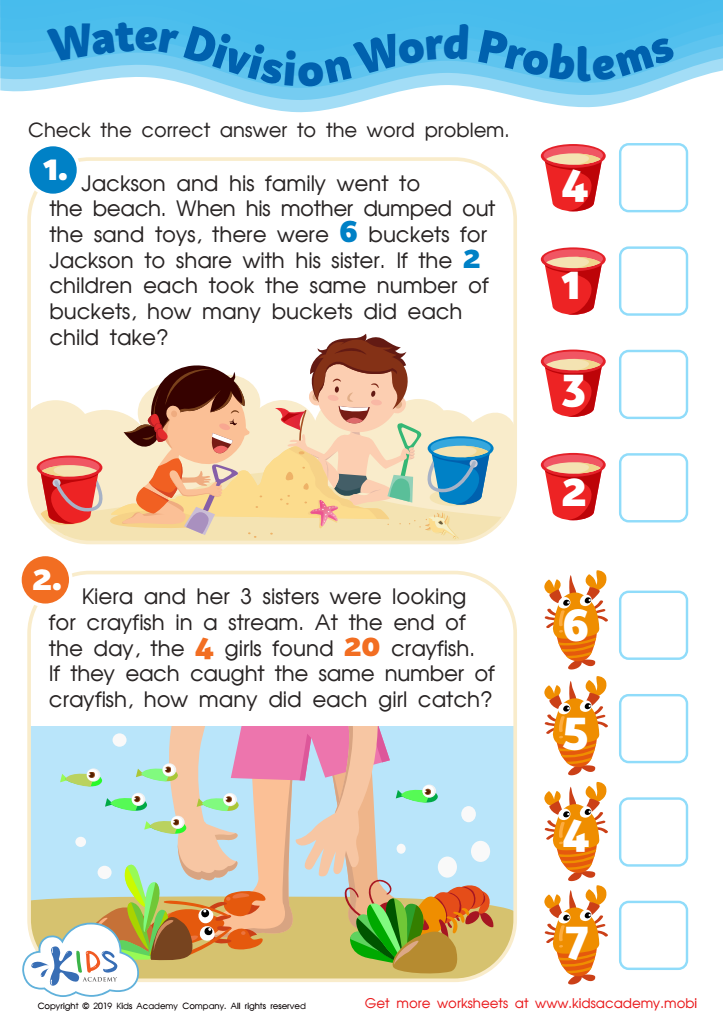
Water Division Word Problems Worksheet
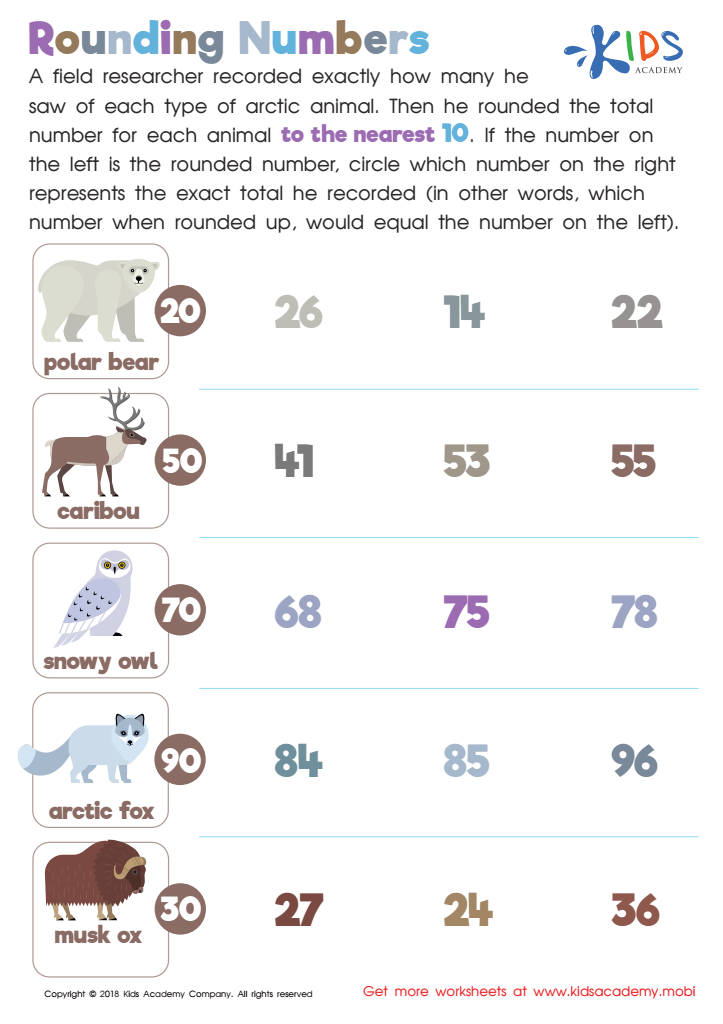
Rounding Numbers Worksheet
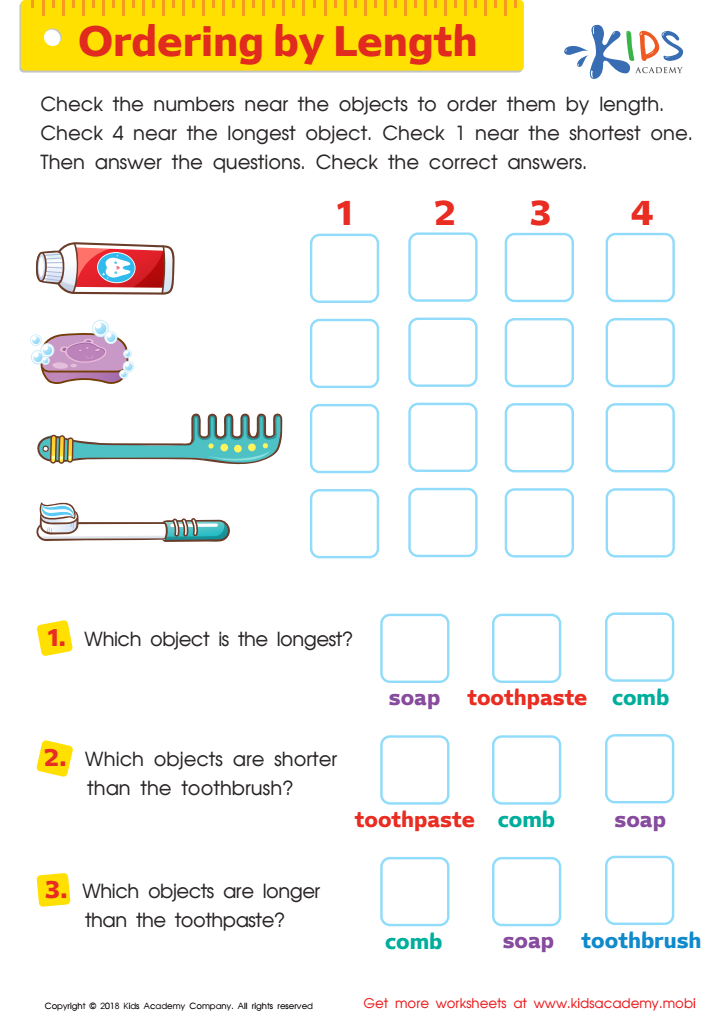
Ordering by Length Worksheet
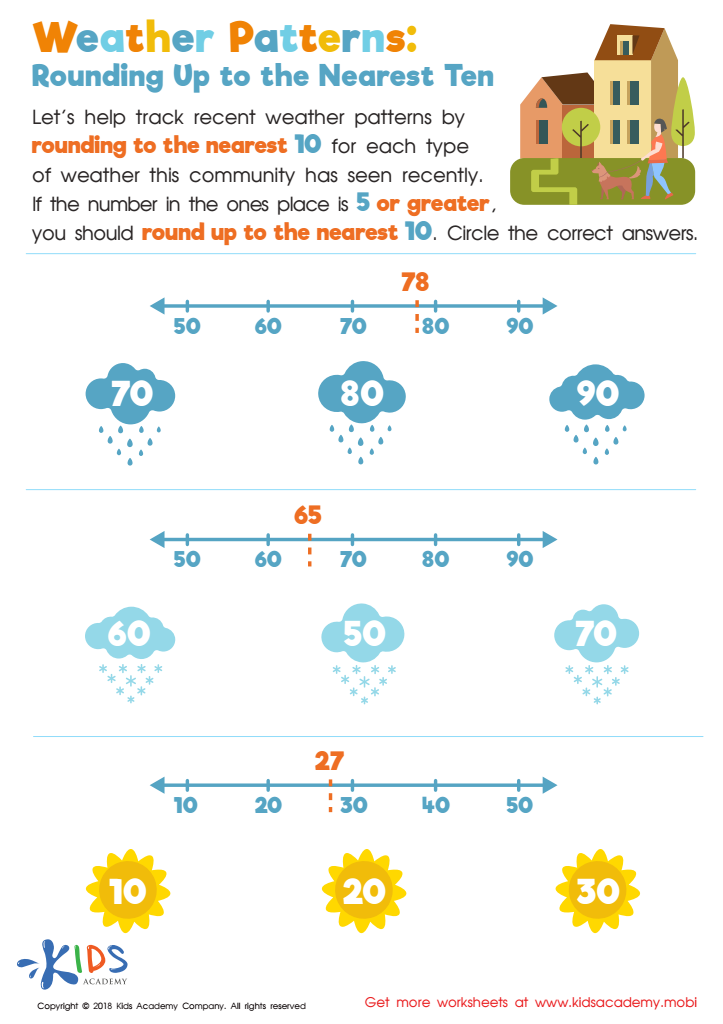
Weather Patterns Worksheet
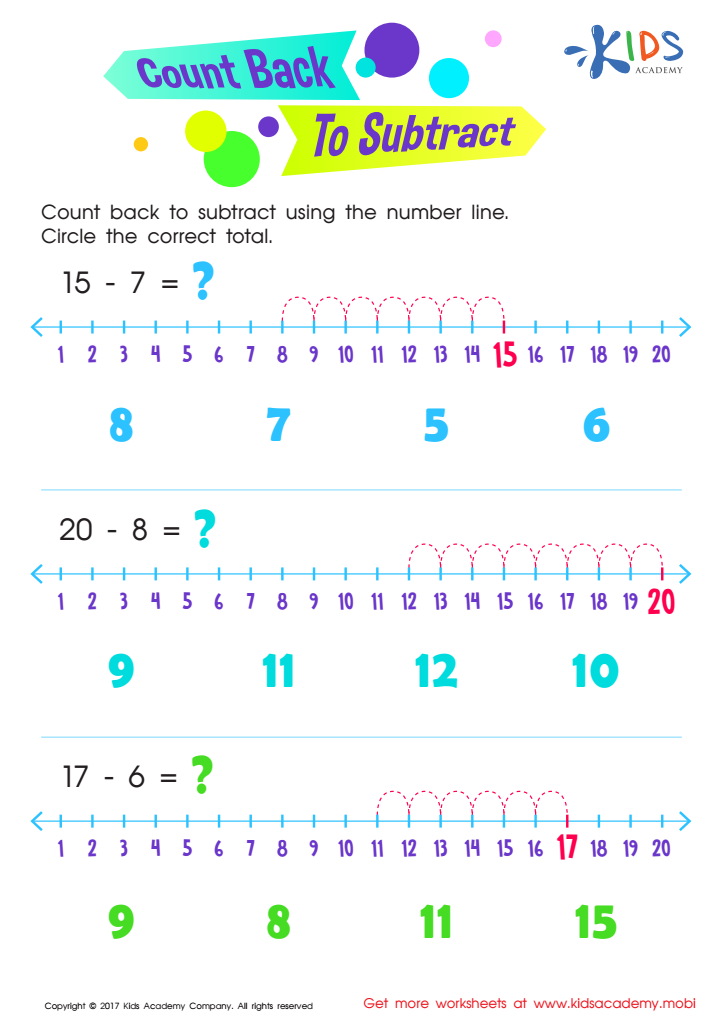
Count Back to Subtract Substraction Worksheet
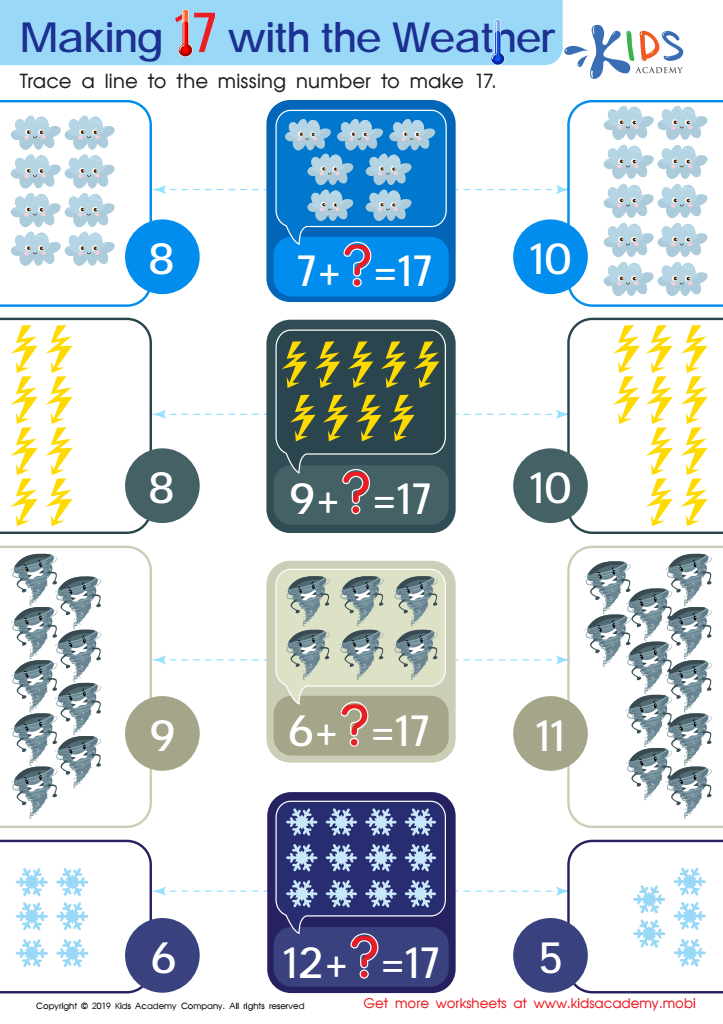
Making 17 with the Weather Worksheet
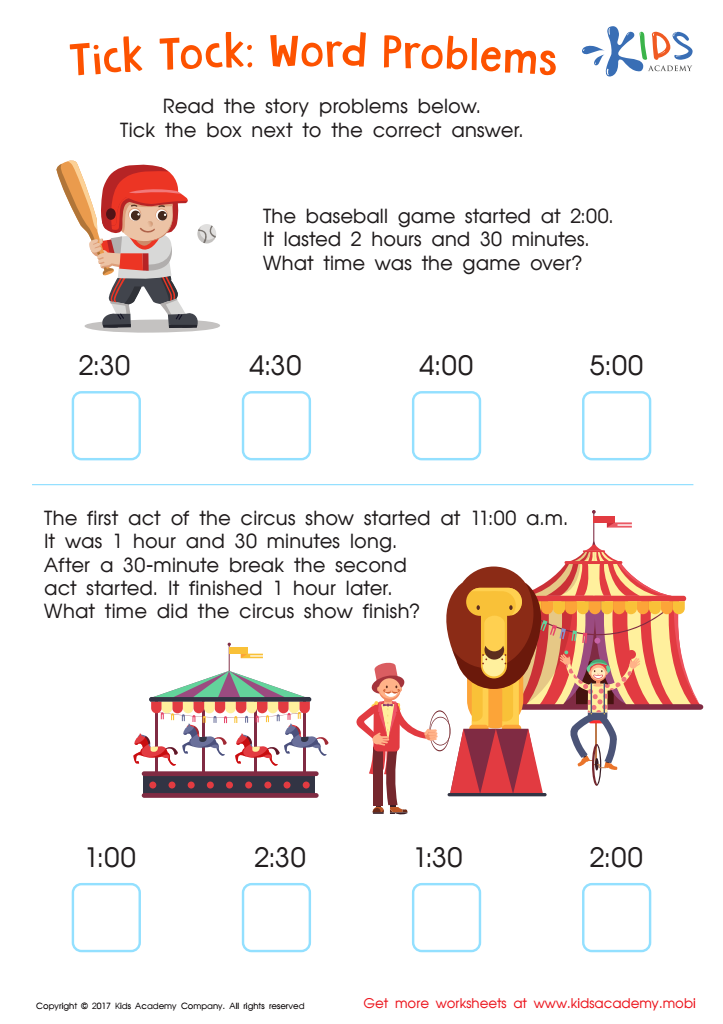
Tick Tock Word Problems Time Worksheet
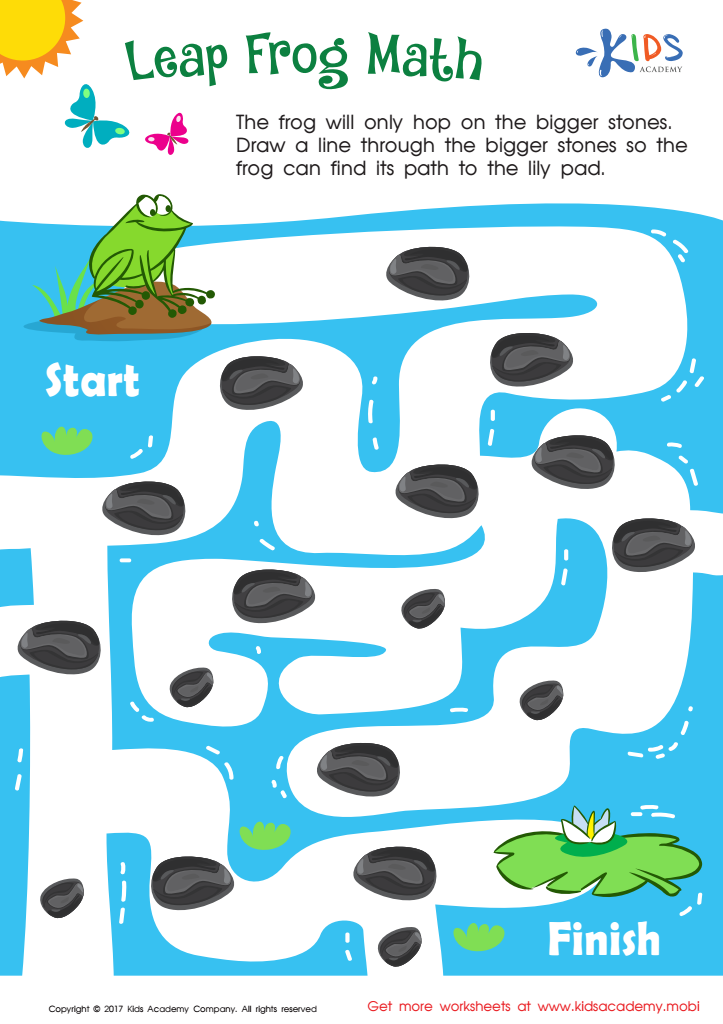
Math Puzzle Worksheet
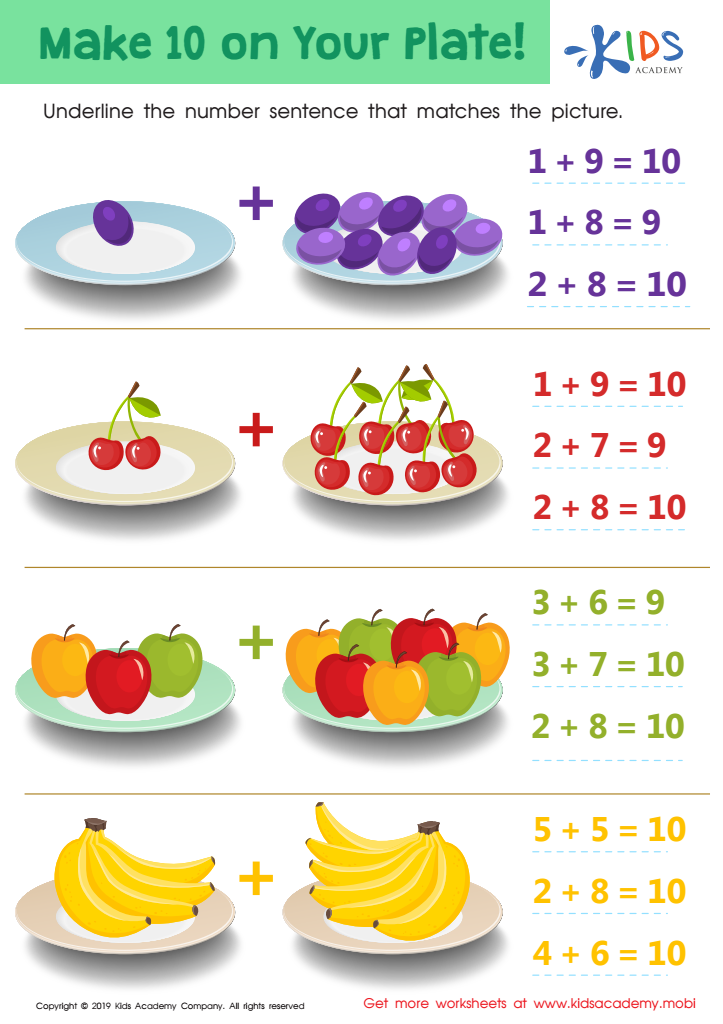
Make 10 on Your Plate! Worksheet
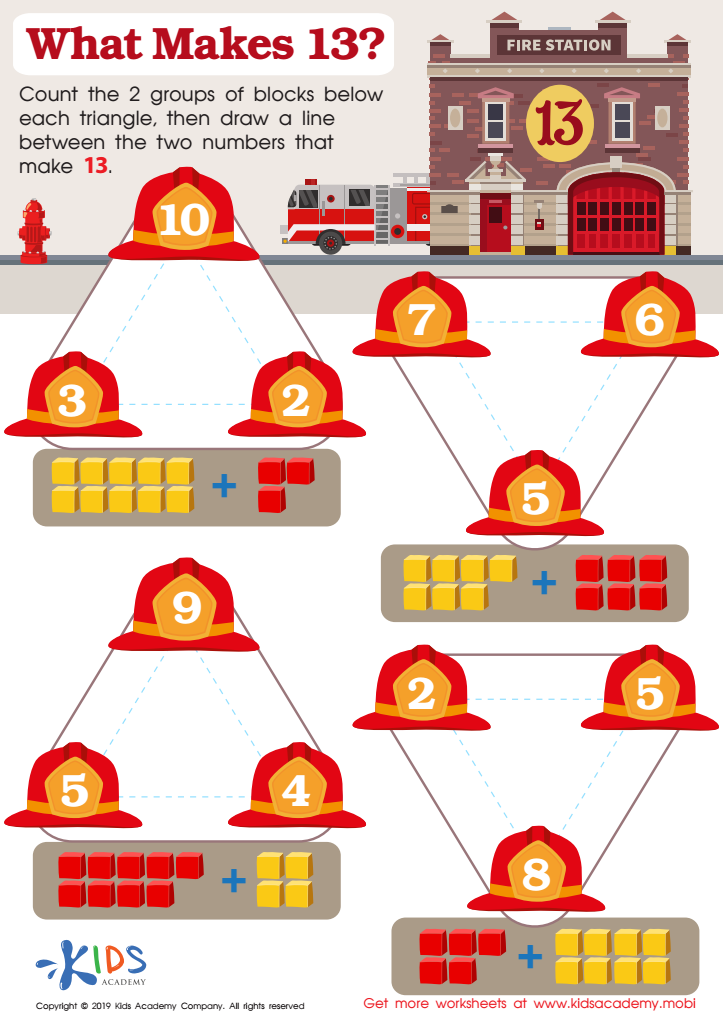
What Makes 13 Worksheet
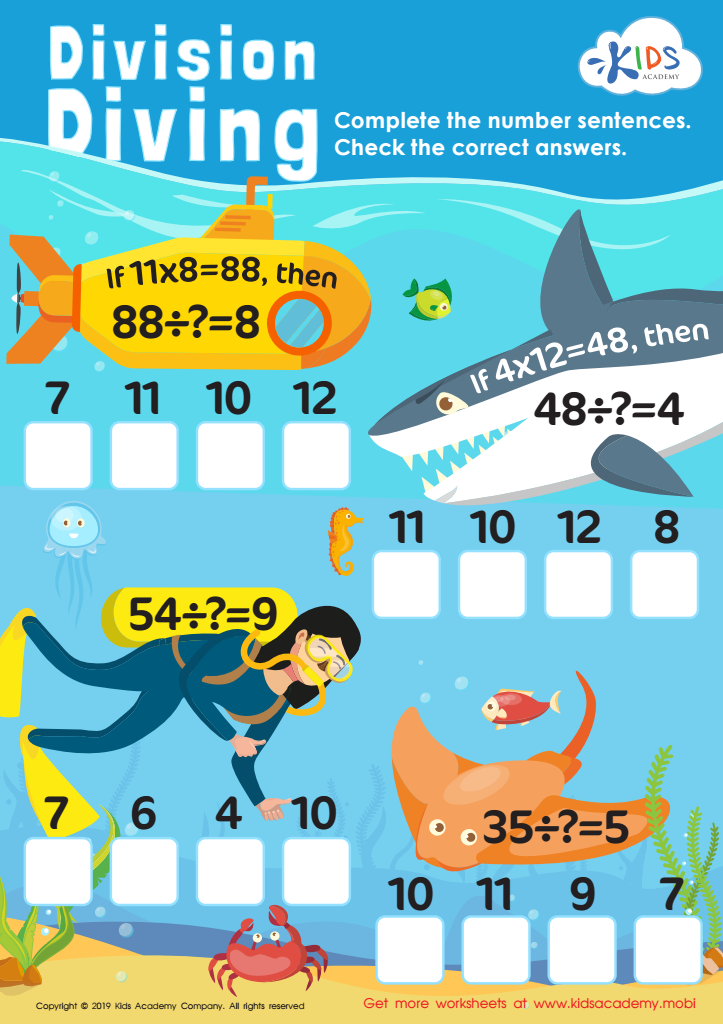
Division Diving Worksheet
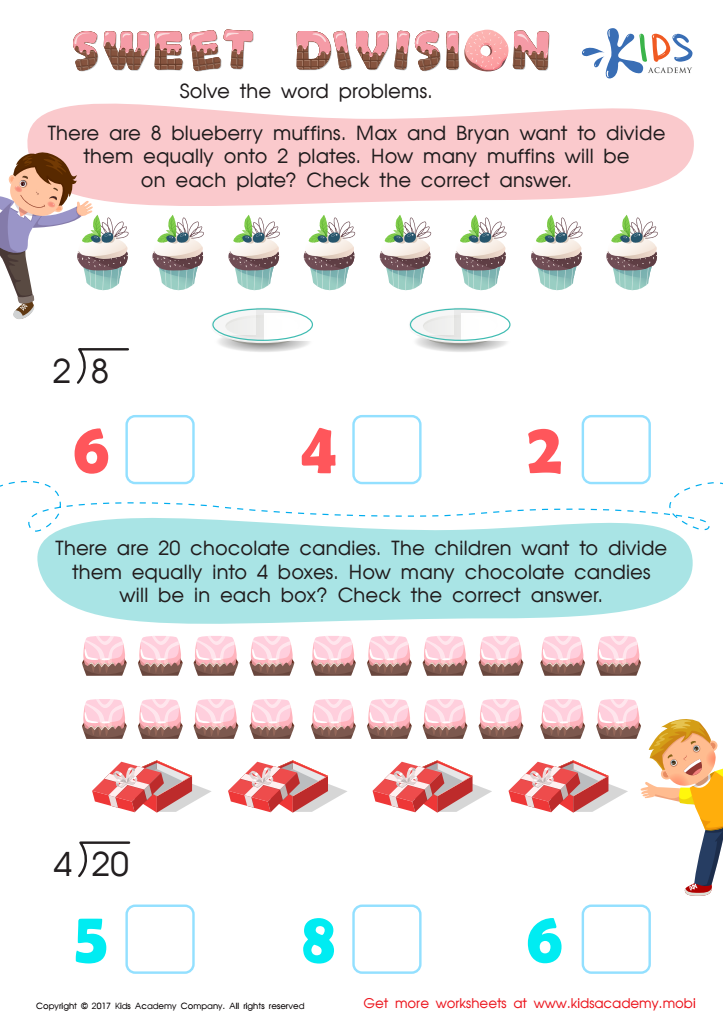
Division Word Problems Worksheet


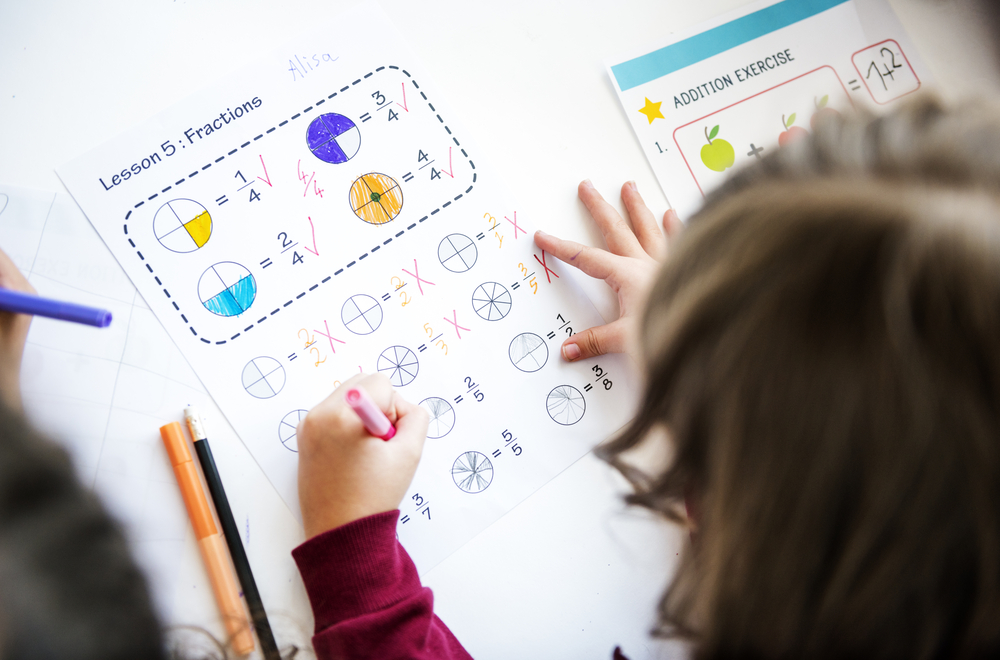




Mathematical reasoning is a critical skill for children aged 6-9, as it forms the foundation for their future learning and problem-solving abilities. During these formative years, children transition from concrete operations to more abstract thinking, and engaging them in mathematical reasoning helps solidify their understanding of core concepts.
Parents and teachers should care about fostering mathematical reasoning because it encourages critical thinking and logical reasoning. It empowers children to explore, question, and hypothesize about problems, promoting a deeper comprehension of mathematical principles. Additionally, strong reasoning skills help children connect different areas of mathematics, allowing them to see relationships and patterns that enhance their overall understanding.
Moreover, mathematical reasoning is not just about computation; it's about developing flexible thinking and the capacity to approach challenges creatively. These skills are transferable and benefit children in various subjects and daily life situations, contributing to their overall cognitive development. Focusing on mathematical reasoning also helps build students' confidence, as they learn to tackle new problems with a positive mindset. By prioritizing mathematical reasoning at this age, parents and teachers play a crucial role in preparing children for future academic success and everyday life challenges.








