Problem-solving abilities Worksheets for Ages 6-9 - Page 3
51 filtered results
-
From - To
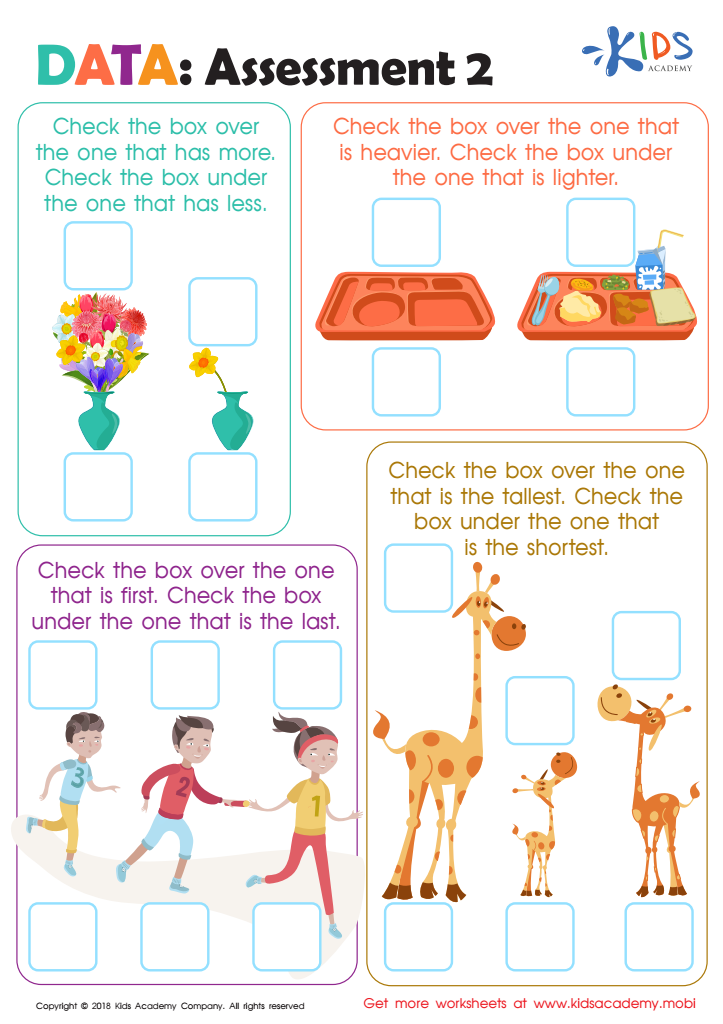
Data: Assessment 2 Worksheet
 Assign to My Students
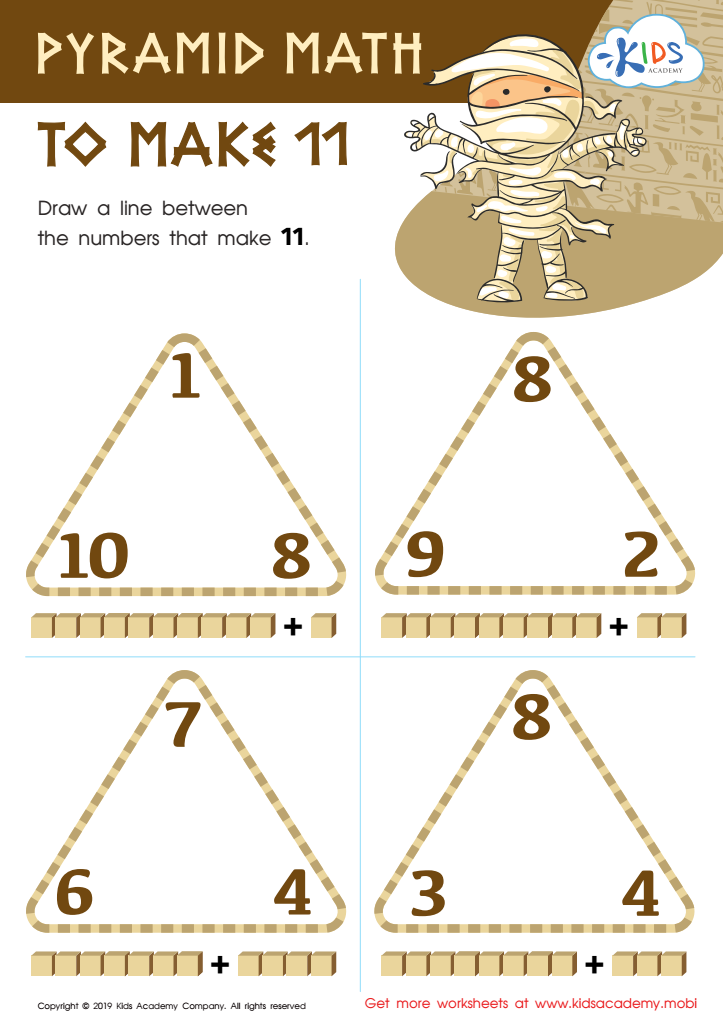
Pyramid Math to Make 11 Worksheet
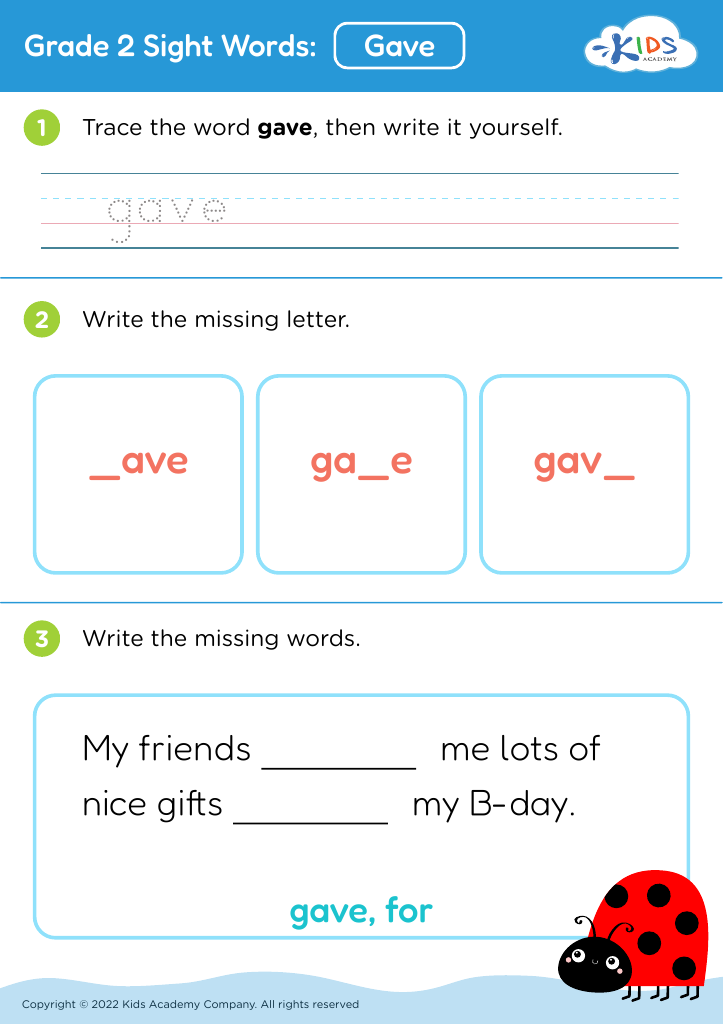






.jpg)
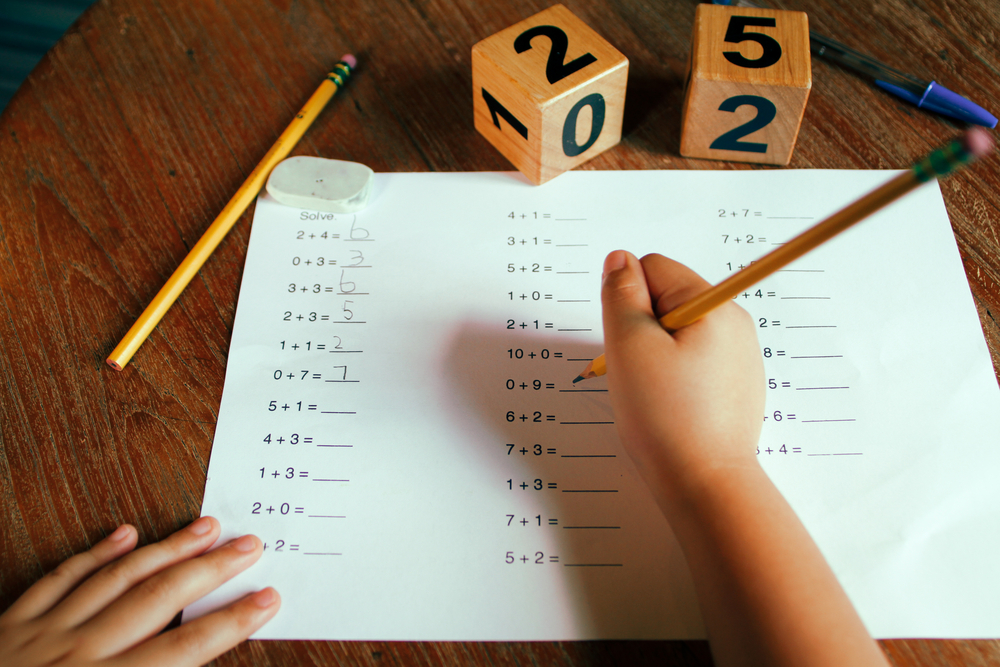
Problem-solving skills are essential for children aged 6-9, as they lay the foundation for academic success, social development, and future career opportunities. At this age, children are becoming more independent and are exploring their surroundings, which presents numerous challenges. By nurturing problem-solving abilities, parents and teachers can help children learn critical thinking, creativity, and resilience.
Encouraging problem-solving fosters a love of learning. When kids tackle challenges, they develop confidence in their abilities and learn how to approach obstacles systematically. These skills also promote collaboration, as children often work together to solve problems, enhancing their communication and teamwork abilities.
Moreover, strong problem-solving skills prepare children for real-world situations. Whether dealing with conflict among peers, navigating academic challenges, or making decisions in day-to-day life, problem-solving empowers children to evaluate options and make informed choices.
For parents and teachers, prioritizing problem-solving means investing in a child's developmental journey; these skills contribute not only to enhanced academic performance but also to emotional and social competence. By focusing on problem-solving from an early age, we equip children with the tools they need to navigate an increasingly complex world, fostering lifelong learners who can adapt to change and thrive in various environments.








