Problem-solving ability Worksheets for Ages 6-9
5 filtered results
-
From - To
Unlock your child's potential with our Problem-Solving Ability Worksheets designed for ages 6-9! These engaging, interactive activities foster critical thinking skills while making learning fun. Tailored to stimulate creativity and logical reasoning, our worksheets cover a variety of topics, including puzzles, mazes, and word problems. Each worksheet encourages children to think independently and develop persistence in tackling challenges. Perfect for use at home or in the classroom, our problem-solving resources seamlessly align with educational standards, making them an essential tool for early learners. Start enhancing your child's problem-solving skills today and watch them thrive in their academic journey!
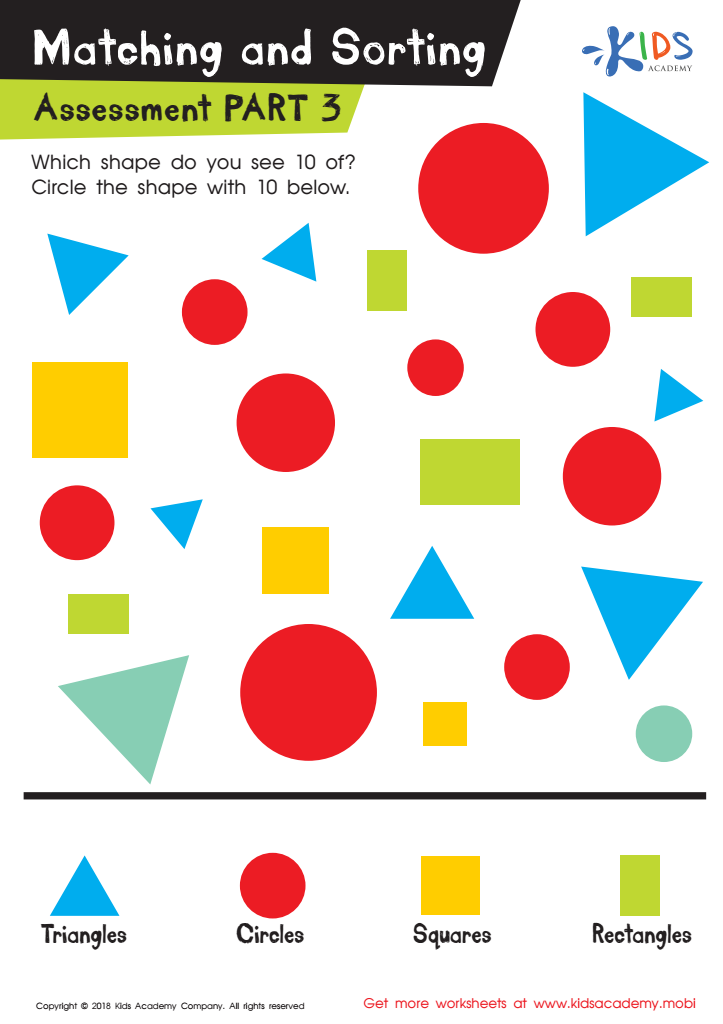
Matching and Sorting for Kindergarten: Assessment 3 Worksheet
 Assign to My Students
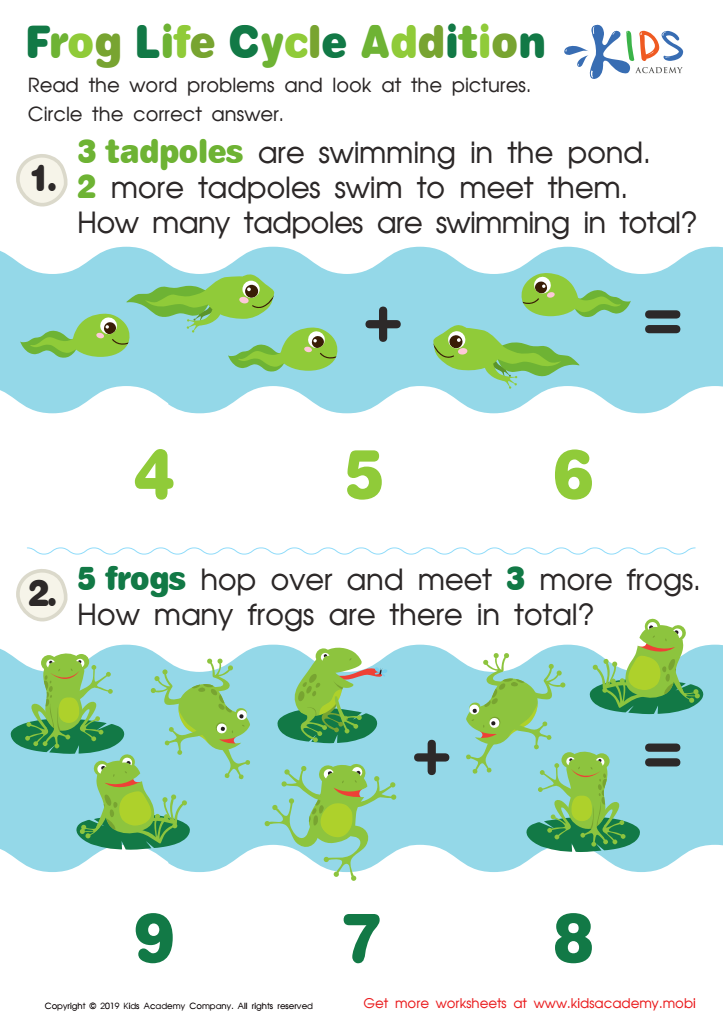
Frog Life Cycle Addition Worksheet
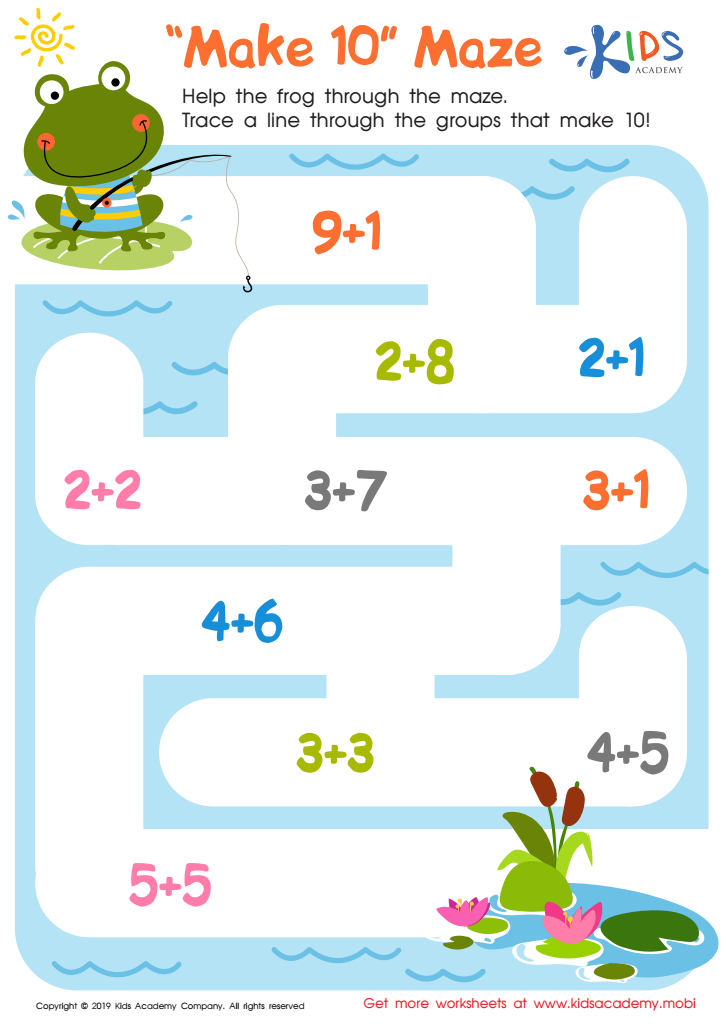
Make 10 Maze Worksheet

Animal Hide and Seek Worksheet








Problem-solving ability is a crucial skill for children aged 6-9, as it lays the foundation for their cognitive, social, and emotional development. At this stage, children are beginning to think critically and make decisions, and enhancing their problem-solving skills encourages independence and resilience.
Parents and teachers should care about fostering this ability for several reasons. Firstly, problem-solving skills help children approach challenges confidently and develop a growth mindset. When they encounter difficulties, a strong problem-solving ability allows them to analyze situations, explore options, and evaluate consequences. This resilience helps children face academic challenges and discourages a fear of failure.
Additionally, problem-solving in collaborative settings promotes teamwork and communication. Children learn to negotiate solutions, listen to different perspectives, and appreciate the value of diverse ideas, which fosters essential social skills.
Finally, cultivating problem-solving ability can lead to better academic performance. Strong analytical skills contribute to success in subjects like math and science, where critical thinking is key.
In conclusion, prioritizing problem-solving skills in early education not only prepares children for academic success but also equips them with invaluable life skills, promoting their overall development. Parents and teachers play a vital role in this process, shaping the problem-solvers of tomorrow.








