
Recognition skills Worksheets for Ages 6-9
3 filtered results
Difficulty Level
Grade
Age
-
From - To
Subject
Activity
Standards
Enhance your child's recognition skills with our engaging worksheets designed specifically for ages 6 to 9. Our resources focus on developing vital abilities such as letter, number, shape, and color recognition, pivotal for early learning success. Each worksheet combines fun, interactive exercises that keep children motivated and improve their cognitive development. With vibrant graphics and age-appropriate challenges, children will enjoy practicing essential skills while building confidence. Ideal for both classroom settings and at-home learning, our recognition skills worksheets support educational growth and make learning an exciting adventure. Explore our collection today and watch your child thrive in their learning journey!
Favorites
With answer key
Interactive
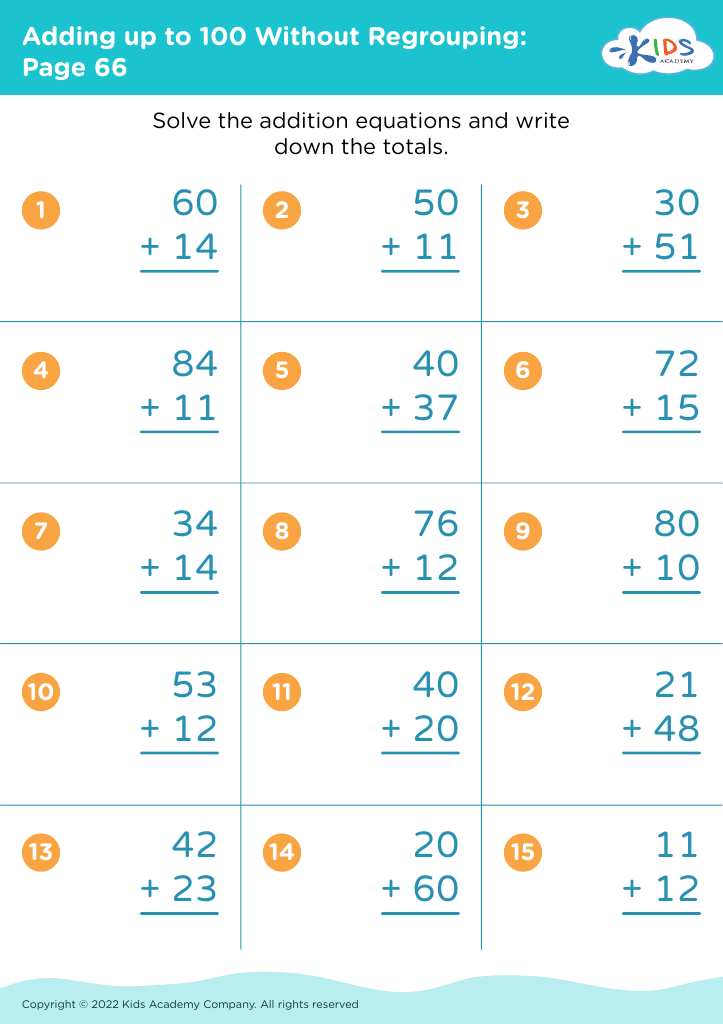
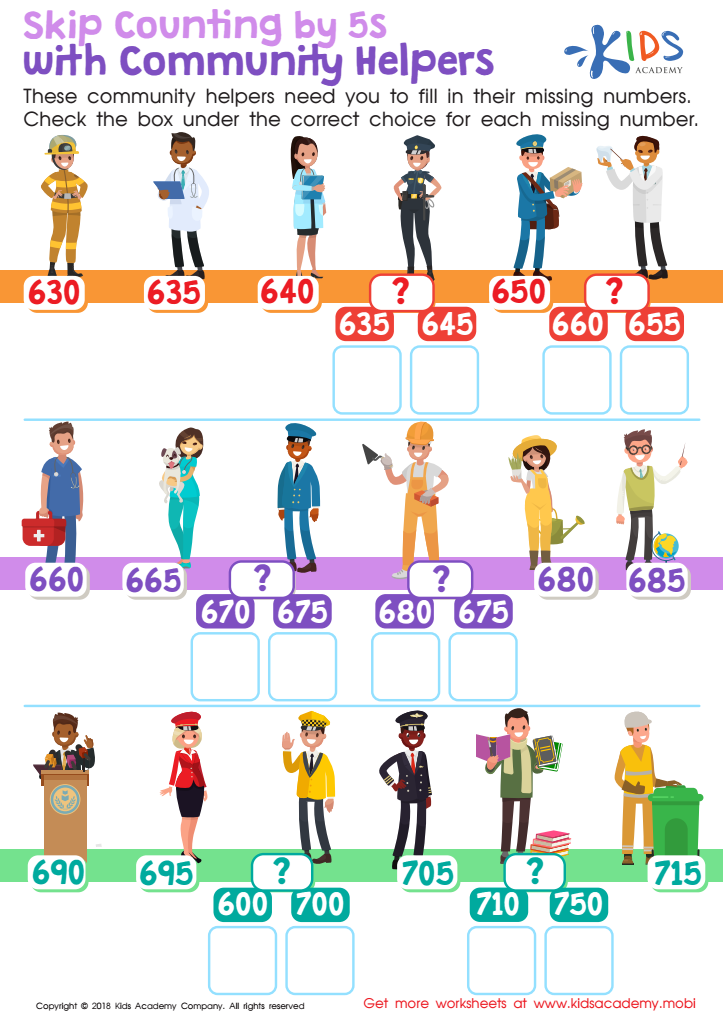
Skip Counting by 5s With Community Helpers Worksheet
This free worksheet combines social studies with math! Kids will practice counting by 5s, rounding numbers and honing their computation skills while also familiarizing themselves with community helpers. Develop your child's number sense and strengthen their math skills - all through a fun and interactive activity.
 Assign to My Students
Skip Counting by 5s With Community Helpers Worksheet
Worksheet

Join Kids Academy for Free
Who is primarily going to use this learning content?






Recognition skills, particularly in children ages 6-9, are vital for their cognitive, social, and emotional development. At this stage, children are expanding their understanding of the world around them, and recognition skills help them identify and understand patterns, symbols, and relationships. This foundational ability is directly tied to success in reading and math, as recognizing letters, numbers, and words is essential for literacy and numeracy development.
Parents and teachers should care about fostering these skills because they lay the groundwork for higher-level thinking and problem-solving. Enhanced recognition abilities can improve a child’s self-esteem and confidence, as they experience success in academic settings and social interactions. Kids who exhibit strong recognition skills are often better equipped to navigate learning environments, allowing them to participate actively in discussions and collaborative activities.
Inclusion of recognition activities, such as games that prompt pattern recognition, word identification, or even emotional recognition, can enrich a child’s learning experience. Overall, promoting these skills in young children encourages critical thinking, improves communication, and fosters a love for learning, ensuring that children are better prepared for future educational challenges. Therefore, investing time and effort into developing recognition skills can yield long-term benefits for children’s growth and success.








