
Sequencing skills improvement Worksheets for Ages 6-9
3 filtered results
Difficulty Level
Grade
Age
-
From - To
Subject
Activity
Standards
Boost your child's sequencing skills with our engaging worksheets designed for ages 6-9! Sequencing is a vital cognitive skill that aids in comprehension, storytelling, and logical thinking. Our carefully crafted worksheets provide a variety of fun activities that encourage children to identify, arrange, and predict sequences in stories and events. With colorful illustrations and age-appropriate challenges, these worksheets make learning enjoyable. Tailored to enhance understanding and retention, they prepare young learners for more complex concepts. Explore our collection today and watch your child's confidence soar as they master sequencing through exciting, hands-on practice!
Favorites
With answer key
Interactive
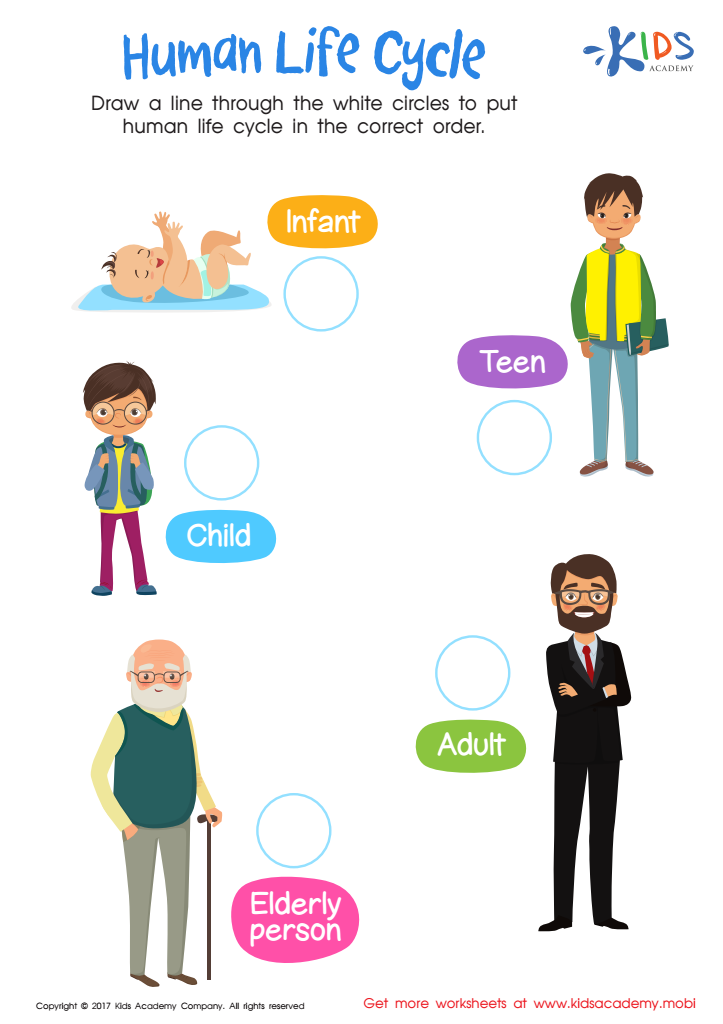
Human Life Cycle Worksheet
Kids can use this PDF to gain an understanding of their life cycle and important health concepts. It features colorful graphics to help solidify their learning.
 Assign to My Students
Human Life Cycle Worksheet
Worksheet
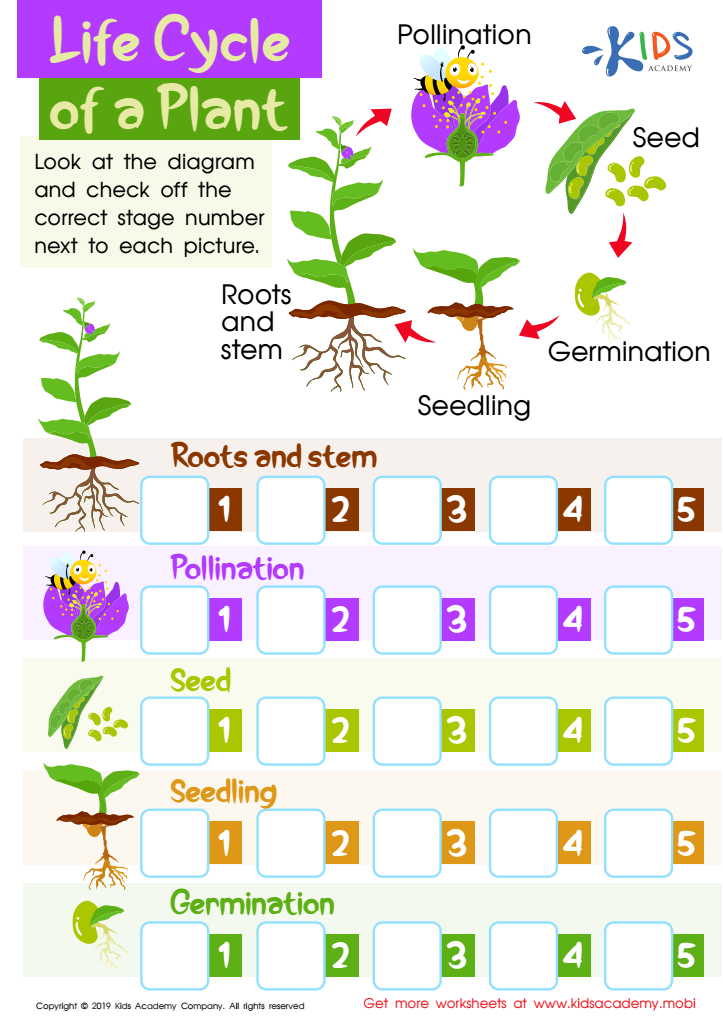
Life Cycle of a Plant Worksheet
This fun PDF worksheet lets young scientists explore the life cycle of plants. It features pictures to describe each stage: pollination, seed, germination, seedling, rooting and stems. They can check off each stage in the diagram, giving them a concrete understanding.
Life Cycle of a Plant Worksheet
Worksheet
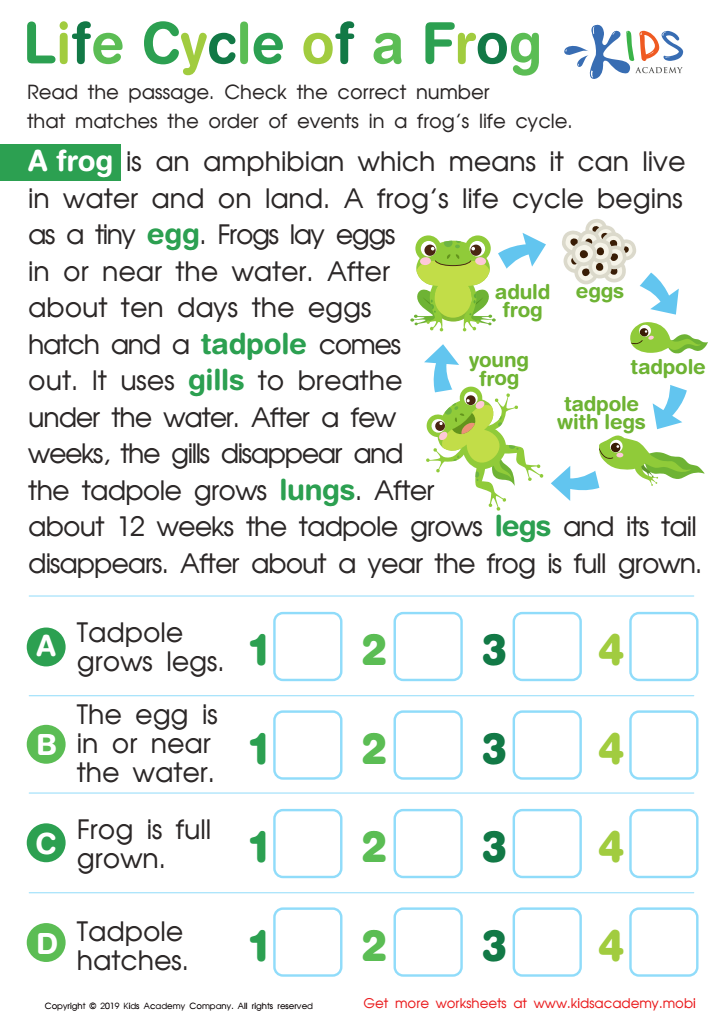
Life Cycle of a Frog Worksheet
Teach your kids to read and open their eyes to new knowledge. Frogs have fascinating life cycles. Show them the worksheet with pictures and guide them as they read the passage about it. Encourage them to check the number that matches the frog's life cycle order.
Life Cycle of a Frog Worksheet
Worksheet
Join Kids Academy for Free
Who is primarily going to use this learning content?








Sequencing skills are crucial for children aged 6-9 as they form the foundation for effective communication, problem-solving, and critical thinking. At this age, children transition from learning basic concepts to integrating those skills in more complex ways. Improved sequencing helps them understand narratives, follow multi-step instructions, and organize their thoughts, which enhances their reading comprehension and writing abilities.
Parents and teachers should prioritize sequencing skills because these abilities support academic success across various subjects. In mathematics, for example, mastering the order of operations is essential for solving equations. In science, students must be able to sequence events in experiments or understand life cycles, which builds inquiry skills and logical reasoning.
Moreover, strong sequencing skills foster social-emotional development. Children learn to narrate personal experiences and relate them to others, enhancing their communication skills and empathy. Practice in sequencing can also lead to better self-regulation and time management as children become familiar with task organization.
Ultimately, nurturing sequencing skills in early grade students lays the groundwork for lifelong learning. Investing in these skills now equips children with the tools they need to navigate complex thoughts and tasks, both in school and in everyday life.








