Shape identification Worksheets for Ages 6-9 - Page 2
36 filtered results
-
From - To
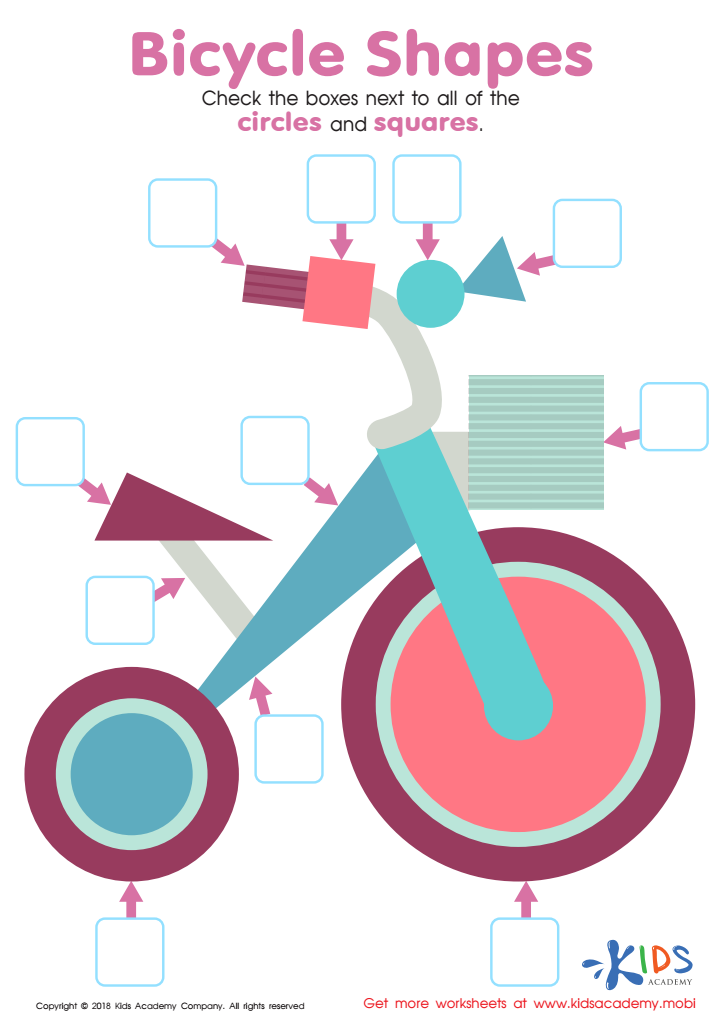
Bicycle Shapes Worksheet
 Assign to My Students
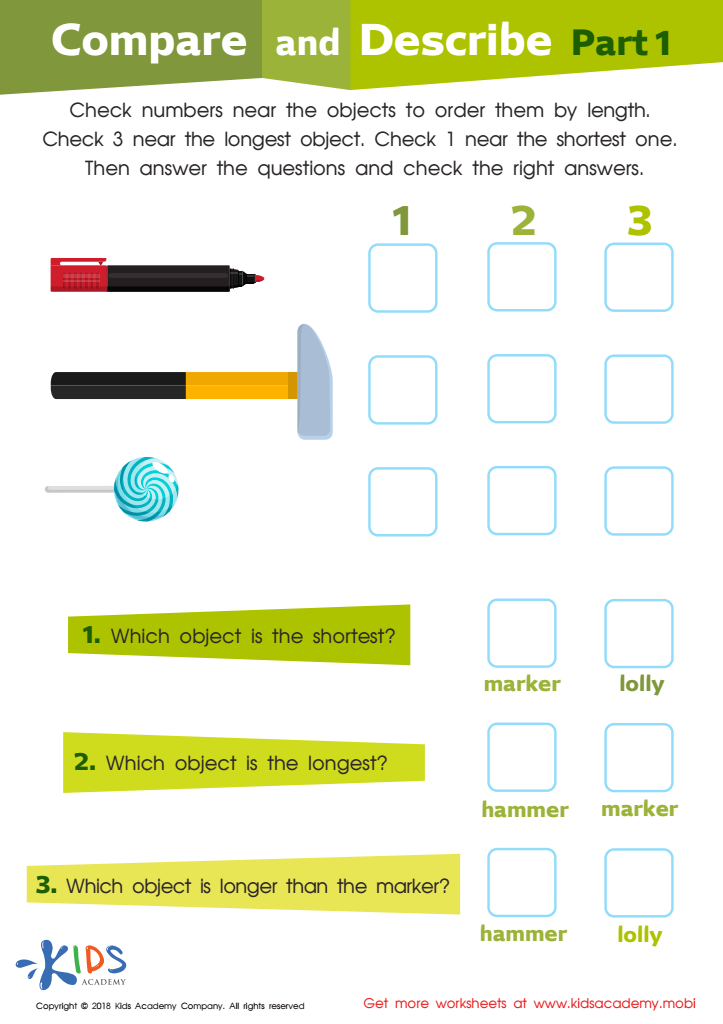
Compare and Describe: Part 1 Worksheet
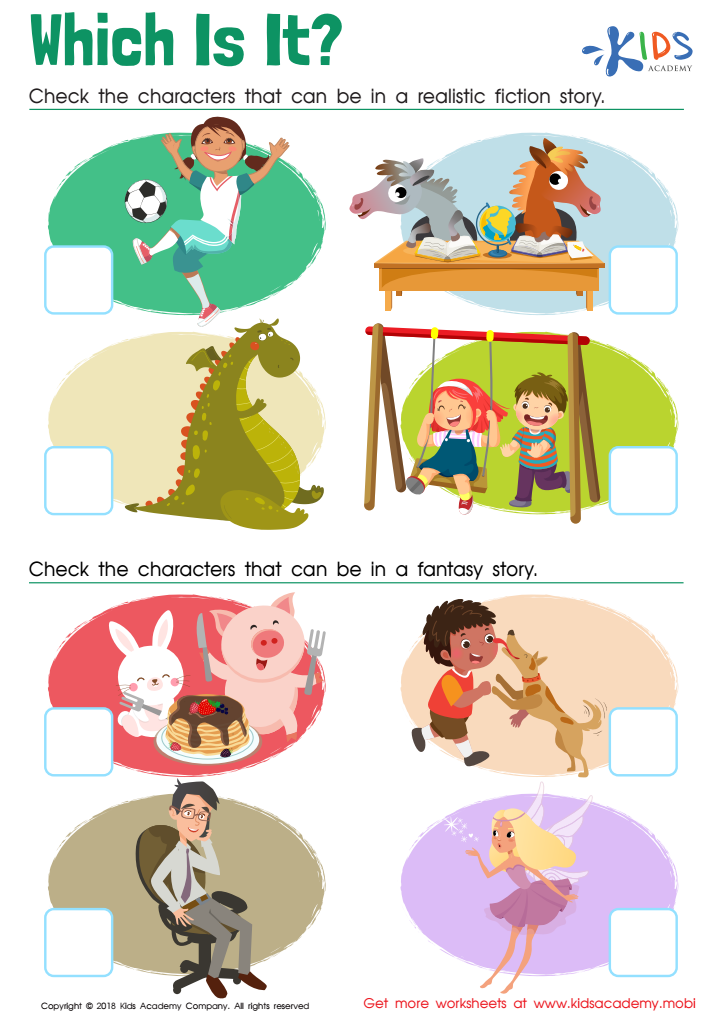
Which Is It? Worksheet
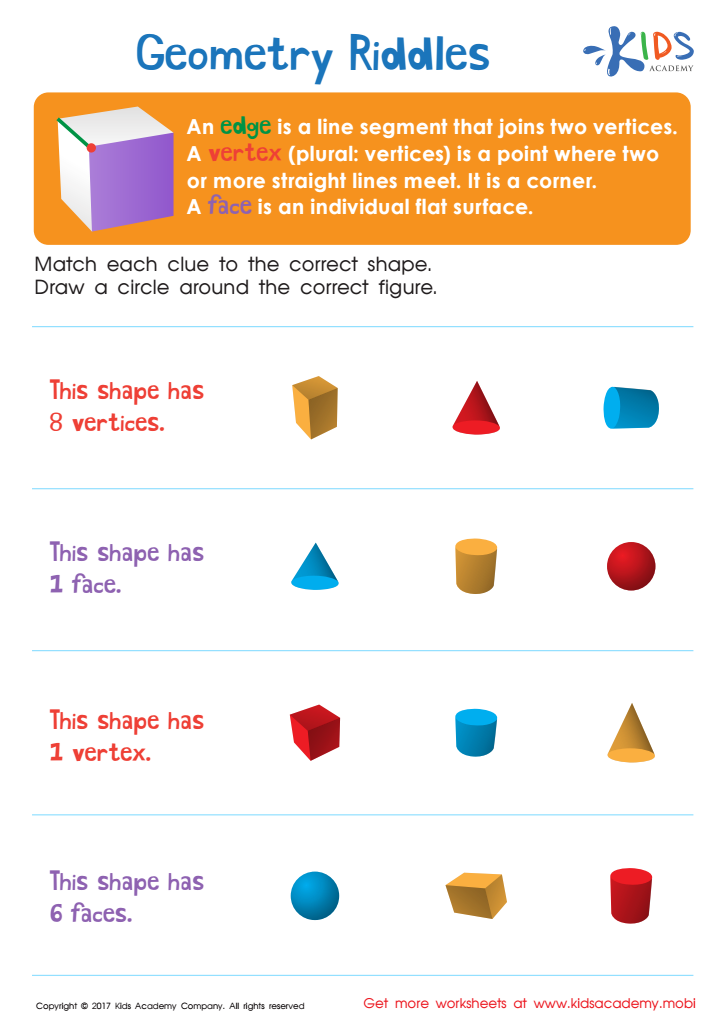
Geometry Riddles Printable
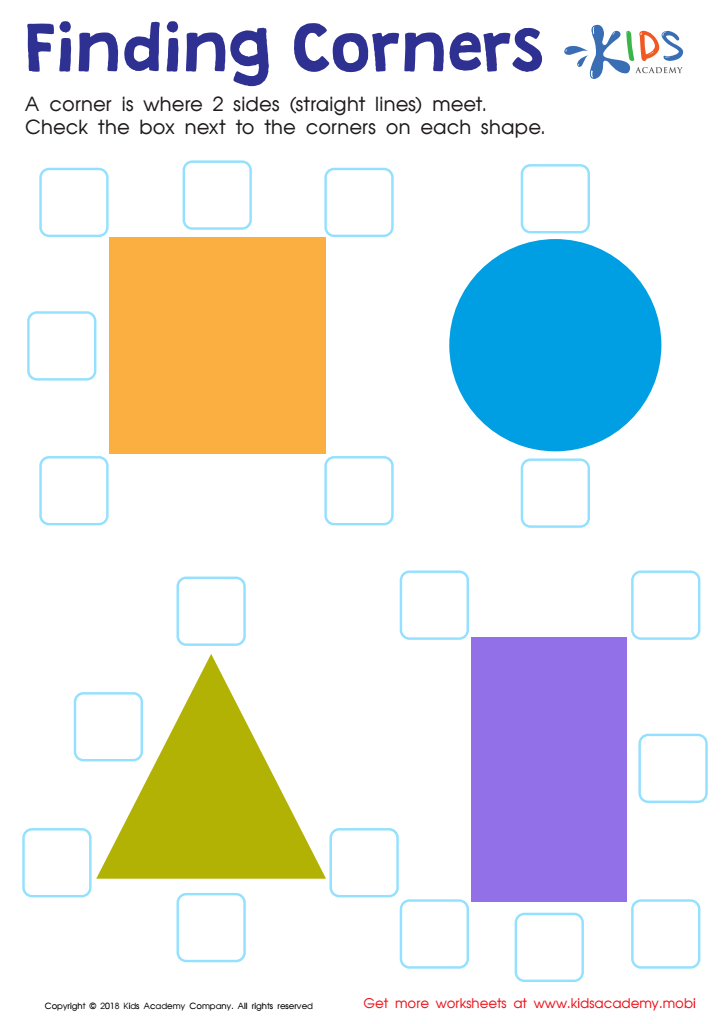
Finding Corners Worksheet
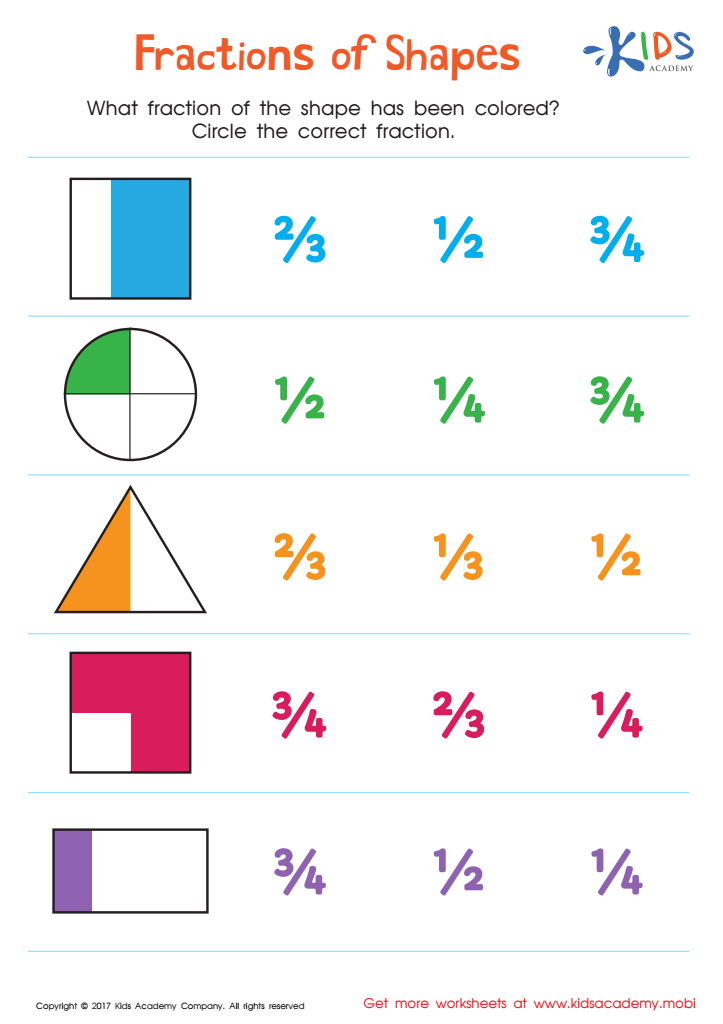
Fractions of Shapes: Math Concept Worksheet
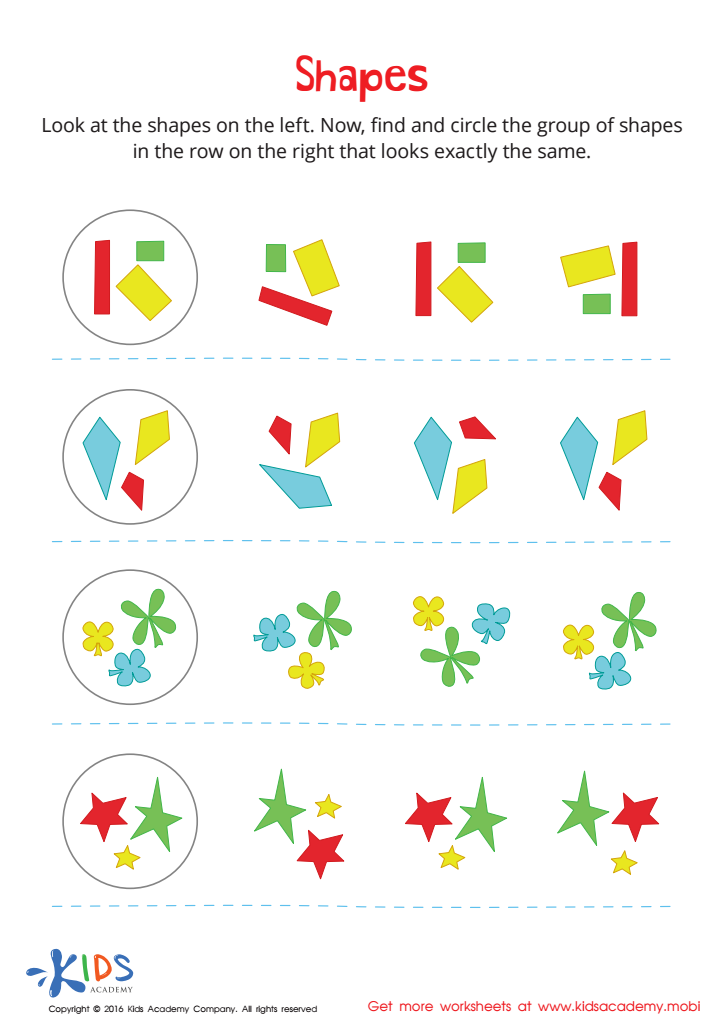
Shapes Worksheet
Check Memory Worksheet




.jpg)



Shape identification is a crucial skill for children aged 6-9, and it holds significant importance for both parents and teachers. During this developmental stage, children are building foundational cognitive skills that will serve as a basis for more complex mathematical concepts. By recognizing and understanding different shapes, children enhance their visual-spatial awareness, which is essential for problem-solving and critical thinking.
Moreover, shape identification strengthens children's ability to categorize and classify objects, fostering organizational skills and logical reasoning. These skills are not just limited to mathematics; they spill over into everyday life, aiding in activities like reading, writing, and even art. Understanding shapes helps children grasp concepts of symmetry, patterns, and geometry later in school, laying the groundwork for future academic success.
Parents and teachers play a pivotal role in shaping this learning experience. By actively engaging children in shape-related activities, such as games, puzzles, and hands-on art projects, they can create rich opportunities for exploration and interaction. This engagement reinforces the importance of recognizing shapes in real-world contexts, increasing a child’s confidence and enthusiasm for learning. Ultimately, fostering shape identification in early education influences children's overall cognitive development, social skills, and ability to navigate their environment effectively.








