Understanding more/less concept Worksheets for Ages 6-9
3 filtered results
-
From - To
Our "Understanding More/Less Concept Worksheets for Ages 6-9" offer a fun and interactive way for young learners to grasp foundational math skills. These engaging printable activities help children practice comparing quantities, recognizing which is more or less, and developing critical thinking abilities. Ideal for use at home or in the classroom, these worksheets incorporate colorful visuals and playful scenarios to keep kids motivated while enhancing their understanding of essential math concepts. Perfect for young learners, these worksheets will build their confidence in mathematics through hands-on practice and visual learning techniques. Explore and boost your child's math skills today!
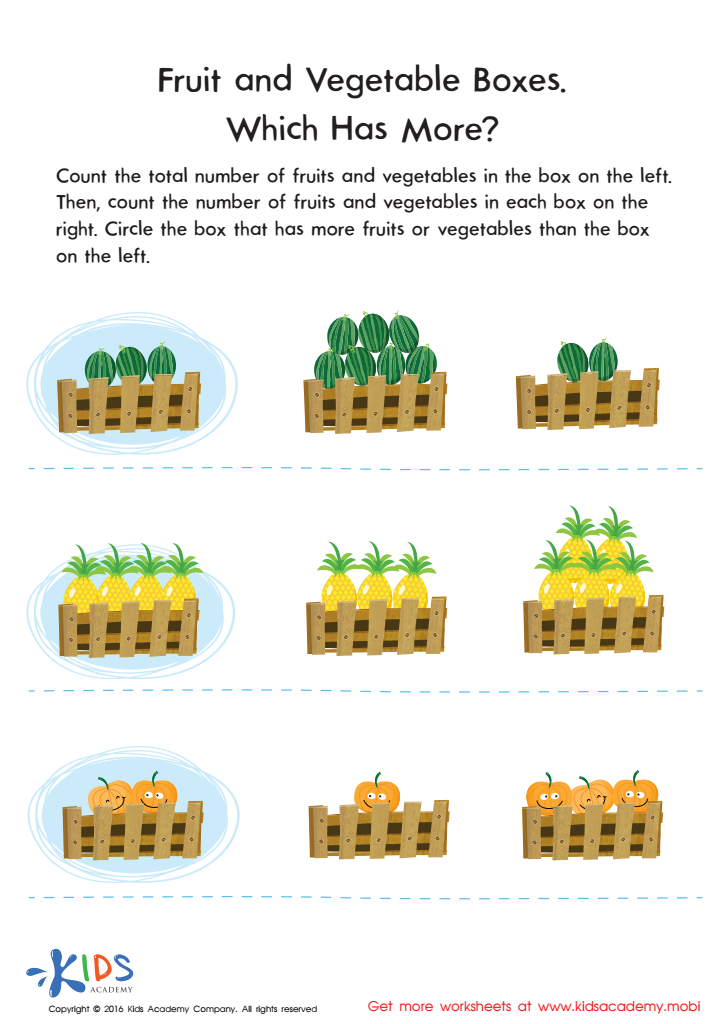
Which Has More? Size Worksheet
 Assign to My Students
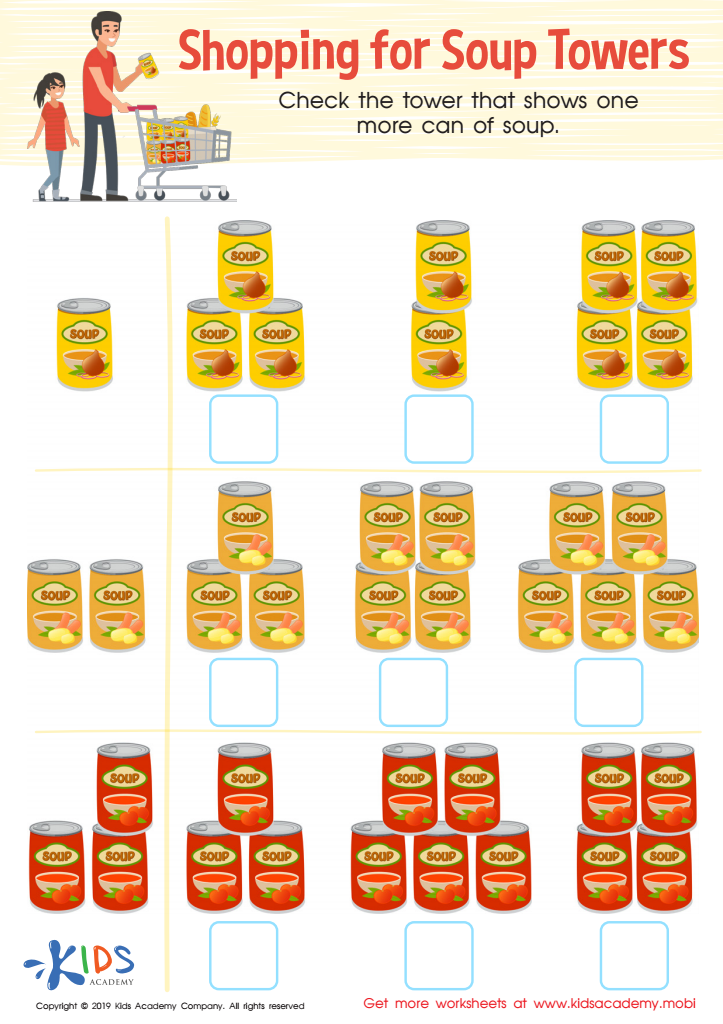
Soup Towers Worksheet
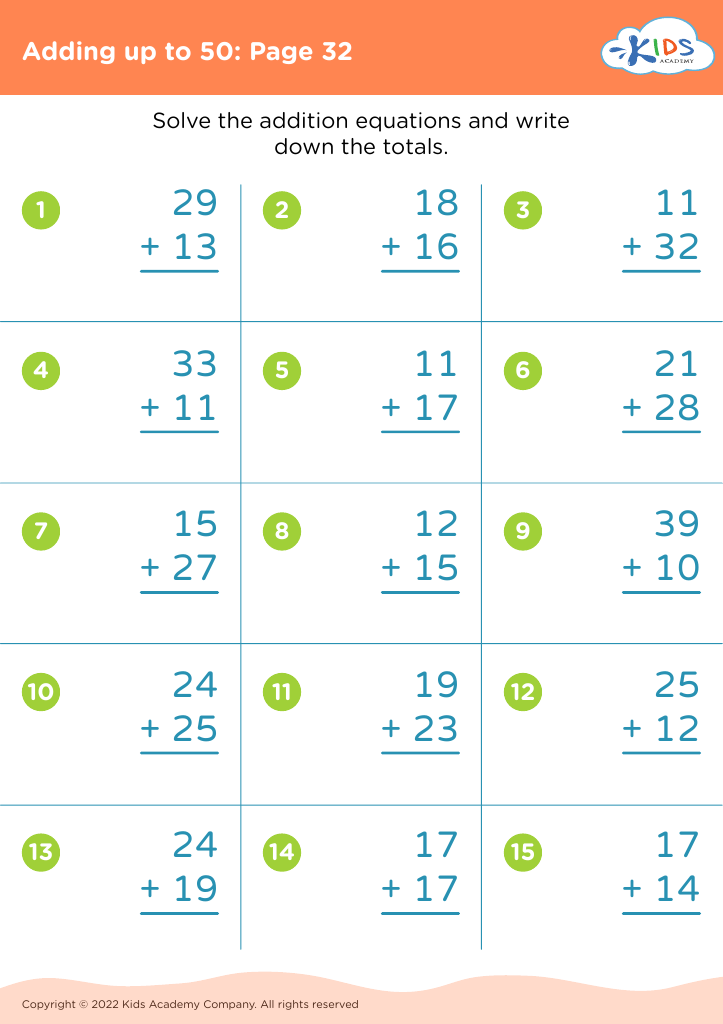





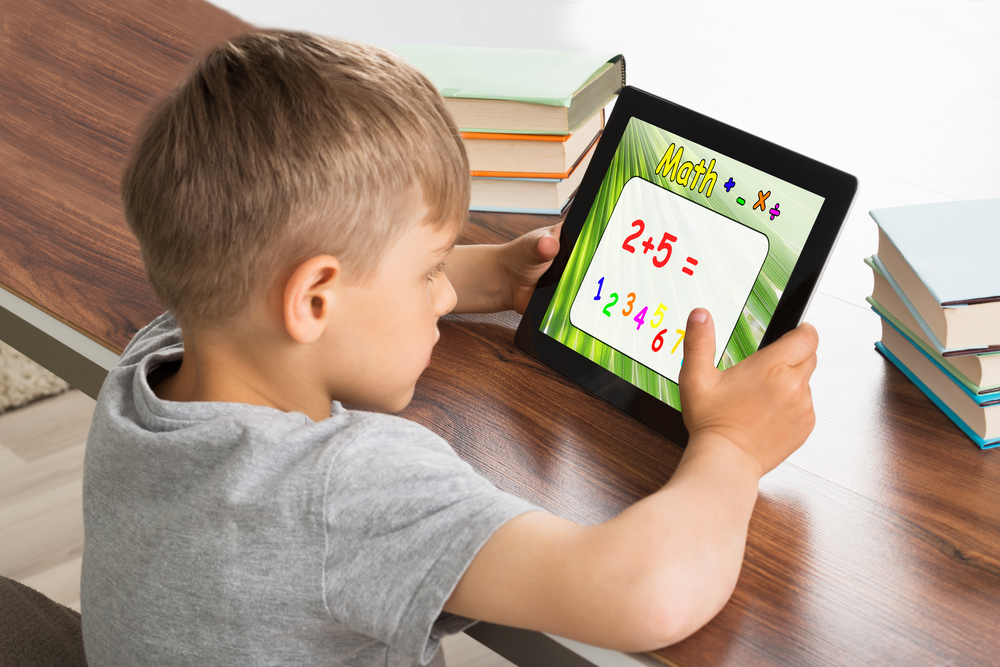


Understanding the concept of more and less is foundational for young children as it forms the basis for mathematical reasoning and problem-solving, skills which are crucial for academic success in later years. For youngsters aged 6-9, mastering these concepts not only helps in arithmetic but also improves logical thinking and comparisons in various real-life situations. For example, if a teacher says, "Mary has more apples than John," children can relate to the quantities practically. This facilitates a clearer grasp of addition and subtraction, which fundamentally rely on understanding changes in quantity.
Furthermore, recognizing more and less also promotes cognitive development beyond numbers. It aids children in learning to classify objects, understand sequences, estimate, and make decisions based on quantity. This topic bridges to more complex mathematical concepts, such as multiplication and division, and real-world applications, including budgeting or measuring.
As educators and parents, supporting children through hands-on activities like sorting, measuring, and engaging in playful math exercises ensures that they build a firm understanding of these principles. Arming children with this knowledge early sets a solid math foundation, enhancing confidence and creating positive attitudes toward future learning endeavors. Plus, children develop crucial life skills: better decision making, improved logical reasoning, and an overall stronger sense of analytical thinking.








