
Understanding sequence Worksheets for Ages 6-9
8 filtered results
Difficulty Level
Grade
Age
-
From - To
Subject
Activity
Standards
Welcome to our "Understanding Sequence Worksheets" for ages 6-9! These engaging and interactive worksheets are designed to help young learners grasp the concept of sequencing, a vital skill in reading comprehension and everyday problem-solving. Through fun exercises and colorful illustrations, children will practice arranging events and steps in a logical order. From sequencing stories to sorting activities, our worksheets encourage critical thinking and enhance communication skills. Plus, with answer keys included, parents and educators can easily guide children toward mastery. Perfect for homeschooling or supplemental learning in the classroom, boost your child's sequence understanding today!
Favorites
With answer key
Interactive
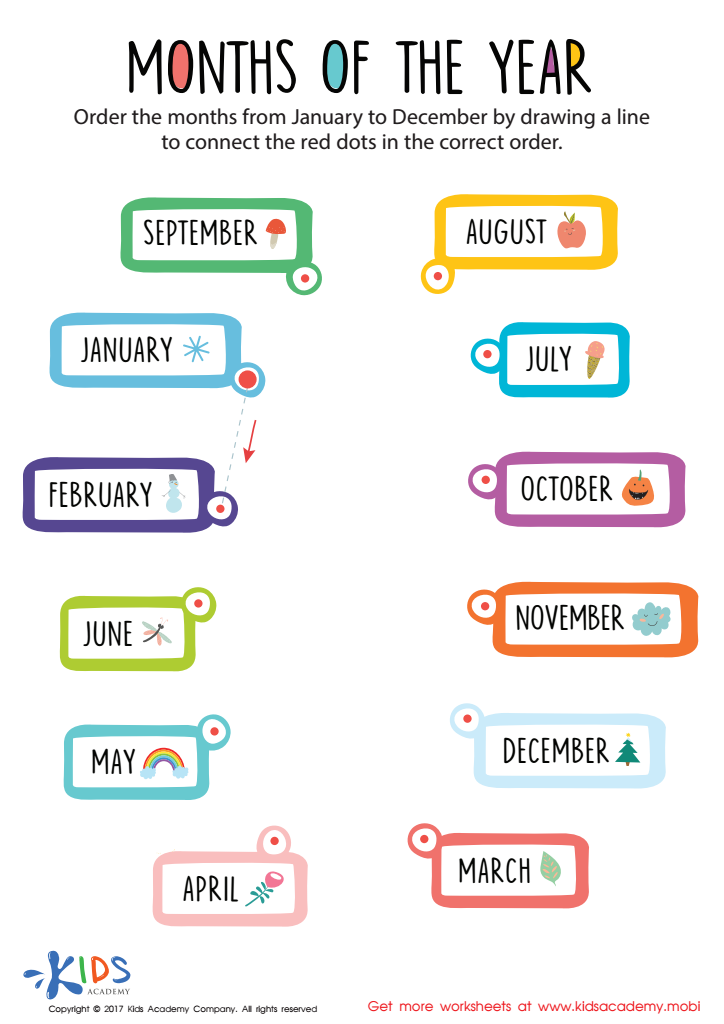
Months of the Year Worksheet
Challenge your child with this months of the year worksheet! Help them remember the yearly calendar by having them connect the dots from January to December. It's a fun way to test their knowledge of the twelve months and sharpen their memory!
 Assign to My Students
Months of the Year Worksheet
Worksheet
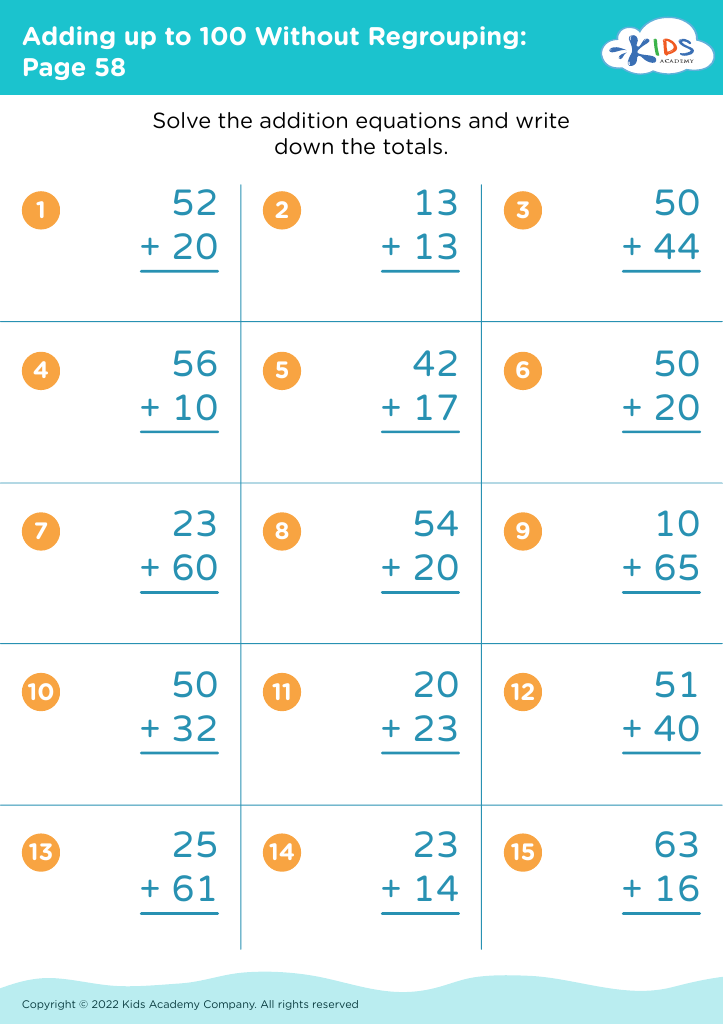
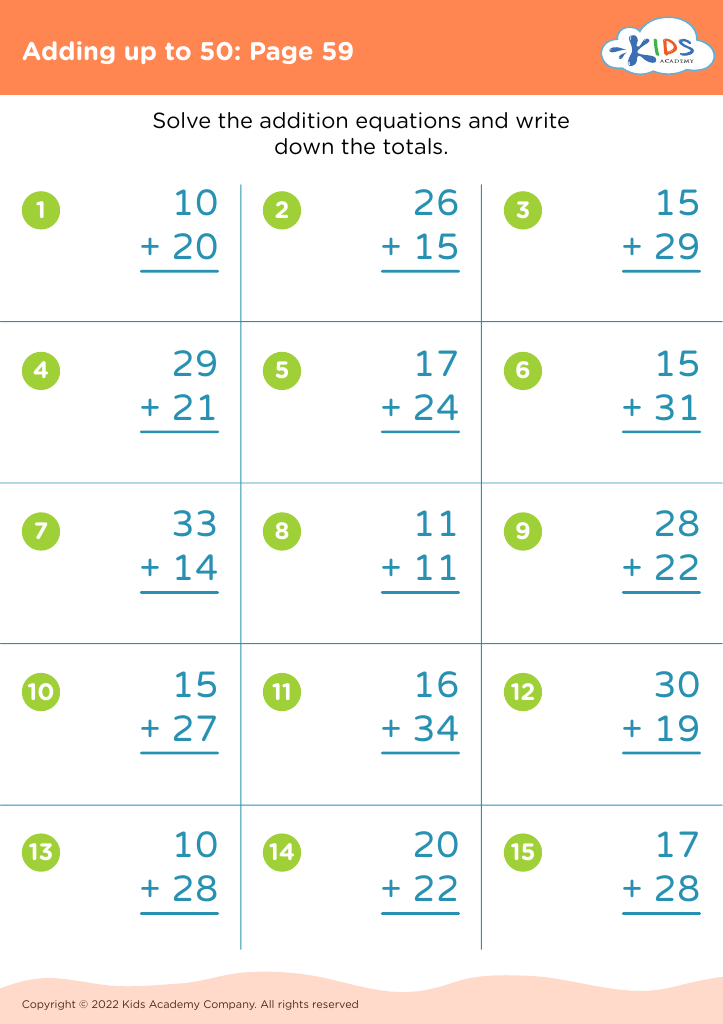
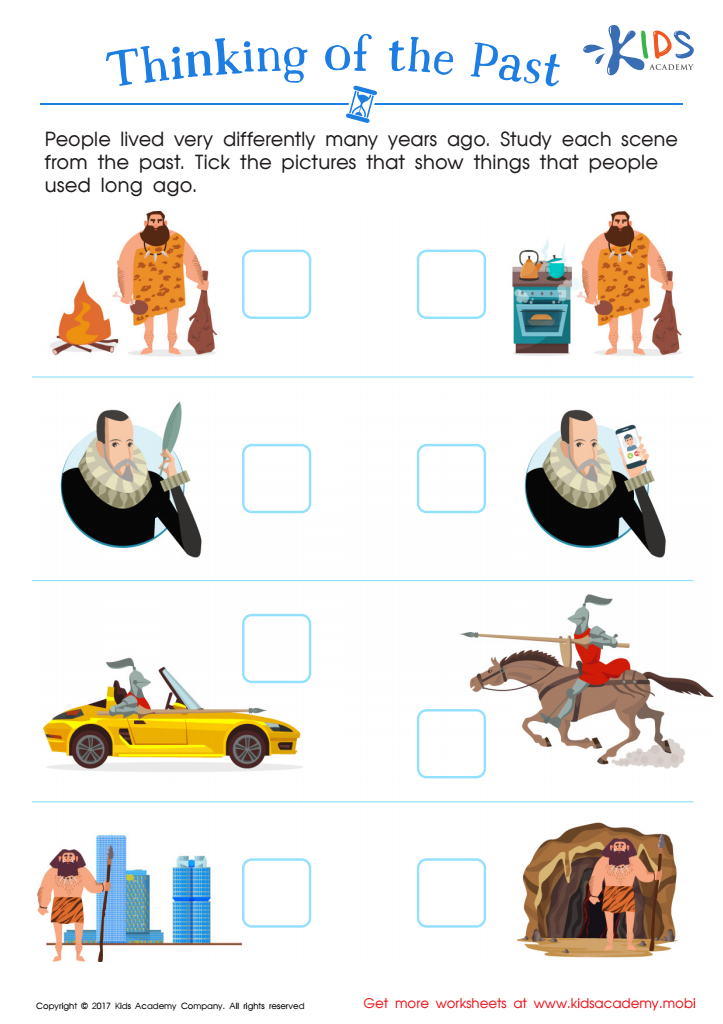
Thinking Past Printable
Bring the past to life for your kid with this fun worksheet! They'll use logic to choose the right answer, learning about different eras and how people lived in them. With a colorful caveman and modern skyscraper side by side, they won't even realize they're building historical knowledge.
Thinking Past Printable
Worksheet
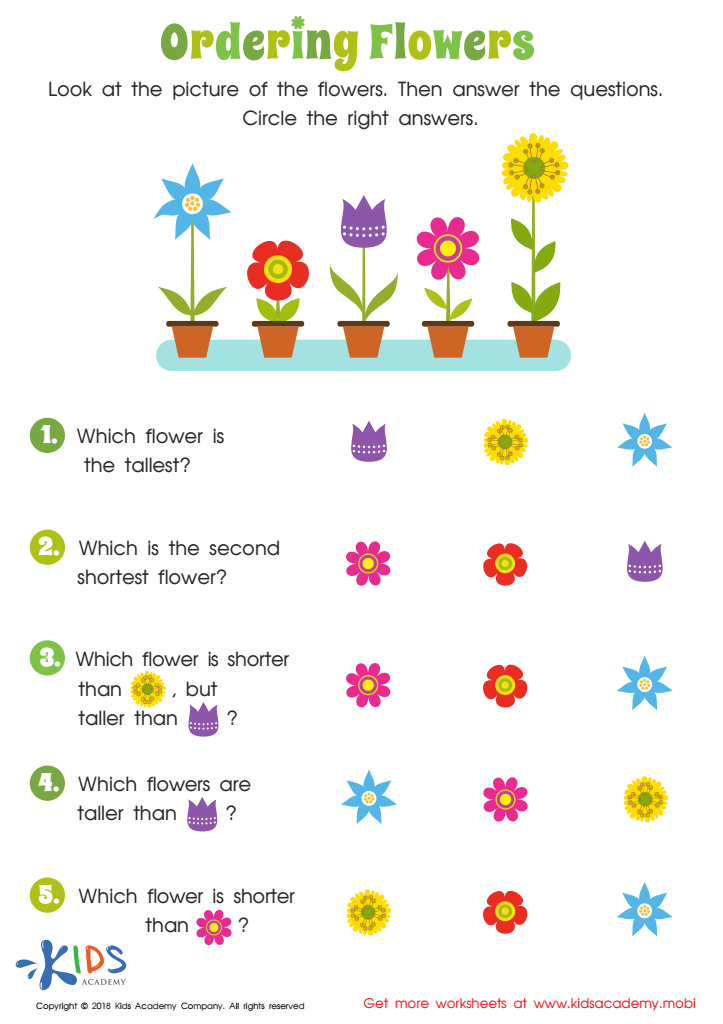
Ordering Flowers Worksheet
Preschoolers can start learning measurement with visuals! This worksheet uses colorful flowers of different heights. Ask your learner to observe the flowers, then help them compare/answer which is taller/shorter. It's an easy way for them to begin learning about measurement.
Ordering Flowers Worksheet
Worksheet
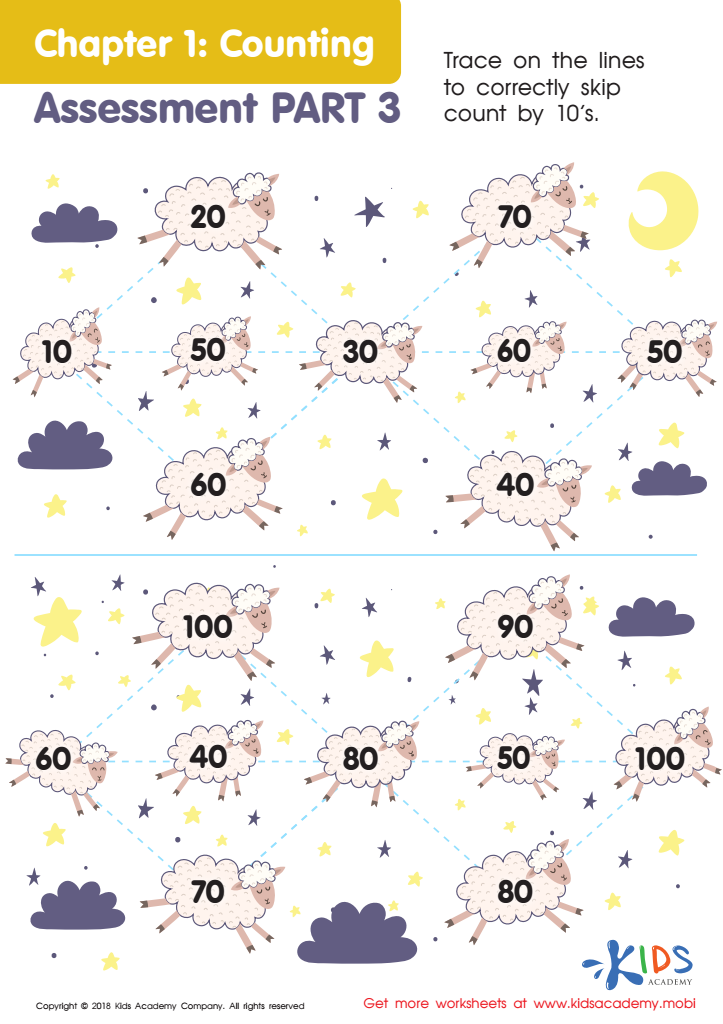
Counting: Assessment 3 Worksheet
This worksheet is great for assessing your child's counting skills. It's a bit more challenging than the usual 'count to fifty' exercises. Have them trace the lines and skip count by 10's to help them learn counting in tens.
Counting: Assessment 3 Worksheet
Worksheet
Join Kids Academy for Free
Who is primarily going to use this learning content?







Understanding sequence is a fundamental cognitive skill critical for children aged 6-9. During this developmental stage, children begin to grasp the concept of order and relationships between events, which aids in organizing their thoughts and experiences. Recognizing sequence helps children in various areas of learning, such as reading comprehension, math, and storytelling. It fosters logical reasoning, enabling them to follow instructions or solve problems effectively.
Sequential thinking is also vital in daily life, as children learn to navigate routines and develop essential life skills, like time management. When parents and teachers prioritize teaching sequencing, they empower children to plan and predict outcomes, enhancing their critical thinking.
Moreover, sequence plays a significant role in emotional and social development. Children begin to understand consequences and cause-and-effect relationships through sequenced events, helping them make informed decisions and develop empathy for others.
By supporting children’s understanding of sequence, parents and teachers not only enhance academic success but also contribute to their overall cognitive and emotional growth. This investment lays a solid foundation for lifelong learning, enabling children to tackle complex concepts as they progress in their education. Encouraging sequential thinking is thus essential for shaping well-rounded, capable individuals.








