Visual learning stimulation Worksheets for Ages 6-9
3 filtered results
-
From - To
Discover our Visual Learning Stimulation Worksheets for ages 6-9, designed to enhance your child's cognitive development through engaging visual activities. Each worksheet targets essential learning skills, helping children excel in subjects such as math and reading while boosting their memory and attention skills. These captivating, interactive exercises foster creativity and critical thinking, making learning a fun and rewarding experience. Perfect for both classroom and home use, our expertly crafted worksheets are tailored to meet the needs of young learners, guiding them toward academic success and a love for learning. Come explore today at Kids Academy!
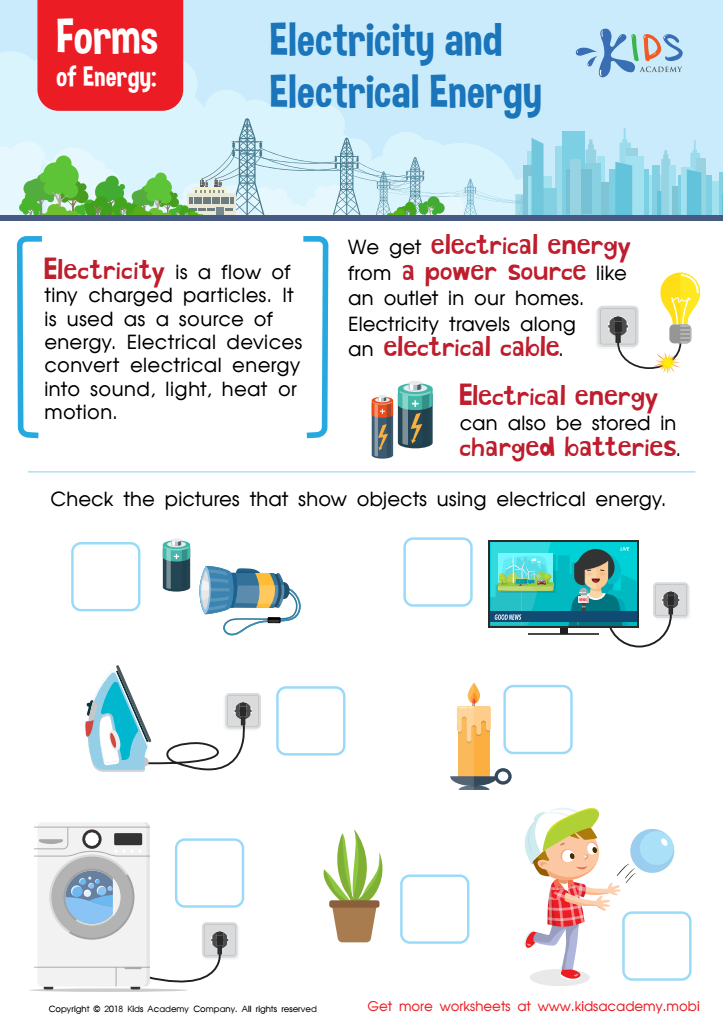
Forms of Energy Worksheet
 Assign to My Students
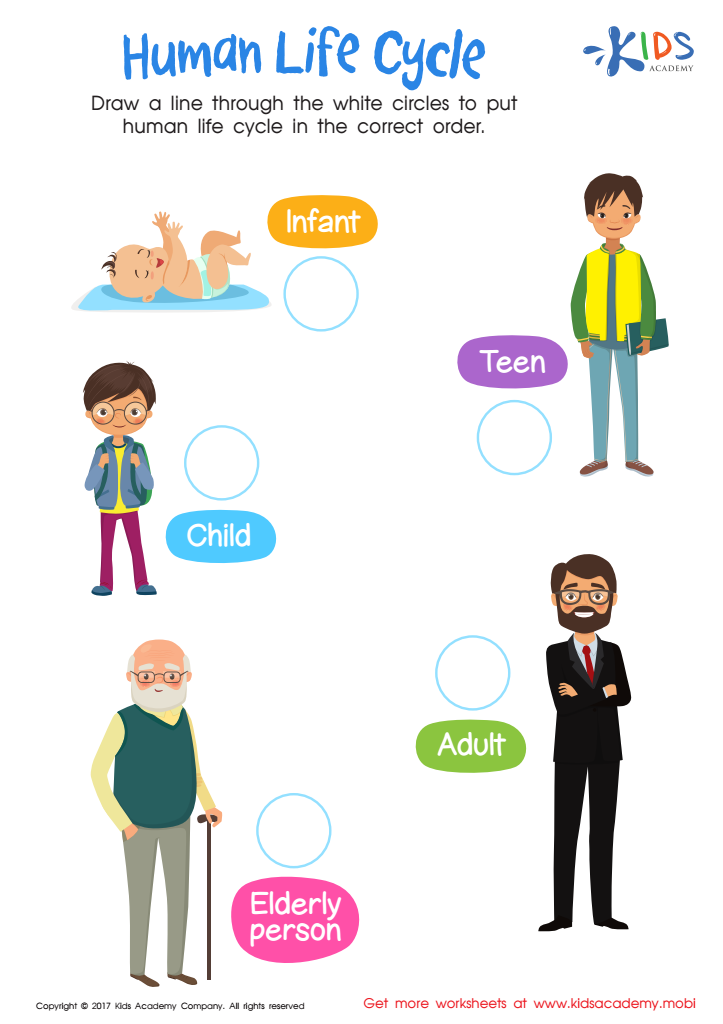
Human Life Cycle Worksheet
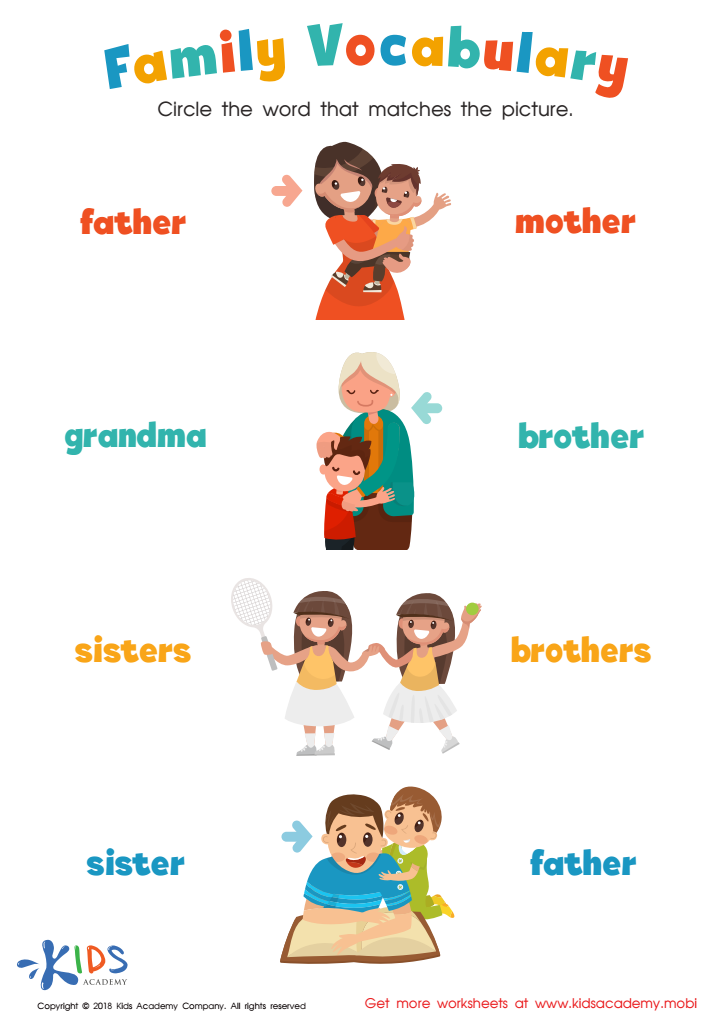
Family Vocabulary Worksheet







%20(1).jpg)
Visual learning stimulation for children ages 6-9 is critical due to the unique cognitive development occurring during these years. At this stage, young minds are highly receptive to visual information, making it an opportune time to capitalize on this mode of learning.
Firstly, visuals such as images, charts, and diagrams can make abstract concepts more concrete. This helps children grasp subjects like mathematics, science, and social studies more easily. For instance, a visual representation of the solar system can transform an abstract lecture on planets into an engaging, understandable lesson.
Additionally, visual learning supports literacy. Picture books, flashcards, and illustrated texts enhance vocabulary development and reading comprehension. As children recognize and associate words with images, they build stronger language skills.
Moreover, visual stimuli actively engage multiple areas of the brain, fostering improved memory retention. Studies have shown that children remember information better when it is presented visually. Thus, incorporating visual elements into lessons can make learning more effective and long-lasting.
Lastly, visual learning can cater to diverse learning styles, ensuring inclusivity in education. Every child learns differently—some are more visual, others auditory. Integrating visual content into teaching methods helps achieve a balanced and inclusive learning environment, where all children have the chance to thrive. Therefore, prioritizing visual learning stimulation can significantly enhance educational outcomes for young children.








