
Vocabulary improvement Worksheets for Ages 6-9
9 filtered results
Difficulty Level
Grade
Age
-
From - To
Subject
Activity
Standards
Boost your child's vocabulary with our engaging Worksheets for Ages 6-9! These expertly designed activities make learning fun and interactive, helping kids expand their word knowledge while improving reading and writing skills. Each worksheet focuses on essential vocabulary development through games, puzzles, and exercises suitable for this age group. Our resources cater to various learning styles, ensuring that every child can benefit. Dive into themed topics, including animals, emotions, and everyday objects, to spark curiosity and creativity. Perfect for classroom use or at-home practice, our vocabulary improvement worksheets support young learners on their journey to becoming confident communicators!
Favorites
With answer key
Interactive
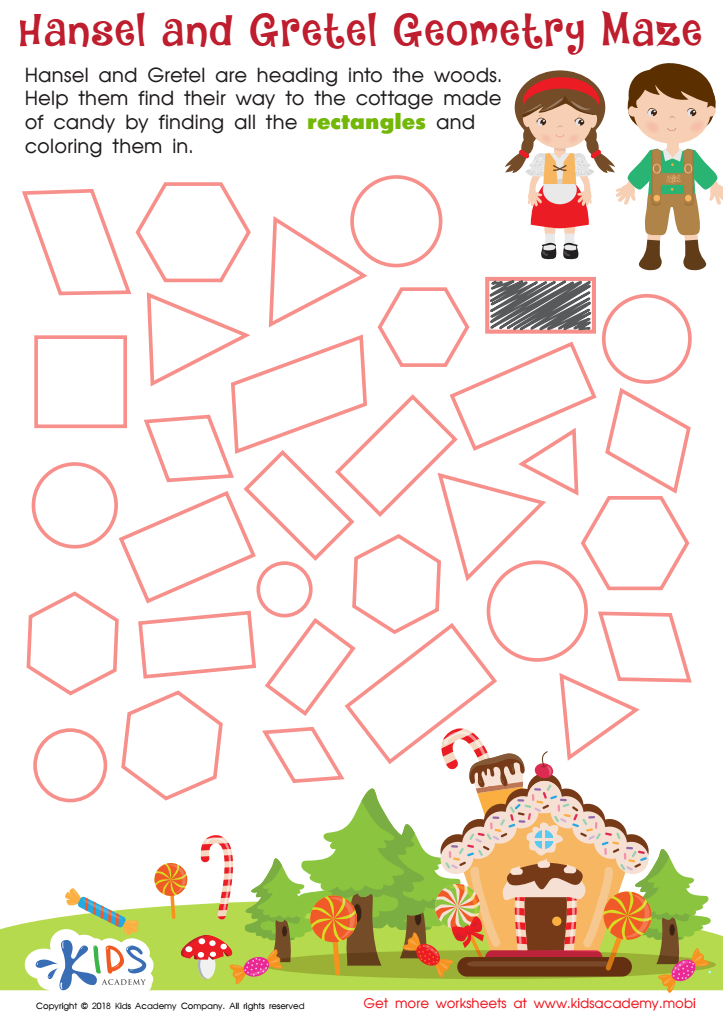
Hansel and Gretel Geometry Maze Worksheet
Your kids will have fun helping Hansel and Gretel get through a colorful forest of shapes! This free PDF reinforces the properties of rectangles, building skills in visual discernment and laying the foundations for geometry. They'll be too busy enjoying the story to realize they're learning!
Hansel and Gretel Geometry Maze Worksheet
Worksheet
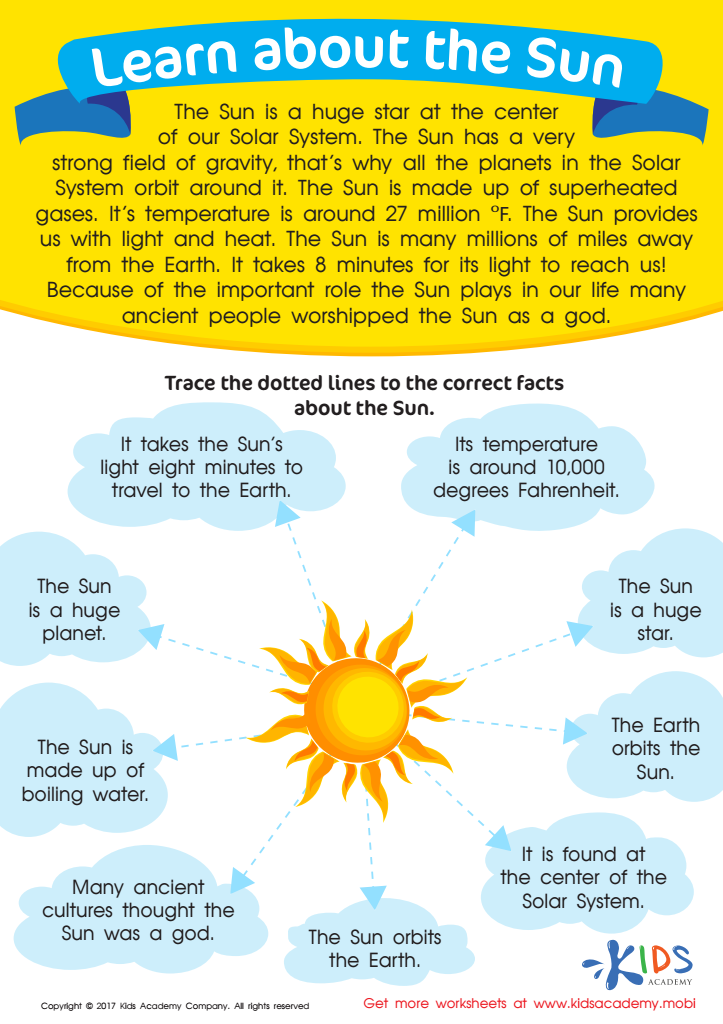
Sun Facts Worksheet
Test your child's reading comprehension with this sun facts PDF worksheet! It offers a quiz to help kids hone their knowledge on the sun. A fun way to learn, it puts their skills to the test!
Sun Facts Worksheet
Worksheet
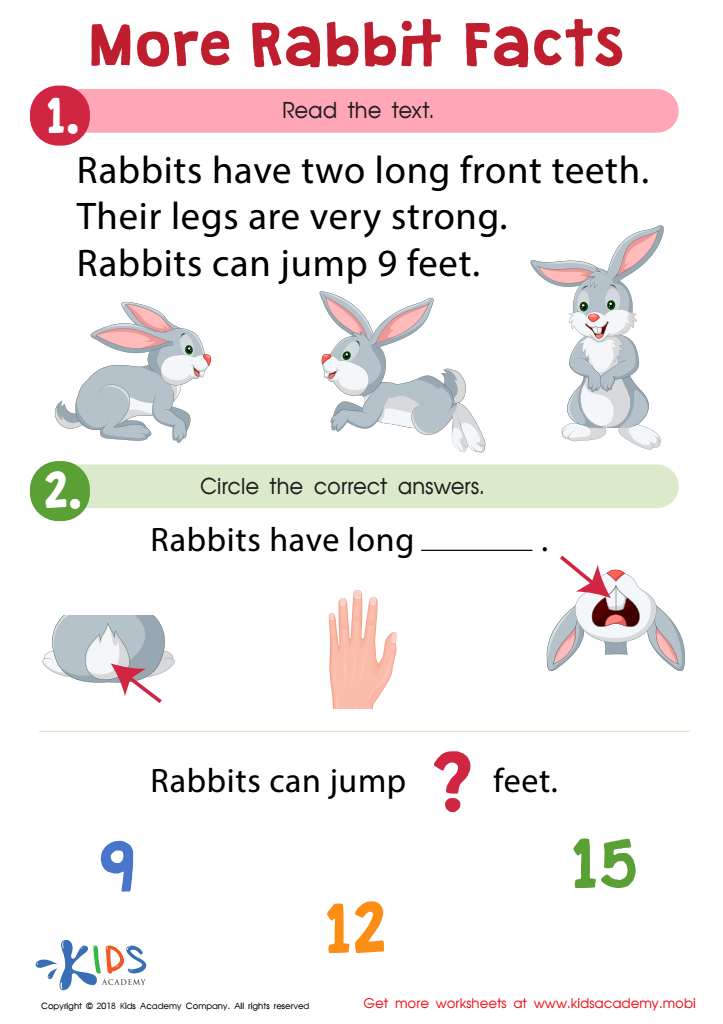
More Rabbit Facts Worksheet
Improve your child's reading comprehension skills with this fun worksheet! Read the paragraph at the top of the page, view the pictures and circle the correct answers indicating what was learned. Develop a better understanding of rabbits while learning how to recall important information from texts.
More Rabbit Facts Worksheet
Worksheet
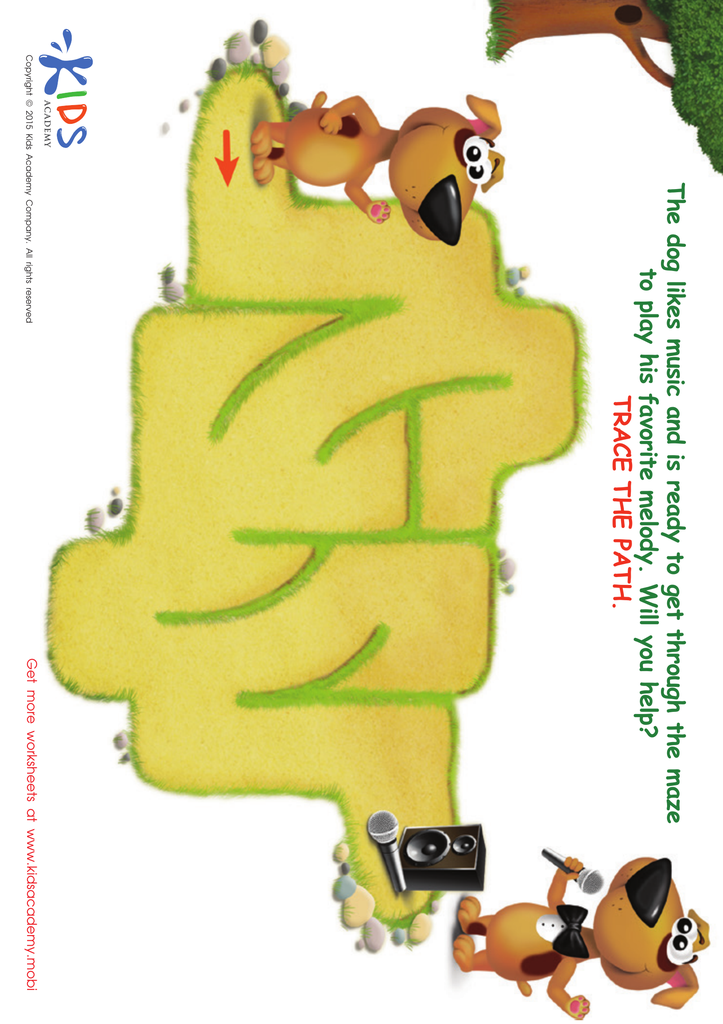
Singer Maze Worksheet
Download our printable maze worksheet and help the little dog find its way to the stage. Trace the path and have fun singing together!
Singer Maze Worksheet
Worksheet
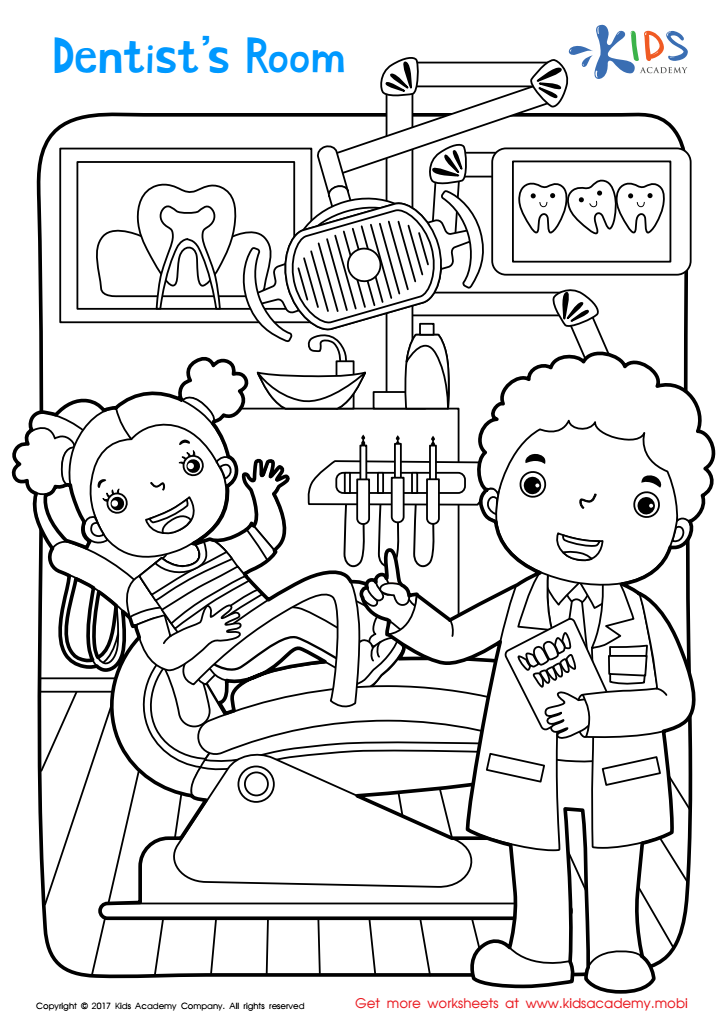
Dental Coloring Page Worksheet
Make your kid's dental visit fun and educational with our coloring page! It will help familiarize children with the dentist's office, from the chair to the tools. Plus, they'll learn about the dentistry profession.
Download (PDF)
 Assign to My Students
Assign to My Students
Dental Coloring Page Worksheet
Worksheet
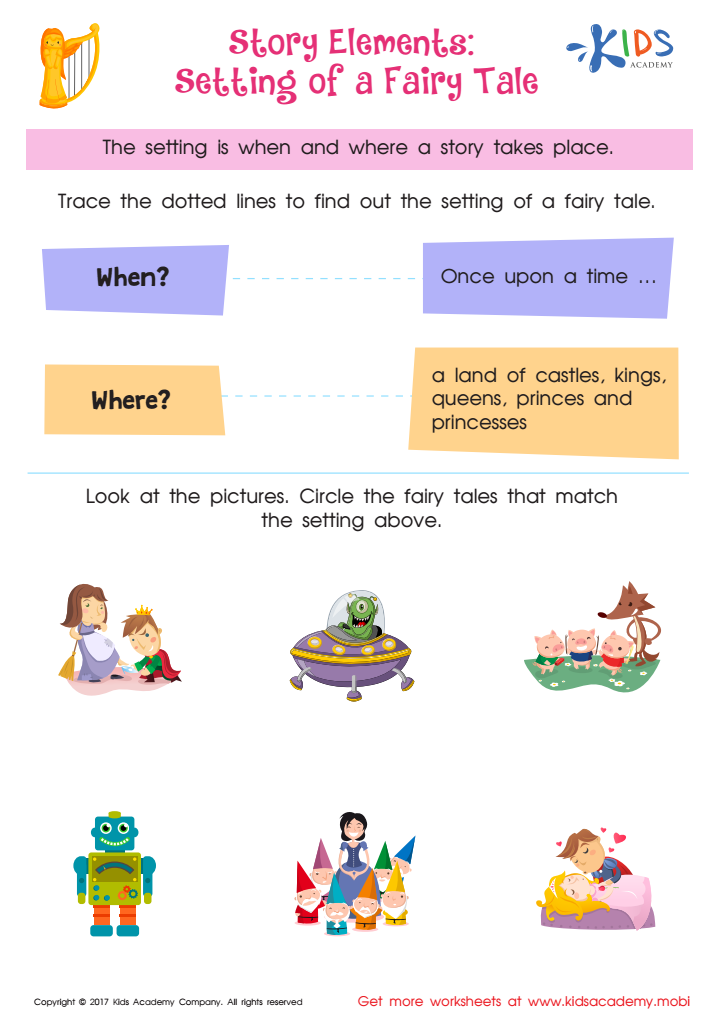
Story Elements: Setting of a Fairy Tale Printable
Help your child learn to analyze stories starting with setting. Use Story Elements worksheet to break down setting into two parts. This will help your child recognize setting quickly and understand its importance in the plot.
Story Elements: Setting of a Fairy Tale Printable
Worksheet
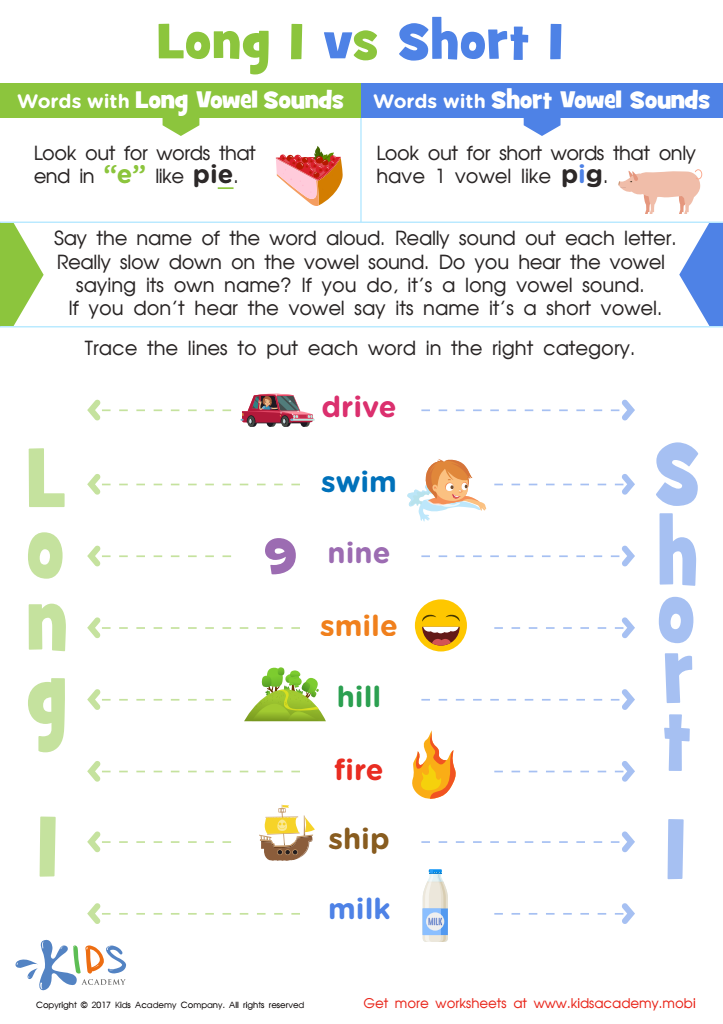
Long and Short Vowel I Spelling Worksheet
When it comes to long "I" sounds, kids should look out for the letter "E" at the end. With examples and sounding out words, kids will improve spelling skills with this long/short "I" worksheet!
Long and Short Vowel I Spelling Worksheet
Worksheet
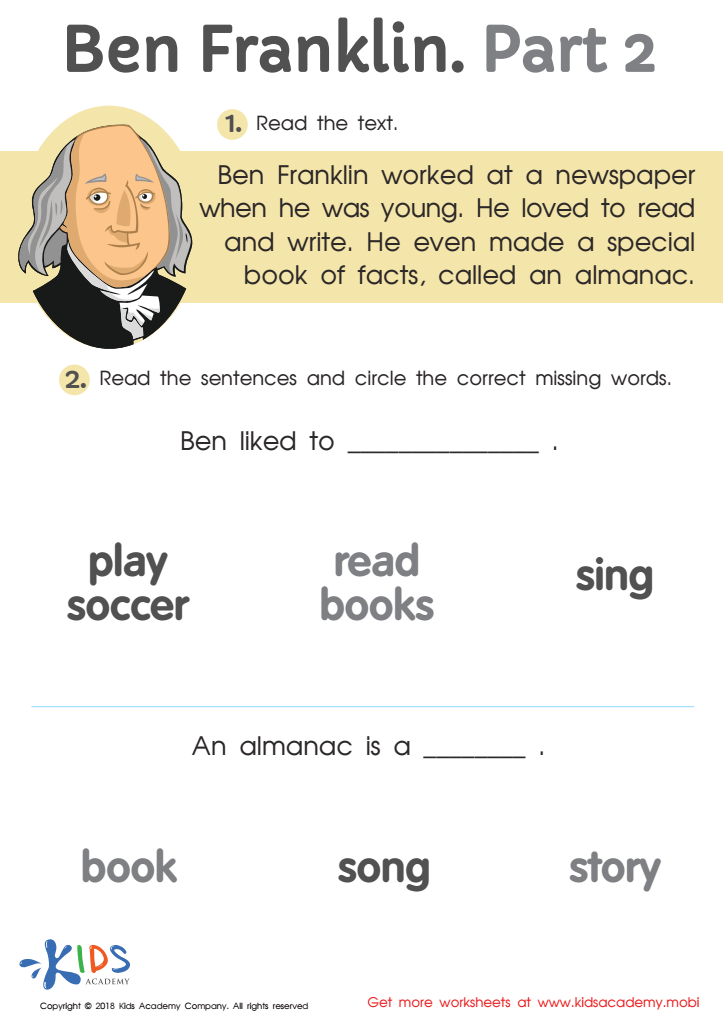
Ben Franklin Part 2 Worksheet
History is filled with great figures, like Benjamin Franklin. Let your kids in on the legacy by introducing them to the founder of the US fire department, diplomat, and inventor. Then, use a worksheet to have them fill in the blanks with the correct word to teach them more. Read the text, then read the sentences and have them circle the missing word.
Ben Franklin Part 2 Worksheet
Worksheet
Join Kids Academy for Free
Who is primarily going to use this learning content?







Vocabulary development in children aged 6-9 is crucial for their overall academic success and effective communication. During this stage, children are rapidly expanding their language skills, which serve as the foundation for reading comprehension, writing, and expressive language. Strong vocabulary not only enhances their ability to understand texts but also helps them articulate their thoughts and ideas clearly, fostering confidence in academic settings.
Investing time in vocabulary improvement promotes cognitive development by encouraging critical thinking and creativity. When children encounter new words, they learn to make connections, categorize information, and express complex ideas. This skill set is essential not just for literacy, but for numerous subjects across the curriculum, including math and science, where specific terminology can be challenging.
Moreover, a rich vocabulary improves interpersonal skills and social interactions. Children who can express themselves well are more likely to engage in meaningful conversations, understand various viewpoints, and develop strong relationships with peers and adults.
Finally, parental and teacher involvement in vocabulary enhancement creates a supportive environment. Through songs, reading together, engaging in discussions, and playful activities, adults can inspire curiosity and a love for language, setting the stage for lifelong learning. In essence, vocabulary improvement is not just an academic concern, but a vital tool for holistic development.








