Writing practice Worksheets for Ages 6-9 - Page 2
28 filtered results
-
From - To
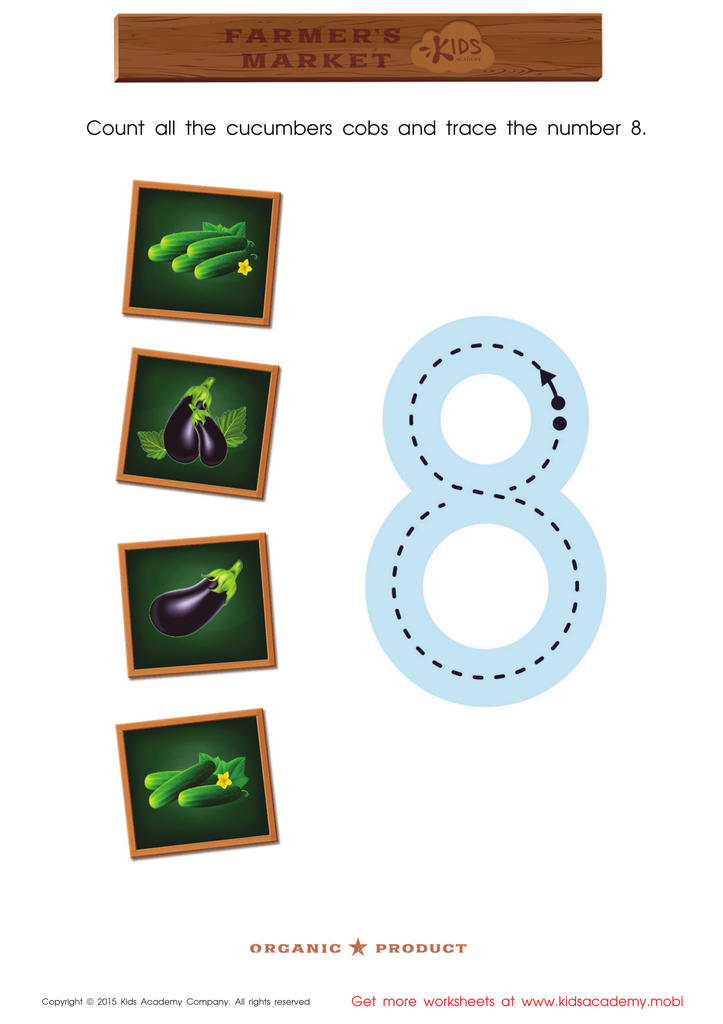
Count the Cucumbers and Trace the Number 8 Printable
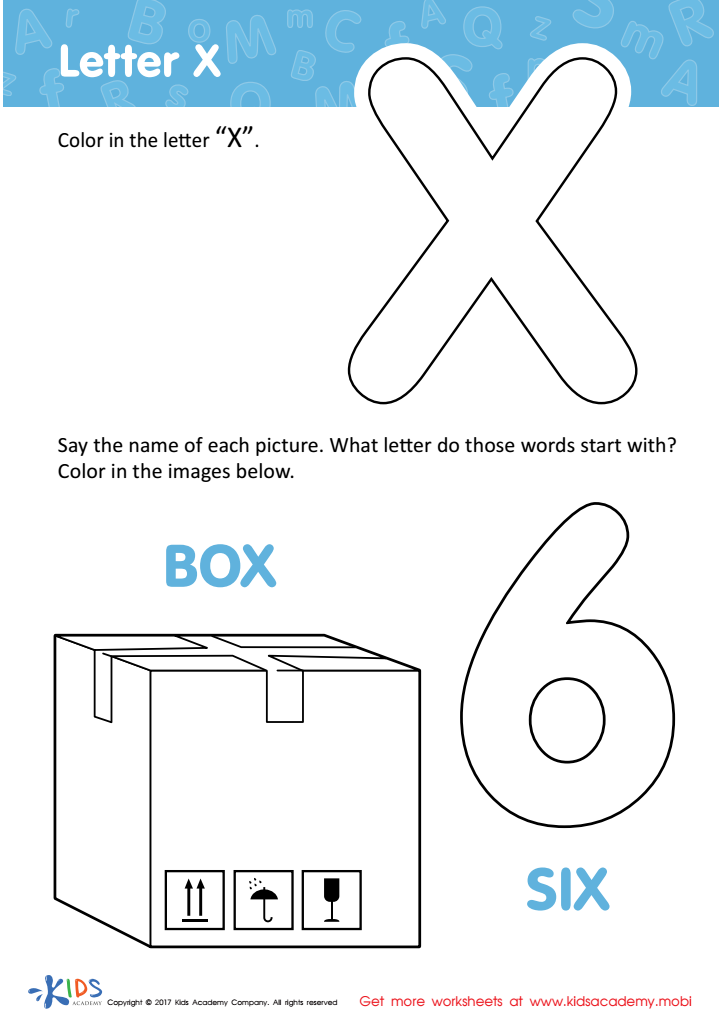
Letter X Coloring Sheet
 Assign to My Students
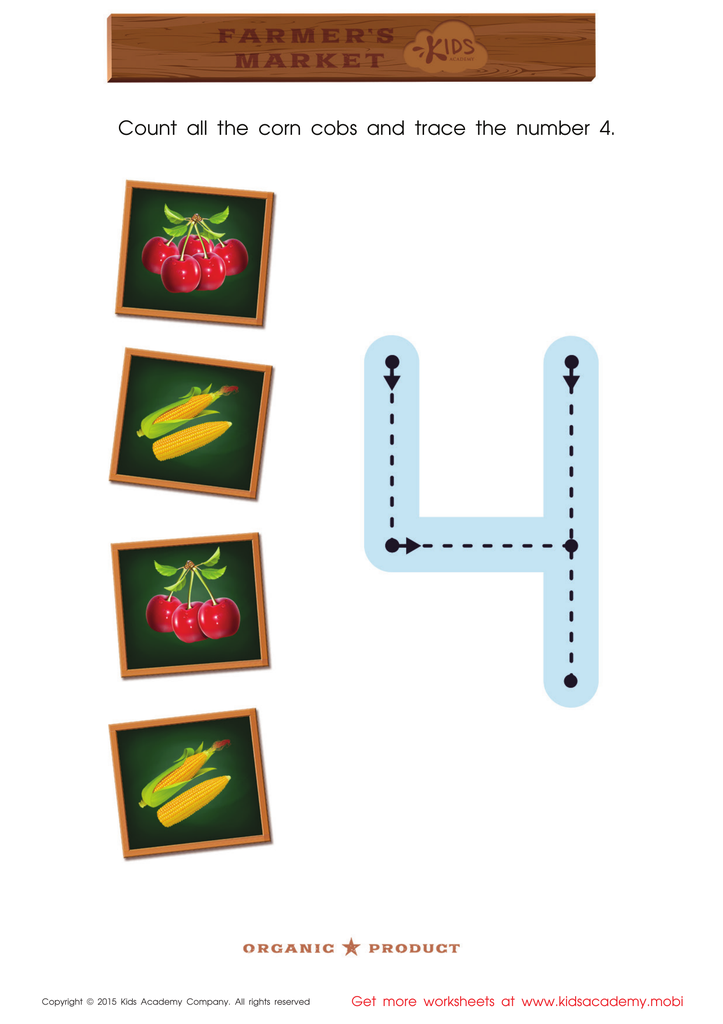
Count the Corncobs and Trace the Number 4 Worksheet








Writing practice for children aged 6-9 is crucial for several reasons. At this developmental stage, children are not only learning to express their thoughts and ideas but are also honing their cognitive and motor skills. Engaging in regular writing activities helps enhance their vocabulary, grammar, and overall language proficiency, essential in building a strong foundation for effective communication.
Moreover, writing allows children to organize their thoughts and develop critical thinking skills. When kids craft stories or essays, they practice structuring their ideas logically, which serves as a precursor to more complex writing tasks in later years. The process of writing also fosters creativity, enabling children to explore their imaginations and express their individuality.
Additionally, writing practice strengthens student-teacher and parent-child interactions. Regular writing exercises provide a wonderful opportunity for parents and teachers to engage in meaningful discussions about ideas, encouraging collaboration and supporting children's learning journeys.
Finally, self-confidence in writing plays a significant role in a child's academic success and overall poise. As children discover and refine their voice through writing, they not only cultivate essential life skills but also gain a sense of accomplishment that encourages them to embrace challenges in all areas of learning.








