Color recognition Logic and Early Math Worksheets for Ages 6-9
4 filtered results
Difficulty Level
Grade
Age
-
From - To
Subject
Activity
Standards
Discover engaging Color Recognition Logic and Early Math Worksheets tailored for ages 6-9! Designed to foster essential learning skills, our vibrant and interactive worksheets make recognizing colors and understanding early math concepts fun and engaging. Each activity combines logic challenges with color identification, sharpening cognitive skills while laying a strong mathematical foundation. Perfect for at-home learning or classroom enrichment, these worksheets captivate young minds and encourage exploration. Start building core competencies in a playful, colorful way with our expertly crafted educational resources. Cultivate a lifelong love for learning with Kids Academy's standout practice materials.
Favorites
With answer key
Interactive
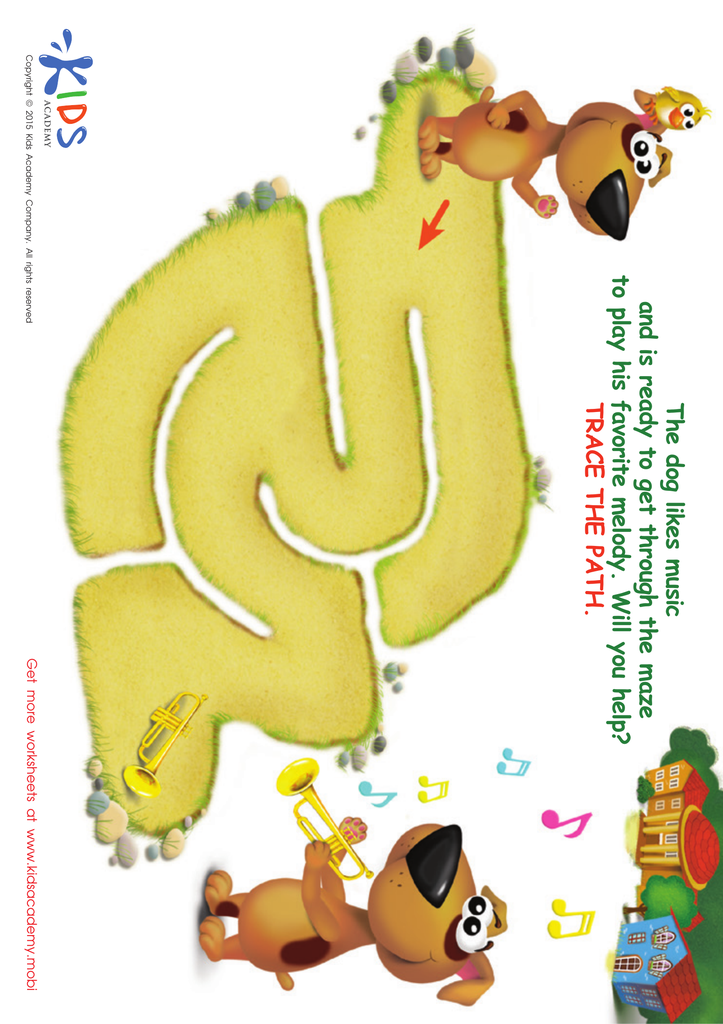
Trumpeter Maze Worksheet
Help your kid to find the way out of the maze to hear their favorite melody! Visit Kids Academy now and explore plenty of fun and educational resources.
Trumpeter Maze Worksheet
Worksheet
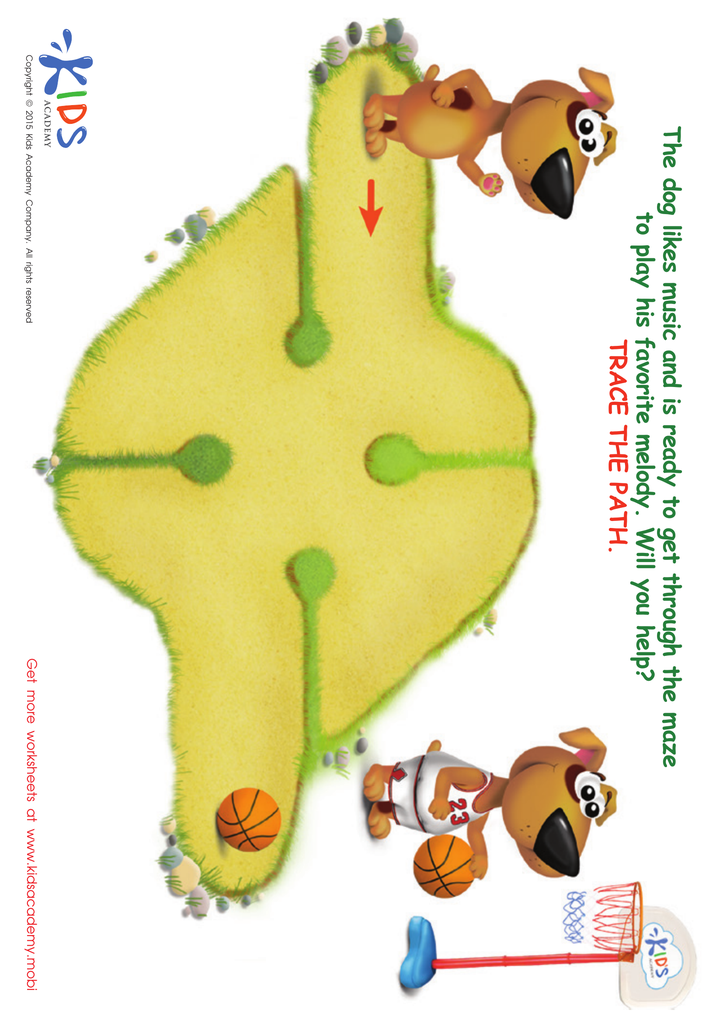
Basketball Player Maze Worksheet
Test your skills with our new printable maze worksheets, and help the little dog get his basketball! Trace the path carefully to get the ball and play together.
Basketball Player Maze Worksheet
Worksheet
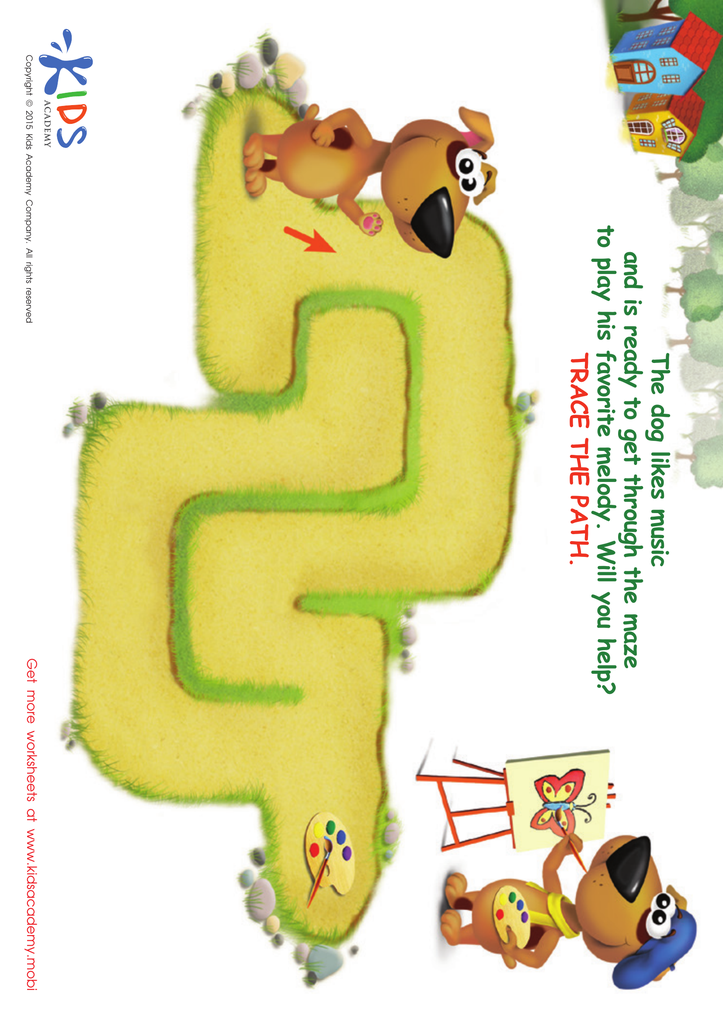
Artist Maze Worksheet
Try this new maze worksheet to help your child develop problem-solving skills. Let the pup traverse the path and create a masterpiece with the brush and paints on the other side! Give it a go now.
Artist Maze Worksheet
Worksheet
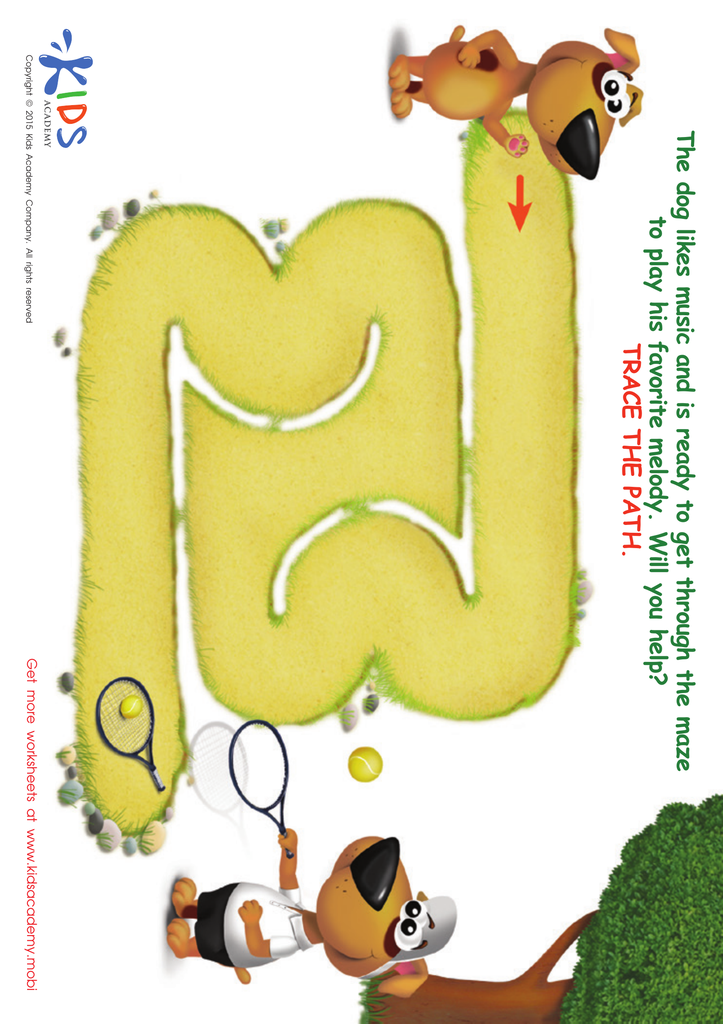
Tennis Player Maze Worksheet
Get them now and play together with your kids! Trace paths and help the dog find the racquets and balls. Fun and learning await.
Tennis Player Maze Worksheet
Worksheet
Join Kids Academy for Free
Who is primarily going to use this learning content?








Parents and teachers should emphasize color recognition, logic, and early math for children aged 6-9 as these skills form the cornerstone of intellectual development. At this developmental stage, children are naturally curious and absorb information quickly. Learning to recognize and differentiate colors sharpens visual perception and is integral to cognitive development. It boosts memory, improves communication by enhancing vocabulary, and helps in categorizing and organizing information.
Logical thinking exercises expand a child's ability to reason, solve problems, and understand abstract concepts. By cultivating logic, kids develop critical thinking skills, which are crucial for academic success across various subjects. Engaging activities like puzzles and pattern recognition games encourage logical reasoning and foster persistence and patience.
Early math skills introduce basic arithmetic, measurements, and spatial understanding, laying the groundwork for future complex mathematical learning. These skills not only enhance numerical literacy but also promote analytical and deductive thinking. Integrating math in everyday activities through games and playful learning helps make these fundamental concepts engaging and relatable.
Ultimately, strengthening these skills from an early age empowers children with the tools required for higher education and practical life problem-solving. Therefore, prioritizing color recognition, logic, and early math provides a balanced framework for holistic child development.