Hand-eye Coordination Logic and Early Math Worksheets for Ages 6-9
3 filtered results
-
From - To
Enhance your child's learning with our engaging Hand-eye Coordination Logic and Early Math worksheets, tailored for ages 6-9. These thoughtfully designed worksheets boost essential skills, including problem-solving, critical thinking, and precision. Each activity blends fun with learning, ensuring kids enjoy the process while developing foundational mathematical abilities and fine motor skills. Whether sequencing numbers, completing puzzles, or matching shapes, our printable resources provide diverse challenges that captivate young minds. Equip your child with the tools they need for academic and life success. Visit Kids Academy today and set the foundation for a bright future!
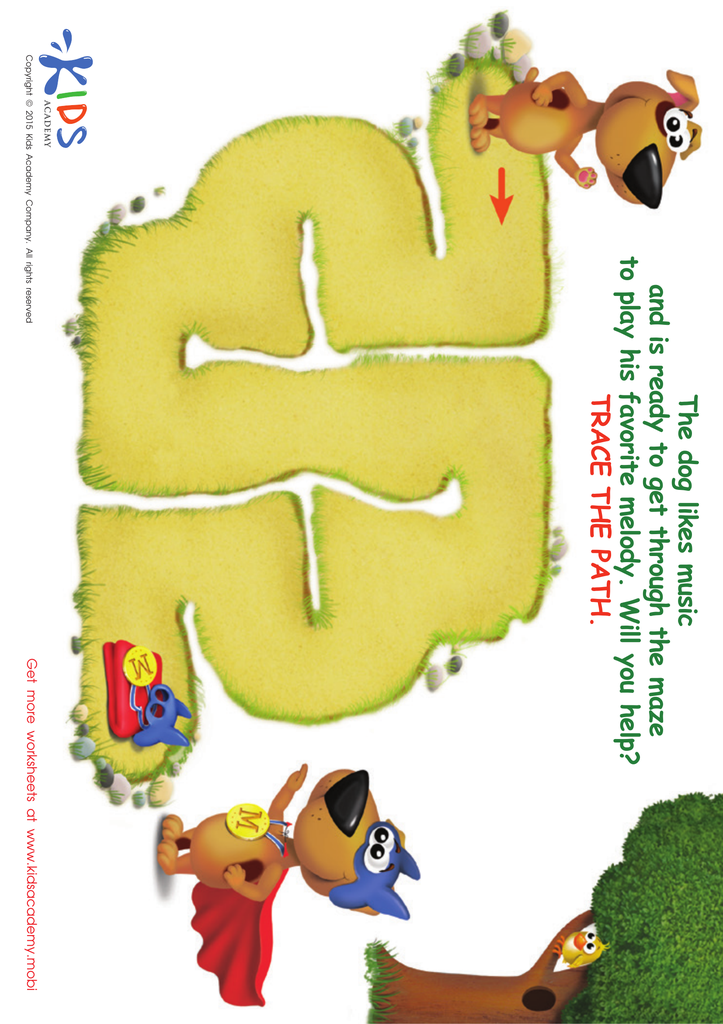
Superman Maze Worksheet
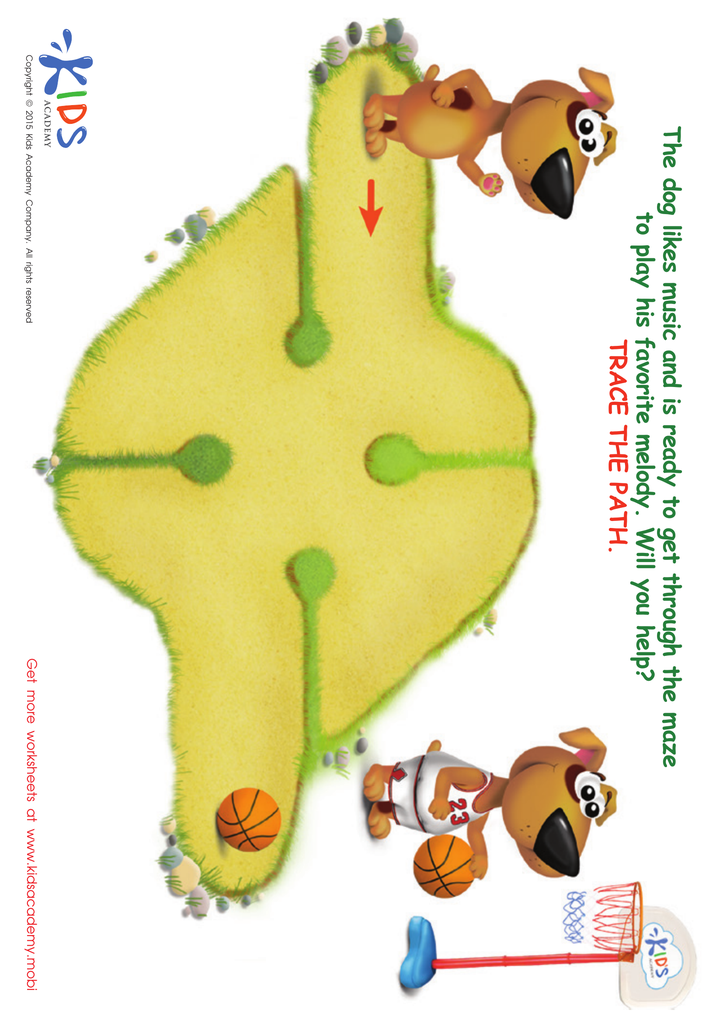
Basketball Player Maze Worksheet

Tennis Player Maze Worksheet








Hand-eye coordination, logic, and early math skills are crucial for young children, particularly those aged 6-9, as they lay the foundation for future academic and everyday life success. Hand-eye coordination is essential for many physical tasks such as writing, drawing, and playing sports. These activities are not only necessary for academic tasks like taking notes and mathematical computations but also for developing fine motor skills that will benefit them in various life aspects.
Similarly, teaching logic at an early age helps develop critical thinking and problem-solving skills. Logic activities, such as puzzles and strategy games, encourage children to think systematically and recognize patterns, which are integral aspects of mathematical reasoning. This kind of thinking aids them in grasping more complex math concepts later on, and enhances their ability to approach problems methodically in different subjects.
Early math skills involve more than just numbers; they encompass understanding concepts of measurement, geometry, and basic arithmetic operations which are integral building blocks for advanced mathematics. Developing these skills boosts a child's confidence and supports their cognitive development, enabling them to meet academic challenges more effectively.
Parents and teachers should care about hand-eye coordination, logic development, and early math because they collectively prepare children for a lifetime of learning, adapting, and thriving no matter the challenges they encounter. Fostering these essential skills early can create a strong, multidimensional foundation for a child's educational journey and overall development.