Addition skills Addition & Subtraction Worksheets for Ages 6-9 - Page 3
50 filtered results
-
From - To
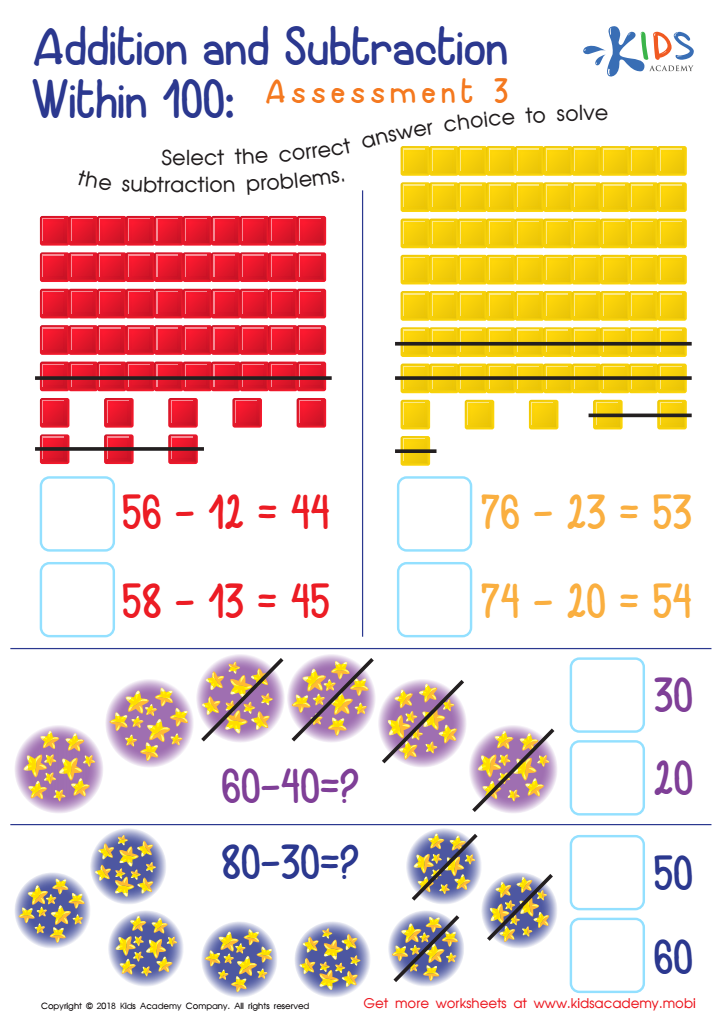
Addition and Subtraction Within 1: Assessment 3 Worksheet
 Assign to My Students
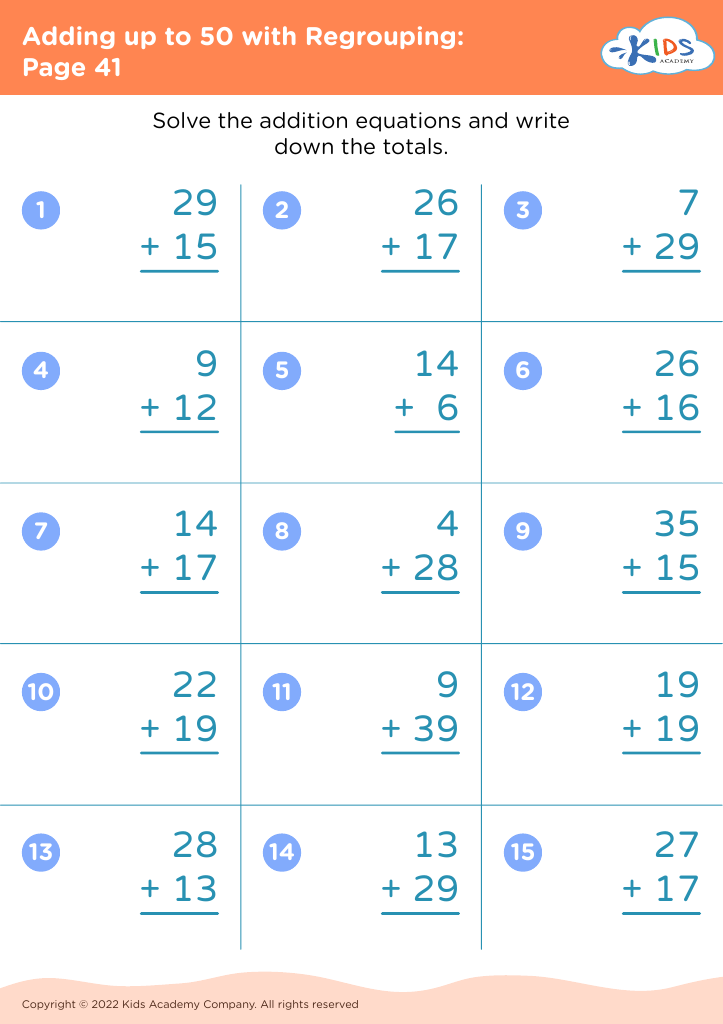






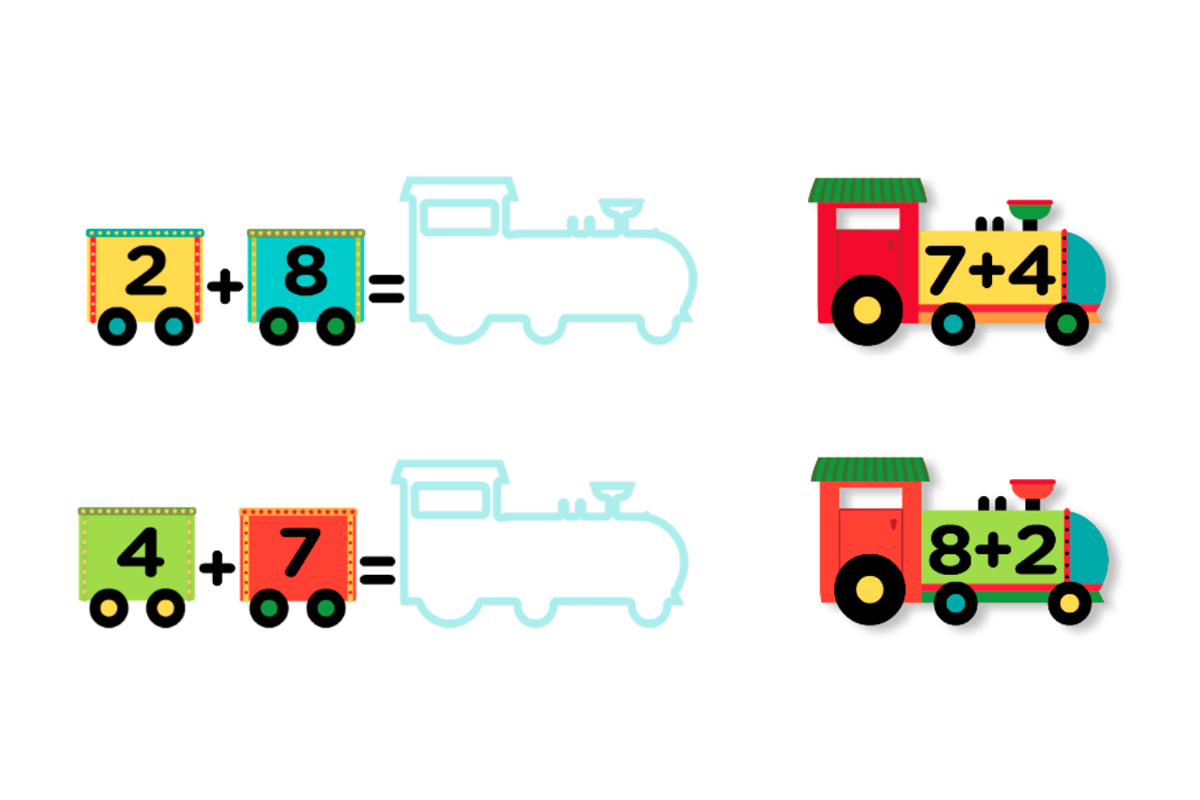

Parents and teachers should prioritize the development of addition and subtraction skills for children aged 6-9, as these foundational math abilities are crucial for academic success and everyday problem-solving. At this stage, children not only learn the mechanics of these operations but also start to understand concepts such as number relationships and the idea of more and less, which are vital for critical thinking.
Strong addition and subtraction skills foster confidence in young learners, enabling them to tackle more complex mathematical concepts later on. These skills lay the groundwork for understanding fractions, decimals, and even basic algebra. Additionally, mastering these operations ensures that students can manage practical tasks in real life, such as budgeting money or measuring ingredients for cooking.
Moreover, the reinforcement of addition and subtraction skills can positively affect children's overall cognitive development. Engaging them in fun, interactive activities encourages a positive attitude towards learning and sets the stage for lifelong mathematical literacy. Finally, by nurturing these skills, parents and teachers are equipping children not only for academic challenges but also for various everyday scenarios where these abilities will be necessary.








