Reading clocks Addition & Subtraction Worksheets for Ages 6-9
3 filtered results
-
From - To
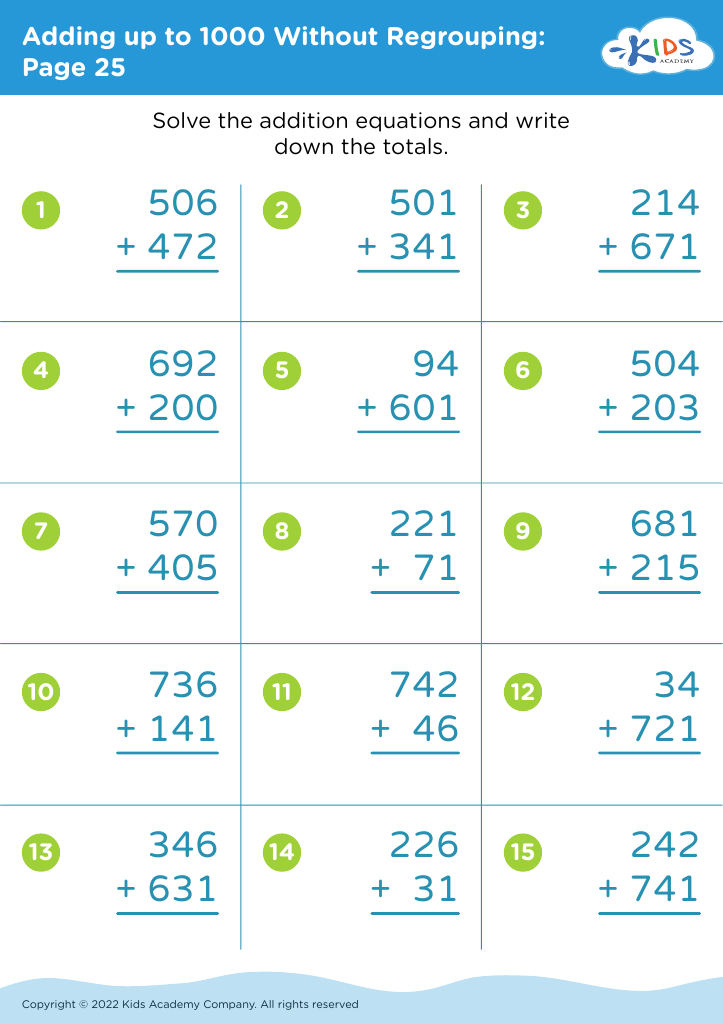
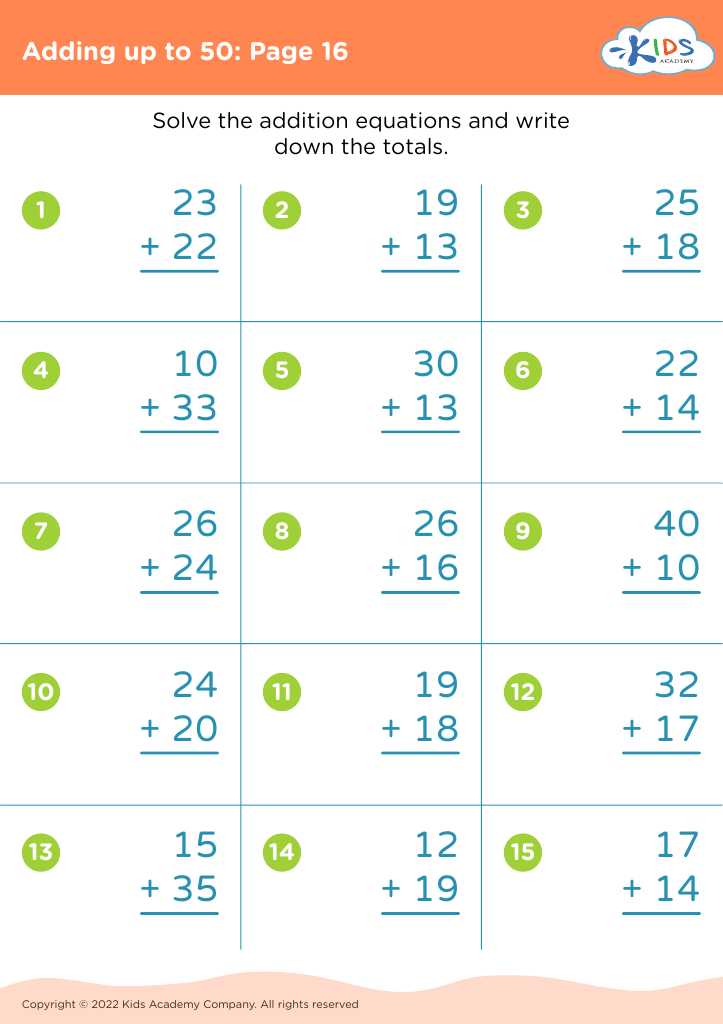
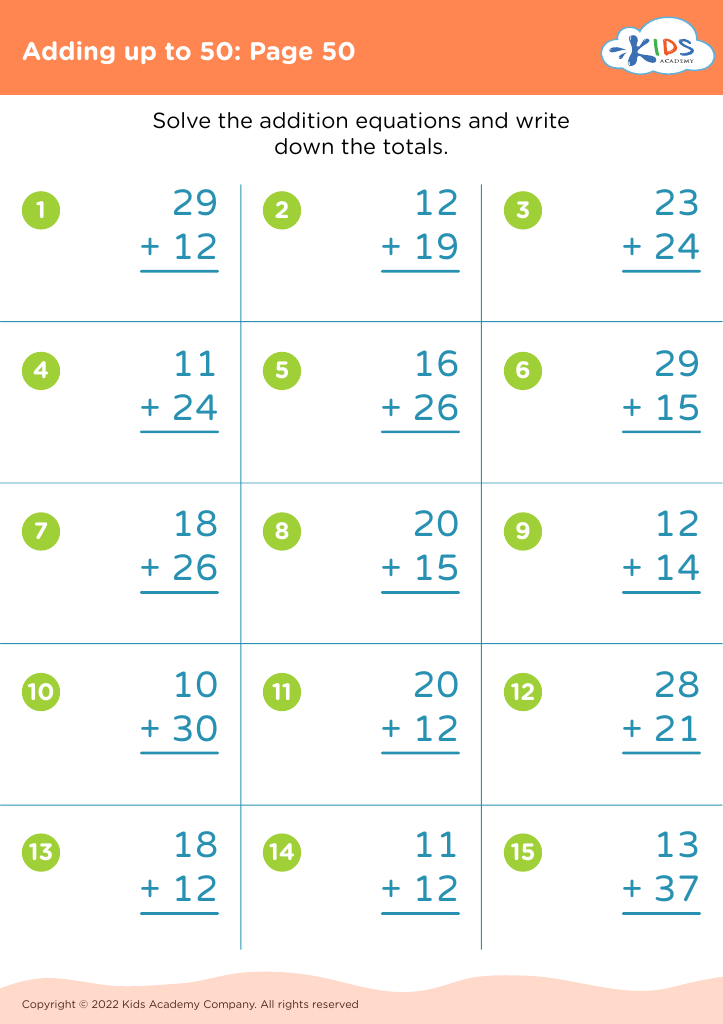
Discover our engaging "Reading Clocks Addition & Subtraction Worksheets" designed for children ages 6-9! These printable worksheets help young learners master both time-telling and basic math skills through fun and interactive exercises. Students will practice reading various clock formats while solving addition and subtraction problems, reinforcing their understanding of time and improving computational skills. Each worksheet is crafted to be age-appropriate, ensuring a balance of challenge and accessibility. Perfect for classroom use or home learning, these worksheets make math exciting and relevant! Foster your child's learning experience by helping them confidently read clocks and sharpen their arithmetic abilities today!








Parents and teachers should prioritize teaching reading clocks and foundational addition and subtraction skills to children aged 6-9 for several key reasons. First, mastering time-telling is essential for daily life, as it helps children manage their schedules, understand routines, and engage with the world around them. It fosters independence and responsibility, as children learn to partake in activities with a sense of timing.
Additionally, developing mathematical skills in addition and subtraction forms the backbone of numerical literacy, laying the groundwork for more complex math concepts. During these formative years, a child’s cognitive abilities are rapidly expanding, making it the ideal time to build confidence in their math skills.
Moreover, combining time-telling with basic arithmetic can enhance critical thinking and problem-solving abilities. For instance, understanding elapsed time can involve adding and subtracting minutes and hours, linking these two essential skills in a practical context.
By investing in these foundational concepts, parents and teachers are instrumental in cultivating essential life skills, boosting children's academic performance, and instilling a sense of competence and accomplishment that supports lifelong learning. Engaging with clocks and math can spark curiosity and motivate children to explore and embrace their educational journey.








