Recognizing shapes Addition & Subtraction Worksheets for Ages 6-9 - Page 2
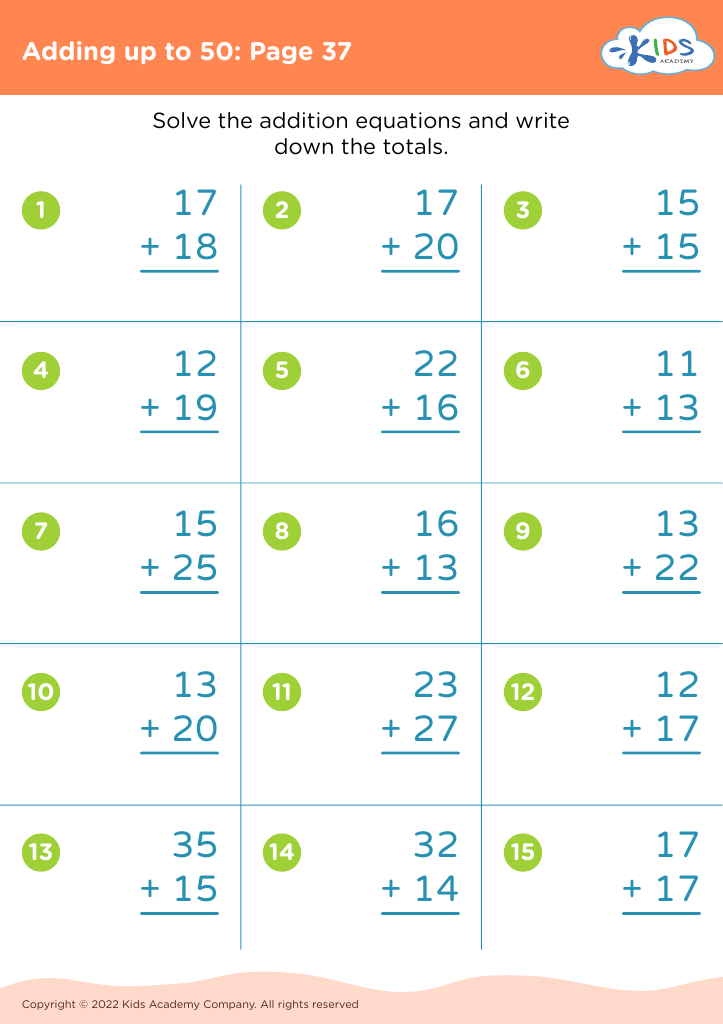
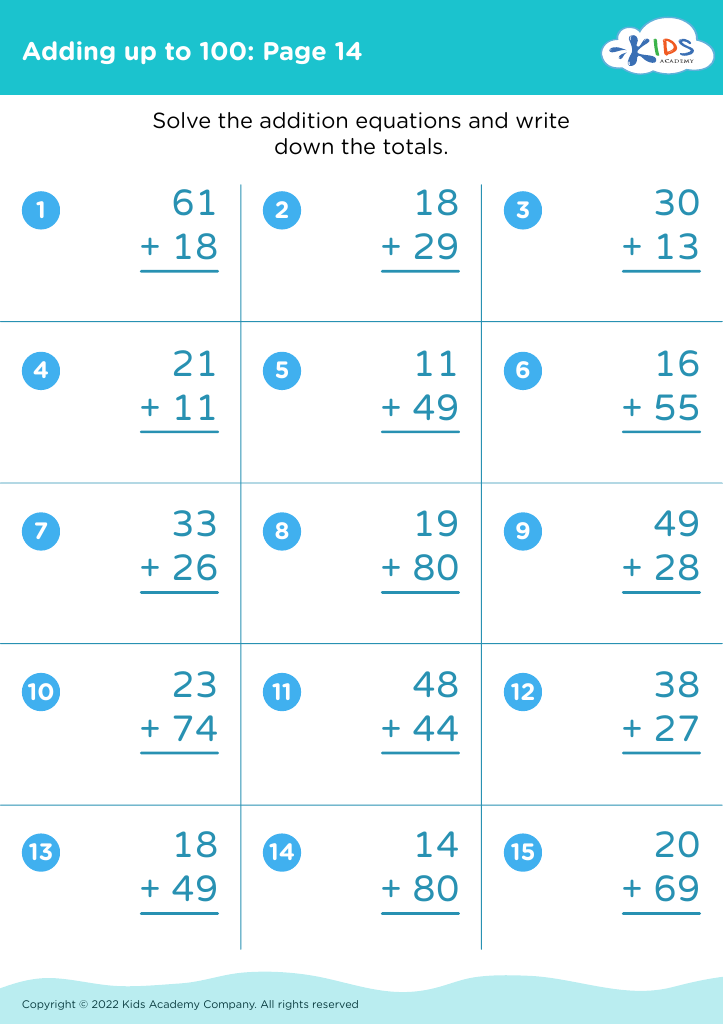
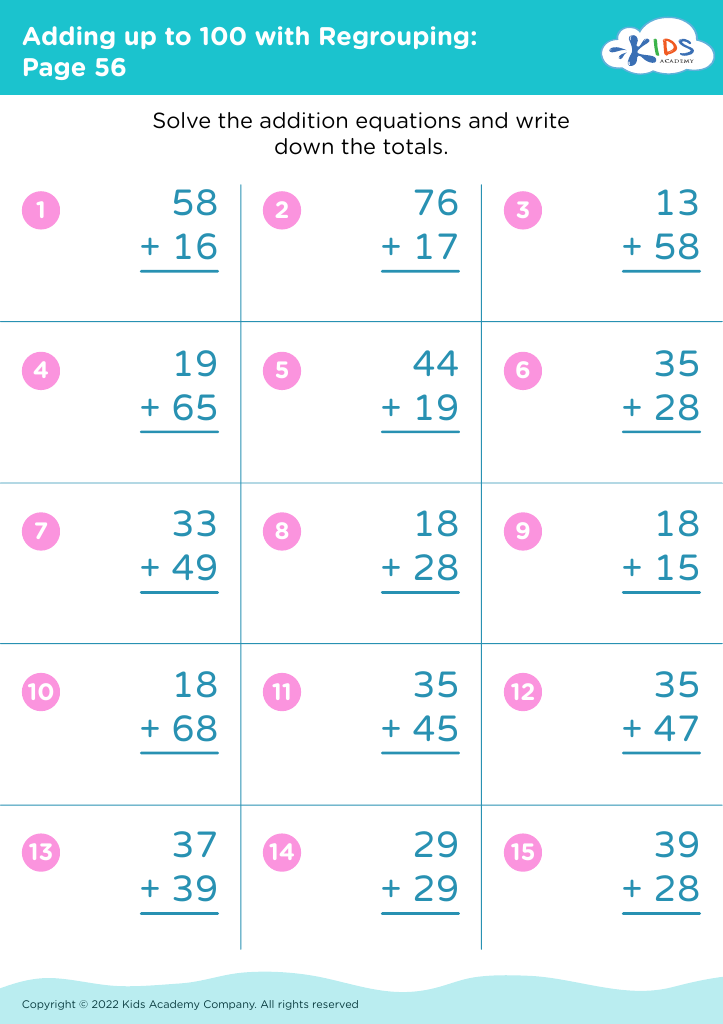
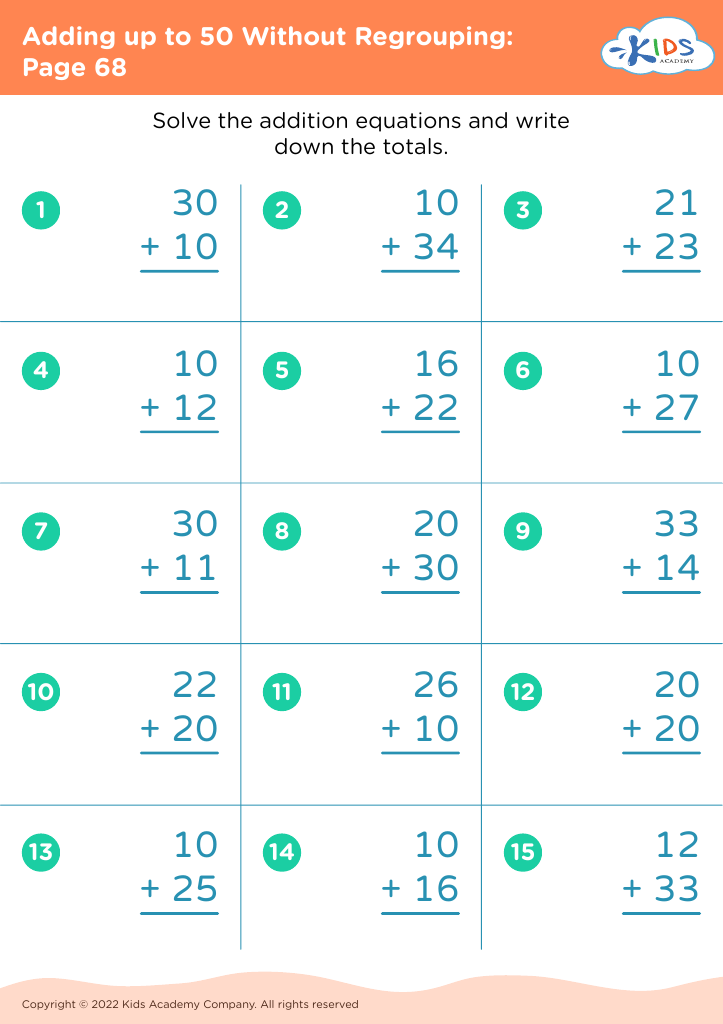







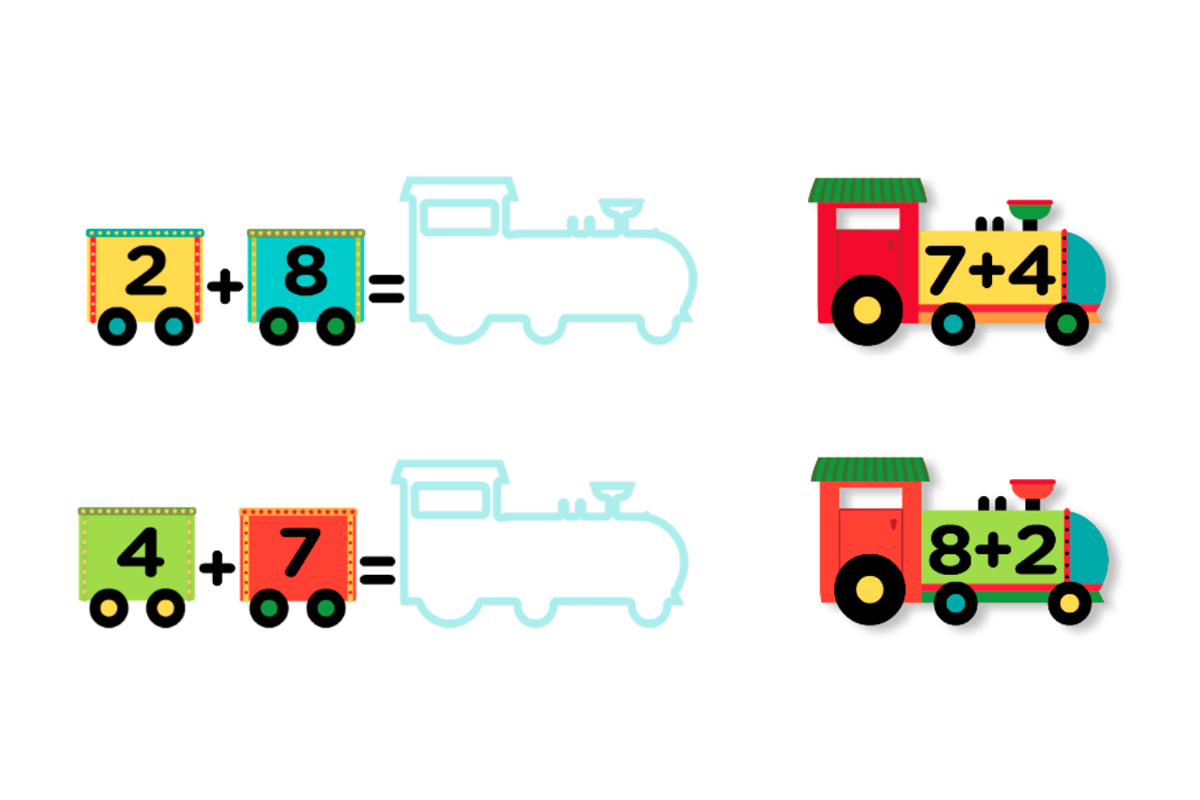
Recognizing shapes and mastering basic addition and subtraction are foundational skills crucial for the overall cognitive development of children aged 6 to 9. At this stage, children are in a critical period of brain development when they are building the core skills that will underpin future learning in more complex areas.
Understanding shapes helps children classify objects, recognize patterns, and develop spatial awareness, all of which are essential skills in fields like geometry, science, and even technology. It fosters visual learning and fine motor skills, contributing to improved handwriting and artistic abilities. Recognizing shapes also aids early literacy skills, as the letters of the alphabet consist of different shapes.
On the other hand, addition and subtraction are the building blocks of arithmetic, laying the groundwork for all higher mathematical concepts like multiplication, division, fractions, and beyond. Mastery of these basic operations enhances problem-solving skills, boosts logical thinking, and instills a sense of number sense, allowing children to understand the relationships between quantities.
Early competence in these areas sets a positive trajectory for academic success, cultivates confidence, and creates a mindset oriented towards lifelong learning. Therefore, by nurturing these skills, parents and teachers ensure children are well-equipped to navigate and understand the increasingly complex world around them.








